
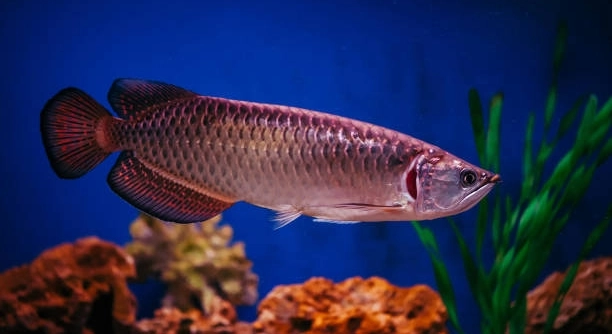
Are your arowanas suddenly flinching at every movement in the tank? This behavior can be concerning for any aquarist who wants a calm and healthy environment for their fish. Sudden reactions can indicate stress or discomfort in your aquatic pets.
Arowanas often flinch due to sudden movements, poor water quality, or insufficient acclimation to their environment. Addressing tank conditions, maintaining stable water parameters, and minimizing abrupt disturbances can significantly reduce stress-induced reactions in these sensitive fish.
Monitoring your fish closely and making small adjustments can restore their calm behavior and ensure they thrive in your aquarium.
Common Causes of Flinching in Arowanas
Arowanas may flinch at movement due to a variety of environmental or health factors. Sudden motions near the tank, tapping on glass, or abrupt lighting changes can startle them. Water conditions also play a major role. Improper temperature, high ammonia, or inconsistent pH levels can stress fish, leading to jittery behavior. Overcrowding and lack of hiding spaces can increase anxiety. Diet changes or feeding at irregular intervals can further heighten sensitivity. Even the presence of reflections or shadows outside the tank may trigger sudden reactions. Identifying the specific triggers in your tank environment is the first step toward calming your arowanas. Keeping a consistent routine, stable water parameters, and a serene environment helps fish feel secure. Observing their behavior during feeding and throughout the day provides valuable clues about what may be causing these reactions, allowing you to make targeted adjustments.
Environmental stressors are often the main reason arowanas start flinching at movements in their tank.
Adjusting your tank setup can greatly reduce flinching. Start by minimizing abrupt movements near the aquarium and avoid sudden light changes. Regularly check water parameters and keep temperature and pH stable. Providing ample space and some decorative hiding areas creates a sense of security. Feeding at consistent times with appropriate food reduces stress. Observing patterns in behavior helps identify specific triggers, allowing small adjustments to make a noticeable difference. Over time, these consistent measures lead to calmer and more confident arowanas.
How to Calm Flinching Behavior
Creating a stable environment is key to reducing arowana flinching. Consistency in water quality, lighting, and feeding routines gives them a sense of security.
To calm flinching, maintain a strict routine and monitor tank conditions carefully. Sudden changes in water temperature or chemistry can cause long-lasting stress. Install decorations or plants to give arowanas visual boundaries and hiding spots. Minimize vibrations and external disturbances near the tank. Feeding should occur at the same time each day with high-quality, suitable food to reduce anxiety. Observing behavior patterns over several days can indicate which factors are most stressful. Additionally, acclimating new fish slowly and avoiding overcrowding prevents unnecessary tension. By creating a stable, predictable environment, flinching behavior gradually decreases, and your arowanas become more comfortable with movement around their tank. These measures not only reduce immediate reactions but also support overall health and long-term well-being.
Adjusting Tank Conditions
Stable water conditions are essential to reduce arowana flinching. Check temperature, pH, and ammonia levels regularly. Avoid sudden changes and ensure the filtration system works efficiently to maintain a healthy environment. Small adjustments can make a significant difference in their comfort and behavior.
Proper tank maintenance involves consistent water changes, careful monitoring of chemical levels, and ensuring adequate filtration. Arowanas are sensitive to sudden shifts in temperature or water chemistry, which can trigger stress responses like flinching. Introducing gradual changes rather than abrupt modifications helps them acclimate better. Decorations, plants, and hiding spaces also contribute to a calmer environment. Overcrowding should be avoided to reduce tension and allow free swimming space. Observing their daily activity provides insight into whether the current setup supports their well-being. Maintaining these conditions fosters stability and decreases stress-related behaviors.
Lighting and positioning in the tank affect arowana comfort as well. Bright, flickering lights or frequent shadows can startle them. Place the tank away from direct sunlight and areas with high foot traffic. Use soft, consistent lighting and arrange decorations to create natural boundaries. Positioning the tank where movement outside is minimal allows fish to feel secure. Even minor adjustments in lighting schedules or tank placement can reduce sudden flinching. Keeping a stable, calm environment ensures your arowanas adapt better to their surroundings, resulting in more relaxed and predictable behavior patterns over time.
Feeding Practices to Reduce Flinching
Regular feeding schedules help arowanas feel secure and reduce startle responses. Consistent timing and portion control create predictability and reduce stress.
Offering balanced meals at the same time daily supports healthy growth and prevents sudden reactions. Irregular feeding can make fish anxious and more prone to flinching. Include a mix of live, frozen, or high-quality pellets suitable for their species. Avoid overfeeding, as uneaten food can deteriorate water quality, increasing stress. Observing how your arowanas respond to feeding helps identify triggers for flinching. Gradual introduction of new foods prevents sudden surprises and allows fish to adjust calmly. By establishing a clear feeding routine, you support both their physical health and emotional comfort.
Feeding techniques also influence behavior. Introduce food slowly, allowing all fish to access it without competition. Avoid tossing food rapidly, which can startle them. Rotate food types to provide variety while maintaining consistency in portion size and timing. Monitor interactions during feeding to ensure no fish becomes aggressive or anxious. High-quality, protein-rich food meets nutritional needs, reducing the likelihood of stress-related behaviors. Over time, fish learn to associate feeding with calm, predictable conditions. Proper feeding routines not only nourish your arowanas but also reinforce a stable, low-stress environment that encourages confidence and reduces sudden flinching in response to movement around the tank.
Minimizing External Disturbances
Position the tank in a quiet area away from heavy foot traffic. Avoid tapping the glass or sudden movements nearby. Reducing external disturbances helps arowanas feel secure and prevents unnecessary flinching.
Consistent ambient conditions are crucial. Keep loud noises, shadows, and reflections to a minimum. Even small disruptions can startle sensitive fish. A calm environment supports natural behavior and allows them to swim confidently without stress.
Gradual Acclimation of New Fish
Introducing new fish slowly prevents stress for both newcomers and existing arowanas. Quarantine new arrivals and acclimate them to tank temperature and water parameters gradually. Sudden introductions often lead to flinching, aggression, or hiding. Controlled acclimation reduces tension and promotes smoother integration.
Observing Behavioral Patterns
Tracking your arowanas’ daily activity reveals triggers for flinching. Note when reactions occur, their intensity, and environmental factors. This helps identify patterns and allows targeted adjustments to reduce stress.
FAQ
Why does my arowana flinch when I move near the tank?
Arowanas are highly sensitive to movement and sudden changes. Their flinching is a natural reaction to perceived threats. Even shadows or reflections can startle them. Keeping movements slow and steady around the tank helps them feel more secure and reduces frequent startling responses.
Can water quality affect flinching behavior?
Yes. Poor water conditions, including high ammonia, unstable pH, or incorrect temperature, can stress arowanas. Stressed fish are more reactive to movement. Regular water testing, consistent temperature, and proper filtration ensure a healthy environment that minimizes sudden flinching. Clean, stable water supports calm behavior.
Does tank size matter for flinching?
Tank size impacts comfort and movement. Crowded tanks limit swimming space and increase stress, which can cause more flinching. Providing adequate space and hiding spots allows arowanas to establish territory, feel secure, and respond less abruptly to disturbances.
How does lighting influence flinching?
Bright, flickering, or inconsistent lighting can startle arowanas. Shadows and reflections on the glass may trigger sudden reactions. Using soft, consistent lighting and placing the tank away from direct sunlight or busy areas helps fish remain calm. Gradual light changes also prevent unnecessary stress.
Will sudden feeding make them flinch?
Abruptly dropping food can startle arowanas. Feeding slowly and consistently at the same time daily reduces stress. High-quality, balanced food and controlled portion sizes create predictable routines, which help them associate feeding with a calm, safe environment instead of a sudden stimulus.
Do new fish cause existing arowanas to flinch?
Yes, introducing new fish can trigger stress and defensive behavior. Quarantining new arrivals and acclimating them gradually reduces tension. Allowing fish to adjust to the same water conditions and observing interactions carefully helps prevent excessive flinching and aggression.
Can decorations and hiding spots help?
Providing decorations, plants, or driftwood gives arowanas visual boundaries and hiding places. This reduces stress by creating secure zones where fish can retreat when startled. Well-placed decorations minimize unnecessary flinching and support natural behavior.
Is overhandling the tank harmful?
Frequent tapping, adjusting decorations, or sudden disturbances near the tank can cause repeated stress. Minimizing interactions, moving slowly, and maintaining a calm environment reduces flinching and promotes confidence. Fish thrive when their surroundings are stable and predictable.
How long does it take for arowanas to calm down?
The time varies depending on stress factors and adjustments made. With stable water conditions, consistent feeding, gradual acclimation, and minimized disturbances, most arowanas show noticeable improvement in flinching behavior within weeks. Patience and observation are key.
Are there health issues that cause flinching?
Yes. Parasites, infections, or injuries can make arowanas more reactive. Flinching combined with other symptoms like loss of appetite, lethargy, or unusual swimming patterns may indicate a health problem. Consulting a veterinarian or experienced aquarist ensures proper treatment and reduces stress-related behaviors.
Does tank placement affect their reactions?
Yes, tanks near busy areas, doors, or high foot traffic create frequent disturbances. Moving the aquarium to a quieter location reduces stress and sudden flinching. Ensuring a stable, calm environment allows arowanas to feel secure and reduces unnecessary reactions.
Can I train my arowanas to be less sensitive?
Gradual exposure to predictable movements can help fish adjust. Over time, consistent routines, gentle feeding, and minimizing sudden disturbances train them to tolerate normal activity around the tank. While flinching may never disappear completely, it can be significantly reduced.
Do seasonal changes affect flinching?
Yes. Temperature shifts or lighting changes due to seasons can stress arowanas, increasing sensitivity. Maintaining consistent tank conditions throughout the year helps minimize reactions and supports overall well-being.
Should I worry if flinching persists?
Persistent flinching may indicate underlying stress, poor water quality, overcrowding, or health issues. Monitoring behavior closely, reviewing tank conditions, and making targeted adjustments are necessary to address the problem effectively and maintain arowanas’ health.
Can I use tank covers to reduce flinching?
Partial covers or backdrops can reduce external visual disturbances and shadows. This makes fish feel safer and less reactive. Ensure sufficient light and proper ventilation while using covers to maintain water quality and fish comfort.
Does the presence of reflections cause flinching?
Yes, arowanas may perceive reflections as threats, leading to flinching. Reducing reflective surfaces around the tank and providing opaque or natural backdrops minimizes unnecessary stress and helps them feel secure.
Can flinching affect growth or health?
Chronic stress from frequent flinching can affect appetite, immunity, and overall health. Addressing the underlying causes of stress ensures better growth, stronger immunity, and a calmer, healthier arowana.
How can I monitor flinching effectively?
Keep a daily log of behavior, noting time of day, environmental factors, and feeding. Identifying patterns helps determine triggers and guides adjustments. Observing responses during gradual changes ensures interventions are effective and reduces stress over time.
Do multiple arowanas influence each other’s behavior?
Yes. Aggressive or overly active fish can trigger flinching in others. Maintaining appropriate stocking density and monitoring interactions helps reduce stress and ensures each fish has enough space to feel secure.
Is flinching normal in all arowanas?
Some degree of flinching is natural due to their sensitivity. However, excessive or sudden reactions often indicate stress, environmental issues, or health concerns. Addressing these factors supports calmer behavior and overall well-being.
Can water movement affect flinching?
Strong currents or sudden changes in flow can startle arowanas. Adjusting filter output and creating gentle, steady water movement helps fish feel secure while maintaining proper oxygenation and circulation.
What is the best way to introduce changes in the tank?
Introduce new elements gradually. Whether it’s decorations, lighting, or new fish, small incremental adjustments allow arowanas to acclimate without unnecessary stress, reducing flinching and maintaining overall comfort in their environment.
Do flinching behaviors decrease with age?
Older, well-acclimated arowanas may react less to disturbances as they become familiar with their environment. Consistency in tank conditions and handling plays a major role in reducing sudden stress responses over time.
How do I know if flinching is stress or fear?
Stress-related flinching often occurs repeatedly and in response to environmental inconsistencies. Fear-based flinching is triggered by immediate threats or sudden movements. Observing patterns helps determine the cause and informs effective interventions.
Can enrichment reduce flinching?
Yes, introducing environmental enrichment like floating plants, mild current variations, or interactive feeding encourages natural behaviors and decreases stress-induced flinching. Enrichment must be introduced gradually to avoid startling the fish.
Is flinching worse during feeding times?
Sudden movements or rapid food introduction can exacerbate flinching. Feeding calmly, slowly, and consistently allows fish to focus on food without reacting nervously to surrounding stimuli, supporting a calm feeding experience.
Does water clarity affect flinching?
Murky or overly bright water can make fish uneasy. Clear, stable water with balanced lighting reduces startle responses, giving arowanas confidence to move and feed comfortably within their environment.
Are there specific signs to watch beyond flinching?
Watch for unusual swimming, loss of appetite, lethargy, or aggression. These may indicate underlying stress, health issues, or poor environmental conditions. Timely observation allows interventions to improve fish welfare and reduce behavioral problems.
Can arowanas become habituated to movement?
Gradual, consistent exposure to non-threatening movement can lead to habituation. Over time, fish become less reactive while maintaining alertness, creating a calmer environment without compromising natural instincts.
Does water temperature stability impact flinching?
Fluctuating temperatures stress arowanas, increasing startle responses. Maintaining a stable, species-appropriate temperature is essential for comfort, health, and reduction of stress-related flinching.
How important is observation for managing flinching?
Careful daily observation is critical. Tracking behavior, identifying triggers, and noting reactions to adjustments provide actionable insights. Observation ensures timely interventions, supports a calm environment, and helps prevent chronic stress.
Can flinching affect social dynamics?
Yes, stressed fish may retreat or act defensively, influencing interactions with tank mates. Reducing flinching by improving conditions encourages stable social behavior and less tension in the tank.
Are certain arowana species more prone to flinching?
Some species are naturally more sensitive or skittish. Understanding species-specific behavior helps tailor tank setup, handling practices, and feeding routines to reduce unnecessary flinching and support comfort.
Does tank cover height matter?
Yes, tall covers may reflect light or shadows that startle fish. Ensure covers provide security while minimizing sudden visual disturbances that could trigger flinching.
Can sound vibrations trigger flinching?
Yes, loud noises or vibrations from appliances, doors, or footsteps can startle arowanas. Placing the tank in a quiet, stable area minimizes these disturbances and helps fish feel safe.
Are young arowanas more sensitive than adults?
Juvenile arowanas are generally more reactive and easily startled. Providing a calm, stable environment early helps them develop confidence and reduces excessive flinching as they grow.
How do I know if flinching is improving?
Monitor frequency, intensity, and triggers. Gradual reduction in reactions over time indicates success. Consistent environment, stable water, proper feeding, and minimized disturbances are key to improvement.
Should I isolate flinching fish?
Isolation is rarely necessary unless aggression or health issues occur. Addressing environmental factors and stressors usually reduces flinching without separating fish. Isolation may add stress if done unnecessarily.
Can reflections from glass cause repeated flinching?
Yes, arowanas may mistake reflections for other fish or threats. Using backdrops, reducing ambient light, or adjusting tank placement can minimize repeated stress responses caused by reflections.
Does tank decoration placement influence flinching?
Yes, poorly placed decorations can create shadows or restrict swimming space, startling fish. Thoughtful arrangement with open areas and hiding spots reduces sudden reactions and improves overall comfort.
Can consistent handling reduce flinching?
Minimal and predictable handling reduces stress. Avoid tapping, sudden movements, or frequent adjustments. Consistency helps fish acclimate to their environment and reduces startle responses over time.
Is flinching more common in new tanks?
Yes, fish in newly established tanks are adjusting to water conditions, layout, and surroundings. Gradual acclimation, stable conditions, and careful observation reduce flinching during this sensitive period.
Does tank filtration affect flinching?
Strong currents or noisy filters can stress fish. Adjusting flow and using quiet filtration systems creates a calmer environment, minimizing unnecessary flinching. Properly maintained filters also support water quality, reducing stress further.
Can diet changes influence flinching?
Yes, sudden changes in diet can cause stress. Introduce new foods gradually while keeping feeding routines consistent. Predictable feeding supports calm behavior and reduces startle responses in arowanas.
Are flinching patterns linked to time of day?
Yes, fish may react more during active feeding or bright daylight. Observing daily activity patterns helps identify when flinching is most likely and informs adjustments to minimize stress.
Do flinching behaviors affect breeding?
Excessive stress can impact reproductive behavior. Maintaining a calm, stable environment reduces anxiety and supports natural breeding behaviors in mature arowanas.
Can temperature fluctuations overnight increase flinching?
Yes, sudden drops in temperature at night can startle fish. Using heaters or regulating ambient temperature prevents abrupt changes and reduces overnight stress responses.
Is flinching worse with multiple species in one tank?
Yes, incompatible tank mates may trigger stress. Monitoring interactions, ensuring enough space, and avoiding aggressive species minimizes flinching and maintains harmony in a mixed-species tank.
Can water aeration influence flinching?
Excessive bubbles or turbulent currents may startle fish. Gentle, steady aeration supports oxygenation without causing unnecessary stress or flinching.
Does tank cleaning cause flinching?
Yes, sudden activity or equipment noise during cleaning can startle fish. Performing maintenance calmly and gradually minimizes stress and prevents unnecessary flinching.
Can seasonal lighting changes affect reactions?
Yes, shifts in daylight exposure or artificial light intensity may startle fish. Gradual adjustments and consistent lighting schedules reduce sensitivity and maintain a stable environment.
Is flinching reversible with proper care?
Yes, with stable water, consistent feeding, minimal disturbances, and careful observation, arowanas can gradually become calmer. Addressing stressors improves overall behavior, confidence, and health over time.
Does tank water movement direction matter?
Strong directional currents can startle fish. Gentle, evenly distributed flow ensures proper circulation without creating sudden disturbances that trigger flinching.
How can I track improvement effectively?
Keep a daily log of flinching incidents, noting environmental factors, feeding times, and behavior patterns. Tracking progress allows for targeted interventions and confirms whether adjustments are effective.
Can flinching cause long-term stress?
Yes, repeated startle responses elevate cortisol levels, weaken immunity, and affect overall health. Addressing the root causes is essential for long-term well-being.
Do all arowanas respond the same way?
No, individual temperament and species differences influence sensitivity. Observing each fish helps tailor care practices to reduce flinching effectively.
Are there signs that flinching is improving?
Reduced frequency, shorter reaction times, and calmer swimming patterns indicate progress. Consistent care and a stable environment support gradual improvement.
Does water hardness influence flinching?
Sudden changes in hardness or inconsistent levels can stress arowanas. Maintaining stable water chemistry reduces startle responses and supports overall comfort.
Can adding live plants reduce flinching?
Yes, live plants create natural hiding spots and boundaries, reducing perceived threats and helping fish feel secure. Gradual addition ensures minimal stress.
Are reflective surfaces outside the tank problematic?
Yes, mirrors, windows, or shiny objects can trigger flinching. Adjusting tank placement and minimizing reflective distractions creates a calmer environment.
Does background noise from electronics affect behavior?
Yes, vibrations or continuous noise can stress fish. Placing the tank away from electronics reduces flinching and promotes a stable environment.
Can temperature swings during water changes increase flinching?
Yes, sudden differences between tap and tank water can startle fish. Using preconditioned water at consistent temperature prevents stress during water changes.
Is flinching more common in young fish?
Juveniles are generally more reactive and sensitive. Calm, stable conditions early help them acclimate and reduce startle responses as they grow.
Can gradual exposure to movement help?
Yes, slowly increasing exposure to predictable movement helps fish become accustomed to activity around the tank, reducing flinching over time.
Are stress-reducing additives effective?
Certain water conditioners can reduce stress, but they are not substitutes for proper tank maintenance. Stable water parameters, feeding, and minimal disturbances remain essential.
Does tank placement near windows increase flinching?
Yes, moving shadows, reflections, or changing sunlight can startle fish. Placing the tank in a stable location with minimal outside disturbances reduces stress.
Can flinching indicate illness?
Frequent or intense flinching paired with lethargy, appetite loss, or unusual swimming may indicate health problems. Timely veterinary consultation ensures proper care.
Is flinching temporary during acclimation?
Yes, new fish often flinch as they adjust to tank conditions. Gradual acclimation and consistent routines reduce stress and lead to calmer behavior over time.
Does water flow from filters contribute?
Strong currents can startle fish. Adjusting filter output for gentle, consistent water movement supports comfort without triggering unnecessary flinching.
Can environmental enrichment help?
Yes, enrichment like plants, driftwood, and gentle currents encourages natural behavior and reduces stress-induced flinching. Gradual introduction prevents sudden reactions.
Does feeding order matter?
Feeding in a calm, consistent manner reduces competition and startle responses. Introducing food gradually allows all fish to eat comfortably and reduces flinching.
Can tank mates influence flinching?
Aggressive or overly active fish can trigger stress. Maintaining appropriate species combinations and space ensures arowanas feel secure and reduces unnecessary reactions.
Are some flinching triggers unavoidable?
Yes, occasional minor disturbances are natural. Consistent care, stable conditions, and observation minimize excessive reactions while allowing fish to maintain alertness.
Does water temperature during the day matter?
Yes, consistent temperature prevents stress. Sudden daytime fluctuations can startle fish and increase flinching. Maintaining stable conditions ensures comfort and normal behavior.
Is frequent monitoring necessary?
Yes, careful observation helps identify triggers and measure improvement. Noting behavior patterns guides adjustments and supports a calm, stable environment.
Can flinching affect feeding efficiency?
Excessive startle responses may make fish hesitant to eat. Reducing stress through stable conditions and predictable routines improves feeding behavior and overall health.
Are stress signs other than flinching visible?
Yes, watch for rapid gill movement, hiding, or erratic swimming. Recognizing early stress signs allows intervention before health is impacted.
Does gradual light adjustment reduce flinching?
Yes, slowly increasing or decreasing lighting intensity helps fish acclimate without sudden stress responses, reducing startle behavior.
Can flinching decrease naturally over time?
Yes, with stable conditions, predictable routines, and minimal disturbances, most arowanas gradually become calmer and react less frequently to movement.
Does water surface agitation matter?
Excessive ripples or turbulence can startle fish. Maintaining gentle, even surface movement ensures comfort while supporting proper oxygenation.
Are larger tanks better for reducing flinching?
Yes, more swimming space and territory reduce stress. Adequate space allows natural behavior, minimizing unnecessary reactions to movement or disturbances.
Can feeding frequency impact flinching?
Yes, irregular feeding can make fish anxious. Consistent, predictable feeding schedules support calm behavior and reduce stress-related startle responses.
Does tank lighting type affect behavior?
Harsh or flickering lighting can startle fish. Using soft, stable lighting reduces flinching and supports a calm environment.
Are water chemistry changes a major factor?
Yes, fluctuations in pH, hardness, or ammonia stress arowanas. Maintaining stable parameters reduces startle responses and supports overall health.
Can partial covers improve calmness?
Yes, providing partial tank covers reduces visual disturbances
Arowanas are naturally sensitive fish, and flinching at movement is a common behavior that many owners encounter. This reaction is often a sign of stress, discomfort, or environmental instability rather than an illness. Understanding why arowanas react this way is the first step toward creating a stable and calm environment. Factors such as water quality, tank setup, lighting, and feeding routines all influence how secure your fish feel in their habitat. Consistency and careful observation are key. When these conditions are maintained properly, arowanas gradually become more comfortable and exhibit fewer startled reactions. The goal is to reduce unnecessary stress while still allowing the fish to respond naturally to their surroundings.
Stable tank conditions play a crucial role in minimizing flinching. Water parameters such as temperature, pH, and ammonia levels must be monitored regularly to ensure they remain within safe ranges. Sudden changes in these factors can heighten sensitivity and lead to frequent flinching. Proper filtration, regular water changes, and maintaining adequate space are equally important. Tank decorations and hiding spots provide a sense of security, allowing arowanas to retreat when they feel threatened. Lighting should be consistent and soft to prevent shadows and reflections that can startle them. By carefully controlling the environment and reducing disturbances, owners can foster a calmer, healthier aquarium where fish feel secure and exhibit more natural behavior.
Feeding routines and careful handling are also essential for maintaining arowanas’ comfort. Consistent feeding times and gradual introduction of new foods help reduce stress, while overfeeding or abrupt changes in diet can increase sensitivity. Minimizing sudden movements around the tank, avoiding tapping on the glass, and reducing external noise or vibrations also contribute to a stable environment. Observing daily behavior patterns helps identify specific triggers, allowing small adjustments that make a noticeable difference. With patience and consistent care, flinching behavior can be significantly reduced. These measures not only support calmer behavior but also promote overall health, growth, and well-being, ensuring your arowanas thrive in their habitat.

Hello,
If you enjoy the content that we create, please consider saying a "Thank You!" by leaving a tip.
Every little bit helps us continue crafting quality advice that supports the health, happiness, and well-being of pets around the world, for pets of all shapes, sizes, and species.
We really appreciate the kindness and support that you show us!