
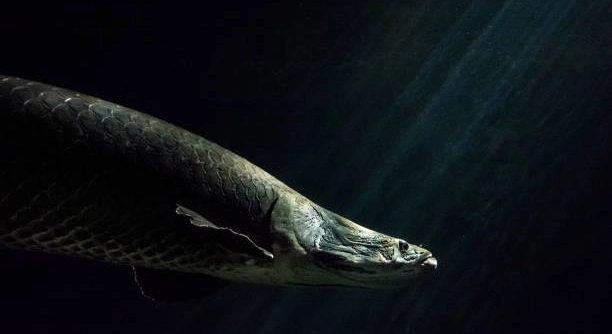
Are you planning to welcome a new arowana into your home aquarium but feel unsure about where to start? Preparing the tank properly is essential for the fish’s health and smooth adjustment to its new environment.
Properly preparing your tank for a new arowana involves thorough cleaning, ensuring stable water conditions, and setting up appropriate filtration and heating systems. These measures create a safe, stress-free environment that supports the fish’s well-being and long-term growth.
Getting your tank ready is more than just cleaning; it sets the foundation for a healthy and happy arowana. Paying attention to these details will make the transition much smoother.
Choose the Right Tank Size
Arowanas are large fish that need ample space to thrive. A tank that is too small can cause stress and stunted growth. For a young arowana, a minimum of 150 gallons is recommended, but larger tanks are always better. Consider the fish’s adult size, which can exceed two feet, and make sure the tank length allows for free swimming. Depth is also important, as arowanas enjoy moving through different water levels. Wide tanks help reduce aggression if you plan to keep multiple fish. Before introducing a new arowana, check that the tank has sturdy glass and a secure lid, as these fish are known for jumping. Arranging the tank with minimal sharp decorations reduces the risk of injury. Smooth rocks, driftwood, and open swimming space create a safe and comfortable environment. Planning ahead helps avoid frequent tank upgrades and ensures the fish grows healthily in its new habitat.
Selecting the correct tank size helps prevent stress and allows the arowana to move naturally, promoting better health and longer lifespan.
Proper tank size not only improves swimming space but also supports stable water quality. Smaller tanks are harder to maintain and more prone to sudden changes in temperature or pH. A larger tank gives you more room to manage water parameters effectively, reducing the risk of disease and stress. It also allows for better filtration, as systems work more efficiently in larger volumes of water. With extra space, the fish can exercise and display natural behaviors, leading to a more active and visible pet. Investing in a spacious tank from the beginning saves time, money, and effort in the long term. It also reduces the need for constant water changes, as larger tanks dilute waste more effectively. Choosing a tank that accommodates adult size ensures the arowana has a secure and comfortable environment, allowing it to thrive and develop fully. Observing your fish in a properly sized tank makes caring for it more enjoyable and less stressful.
Cycle the Tank Before Introducing the Fish
Cycling your tank is essential for creating a stable environment. Introducing an arowana into uncycled water can cause ammonia spikes that are harmful. A fully cycled tank has beneficial bacteria that break down toxins and keep water safe.
Cycling establishes a balanced ecosystem in the tank, allowing the arowana to adapt without stress or risk of disease caused by harmful nitrogen compounds.
The process of cycling can take several weeks but is crucial for fish health. Begin by adding a source of ammonia to feed bacteria, either through fish food or pure ammonia. Test water parameters regularly to track ammonia, nitrite, and nitrate levels. Beneficial bacteria will convert ammonia into nitrites and then nitrates, which are less harmful. Only when ammonia and nitrite levels drop to zero is the tank considered fully cycled. Proper filtration and temperature control support bacterial growth, speeding up the process. Cycling helps avoid sudden fluctuations in water chemistry that can shock a new arowana. Maintaining this balance before adding the fish ensures a safe and stable environment, promoting long-term health and reducing the risk of common aquarium problems.
Maintain Stable Water Conditions
Keeping water conditions stable is essential for arowanas. Regular testing of pH, temperature, and hardness prevents sudden changes that can stress the fish and make it more susceptible to illness.
Water temperature should stay between 75 and 82°F, and pH should be slightly acidic to neutral, around 6.5 to 7.5. Sudden fluctuations in these parameters can shock the fish and lead to health problems. Using a reliable heater and thermometer ensures consistent warmth, while regular partial water changes help maintain clean water and reduce harmful substances. Monitoring ammonia, nitrite, and nitrate levels keeps the tank safe, and adjusting as needed prevents toxic build-up. Avoid overfeeding, as leftover food can quickly affect water quality. Arowanas are sensitive, so careful attention to these factors creates a healthy and stress-free environment.
Filtration is critical for stable water conditions. A good filter removes waste, toxins, and debris, keeping the tank clean. Mechanical filters trap particles, while biological filters support beneficial bacteria. Combining these helps maintain a balanced ecosystem. Avoid overloading the filter, and clean it as recommended to prevent clogs.
Regular water testing and maintenance are the best ways to ensure stability. Use test kits to check key parameters weekly and keep records to track changes. Consistent water quality reduces disease risk and encourages healthy growth.
Decorate Carefully and Safely
Avoid sharp or rough decorations that can injure the arowana. Smooth surfaces and open swimming areas reduce stress and promote natural behavior.
Choosing decorations for an arowana tank requires thought. Driftwood, smooth rocks, and large plants work well, providing hiding spots and visual interest without posing a danger. Avoid glass ornaments, sharp edges, or anything the fish might knock over. Decorations should leave plenty of swimming space, as arowanas are active and need room to move freely. Positioning items strategically helps create separate zones while keeping the central area open for swimming. A natural-looking layout can also reduce aggression if multiple fish are present. Every addition should prioritize the fish’s safety and comfort while enhancing the tank’s appearance.
Using decorations also supports environmental enrichment. Plants and driftwood provide surfaces for bacteria growth, improving water quality. These elements can mimic arowanas’ natural habitat, encouraging exploration and reducing boredom. Open swimming space is essential, as cramped areas can lead to stress and physical damage. Even simple decorations like smooth rocks or a single large piece of driftwood create interest and make the tank feel less empty. Thoughtful arrangement helps the fish feel secure, allowing it to display natural behaviors. Regularly inspecting decorations ensures nothing becomes hazardous over time, maintaining a safe and comfortable environment.
Quarantine New Fish
Quarantining a new arowana before adding it to the main tank prevents the spread of disease. A separate tank allows observation for signs of illness and ensures the fish adapts safely.
A quarantine period of at least two weeks is recommended. Monitor the fish for unusual behavior, spots, or parasites. Treat any issues before introducing it to the main tank.
Prepare Proper Diet
Provide a balanced diet to strengthen the arowana’s immune system. Feed high-quality pellets, live or frozen foods, and occasional treats to meet nutritional needs.
Check Filtration Systems
Ensure your filtration system can handle the tank size and bioload. Proper filtration keeps water clean and supports healthy bacteria growth.
Light and Temperature Control
Maintain consistent lighting and temperature schedules. Arowanas benefit from stable environments that mimic natural day-night cycles and prevent stress.
FAQ
How long should I quarantine a new arowana?
A minimum of two weeks is recommended for quarantine. During this period, observe the fish for any signs of disease, parasites, or unusual behavior. Treat any issues before introducing it to the main tank to avoid spreading illness.
What is the ideal water temperature for arowanas?
Arowanas thrive in water temperatures between 75 and 82°F. Consistent warmth is important, so using a reliable heater and thermometer helps maintain a stable environment. Sudden changes in temperature can stress the fish and affect its immune system.
How often should I test the water?
Testing water at least once a week is ideal. Monitor pH, ammonia, nitrites, and nitrates. Keeping records helps track changes over time and ensures adjustments are made before problems arise. Consistency is key to maintaining a healthy tank.
What should I feed my arowana?
Feed a variety of foods, including high-quality pellets, live or frozen fish, shrimp, and occasional insects. A balanced diet supports growth, coloration, and overall health. Avoid overfeeding to prevent water quality issues and digestive problems.
How large should the tank be for an adult arowana?
Adult arowanas require a minimum of 150 gallons, but larger tanks are preferable. The tank should allow the fish to swim freely without feeling cramped. Depth and width are also important for proper exercise and reducing stress.
Can I keep multiple arowanas together?
Keeping more than one arowana can be challenging. They can be territorial and aggressive. If attempting it, ensure a very large tank, plenty of open space, and decorations to create separate territories. Monitor interactions closely to prevent injury.
How often should I perform water changes?
Partial water changes of 20-30% weekly are recommended. This removes waste, prevents toxic build-up, and maintains stable water parameters. Adjust the frequency if the tank is heavily stocked or water quality deteriorates faster.
What decorations are safe for arowanas?
Smooth rocks, driftwood, and large plants are safe. Avoid sharp or rough items that could injure the fish. Decorations should leave plenty of open swimming space and provide environmental enrichment without overcrowding the tank.
How do I prevent jumping?
Arowanas are strong jumpers. Always use a secure lid to prevent escapes and injuries. Avoid placing decorations near the surface that could encourage jumping. Ensuring a calm environment with minimal disturbances also reduces jumping behavior.
How long does it take for a new arowana to adjust to a tank?
Adjustment can take several days to a few weeks. Quarantine first, then acclimate the fish slowly to water temperature and chemistry. Watch for stress signs, such as hiding or refusing food, and adjust the environment if needed.
What is the best filtration for an arowana tank?
A combination of mechanical, biological, and chemical filtration works best. Mechanical filters remove debris, biological filters support beneficial bacteria, and chemical media help remove toxins. Ensure the system matches the tank size and bioload for optimal water quality.
How do I maintain pH stability?
Keep pH between 6.5 and 7.5. Use buffers if necessary and avoid adding substances that can cause sudden swings. Consistent water changes and monitoring help maintain stable conditions for arowanas.
How can I tell if my arowana is stressed?
Signs include loss of appetite, hiding, rapid gill movement, or erratic swimming. Address water quality, tank size, temperature, and diet if these behaviors appear. Stress can lead to illness if not corrected promptly.
Can arowanas live with other fish species?
It depends on the size and temperament of tank mates. Avoid small fish that can be eaten. Larger, peaceful fish that occupy different swimming zones may work, but monitor interactions carefully to prevent aggression or injury.
How important is lighting for arowanas?
Consistent lighting helps regulate their day-night cycle and reduces stress. Use moderate light, and avoid sudden changes or intense lighting that could frighten the fish. Timers can help maintain a stable schedule.
How do I prevent diseases in arowanas?
Quarantine new fish, maintain water quality, feed a balanced diet, and avoid overcrowding. Regular observation helps detect early signs of illness. Prompt treatment and preventive care reduce the risk of disease.
Can arowanas eat live feeders?
Yes, but only from trusted sources to avoid introducing diseases. Limit live feeders to occasional treats and continue providing a varied diet to ensure balanced nutrition.
What should I do if the water becomes cloudy?
Cloudy water often indicates excess waste or bacterial bloom. Perform partial water changes, clean the filter if needed, and check feeding levels. Monitoring water parameters prevents recurring issues and keeps the tank safe.
How fast do arowanas grow?
Arowanas grow quickly in the first year, sometimes reaching over a foot in length. Growth slows as they mature but requires proper diet, space, and water conditions to reach full adult size safely.
Is it necessary to cover the tank at night?
A secure cover prevents jumping and helps maintain temperature stability. It also provides a sense of security for the fish. Avoid gaps that could allow escape or let in sudden light or drafts.
How often should I clean the filter?
Clean filters as recommended by the manufacturer, usually every few weeks. Rinse mechanical media in tank water to preserve beneficial bacteria. Over-cleaning or using tap water can disrupt biological filtration and harm water stability.
What signs indicate the arowana is healthy?
Bright coloration, active swimming, clear eyes, and consistent appetite indicate good health. Regular monitoring and proper care help maintain these signs over time.
How do I acclimate a new arowana to the tank?
Float the bag in the tank for 20-30 minutes, gradually mix tank water into the bag, then release the fish gently. Slow acclimation reduces stress and helps the arowana adjust to water chemistry.
How important is oxygenation in the tank?
Arowanas require well-oxygenated water. Ensure proper water movement through filters or air pumps. Poor oxygen levels can stress the fish and lead to health problems, so monitor and adjust as needed.
Can arowanas tolerate tap water?
Tap water can be used if treated to remove chlorine and chloramines. Testing pH and hardness ensures it meets the fish’s needs. Using dechlorinators and conditioners is essential for safe introduction.
What should I do if my arowana refuses food?
Check water quality, temperature, and stress factors first. Offer different types of food, but avoid overfeeding. Persistent refusal may indicate illness, so observation and prompt action are necessary.
How often should I trim plants in the tank?
Trim plants as needed to maintain swimming space and prevent decay. Overgrown plants can trap debris and affect water quality. Regular maintenance supports a clean and safe environment.
Are arowanas sensitive to noise or vibrations?
Yes, arowanas can be startled by sudden movements, tapping, or loud sounds. Place the tank in a quiet area and handle maintenance gently to reduce stress.
What is the best water hardness for arowanas?
Arowanas prefer soft to moderately hard water. Avoid extreme hardness levels, as it can affect health and comfort. Test and adjust water parameters gradually for stability.
Can arowanas live in a planted tank?
Yes, planted tanks are suitable if plants are sturdy and spaced to allow swimming. Choose robust plants that won’t be uprooted easily and avoid delicate species that may be damaged.
How do I manage algae growth?
Control light exposure, avoid overfeeding, and maintain water quality. Manual removal and algae-eating species can help, but prevention through balanced care is most effective.
What equipment is essential for an arowana tank?
A heater, thermometer, reliable filter, lighting, secure lid, and water test kits are essential. These tools support stable conditions and reduce risks for the fish.
Can arowanas be trained or recognize their owner?
Arowanas can learn routines and may recognize feeding patterns or presence of a caretaker. Gentle, consistent interaction encourages comfort but never startles the fish.
How often should I replace filter media?
Replace chemical media as recommended and rinse mechanical media in tank water. Avoid replacing all media at once to preserve beneficial bacteria and maintain water stability.
What is the average lifespan of an arowana?
With proper care, arowanas can live 10-15 years, sometimes longer. Tank size, diet, water quality, and overall care directly impact their longevity.
How can I encourage natural behavior in my arowana?
Provide open swimming space, safe decorations, and varied feeding options. Observing natural movements and hunting instincts ensures the fish remains active and healthy.
What signs indicate overfeeding?
Uneaten food, cloudy water, and bloating are common signs. Reduce portions and monitor feeding schedules to maintain water quality and fish health.
Can I use aquarium salt for arowanas?
Salt can be used in small doses for stress or minor ailments, but avoid frequent or high concentrations. Always follow guidelines to prevent harm to the fish.
How do I prevent fin damage?
Avoid sharp decorations, overcrowding, and aggressive tank mates. Good water quality and stress reduction help maintain strong and healthy fins.
Are arowanas compatible with bottom-dwelling fish?
Yes, larger peaceful bottom-dwellers can coexist if the tank is spacious. Ensure the arowana does not see them as food and provide enough hiding spaces for all species.
How can I monitor growth effectively?
Measure the fish periodically and observe physical development. Tracking growth helps identify potential health issues and ensures proper diet and environment are maintained.
What should I do if the arowana becomes aggressive?
Identify triggers such as tank mates, reflections, or limited space. Adjust decorations, provide more space, or separate fish if needed. Monitoring behavior prevents injuries and stress.
Can arowanas live in cooler climates?
Yes, if water temperature is controlled. Use heaters and insulation to maintain a stable environment. Avoid placing the tank near drafts or cold windows.
How do I reduce stress during tank maintenance?
Perform water changes and cleaning gently, avoid sudden movements, and minimize noise. Keeping routines consistent helps the arowana feel secure during maintenance tasks.
What are common health problems in arowanas?
Fin rot, dropsy, parasites, and swim bladder issues are common. Proper care, water quality, and observation help prevent and address these conditions early.
Can arowanas recognize reflections in the glass?
Yes, reflections may trigger aggression or curiosity. Adjust tank placement or use background coverings to minimize stress caused by reflections.
How much space should I leave around decorations?
Leave ample open swimming space to prevent injury and allow natural movement. Decorations should enrich the environment without overcrowding the tank.
What is the best way to acclimate a wild-caught arowana?
Acclimate slowly using drip methods, monitor for stress and illness, and provide quarantine before introduction. Wild-caught fish require extra care due to adaptation to new water parameters.
Are arowanas sensitive to light changes?
Yes, abrupt changes can cause stress. Maintain consistent lighting schedules and use dimming or timers to simulate natural day-night cycles.
How can I encourage feeding in shy or stressed arowanas?
Offer small portions, live or moving food, and feed in quiet areas. Patience and consistency help the fish gain confidence and start eating regularly.
What is the ideal water turnover rate for the filter?
A turnover rate of at least 5-10 times the tank volume per hour is recommended. This ensures efficient filtration and maintains water quality for the arowana.
How do I know when my arowana is ready to breed?
Mature males and females develop physical traits and behavioral changes. Providing proper diet, space, and environmental conditions encourages breeding, though successful reproduction requires careful planning.
Can arowanas live in brackish water?
Some species tolerate slightly brackish water, but most prefer freshwater. Gradual adjustment and monitoring are necessary if attempting brackish conditions.
How do I prevent water stagnation?
Use proper filtration, maintain circulation, and perform regular water changes. Avoid overdecorating and ensure open swimming areas for water movement.
Are arowanas nocturnal or diurnal?
Arowanas are primarily diurnal, active during the day and resting at night. Mimicking natural light cycles supports their natural behavior and reduces stress.
How can I safely transport an arowana?
Use sturdy, oxygenated containers with minimal water movement. Secure the lid, keep the container stable, and avoid extreme temperatures during transport to minimize stress and injury.
Can arowanas recognize their reflection in the mirror?
Yes, mirrors can trigger territorial behavior. Limit exposure or cover the tank to prevent aggression caused by seeing their own reflection.
What is the best way to introduce a new arowana to an established tank?
Quarantine first, acclimate slowly, and observe interactions. Introduce during calm periods and provide hiding spots to reduce stress and aggression.
How can I prevent tail rot or fin injuries?
Maintain clean water, avoid sharp decorations, and monitor tank mates. Good diet and reduced stress also support strong fins and healthy tails.
Do arowanas require vitamins or supplements?
Occasional supplements can support growth and immune function, but a balanced diet typically meets nutritional needs. Use supplements sparingly and according to guidelines.
What are early signs of disease in arowanas?
Loss of appetite, discoloration, clamped fins, or unusual swimming indicate potential illness. Early detection and treatment prevent serious health issues.
Can arowanas live with turtles or other reptiles?
It is not recommended. Reptiles may harm the fish or introduce diseases. Separate habitats ensure safety for both species.
How much water should I change at once?
Partial changes of 20-30% weekly are ideal. Larger changes can shock the fish, while smaller or infrequent changes may not maintain water quality effectively.
How can I reduce aggression between multiple arowanas?
Provide a very large tank, visual barriers, and separate territories. Monitor behavior closely and intervene if attacks occur to prevent injury.
Is it necessary to provide hiding spots for arowanas?
Yes, hiding spots reduce stress, especially for shy or young fish. Even large, open-water species benefit from occasional shelter.
How do I treat parasite infestations?
Use appropriate medications, isolate affected fish, and maintain water quality. Early detection and treatment prevent serious health problems and tank-wide spread.
Can arowanas tolerate fluctuating water levels?
No, they require stable water parameters. Sudden drops or rises can cause stress, illness, or behavioral changes, so maintain consistency.
How do I prevent overpopulation in a tank?
Plan stocking carefully, consider adult size, and avoid introducing multiple fish at once. Space and tank size are critical to preventing aggression and overcrowding.
What is the recommended water flow for arowanas?
Moderate water flow is ideal. Too strong can stress the fish, while stagnant water reduces oxygen and waste removal. Adjust filter output to maintain balance.
How do I handle an aggressive arowana during feeding?
Feed one fish at a time or use separate feeding zones. Reduce competition by spacing food evenly and avoid crowding to minimize aggression.
Can arowanas adapt to new tank shapes?
Yes, but gradual introduction and sufficient swimming space are necessary. Avoid sudden drastic changes that could cause stress.
How do I maintain consistent water temperature?
Use a reliable heater, monitor with a thermometer, and avoid placing the tank near drafts or direct sunlight. Stability supports health and reduces stress.
Are arowanas compatible with goldfish?
No, goldfish are too small and may be eaten. Arowanas require similarly sized, peaceful tank mates if keeping other species.
How do I prevent ammonia spikes in a new tank?
Cycle the tank fully, avoid overfeeding, and monitor water parameters closely. Partial water changes and proper filtration prevent toxic build-up and protect fish health.
What is the best way to clean an arowana tank?
Perform partial water changes, gently vacuum substrate, rinse filter media in tank water, and remove debris. Avoid sudden or harsh cleaning methods that stress the fish.
How often should I check water parameters?
At least weekly, more frequently for new tanks or high bioloads. Regular monitoring ensures early detection of issues and maintains a healthy environment.
Can arowanas recognize feeding patterns?
Yes, they often anticipate feeding times and locations. Consistency helps reduce stress and encourages healthy eating habits.
How do I prevent fungal infections?
Maintain clean water, avoid injuries, quarantine new fish, and provide balanced nutrition. Early detection and treatment reduce severity.
Are arowanas sensitive to sudden light changes?
Yes, abrupt lighting can cause stress. Use timers and gradual changes to simulate natural day-night cycles and support healthy behavior.
How do I deal with aggressive behavior during mating?
Provide ample space, reduce disturbances, and separate fish if necessary. Observing carefully prevents injuries and stress during breeding.
Can arowanas live in tanks with low oxygen levels?
No, oxygen-rich water is necessary. Ensure proper aeration and water movement to maintain health and prevent stress-related issues.
What is the best way to acclimate a new arowana in winter?
Gradually match tank temperature to transport conditions, minimize stress, and maintain consistent warmth using heaters and insulation.
How do I reduce stress during water changes?
Perform changes slowly, avoid sudden movements, and keep lighting and temperature stable. Gentle handling ensures a calm environment.
Can arowanas tolerate slightly salty water?
Some species tolerate low salt concentrations, but freshwater conditions are preferred. Introduce gradually and monitor fish response carefully.
How do I identify swim bladder issues?
Signs include difficulty swimming, floating, or sinking. Check diet, water quality, and consult treatment options promptly.
How often should I feed juvenile arowanas?
Feed small portions multiple times daily to support rapid growth. Adjust as they mature to prevent overfeeding and maintain water quality.
Can arowanas recognize owners visually?
Yes, they can associate movement and feeding routines with caretakers, showing curiosity or following gestures.
How do I prevent tail biting?
Avoid overcrowding, aggressive tank mates, and stress. Maintain water quality and monitor behavior to intervene early if needed.
What is the safest way to introduce live food?
Use trusted sources, quarantine if needed, and avoid overfeeding. Combine with pellets or frozen foods for balanced nutrition.
How do I maintain tank stability during power outages?
Keep the tank covered, minimize feeding, and use battery-operated aerators if necessary. Avoid
Final Thoughts
Preparing your tank before introducing a new arowana is essential for the fish’s health and long-term well-being. Taking the time to set up the right tank size, water conditions, and filtration system ensures a safe and comfortable environment. Arowanas are large, active fish that need space to swim freely, stable water parameters, and a clean, well-maintained tank. Skipping any of these steps can cause stress, illness, or injury, making it harder for the fish to adjust. Planning ahead reduces these risks and makes caring for your arowana easier. Every aspect of preparation, from selecting smooth decorations to maintaining consistent temperature and pH, contributes to creating a balanced habitat where the fish can thrive.
Quarantining a new arowana is another important step that should not be overlooked. Using a separate tank for at least two weeks allows you to monitor the fish for signs of disease or parasites before introducing it to the main aquarium. This process protects not only the new arowana but also any existing fish in the tank. While it may feel like an extra effort, quarantine is a simple way to prevent problems that could be much harder to address later. During this time, observing feeding behavior, swimming patterns, and overall health gives insight into how the fish is adjusting to its new environment. A healthy, stress-free fish is more likely to adapt smoothly and grow properly once introduced to the main tank.
Maintaining the tank after the arowana has been introduced is just as important as the initial preparation. Regular water changes, testing for ammonia, nitrite, nitrate, and pH, and cleaning the filter help keep water conditions stable. Providing a balanced diet, safe decorations, and proper lighting also supports the fish’s overall health. Paying attention to behavioral cues such as hiding, loss of appetite, or unusual swimming can help detect problems early. Taking small, consistent steps to care for your arowana creates an environment where it can live a long, healthy life. By focusing on proper preparation, careful observation, and ongoing maintenance, you are giving your arowana the best chance to thrive and grow in its new home.

Hello,
If you enjoy the content that we create, please consider saying a "Thank You!" by leaving a tip.
Every little bit helps us continue crafting quality advice that supports the health, happiness, and well-being of pets around the world, for pets of all shapes, sizes, and species.
We really appreciate the kindness and support that you show us!