
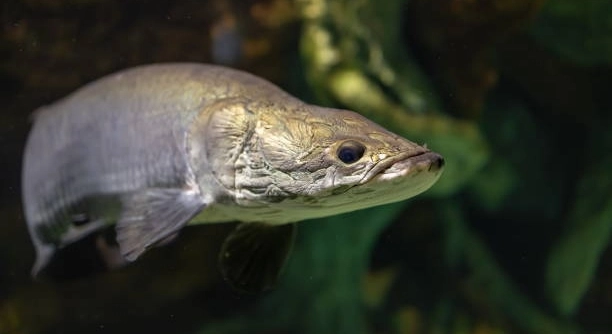
Many people enjoy keeping arowanas as they are striking and elegant fish. Caring for them can be rewarding, but mistakes in their environment or routine can quietly affect their health and mood.
Arowanas often become unhappy due to poor water quality, insufficient tank space, improper diet, lack of stimulation, and stress from aggressive tank mates. Addressing these factors is essential to maintain their physical well-being and behavioral health.
Learning about these common mistakes helps ensure your arowana lives a comfortable and healthy life, avoiding preventable issues that may affect its growth and behavior.
Overcrowding the Tank
Arowanas need plenty of space to swim freely. When the tank is too small or has too many fish, it can cause stress and aggression. Restricted movement affects their growth and can lead to injury. Overcrowding also makes it harder to maintain clean water, as waste builds up faster. Fish may start hiding or refusing to eat. Young arowanas grow quickly, so a tank that seemed fine initially can become cramped within months. Choosing the right tank size is crucial; larger tanks allow for natural behavior and reduce stress. Decorations and hiding spots are important, but they should not take away swimming space. Monitoring your fish daily helps spot early signs of stress, like lethargy or unusual swimming patterns. By giving arowanas enough room, you help them stay active, healthy, and display their full beauty.
Providing ample space ensures arowanas can move freely, reducing stress, promoting growth, and maintaining overall health and well-being in their habitat.
Understanding the importance of tank size prevents behavioral issues, ensures proper exercise, and keeps your arowana happier and more comfortable long-term.
Poor Water Quality
Dirty or poorly maintained water harms arowanas quickly. They are sensitive to ammonia, nitrite, and nitrate levels. Regular water changes are essential to prevent toxins from building up. Filters should be strong enough to handle the tank’s volume. Monitoring pH, temperature, and hardness keeps water stable. Sudden changes can shock the fish, causing illness or death. Even small mistakes, like skipping a weekly water change, affect long-term health. Testing kits help track water quality easily, ensuring it remains safe. Algae growth can indicate excess nutrients, signaling the need for cleaning. Aeration is also important, as arowanas need oxygen-rich water. Paying attention to water clarity, smell, and overall cleanliness supports their immune system. A well-maintained tank reduces stress, boosts appetite, and encourages natural behavior.
Poor water maintenance often leads to disease, slow growth, and decreased activity.
Regular testing, consistent water changes, and efficient filtration prevent toxins from accumulating, keeping your arowana healthy. Clean water encourages natural swimming patterns, feeding habits, and reduces the risk of infections. Establishing a schedule makes it easier to maintain ideal conditions. Even small tanks require proper care to keep levels safe. Using a combination of chemical, biological, and mechanical filtration supports water stability. Observing your fish daily can highlight early signs of distress from water issues. Taking these steps ensures your arowana remains energetic, vibrant, and long-lived. Maintaining water quality is not just about appearance; it directly affects their health, mood, and life expectancy. Proper care now prevents costly medical problems later and helps your fish thrive naturally.
Improper Diet
Arowanas need a balanced diet with protein, vitamins, and minerals. Feeding only one type of food can lead to nutrient deficiencies and poor growth. Variety is important to keep them healthy and active.
Feeding arowanas live, frozen, or pellet foods ensures they get essential nutrients. Overfeeding can cause obesity and water pollution, while underfeeding slows growth and weakens immunity. Including insects, shrimp, and occasional small fish provides protein, while supplements support overall health. Avoid feeding food that floats for too long, as spoiled portions affect water quality. Monitoring your fish during feeding helps you understand appetite and detect early health issues. Consistent meal schedules maintain proper digestion and prevent stress.
Poor diet directly affects energy, color, and longevity. A balanced approach with variety, portion control, and nutrient-rich foods keeps arowanas strong and vibrant. Observing their eating habits allows timely adjustments to avoid deficiencies. Feeding the right foods consistently encourages natural hunting behaviors, supports growth, and strengthens their immune system, reducing the likelihood of disease.
Stress from Tank Mates
Arowanas often become stressed when housed with aggressive or incompatible fish. Constant chasing or fighting can harm both physical and mental health, reducing appetite and activity.
Introducing compatible tank mates is essential. Avoid smaller fish that may be seen as prey and large aggressive species that can dominate. Observation after adding new fish helps identify issues early. Stress leads to hiding, rapid breathing, and weakened immunity, increasing the risk of illness. Proper tank layout with hiding spaces and visual barriers reduces conflict. Some arowanas prefer being alone, while others tolerate company with careful planning.
Choosing the right tank mates requires research and monitoring. Aggression management and compatible species selection maintain harmony. Stress prevention ensures your arowana eats well, swims naturally, and stays healthy. By arranging the tank thoughtfully and avoiding dangerous pairings, you reduce injuries and improve overall well-being. Consistent observation helps adjust the environment before serious conflicts occur, keeping all fish calm and active.
Lack of Stimulation
Arowanas need mental and physical activity to stay healthy. A bare tank or limited space can make them bored and inactive.
Providing decorations, floating objects, or occasional feeding challenges encourages natural hunting behavior. Interaction with the environment keeps them engaged and reduces stress.
Inconsistent Temperature
Sudden changes in water temperature can shock arowanas, weakening their immune system and causing illness. Maintaining a stable temperature is crucial. Fluctuations make them lethargic and affect digestion, leading to poor growth.
Using a reliable heater, thermometer, and regular checks helps keep water within a safe range. Small adjustments should be gradual to prevent stress. Arowanas thrive in stable conditions, showing more energy, brighter color, and better overall health. Proper temperature control supports metabolism, immunity, and activity, reducing the risk of disease. Monitoring daily ensures the environment remains consistent and safe.
Ignoring Signs of Illness
Early symptoms like clamped fins, loss of appetite, or unusual swimming should never be overlooked. Prompt attention prevents serious health issues.
FAQ
How often should I change my arowana’s water?
Water changes are essential for keeping your arowana healthy. A general guideline is 20–30% of the tank water weekly. This removes waste, uneaten food, and toxins like ammonia and nitrites. In larger tanks or heavily stocked tanks, you may need to adjust the schedule. Using a siphon to clean the substrate during changes helps remove debris. Always treat tap water with a dechlorinator before adding it back to the tank. Consistent water maintenance keeps your fish active, reduces disease risk, and maintains clear water. Monitoring water parameters with test kits ensures you are not missing harmful chemical buildups.
What should I feed my arowana?
Arowanas thrive on a mix of live, frozen, and prepared foods. Protein sources like shrimp, small fish, insects, and pellets form the core of their diet. Avoid overfeeding, which can pollute the tank and lead to obesity. Supplementing with vitamins or specially formulated feeds helps prevent deficiencies. Rotate foods regularly to provide variety and stimulate natural hunting instincts. Observe how your arowana eats—if it refuses food or leaves parts uneaten, adjust portions. Feeding once or twice a day is usually sufficient for adults, while younger fish may require more frequent meals.
How big should my arowana tank be?
Arowanas need plenty of swimming space. Adult arowanas can reach over two feet, so a minimum of 250–300 gallons is recommended for a single adult. The tank should be long and wide, not just tall, to allow natural swimming patterns. Avoid overcrowding with other large fish. Young arowanas can start in smaller tanks but will need upgrades quickly as they grow. Providing open areas and hiding spaces balances activity and security. Tank size impacts stress levels, growth, and overall health, so investing in an adequately sized tank is critical.
What tank mates are safe for arowanas?
Choose tank mates carefully to prevent stress or aggression. Avoid small fish that may be eaten and very aggressive species that could harm the arowana. Medium-to-large, peaceful fish like certain catfish, silver dollars, or large cichlids often work well. Introduce new fish gradually and monitor behavior for signs of stress. Some arowanas prefer solitude, so consider the individual fish’s temperament. Providing hiding spots and enough space reduces conflicts. Tank compatibility affects feeding, activity, and overall health, so research species carefully before adding them.
How can I tell if my arowana is stressed or unhappy?
Signs of stress include clamped fins, reduced appetite, rapid breathing, hiding, or erratic swimming. Constant aggression from tank mates or poor water conditions can also cause stress. Regular observation helps detect issues early. Adjusting water quality, tank layout, diet, or tank mates can improve mood. Stress affects immune function, growth, and coloration, so prompt action is essential. Tracking daily behavior allows you to catch changes before serious problems develop, ensuring your arowana remains healthy and active.
Why is my arowana refusing to eat?
Refusal to eat often signals stress, illness, or poor water quality. Check temperature, pH, ammonia, nitrite, and nitrate levels first. Sudden changes in the tank or aggressive neighbors can also suppress appetite. Try offering a variety of foods, including live or frozen options, to stimulate interest. Observe for signs of disease like bloating, lesions, or clamped fins. If appetite doesn’t return within a day or two, consult a vet or experienced aquarist. Maintaining stable conditions and a consistent feeding schedule encourages regular eating habits.
How can I maintain the best water quality long-term?
Use a combination of filtration, regular water changes, and substrate cleaning. Mechanical, chemical, and biological filtration work together to remove waste, toxins, and debris. Monitor pH, hardness, and temperature consistently. Avoid overfeeding, which can degrade water quality quickly. Testing kits help track ammonia, nitrite, and nitrate levels. Aeration and circulation improve oxygen levels, supporting metabolism and activity. Establish a cleaning and maintenance schedule to prevent sudden water issues. Long-term care ensures your arowana remains healthy, active, and shows vibrant color over time.
What common illnesses affect arowanas and how can I prevent them?
Arowanas are prone to bacterial infections, parasites, and fungal issues, often caused by poor water quality or stress. Prevent problems by keeping water clean, feeding a balanced diet, and avoiding overcrowding. Quarantine new fish to prevent disease introduction. Watch for symptoms like white spots, frayed fins, or lethargy. Early detection allows for quicker treatment. Maintaining stable conditions, proper nutrition, and observing behavior reduces the risk of illness. Prevention is far easier than treatment and supports longevity.
How do I handle aggressive behavior in arowanas?
Aggression often arises from stress, cramped space, or incompatible tank mates. Rearranging decorations, providing hiding spots, or separating aggressive individuals can reduce conflict. Avoid sudden additions to the tank and maintain open swimming space. Observation is key; intervene early if attacks occur. Aggression impacts growth, health, and feeding habits. Creating a balanced environment with compatible companions minimizes stress and maintains harmony in the tank.
Can arowanas live alone, or do they need companions?
Arowanas can live alone and often thrive in solitary conditions. While some tolerate compatible companions, many are territorial and prefer being alone. Individual personality matters; some may tolerate peaceful species, while others show constant aggression. Prioritizing tank size, enrichment, and water quality ensures a solitary arowana remains healthy and active. Observing behavior helps decide whether adding companions is suitable or risky.
Caring for an arowana requires attention, patience, and consistency. These fish are striking and energetic, but their well-being depends heavily on their environment and daily care. Proper tank size, clean water, and a balanced diet are the foundation of healthy arowanas. Overcrowding or poor water quality quickly leads to stress, disease, and slow growth. Many new owners underestimate how much space and filtration these fish need, and correcting mistakes later can be difficult. Observing your arowana daily helps you notice changes in behavior, appetite, or appearance, which are often the first signs of problems. Simple adjustments, like increasing tank space, cleaning the water, or adjusting diet, can make a significant difference in their health and happiness. By keeping a routine and staying consistent, you provide an environment where your arowana can thrive naturally.
Stress is one of the main challenges arowanas face in captivity. They are sensitive to aggressive tank mates, sudden changes in water conditions, or even lack of stimulation. Stress affects immune function and can make them more prone to illness or lethargy. Providing enrichment, such as decorations, floating objects, or feeding challenges, encourages natural behaviors and keeps them active. Temperature and water chemistry should remain stable, as sudden fluctuations can weaken them quickly. It is also important to monitor interactions with other fish, as arowanas can become territorial or aggressive if conditions are crowded. Planning the tank carefully and choosing suitable companions ensures a balanced environment. Even small changes in routine or water quality can have noticeable effects, so vigilance is key. When stress is minimized, arowanas display better appetite, brighter colors, and more natural swimming patterns.
Ultimately, successful arowana care comes down to understanding their needs and maintaining consistency in their environment. A proper diet, clean and well-filtered water, and sufficient space all contribute to growth and overall well-being. Observing their behavior daily provides insight into health and comfort, allowing quick adjustments before problems escalate. Preventing mistakes, like overfeeding, overcrowding, or ignoring water conditions, saves stress and potential medical issues later. While arowanas require commitment, the rewards are clear: a healthy, active, and visually stunning fish. Following these simple, consistent practices ensures your arowana has a long and happy life, demonstrating the care and attention that such an elegant species deserves.

Hello,
If you enjoy the content that we create, please consider saying a "Thank You!" by leaving a tip.
Every little bit helps us continue crafting quality advice that supports the health, happiness, and well-being of pets around the world, for pets of all shapes, sizes, and species.
We really appreciate the kindness and support that you show us!