
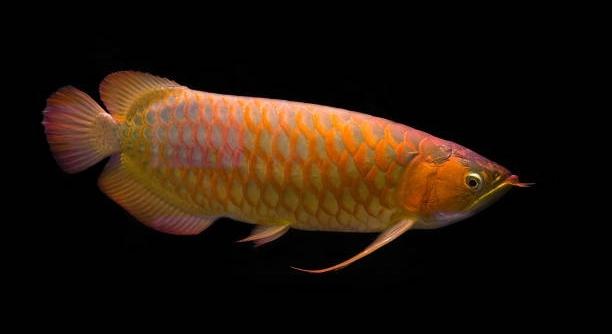
Is your arowana no longer showing signs of growth despite proper care? Many fish enthusiasts face this challenge after months of careful feeding and maintaining water conditions, leaving them unsure about the next steps in their aquarium journey.
Arowana growth can stall due to several factors, including inadequate nutrition, insufficient tank space, poor water quality, or stress from environmental changes. Addressing these conditions systematically can help restore healthy growth and overall well-being for your fish.
Understanding these elements can improve your arowana’s health and development, ensuring that your aquarium remains a thriving and vibrant environment for years to come.
Common Reasons for Stalled Growth
Many arowanas stop growing due to a combination of environmental and care-related factors. One of the most frequent issues is improper nutrition. Feeding your fish an unbalanced diet lacking in protein or essential vitamins can prevent it from reaching its full potential. Overfeeding or underfeeding can also affect growth rates. Another factor is tank size. Arowanas are large, active fish that require ample swimming space. Small tanks can stunt their growth and stress the fish. Water quality plays a crucial role as well. High ammonia or nitrate levels, fluctuating pH, or inconsistent temperatures can disrupt their metabolism and slow development. Stress from sudden changes in environment, such as moving the tank or introducing new tank mates, can also have a negative impact. Regular monitoring and adjustments can help your arowana thrive and grow consistently in a healthy environment.
Maintaining proper tank conditions and a balanced diet is essential for consistent arowana growth.
By addressing these factors, you create a supportive environment for your fish. Regular feeding schedules, consistent water quality checks, and ample swimming space allow your arowana to develop naturally. Observing your fish’s behavior helps identify issues early, while small adjustments in diet and environment can make a significant difference. Providing a variety of high-quality foods, including pellets, live, and frozen options, ensures all nutritional needs are met. Keeping the tank clean, with frequent partial water changes and monitoring pH, temperature, and ammonia levels, minimizes stress and promotes healthy growth. Over time, these consistent practices help prevent stunted growth and maintain a vibrant, active arowana.
Nutrition and Feeding Practices
Proper nutrition is the foundation of healthy growth for arowanas. Even small imbalances can slow development.
A balanced feeding regimen includes a mix of protein-rich pellets, live foods like insects or small fish, and occasional frozen options. Overfeeding can lead to obesity, digestive issues, and poor water quality, while underfeeding deprives the fish of essential nutrients. Feeding smaller amounts multiple times a day instead of one large portion encourages proper digestion and steady growth. Rotating food types also ensures your arowana receives all necessary vitamins and minerals. Monitoring your fish’s response to different foods helps adjust portions and diet composition. Consistency in feeding routines minimizes stress and keeps your fish active and healthy. Tracking growth over time allows you to spot slowdowns and make timely changes. By prioritizing nutrition and careful feeding practices, you can support long-term development and maintain arowana vitality, while reducing the risk of stunted growth or health problems.
Tank Size and Environment
Arowanas need large tanks to move freely. Limited space restricts growth and increases stress levels, which can slow development over time. Proper environment supports both physical health and natural behavior.
Providing a spacious tank allows your arowana to swim without restriction. Tanks under 250 gallons can stunt adult arowanas, especially as they grow past one foot. Open swimming space reduces stress and prevents aggressive behavior. Decorations and hiding spots should not overcrowd the tank, ensuring water circulation and clean swimming areas. Arowanas thrive in stable environments with controlled temperature, pH, and clean water. Regular water changes and careful monitoring of these conditions directly affect growth rates and overall health, making tank management essential.
Lighting, temperature, and water flow also influence growth. A consistent day-night cycle and moderate lighting support healthy metabolism. Avoid sudden temperature shifts, as fluctuations can stress the fish and weaken the immune system. Proper filtration maintains oxygen levels and removes toxins efficiently. Maintaining a balance between open swimming areas and adequate shelter reduces aggression and promotes active movement. This combination encourages natural behavior while preventing stress-related stunting. Consistency in environmental conditions ensures that the arowana can grow steadily and reach its full potential, maintaining vitality and a healthy, vibrant appearance.
Stress and Social Factors
Stress from tank mates or handling can impede growth and compromise health. Aggressive or incompatible fish increase anxiety and hinder proper feeding.
Arowanas are territorial and can become stressed if confined with other large, aggressive species. Frequent handling or sudden changes in tank layout can exacerbate anxiety, leading to reduced appetite and slower growth. Stress affects metabolic functions, making it harder for the fish to process nutrients efficiently. Observing interactions and isolating aggressive individuals can help reduce tension. Environmental enrichment, such as safe hiding spots and minimal disturbances, supports calm behavior. Consistent feeding routines further reduce stress and encourage natural growth patterns.
Social dynamics also affect activity levels. Arowanas kept with compatible tank mates display natural swimming and hunting behaviors, which stimulate growth. Overcrowding or constant threats can lead to lethargy, poor appetite, and increased vulnerability to disease. Providing adequate space, consistent routines, and careful selection of tank mates allows the fish to develop normally. Even minor environmental stressors, like sudden noises or vibrations, can trigger defensive responses and elevate cortisol levels, slowing growth over time. By minimizing stress and promoting a calm, stable environment, you create conditions where your arowana can thrive physically and mentally, supporting healthy, continuous development.
Water Quality
Maintaining clean, stable water is essential for arowana growth. High ammonia or nitrate levels, fluctuating pH, and inconsistent temperatures can stunt development and increase susceptibility to disease. Regular testing helps keep conditions ideal.
Frequent partial water changes and proper filtration ensure a healthy environment. Oxygen levels must remain stable, and water temperature should be consistent to support metabolism. Monitoring these factors reduces stress and promotes steady growth, keeping your arowana active and thriving in the tank.
Disease and Health Issues
Illness can slow or halt arowana growth. Parasites, bacterial infections, and internal issues affect nutrient absorption and energy, preventing natural development. Identifying symptoms early, such as changes in appetite or appearance, is crucial for intervention and recovery.
Growth Rate Expectations
Arowanas grow at varying speeds depending on genetics, diet, and environment. Comparing to others without context can be misleading. Patience is necessary when monitoring growth milestones.
Monitoring and Adjustment
Consistent observation of your arowana’s behavior and physical condition is key. Adjustments in feeding, water quality, and tank setup support healthy growth and prevent long-term stunting.
FAQ
Why is my arowana not eating enough?
Arowanas may reduce their appetite due to stress, poor water quality, or illness. Sudden changes in environment, aggressive tank mates, or inconsistent feeding schedules can make them hesitant to eat. Ensuring stable water parameters, a quiet tank, and a consistent feeding routine encourages regular consumption. Offering a variety of high-quality foods like pellets, live insects, or frozen options can stimulate appetite. Gradually introducing new foods while observing the fish’s response helps identify preferences and dietary needs, supporting healthy growth and overall wellbeing.
Can tank size really affect growth?
Yes, tank size directly influences growth. Arowanas need large, open swimming areas to move freely and maintain proper muscle development. Crowded tanks limit movement, increase stress, and can stunt growth. Providing a tank that allows the fish to reach its adult size prevents physical restrictions and supports normal development. Proper filtration, minimal decorations in swimming paths, and consistent environmental conditions complement adequate space, allowing your arowana to thrive without unnecessary stress or slowed growth.
How often should I feed my arowana?
Feeding should be done 2–3 times per day for juveniles and once or twice for adults. Overfeeding can cause digestive issues and water quality problems, while underfeeding slows growth. Smaller, frequent meals improve digestion and nutrient absorption. Rotating food types ensures balanced nutrition and keeps the fish active and healthy. Monitoring portions according to the fish’s size and activity level prevents overfeeding, reducing the risk of obesity and related health issues. Maintaining a steady schedule encourages natural feeding behavior.
Can water temperature impact growth?
Yes, temperature affects metabolism and growth. Arowanas thrive in water between 75–82°F (24–28°C). Sudden fluctuations or consistently low temperatures can slow metabolism, reduce appetite, and hinder nutrient absorption. Using a reliable heater, thermometer, and monitoring daily ensures stable conditions. Stable temperature reduces stress, prevents disease, and supports steady development.
What signs indicate stress in my arowana?
Stress can manifest as reduced appetite, hiding, erratic swimming, or color fading. Stress from aggressive tank mates, improper water conditions, or frequent handling can impact growth and health. Observing behavior and adjusting the environment, diet, or tank setup helps reduce stress. Providing sufficient space, hiding spots, and consistent routines promotes calm behavior, better feeding, and healthy growth.
How do I know if my arowana is stunted?
Stunting occurs when growth is consistently below expected size for age. Factors include small tank size, poor diet, stress, or disease. Comparing growth to standard charts or similar-aged arowanas helps identify concerns. Addressing water quality, nutrition, and environment can correct or slow stunting. Monitoring progress after adjustments indicates recovery or persistent issues.
Is genetics a factor in slow growth?
Genetics influence maximum size and growth rate. Some arowanas naturally grow slower or smaller due to hereditary traits. Even with optimal care, genetics can limit growth potential. Understanding this helps set realistic expectations and focus on maintaining health rather than achieving extreme size.
Can introducing new tank mates affect growth?
Yes, aggressive or territorial species can stress your arowana, leading to poor feeding and slower growth. Observing interactions and separating incompatible fish ensures a calm environment. Minimizing disturbances and providing space for each fish reduces aggression and supports consistent development.
Do supplements or vitamins help growth?
High-quality supplements can aid in growth if the diet is insufficient. Vitamins, minerals, and protein supplements improve metabolism, immune function, and overall health. Over-supplementing is unnecessary and may harm water quality. Balanced, natural diets remain the most effective way to support growth.
How long should I expect before seeing growth improvement?
Once conditions improve, noticeable growth may take weeks to months. Consistency in diet, water quality, tank space, and stress reduction gradually restores healthy growth. Regular monitoring and adjustments ensure steady progress, while patience and realistic expectations are essential.
Can illness permanently affect growth?
Severe or prolonged illness can lead to permanent stunting if it disrupts development during critical growth periods. Early detection, proper treatment, and supportive care increase chances of recovery. Maintaining optimal conditions prevents future health setbacks.
Is overfeeding harmful?
Overfeeding can cause digestive issues, water pollution, obesity, and slow growth due to stress on metabolism. Controlled portions, regular feeding times, and monitoring appetite prevent these problems and support healthy development.
What is the role of water changes in growth?
Regular water changes remove toxins, stabilize pH, and maintain oxygen levels. Clean water reduces stress, prevents disease, and ensures the fish can grow without environmental limitations. Neglecting water changes often leads to slower growth and health issues.
Can lighting affect growth?
Proper lighting supports natural behavior and circadian rhythm. Consistent day-night cycles promote activity and feeding. Excessive or inadequate lighting can cause stress or inactivity, indirectly affecting growth. Moderate, consistent lighting complements other environmental factors for healthy development.
How do I balance tank aesthetics with growth needs?
Decorations and plants should provide shelter without overcrowding swimming space. Overcrowded tanks limit movement, while empty tanks may stress territorial fish. Prioritizing open swimming areas with minimal decorations ensures healthy growth. Strategic placement of safe hiding spots supports natural behavior without restricting activity.
How often should I check water parameters?
Testing pH, ammonia, nitrite, nitrate, and temperature weekly is essential. Frequent monitoring detects imbalances early, allowing timely correction. Maintaining consistent water conditions directly influences appetite, metabolism, stress levels, and overall growth. Consistent attention to these factors keeps the arowana healthy and developing steadily.
What if my arowana refuses certain foods?
Introduce a variety of foods gradually, mixing familiar options with new ones. Observing preferences allows adjustments to ensure balanced nutrition. Forcing foods can increase stress. Patience and small changes help the fish accept new items while maintaining dietary needs.
Can tank location affect growth?
Yes, tanks in high-traffic or noisy areas can stress fish. Vibrations, lights, or frequent disturbances reduce activity and appetite. Placing the tank in a stable, quiet environment promotes calm behavior, proper feeding, and steady growth.
Are juvenile and adult growth requirements different?
Juveniles need higher protein diets and more frequent feedings to support rapid growth. Adults require less frequent feeding and moderate protein levels to maintain health and size. Adjusting diet and feeding routines according to life stage supports optimal development throughout life.
How long does it take for a tank setup to influence growth?
A properly prepared tank affects growth immediately by reducing stress and improving water quality. Over time, consistent care ensures long-term development. Changes in tank size, filtration, or environment can produce visible improvements within weeks if applied carefully.
Is it normal for growth to slow with age?
Yes, arowanas grow rapidly when young, then gradually slow as they approach full size. Slowing does not indicate a problem if appetite, activity, and health remain normal. Maintaining consistent care ensures they reach maximum potential naturally.
How can I prevent stunted growth in the future?
Providing a spacious tank, balanced diet, stable water conditions, minimal stress, and consistent monitoring prevents growth issues. Early attention to health, environment, and nutrition ensures your arowana develops steadily and remains vibrant throughout life.
Final Thoughts
Watching an arowana stop growing can be concerning, especially after investing time and care into its well-being. Growth is influenced by multiple factors, including diet, tank size, water quality, stress, and overall health. It is common for fish to experience periods of slower development, and recognizing the underlying reasons is key to helping them reach their full potential. Arowanas are sensitive creatures, and small changes in their environment can significantly affect growth rates. Regular observation and adjustments to feeding, tank setup, and water maintenance allow you to identify problems early. Addressing these issues systematically ensures the fish receives the support needed for consistent growth. While it may require patience, careful attention to these details promotes a stable environment, reduces stress, and encourages natural development over time.
Proper nutrition is one of the most important factors in supporting arowana growth. A diet rich in protein, vitamins, and minerals helps maintain energy levels and supports overall health. Feeding should be consistent, with appropriate portion sizes to prevent overfeeding or underfeeding. Offering a variety of high-quality foods, such as pellets, live foods, and frozen options, ensures that all nutritional needs are met. Monitoring the fish’s response to different foods allows adjustments to diet and portioning. Additionally, maintaining clean water and a well-filtered tank supports digestion and nutrient absorption, as poor water conditions can reduce appetite and slow growth. By focusing on nutrition and water quality, you create the foundation for steady development and long-term health. Small changes, such as adjusting feeding times or introducing new food types gradually, can make a noticeable difference in the fish’s activity and overall vitality.
Environmental factors, including tank size, water quality, and stress levels, are equally critical for growth. Arowanas require spacious tanks to move freely and maintain muscle development. Overcrowded or inadequately filtered tanks increase stress and stunt growth. Regular water testing, temperature monitoring, and partial water changes maintain a stable environment. Stress from aggressive tank mates, sudden changes, or frequent handling can reduce appetite and slow development. Providing sufficient swimming space, safe hiding spots, and a calm, consistent environment allows the fish to feel secure and thrive. Observing behavior, appetite, and physical condition over time helps track progress and identify areas for improvement. Growth may not be immediate, but consistent care and attention to all aspects of nutrition, health, and environment ensure that your arowana develops steadily and remains healthy, active, and vibrant throughout its life.

Hello,
If you enjoy the content that we create, please consider saying a "Thank You!" by leaving a tip.
Every little bit helps us continue crafting quality advice that supports the health, happiness, and well-being of pets around the world, for pets of all shapes, sizes, and species.
We really appreciate the kindness and support that you show us!