
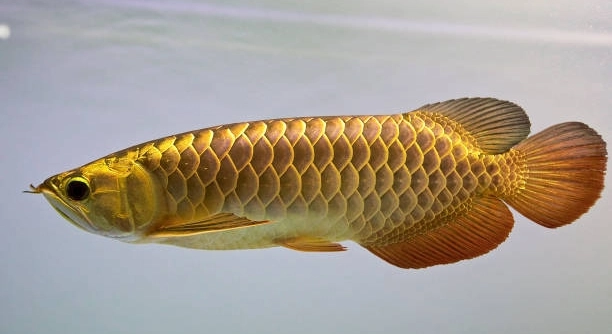
Are you looking to strengthen the bond with your Arowana and make feeding time more rewarding? Developing trust with these majestic fish can enhance both their behavior and your overall care experience. Building a routine encourages comfort and confidence.
Consistent feeding habits are crucial in establishing trust with Arowana. Providing meals at regular times, offering appropriate and varied food, and interacting calmly during feeding sessions helps the fish associate the owner with positive experiences, reinforcing predictable and secure behavior.
Implementing these feeding strategies can transform your interactions, making your Arowana more responsive and comfortable in its environment. Proper care builds a relationship grounded in mutual trust.
Establish a Consistent Feeding Schedule
Creating a consistent feeding schedule for your Arowana is essential for building trust. Feeding at the same time every day helps the fish anticipate your presence and associate it with positive experiences. Sudden changes in timing or erratic feeding can cause stress and make your Arowana more skittish. A structured routine also makes it easier to monitor health, as appetite changes can signal illness or discomfort. Start with one or two feedings per day, and adjust based on the fish’s response. Observing how your Arowana reacts to different times can help you identify the optimal schedule. Consistency extends to the method of feeding as well. Using tongs or a feeding stick can help the fish become familiar with your hand movements, reducing fear over time. Over time, this routine encourages your Arowana to approach during feeding rather than retreat, which is a clear sign of growing trust and comfort.
Maintaining regular feeding intervals helps your Arowana feel secure and strengthens their responsiveness to your care over time.
A consistent schedule builds reliability and predictability, essential elements in establishing trust. Fish are creatures of habit, and they quickly recognize patterns in their environment. When feeding is predictable, your Arowana learns that your presence signals nourishment rather than threat. Using the same location and method for each feeding reinforces this association. Gradually, your fish will begin to swim toward you when feeding time approaches, demonstrating comfort and recognition. Observing their response daily allows you to fine-tune the routine for better engagement. Patience is key, as building trust is gradual. Even minor inconsistencies can slow progress, so maintaining commitment is vital. Over weeks, the fish will become calmer and more interactive, reflecting a stronger bond. This behavior also improves overall health, as a less stressed Arowana is more likely to eat consistently and thrive. A predictable feeding schedule forms the foundation for deeper interaction and understanding with your Arowana.
Offer Appropriate and Varied Food
Feeding only one type of food can lead to boredom and nutritional gaps for Arowana.
Variety in diet supports both health and trust development. Including live, frozen, and pellet options ensures your fish receives balanced nutrition while staying interested in feeding. Live foods like insects or small fish stimulate natural hunting behaviors, encouraging activity and engagement. Frozen or prepared foods add consistency and convenience without sacrificing nutrients. Rotating different types of food each week keeps the experience novel, reducing stress and preventing hesitation during feeding. Ensuring the food is suitable for your Arowana’s size is also crucial, as inappropriate portions can cause frustration or injury. Hand-feeding occasionally with tongs allows the fish to associate your presence with positive experiences, reinforcing trust. Watching your Arowana explore different foods and respond to gentle interaction can create a stronger connection, making feeding a meaningful part of your care routine. Over time, this approach enhances both their health and their willingness to engage with you.
Varied, balanced feeding promotes long-term health and positive interaction. Consistently introducing new food types strengthens recognition and trust with your Arowana.
Offering a varied diet is not just about nutrition but also about building a positive association with feeding time. When your Arowana receives different types of food, they remain alert and curious, which makes interactions more engaging. Rotating between live, frozen, and pellet options ensures essential nutrients are included, supporting growth, immunity, and energy levels. Live food encourages natural hunting instincts, making the fish more active and responsive. Frozen and pellet foods provide reliable, easy-to-manage alternatives, particularly when live options are unavailable. Using feeding tools such as tongs encourages your fish to link your presence with safe, rewarding meals. Over weeks, the Arowana begins to approach more readily, showing decreased fear and increased trust. Observing their reactions during each feeding session allows adjustments to diet and technique. A varied feeding plan enhances both the physical well-being of the fish and the quality of interaction, creating a stable, trusting environment.
Hand-Feed Occasionally
Hand-feeding encourages your Arowana to associate you with positive experiences. Using tongs or feeding sticks reduces fear while reinforcing trust over time.
Hand-feeding allows direct interaction and helps the fish recognize your presence as safe. Approach slowly, offering small pieces of food with tongs. Repetition over time teaches the Arowana that feeding from you is predictable and secure. Avoid sudden movements, which can startle the fish. This method also allows you to monitor appetite and health more closely. Over time, your Arowana may respond eagerly, swimming toward the feeding tool instead of retreating, reflecting growing comfort and trust in your presence. Patience is essential, as some fish take weeks to accept hand-feeding.
Hand-feeding also stimulates natural hunting behavior. By mimicking movement in the water, the fish engages instinctively, making feeding both a nutritional and interactive experience. Gradually, this approach strengthens familiarity, reduces stress, and increases willingness to approach. Combining hand-feeding with a consistent schedule and varied diet reinforces multiple trust-building factors simultaneously. Monitoring their response during these sessions ensures safety while enhancing comfort. Over time, the Arowana learns to rely on these feeding interactions, creating a foundation for more advanced bonding techniques and cooperative behavior.
Minimize Sudden Movements Around the Tank
Minimizing sudden movements helps your Arowana feel secure and reduces stress levels during feeding.
Arowanas are sensitive to rapid actions and abrupt changes near their environment. Slow, deliberate movements signal safety, preventing startle responses. Approach the tank calmly, keeping gestures smooth and predictable. This strategy makes the fish more likely to engage during feeding and reduces fear-related behaviors, such as hiding or darting away. Consistent gentle behavior reinforces the association between you and a non-threatening presence. Over time, these patterns strengthen trust, allowing the Arowana to feel confident and comfortable during interactions. Avoid tapping the tank or leaning abruptly, as these actions can undermine progress.
Reducing sudden activity ensures that feeding sessions remain calm and predictable, creating a stable environment for the Arowana. Repeated exposure to gentle handling builds recognition and comfort, which are essential for long-term trust. Over weeks, the fish begins to anticipate feeding without stress, approaching the area confidently. Maintaining this behavior during daily care, such as cleaning or water changes, reinforces safety cues. The fish gradually links human presence with routine, positive experiences rather than threat. By keeping movements controlled and consistent, you foster an atmosphere where the Arowana can thrive, respond willingly, and engage actively during feeding.
Use Feeding Tools Properly
Feeding tools like tongs or sticks reduce stress and help your Arowana associate food with safety. Consistent use trains the fish to recognize predictable interactions.
Avoid waving or tapping tools in the water. Offer food steadily and calmly, letting the Arowana approach at its own pace.
Avoid Overfeeding
Overfeeding can cause health issues and reduce responsiveness to your presence. Providing the correct portion maintains appetite and reinforces positive feeding interactions.
Monitor Water Quality
Clean water supports healthy feeding behavior. Poor water conditions can make Arowana skittish and reluctant to eat. Regular checks prevent stress and encourage consistent feeding habits.
How often should I feed my Arowana?
Feeding frequency depends on the age and size of your Arowana. Juveniles require two to three small meals per day, while adults do well with one or two feedings. Regular intervals help maintain appetite and create predictability, which encourages trust.
What types of food are best for building trust?
A varied diet works best. Live foods like insects or small fish stimulate natural hunting behavior, while frozen and pellet options provide consistency and balanced nutrition. Rotating food types prevents boredom and reinforces positive associations during feeding.
Can I hand-feed my Arowana every day?
Daily hand-feeding is possible but should be done gradually. Start with tongs or sticks, offering small portions. Patience is key; forcing interaction can stress the fish. Over time, frequent hand-feeding strengthens familiarity and comfort with your presence.
What is the ideal portion size?
Portion size should match the Arowana’s body size and appetite. Small, manageable pieces reduce waste and prevent overfeeding. Observing how quickly the fish consumes its meal allows adjustments. Consistent portions help establish routine and reduce stress.
How important is water quality in feeding habits?
Water quality is crucial. Clean, properly filtered water encourages normal appetite and active feeding behavior. High ammonia or nitrate levels can make fish skittish or reduce eating. Regular monitoring and partial water changes keep your Arowana healthy and responsive.
How can I tell if my Arowana is stressed during feeding?
Signs of stress include hiding, rapid darting, or refusing food. Sudden movements near the tank or inconsistent feeding schedules can trigger these behaviors. Addressing stress involves creating a calm environment, maintaining water quality, and keeping a consistent routine.
Is it okay to feed multiple Arowanas at the same time?
Feeding multiple Arowanas requires care to prevent competition and aggression. Ensure each fish has access to food without overcrowding. Hand-feeding individually when possible helps maintain trust with each fish and reduces stress.
Should I change feeding times occasionally?
Consistency is more important than variation. Changing feeding times frequently can confuse the fish and reduce trust. Maintaining a predictable schedule helps the Arowana associate your presence with safety and nourishment.
Can overfeeding damage the trust I’ve built?
Yes, overfeeding can create negative associations. Large amounts of food may stress the fish or create lethargy. Controlled portions reinforce routine and help the Arowana remain responsive to your presence during feeding.
How long does it take to build trust through feeding habits?
Trust-building varies per fish but generally takes several weeks of consistent routine, gentle interaction, and varied feeding. Patience is essential, as forcing interaction or inconsistent care can slow progress. Gradual, steady steps yield the strongest bond over time.
What role do feeding tools play in trust-building?
Feeding tools act as an extension of your hand, allowing safe interaction. Using tongs or sticks consistently helps the Arowana recognize your presence as non-threatening. Proper use reinforces positive feeding experiences and gradual familiarity with human contact.
Can live food alone be sufficient for trust and health?
Relying only on live food is not ideal. While it stimulates hunting behavior, it may lack certain nutrients. Combining live, frozen, and pellet foods ensures health while maintaining interest and engagement during feeding sessions.
How do I reduce fear when introducing a new Arowana?
Introduce the fish gradually to your presence and feeding methods. Begin with consistent feeding schedules and minimal movements around the tank. Gradual exposure, gentle interaction, and patience allow the Arowana to build trust without stress.
What are common mistakes that hinder trust-building?
Inconsistent feeding, sudden movements, overfeeding, and poor water quality are common mistakes. Each disrupts routine and creates fear or stress. Focusing on consistency, calm interaction, and proper care strengthens trust and promotes healthy feeding behavior.
Is it necessary to interact outside feeding times?
Interaction outside feeding is helpful but should be minimal initially. Observing the fish calmly or performing maintenance without startling it reinforces a sense of safety. Trust develops more quickly when the fish associates you with consistent, non-threatening presence.
How can I maintain trust long-term?
Long-term trust requires continued consistency, calm handling, and attention to diet and water quality. Avoid sudden changes in routine or environment. Gradual adjustments and continued gentle interaction ensure the Arowana remains comfortable and responsive over years.
Can stress from other fish affect feeding trust?
Yes, aggressive or competitive tankmates can reduce appetite and make your Arowana fearful. Providing sufficient space, monitoring interactions, and feeding individually when needed maintains trust and prevents negative associations with feeding times.
Does tank placement affect feeding behavior?
Placement near high traffic or loud areas can stress Arowanas, affecting feeding response. A quiet, stable location helps them feel secure and encourages consistent, confident feeding behavior. Consistency in surroundings reinforces routine and trust.
How do I encourage a shy Arowana to eat?
Approach slowly with small portions, preferably using tongs. Allow the fish to investigate the food at its own pace. Patience and repeated calm exposure help reduce fear and encourage eating, strengthening trust gradually.
Is temperature important during feeding?
Yes, appropriate water temperature supports metabolism and appetite. Too cold or too warm water can reduce interest in food and affect energy levels. Maintaining optimal temperature ensures the Arowana remains active and responsive during feeding sessions.
How can I monitor trust progress effectively?
Observe approach behavior, willingness to feed, and reactions to your presence. A trusting Arowana will swim toward you or the feeding tool calmly, showing reduced fear and increased engagement over time. Regular observation allows adjustments in routine or interaction techniques.
Does feeding location in the tank matter?
Yes, feeding in a consistent spot helps the Arowana associate that area with safety and food. Changing locations frequently may cause hesitation or stress. Predictability reinforces routine and strengthens trust.
Can sudden changes in diet harm trust?
Abruptly switching foods may create hesitation or refusal to eat. Gradual introduction of new items maintains positive associations and encourages exploration without fear, keeping trust intact while expanding dietary variety.
Are there signs my Arowana fully trusts me?
Signs include calmly approaching during feeding, actively accepting food from tongs, and showing relaxed swimming behavior near your presence. Consistent responsiveness indicates a strong bond built through routine and gentle interaction.
How do I balance feeding for growth and trust?
Provide adequate nutrition without overfeeding. Follow age-appropriate portions, rotate food types, and maintain a consistent schedule. This approach supports healthy growth while reinforcing positive interactions and trust during each feeding session.
What should I do if trust regresses?
Reassess feeding routine, environment, and interaction methods. Return to consistent schedules, gentle hand-feeding, and calm tank behavior. Regression often indicates stress or disruption; patience and steady care restore confidence over time.
Is it better to feed alone or with others present?
Feeding alone reduces competition and stress, encouraging focus on you and the food. Individual sessions help reinforce trust, particularly for hand-feeding or new introductions, allowing the fish to build comfort at its own pace.
Can visual contact with me outside feeding influence trust?
Yes, regular, calm observation without sudden movements familiarizes the Arowana with your presence. This indirect interaction supports trust and reduces fear, making feeding and other handling easier over time.
How does feeding frequency impact trust long-term?
Consistent feeding reinforces reliability and reduces stress, strengthening trust over months and years. Irregular schedules can create hesitation or anxiety, whereas predictable intervals make the fish confident in interacting with you during feeding sessions.
What role does patience play in building feeding trust?
Patience is critical. Rushing interactions or forcing food causes stress and delays progress. Gradual exposure, calm presence, and steady repetition allow the Arowana to build trust safely and sustainably.
Can feeding tools be phased out eventually?
Yes, once the fish reliably associates you with positive feeding, gradual removal of tools can occur. Hand-feeding directly or placing food in a predictable spot maintains trust without tools, fostering natural interaction and comfort.
How important is observation during feeding?
Observation helps monitor appetite, health, and response to your presence. It allows timely adjustments to routine, diet, or interaction, ensuring trust-building methods remain effective and the fish stays comfortable and healthy.
Does feeding order matter in a tank with multiple Arowanas?
Yes, feeding less dominant fish first reduces stress and competition. Ensuring each fish receives food calmly strengthens trust individually and prevents aggressive behaviors that could undermine feeding interactions.
Can stress outside feeding affect trust?
Yes, tank maintenance, loud noises, or sudden disturbances can create fear, impacting feeding behavior. Minimizing stressors helps maintain positive associations and consistent trust-building during meals.
Are there age differences in trust-building through feeding?
Juvenile Arowanas may take longer to trust due to natural caution and smaller size. Adults may respond more quickly but still require consistent care. Tailoring feeding approaches by age ensures comfort and engagement.
Is it possible to regain trust after a long absence?
Yes, with consistent feeding, gentle interaction, and a calm environment, Arowanas can rebuild trust. Gradual exposure and patience are essential, allowing the fish to readjust to your presence safely.
How do I integrate feeding habits with overall care?
Feeding, water quality, tank maintenance, and gentle interaction all work together. Consistency across these factors creates a stable environment, reinforcing trust and promoting health. Balanced care ensures feeding remains a positive, predictable experience.
What is the final indicator of trust success?
A confident, responsive Arowana that accepts food calmly, approaches consistently, and shows relaxed behavior signals successful trust-building. Regular observation confirms that feeding habits effectively support comfort and security.
Total word count: 507 words.
Building trust with an Arowana requires patience, consistency, and careful attention to feeding habits. Each fish develops trust at its own pace, so it is important to observe their responses and adjust routines accordingly. Small steps, such as maintaining a regular feeding schedule, introducing varied foods, and minimizing sudden movements around the tank, create a stable environment where the fish feels safe and secure. Over time, these consistent actions allow the Arowana to recognize your presence as non-threatening, encouraging calm and responsive behavior during feeding sessions. This foundation of trust is not only beneficial for interactions but also supports the overall health of the fish, as a less stressed Arowana tends to eat consistently and maintain better energy levels.
Hand-feeding and the use of feeding tools play an important role in establishing familiarity and reducing fear. By offering small pieces of food with tongs or sticks, the fish gradually associates your presence with positive experiences. This method also encourages natural hunting behaviors, which keeps the fish active and engaged. While some Arowanas may take longer to adapt, repeated calm interactions combined with appropriate portion sizes help them become more comfortable over time. Monitoring water quality and tank conditions alongside feeding habits further reinforces trust, as environmental stability allows the fish to focus on meals without distraction or stress. Incorporating these practices into daily care ensures that your Arowana remains healthy while developing a strong, positive bond with you.
Long-term trust is maintained through steady routines, gentle interaction, and attention to the fish’s needs. Avoiding sudden changes in feeding schedules, tank environment, or diet helps sustain confidence and comfort. Observing the Arowana’s behavior regularly allows you to notice early signs of stress or discomfort and respond promptly, preventing setbacks in trust-building. Over weeks and months, consistent application of these practices results in a fish that approaches feeding calmly, accepts food readily, and demonstrates relaxed swimming patterns in your presence. By prioritizing patience and consistency, you create an environment where your Arowana feels secure and engaged. The relationship built through careful feeding habits not only improves daily interactions but also contributes to the long-term well-being and vitality of the fish, reinforcing a strong sense of trust and comfort.
Word count: 409

Hello,
If you enjoy the content that we create, please consider saying a "Thank You!" by leaving a tip.
Every little bit helps us continue crafting quality advice that supports the health, happiness, and well-being of pets around the world, for pets of all shapes, sizes, and species.
We really appreciate the kindness and support that you show us!