
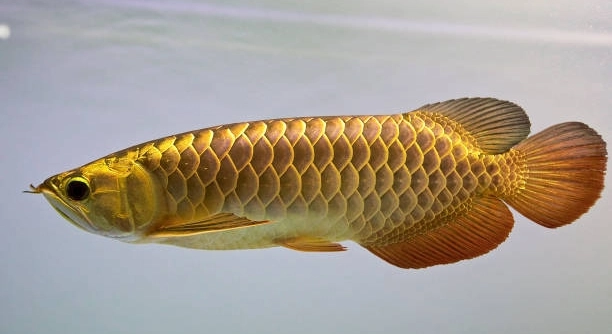
Are your Arowana tank days feeling hectic and overwhelming with all the care it demands? Managing water quality, feeding schedules, and space can sometimes feel like a full-time job for any fish enthusiast.
Balancing a busy Arowana tank requires consistent monitoring of water parameters, regular cleaning, proper feeding, and ensuring adequate space. Maintaining a stable environment minimizes stress, supports growth, and prevents disease, creating optimal conditions for the fish to thrive.
Following simple yet effective steps can make managing your Arowana tank much easier and more rewarding, helping you enjoy a healthier and more vibrant aquatic environment.
Maintain Stable Water Parameters
Keeping water conditions stable is essential for Arowanas. Regularly testing for ammonia, nitrite, nitrate, and pH helps prevent sudden changes that stress the fish. Using a reliable water test kit ensures accuracy, while partial water changes of 20-30% weekly help maintain balance. Temperature consistency is equally important, as Arowanas prefer 75-82°F. Sudden fluctuations can affect appetite and immune response. Proper filtration supports these efforts, reducing harmful substances. Avoid overfeeding, as leftover food breaks down and alters water chemistry. Adding live plants or driftwood can provide natural filtration and shelter. Observing your fish’s behavior daily helps detect early signs of stress or illness. Clean the substrate with a gravel vacuum during water changes to prevent buildup of waste. Aeration ensures oxygen levels remain adequate, especially in warmer months. Stability is not only about numbers but also about consistency in daily care routines, which keeps your Arowana healthy.
Maintaining stable water parameters reduces stress and promotes long-term health, supporting growth and coloration in your Arowana.
Consistent water maintenance is the backbone of a balanced tank. By monitoring chemical levels, temperature, and oxygen, you create an environment where Arowanas can thrive. Stability lowers disease risk and keeps behavior normal. Using high-quality filtration, regular partial water changes, and avoiding overfeeding are practical steps that prevent spikes in toxins. Introducing plants or decor helps mimic natural habitats while supporting water quality. Observing your fish daily allows you to spot subtle changes early, ensuring prompt action. Even small lapses can cause imbalance, so a disciplined routine pays off. Over time, these practices build a resilient and healthy tank ecosystem. Your Arowana will display better coloration, more active swimming, and a stronger appetite, reflecting a well-maintained environment. Every measure, from aeration to substrate cleaning, contributes to reducing stress and supporting natural behaviors, making your efforts worthwhile.
Provide Proper Tank Space
Arowanas need ample swimming space to grow and avoid injury. A cramped tank can lead to stress and stunted growth.
Providing sufficient tank size is critical. A 250-gallon tank or larger is ideal for adult Arowanas, allowing them to swim freely. Smaller tanks require more frequent maintenance and monitoring.
Proper tank space also allows for natural behaviors like surface swimming and lateral movements. Crowding causes territorial disputes and increases waste buildup, which strains filtration systems. By planning tank layout with open swimming areas and secure decor, you create a safe and comfortable environment. Avoid sharp decorations that may harm your fish, and ensure the tank lid is secure, as Arowanas are strong jumpers. Ample space reduces stress, improves appetite, and supports proper skeletal development. Consistent monitoring and adjustments to the environment help maintain balance, ensuring your Arowana grows healthy and active while minimizing aggressive tendencies and health issues.
Feed a Balanced Diet
Arowanas require a varied diet to stay healthy. Incorporate pellets, frozen foods, and occasional live food. Avoid overfeeding, as excess food can pollute the water and cause digestive issues.
Providing a balanced diet helps maintain proper growth, coloration, and energy levels. High-quality pellets deliver essential nutrients consistently, while frozen foods such as shrimp or fish add protein and variety. Live food like crickets or small fish can stimulate natural hunting behaviors, keeping your Arowana active and engaged. Feeding in moderation prevents obesity and reduces waste accumulation in the tank, supporting stable water conditions. By rotating food types, you ensure your fish receives a complete nutritional profile, enhancing immune function and overall health. Regularly observing your fish during feeding helps detect appetite changes, signaling potential health issues early.
Consistency in feeding schedules is just as important as diet variety. Feed adult Arowanas once or twice daily, providing only what they can consume in a few minutes. Avoid skipping meals for long periods, as it can stress the fish and impact growth. Supplements like vitamins can be added occasionally, but fresh, high-quality food remains the mainstay. Monitoring how your fish responds to different foods allows adjustments that improve digestion and satisfaction. Keeping a food log can be helpful to track preferences and nutritional balance, ensuring your Arowana thrives with energy, bright colors, and a strong immune system over time.
Perform Regular Tank Cleaning
Regular cleaning prevents waste buildup and maintains water quality. Remove debris, clean filters, and perform partial water changes consistently to keep the tank balanced.
Cleaning the tank reduces harmful substances like ammonia and nitrite, which accumulate from uneaten food and fish waste. A consistent routine includes vacuuming the substrate, rinsing filter media in tank water, and trimming overgrown plants. Partial water changes of 20-30% weekly help restore water chemistry without shocking the fish. Avoid using harsh chemicals or soaps, as residues can be harmful. Proper cleaning enhances oxygen levels and reduces stress, allowing Arowanas to swim freely and maintain normal behaviors.
Neglecting tank cleaning can lead to disease outbreaks and poor water conditions. By setting a regular schedule, you ensure stable parameters and minimize sudden changes. Consistent cleaning practices support filtration efficiency, prevent algae overgrowth, and maintain visual clarity. Observing water clarity and smell provides quick indicators for maintenance needs. Even minor adjustments, like changing part of the substrate or adding fresh water, help keep the environment safe and healthy. Maintaining a clean tank contributes directly to fish longevity, growth, and overall vitality, reinforcing a balanced and thriving Arowana habitat.
Monitor Fish Behavior
Observing your Arowana daily helps identify stress, illness, or changes in appetite. Sudden lethargy, loss of appetite, or erratic swimming can indicate water or health issues.
Tracking behavior allows early intervention. Noticing subtle changes like fin clamping or hiding helps prevent serious problems and ensures a healthier tank environment.
Maintain Proper Filtration
A reliable filtration system is crucial for a busy Arowana tank. It removes waste, maintains water clarity, and supports stable chemical levels. High-quality filters reduce ammonia and nitrite accumulation, preventing harmful spikes. Regular maintenance, including rinsing media in tank water, keeps the system efficient. Filtration combined with partial water changes creates a safe, balanced environment that reduces stress, supports growth, and improves overall fish health. Adequate water flow also stimulates natural swimming behavior and ensures oxygen distribution, which is essential for the Arowana’s well-being. Choosing the right filter type and size for your tank ensures long-term stability and minimal daily intervention.
Avoid Overcrowding
Overcrowding leads to stress, poor water quality, and aggressive behavior. Keep tank population suitable for size to maintain balance.
FAQ
How often should I test the water for my Arowana?
Testing water at least once a week is recommended. Key parameters include ammonia, nitrite, nitrate, pH, and temperature. Keeping a log can help track trends and detect early issues before they affect your fish’s health. Sudden fluctuations can be more harmful than slightly off readings.
What is the ideal tank size for a single adult Arowana?
A minimum of 250 gallons is recommended for an adult Arowana. They are large, active fish that need room to swim freely. A larger tank reduces stress, prevents injuries, and supports better water quality. Crowded conditions can stunt growth and increase aggressive behavior.
Can I feed my Arowana only pellets?
Pellets can form the main part of the diet, but variety is important. Incorporate frozen or live foods such as shrimp, fish, or insects. Variety ensures balanced nutrition, stimulates natural hunting instincts, and keeps the fish active and engaged. Overreliance on pellets may limit essential nutrients.
How often should I perform water changes?
Partial water changes of 20-30% weekly are generally sufficient. More frequent changes may be necessary in heavily stocked or smaller tanks. Water changes help maintain stable parameters, remove accumulated waste, and replenish essential minerals for overall fish health.
What type of filtration is best for a busy Arowana tank?
High-quality canister or sump filters are ideal, providing mechanical, chemical, and biological filtration. They efficiently remove waste, maintain water clarity, and support stable chemical levels. Properly maintained filters reduce maintenance frequency and help create a balanced environment for healthy fish.
How can I prevent my Arowana from jumping out of the tank?
A secure, heavy lid is essential. Arowanas are strong jumpers and can injure themselves if they escape. Ensure the lid fits tightly with minimal gaps, and avoid placing decorations near the surface that might encourage jumping. Adequate space and calm conditions also reduce jumping tendencies.
What signs indicate my Arowana is stressed?
Stress signs include erratic swimming, loss of appetite, hiding, clamped fins, and faded coloration. Stress often results from poor water quality, overcrowding, or sudden changes in the environment. Early detection allows corrective measures, preventing disease and supporting long-term health.
Can Arowanas live with other fish?
Compatibility depends on tank size and species. Smaller or slow-moving fish may be eaten, while aggressive or territorial species can cause conflicts. Large, robust tank mates are possible with careful observation, but sufficient space and hiding spots are essential to reduce stress and aggression.
How can I improve my Arowana’s coloration?
A balanced diet rich in protein and natural pigments, stable water parameters, and proper lighting enhance coloration. Stress reduction is equally important, as stressed fish often lose vibrancy. Regular observation and healthy living conditions contribute to brighter, more striking colors over time.
What is the best way to handle health issues?
Early detection is key. Quarantine new fish, monitor for signs of disease, and maintain clean water. Treat minor issues promptly with appropriate medications or natural remedies. Consulting a professional for serious conditions ensures proper care and prevents the spread of disease in the tank.
How much should I feed my Arowana?
Feed only what your fish can consume in a few minutes, once or twice daily. Overfeeding leads to poor water quality, obesity, and digestive issues. Monitoring appetite and adjusting portions helps maintain health and a balanced tank environment.
Is live food necessary for growth?
Live food is not strictly necessary, but it encourages natural hunting behavior and adds dietary variety. Incorporating small amounts of live insects or fish supplements nutrition and keeps your Arowana active, reducing boredom and promoting a healthier, more natural lifestyle.
How do I prevent algae buildup in a busy tank?
Maintain proper lighting duration, avoid overfeeding, and perform regular water changes. Introducing live plants can compete with algae for nutrients. Cleaning surfaces and filters routinely also reduces algae growth, keeping the tank clean and balanced while minimizing stress for your fish.
Can Arowanas tolerate minor fluctuations in temperature?
Minor fluctuations of 1-2°F are usually tolerable, but sudden or prolonged changes can stress the fish and compromise the immune system. Consistent temperature within 75-82°F is ideal, supported by a reliable heater and thermometer to prevent harmful swings in the tank environment.
How do I know if my filtration system is working efficiently?
Monitor water clarity, smell, and chemical levels regularly. Strong water flow, clean filter media, and consistent removal of debris indicate proper functioning. If water parameters rise unexpectedly, check for clogs, worn parts, or overstocking, and adjust the system to maintain a healthy environment.
What is the best substrate for an Arowana tank?
Smooth gravel or sand is recommended to prevent injuries. Avoid sharp or rough substrates that can damage fins or scales. Substrate also affects cleaning ease and water quality, so choose materials that support beneficial bacteria growth and make routine maintenance simple.
How can I reduce aggression in my Arowana?
Provide adequate space, reduce overcrowding, and add hiding spots. Balanced diet and proper tank mates also help. Observing interactions and separating aggressive fish when necessary prevents injuries, stress, and damage, contributing to a peaceful and healthy tank environment for all inhabitants.
Is lighting important for Arowanas?
Yes, consistent but not excessive lighting helps regulate behavior and supports plant growth if present. Natural or full-spectrum lighting enhances coloration. Avoid strong, direct light that stresses the fish. Maintaining a day-night cycle of 10-12 hours promotes normal activity and well-being.
How can I make daily maintenance easier?
Establish routines for feeding, water testing, and cleaning. Using efficient filters, automated feeders, and keeping tools nearby reduces time and effort. Regular observation allows early problem detection, preventing emergencies and ensuring a balanced, healthy tank without excessive labor.
What common mistakes should be avoided in a busy Arowana tank?
Overfeeding, overcrowding, irregular water changes, and neglecting filtration are frequent issues. Using incompatible tank mates or sharp decorations can cause injury. Maintaining consistent routines, proper nutrition, and stable water parameters prevents these problems, supporting a healthy, thriving Arowana over the long term.
How long can an Arowana live in captivity?
With proper care, Arowanas can live 10-20 years, sometimes longer. Longevity depends on diet, water quality, tank size, and stress reduction. Consistent maintenance and observation ensure they remain healthy, active, and vibrant throughout their lifespan, making commitment to proper care essential.
Maintaining a busy Arowana tank can feel challenging, but with the right approach, it becomes manageable and rewarding. Consistency is key when it comes to water quality, feeding, and tank maintenance. Regular testing of parameters like ammonia, nitrite, nitrate, pH, and temperature helps prevent sudden fluctuations that could stress your fish. Partial water changes, careful monitoring of filtration systems, and keeping the tank clean contribute to a stable environment where your Arowana can grow and thrive. Attention to these details might seem time-consuming, but over time, these small habits become part of a routine that supports the long-term health of your fish. Observing your Arowana daily for changes in behavior or appearance allows you to address problems early, reducing the risk of illness or stress.
Providing the right diet and sufficient tank space is equally important for a balanced tank. A varied diet including high-quality pellets, frozen foods, and occasional live food ensures proper nutrition, supports growth, and promotes natural behaviors. Feeding in moderation prevents waste accumulation that can negatively affect water quality. Arowanas also need ample swimming space to move comfortably and express natural behaviors. Crowded conditions can increase aggression, stress, and the likelihood of injury. Designing a tank layout that balances open swimming areas with safe, non-harmful decorations allows your Arowana to explore without risk. By focusing on both nutrition and space, you create an environment that promotes physical health, mental stimulation, and a vibrant appearance.
Finally, establishing a consistent maintenance routine makes managing a busy tank much easier. Regular cleaning, monitoring water parameters, and maintaining filtration all support a stable environment. Small adjustments, such as removing debris, rinsing filter media, or trimming plants, help prevent imbalances before they become serious issues. Observing your fish and responding promptly to signs of stress or illness strengthens the overall health of the tank. Over time, these efforts contribute to a well-balanced habitat where your Arowana can grow, swim freely, and display bright coloration. By combining stable water conditions, proper nutrition, ample space, and routine care, you can ensure a healthy, thriving tank that supports your Arowana’s long-term well-being.

Hello,
If you enjoy the content that we create, please consider saying a "Thank You!" by leaving a tip.
Every little bit helps us continue crafting quality advice that supports the health, happiness, and well-being of pets around the world, for pets of all shapes, sizes, and species.
We really appreciate the kindness and support that you show us!