
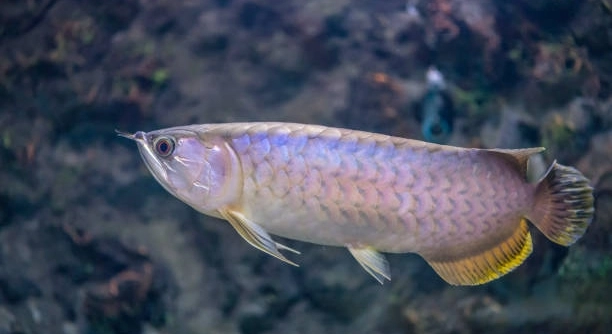
Is your arowana floating motionless in the tank, leaving you concerned about its wellbeing? Observing your fish in this state can be alarming, especially when it normally swims gracefully and interacts actively with its environment.
Arowanas may float without movement due to swim bladder disorders, poor water quality, infections, or dietary issues. These factors affect buoyancy control and overall health, requiring prompt attention to prevent further complications or long-term damage.
Understanding the causes behind this behavior will help you take proper action and ensure your arowana regains its strength and vitality.
Common Causes of Floating with No Movement
When an arowana floats without moving, the issue is often linked to its swim bladder. The swim bladder is a small organ that helps the fish control its buoyancy. If it becomes infected, inflamed, or physically damaged, the arowana may struggle to stay upright or swim normally. Water quality also plays a major role. Poor filtration, sudden changes in temperature, or high levels of ammonia and nitrites can stress the fish, affecting its organs and behavior. Diet is another key factor. Overfeeding, feeding low-quality food, or sudden dietary changes can lead to constipation or bloating, putting pressure on the swim bladder. Infections, including bacterial or parasitic, can further impair mobility. Monitoring your arowana’s environment and feeding habits carefully helps prevent these problems. Observing changes early allows for timely interventions before the issue becomes severe.
Proper care, including clean water and balanced feeding, greatly reduces the likelihood of your arowana floating listlessly.
Regular water checks, controlled feeding, and prompt treatment of infections can restore normal swimming patterns and improve overall health.
Water Quality and Tank Conditions
Poor water quality is a major factor in swim bladder issues and general stress for arowanas. Even small fluctuations in temperature, pH, or chemical levels can affect their buoyancy and overall activity.
Maintaining stable, clean water is essential for an arowana’s health. Use a reliable filter and monitor ammonia, nitrite, and nitrate levels. Avoid sudden temperature swings, as these can shock the fish. The tank should be spacious enough to allow free swimming and include gentle water flow. Regular partial water changes help keep the environment stable. Substrate and decorations should not impede movement or injure the fish. Even minor pollutants, like leftover food or decaying plant material, can create problems if neglected. Adequate aeration ensures sufficient oxygen levels, supporting organ function and preventing stress-related behaviors. Monitoring water consistently and addressing changes immediately helps your arowana maintain balance and normal swimming habits. By keeping the tank conditions optimal, you reduce the risk of flotation problems and support long-term vitality in your fish.
Diet and Feeding Habits
Overfeeding or offering inappropriate food can cause bloating, constipation, and swim bladder problems in arowanas. Balanced portions and high-quality food are essential to maintain proper buoyancy and overall health.
Feeding your arowana too much at once can lead to digestive issues that directly affect the swim bladder. Foods that are low in nutrients or overly processed may be difficult for the fish to digest, resulting in gas buildup and pressure on internal organs. Even sudden changes in diet, such as switching from pellets to live food, can disturb digestion. Keeping a consistent feeding schedule and providing food appropriate for the size and age of your arowana helps prevent these complications. Observing your fish after meals allows you to detect bloating or unusual floating early, making it easier to adjust feeding practices before serious problems arise.
Incorporating a variety of protein-rich foods like insects, small fish, or high-quality pellets ensures proper digestion and reduces the likelihood of swim bladder stress. Feeding smaller amounts multiple times a day can also aid in maintaining healthy buoyancy.
Illness and Infections
Bacterial or parasitic infections can weaken an arowana, causing it to float without moving. Early detection and treatment are crucial to prevent severe complications.
Symptoms of infections include lethargy, loss of appetite, abnormal swimming, and visible spots or lesions. Bacteria or parasites can enter the fish through contaminated water, injuries, or stress. Treating infections promptly with appropriate medications prevents the condition from worsening. Isolation of the affected arowana may be necessary to protect other tank inhabitants. Maintaining optimal tank conditions, regular water changes, and careful observation help reduce the risk of infections. Professional advice or veterinary guidance is often required to correctly diagnose and treat persistent issues.
Preventing illness relies on clean water, proper nutrition, and stress-free conditions. Consistent monitoring and quick action can restore your arowana’s health and normal swimming behavior.
Swim Bladder Disorders
Swim bladder disorders directly affect arowanas’ ability to control buoyancy. Causes include constipation, infections, or physical injury. Proper diet and water care reduce the risk of these disorders.
Treatment often involves fasting the fish for a day or two and offering easily digestible foods like peas. Monitoring recovery is essential.
Stress Factors
Stress can lead to floating, inactivity, and weakened immunity in arowanas. Overcrowding, aggressive tank mates, or sudden environmental changes are common triggers. Maintaining a calm, stable environment helps reduce stress.
Observation and Monitoring
Careful observation allows you to detect early signs of swim bladder issues, illness, or stress. Daily checks of behavior, appetite, and swimming patterns help identify problems before they worsen. Consistent monitoring ensures timely interventions and supports long-term health.
Environmental Adjustments
Simple adjustments such as reducing water flow, removing sharp decorations, and stabilizing temperature can improve an arowana’s comfort and encourage normal swimming behavior.
FAQ
Why is my arowana floating at the surface?
Floating at the surface often indicates swim bladder issues or stress. Poor water quality, sudden temperature changes, and overfeeding can cause buoyancy problems. Observing your fish’s behavior closely and adjusting feeding or tank conditions usually helps restore normal swimming patterns.
Can overfeeding cause my arowana to float motionless?
Yes, overfeeding can lead to constipation and bloating, which put pressure on the swim bladder. Feeding smaller, more frequent meals and offering easily digestible foods, such as peas, helps prevent this issue and supports healthy digestion.
How do I know if my arowana has a swim bladder disorder?
Signs include floating upside down, sideways, or struggling to stay upright. Reduced activity, loss of appetite, or unusual body posture can also indicate a problem. Early detection and intervention are key to preventing severe complications.
Can water quality affect my arowana’s buoyancy?
Absolutely. High ammonia, nitrite, or nitrate levels, sudden pH shifts, or temperature fluctuations stress the fish and affect its swim bladder function. Regular water testing, partial water changes, and proper filtration are essential to maintain stable conditions.
Is stress a factor in floating behavior?
Yes. Stress from aggressive tank mates, overcrowding, sudden changes in lighting, or loud vibrations can cause arowanas to float motionless. Reducing stressors and providing a calm environment encourages normal swimming and improves overall health.
Can infections make my arowana float without moving?
Bacterial and parasitic infections can weaken the fish, impacting buoyancy. Symptoms include lethargy, loss of appetite, abnormal swimming, and visible spots or lesions. Prompt treatment with appropriate medication and isolating the affected fish are crucial to recovery.
What foods help prevent swim bladder problems?
High-quality pellets, live insects, and small fish suitable for the arowana’s size are recommended. Avoid overfeeding and sudden dietary changes. Incorporating vegetables like peas can also aid digestion and reduce bloating.
How long does it take for arowanas to recover from floating issues?
Recovery time varies depending on the cause. Minor dietary issues may resolve within a few days, while swim bladder disorders, infections, or severe stress could take weeks. Consistent care, proper feeding, and clean water support faster recovery.
Should I change tank decorations or layout if my arowana floats?
Yes. Sharp or heavy decorations can stress the fish or restrict swimming space. Removing obstacles and ensuring open swimming areas can help your arowana regain normal movement. Soft plants or smooth decorations are safer alternatives.
Can fasting help my floating arowana?
Fasting for one to two days can relieve constipation-related swim bladder issues. After fasting, offering easily digestible foods supports digestion and reduces pressure on the swim bladder. Always monitor your fish closely during this period.
When should I consult a veterinarian?
If floating persists despite proper feeding, clean water, and stress reduction, a veterinarian or fish specialist should be consulted. Professional guidance ensures correct diagnosis and treatment, especially for infections or chronic swim bladder disorders.
Are there preventative measures to avoid floating problems?
Maintaining clean water, providing a balanced diet, avoiding sudden environmental changes, and monitoring behavior regularly are key preventive steps. Consistency in tank care reduces the likelihood of swim bladder issues, stress, and infections, keeping your arowana healthy and active.
Can temperature fluctuations cause floating?
Yes. Sudden drops or rises in water temperature can shock the fish, affecting buoyancy. Using a reliable heater or cooler to maintain stable temperatures helps prevent floating issues and supports overall health.
Is it normal for young arowanas to float sometimes?
Young arowanas may occasionally float due to immature swim bladders or adaptation to new tanks. While minor floating can occur, persistent motionless floating should be addressed with dietary adjustments and careful monitoring of water conditions.
How often should I monitor my arowana for floating issues?
Daily observation is ideal. Checking swimming patterns, appetite, and overall behavior allows early detection of swim bladder problems, infections, or stress. Prompt action prevents complications and supports long-term health.
Does water hardness affect my arowana’s buoyancy?
Yes, extreme water hardness or rapid changes in mineral content can stress arowanas and impact swim bladder function. Gradual adjustments and regular testing help maintain stable water parameters.
Can overcrowding lead to floating problems?
Overcrowded tanks increase stress, competition for food, and aggression, all of which can contribute to floating and inactivity. Providing adequate space and monitoring tank mates helps maintain arowanas’ normal swimming behavior.
Are there signs that indicate permanent swim bladder damage?
Persistent inability to swim upright, chronic floating, or unresponsiveness despite proper care may indicate long-term swim bladder damage. Veterinary evaluation is recommended to assess the condition and explore supportive treatments.
What is the role of oxygen levels in floating behavior?
Low oxygen can cause lethargy and floating. Ensuring adequate aeration and proper water circulation supports organ function, reduces stress, and helps maintain normal swimming patterns.
How important is tank size in preventing floating issues?
Tank size directly affects swimming ability and stress levels. Small tanks can limit movement and increase stress, contributing to floating. A spacious tank with proper filtration and swimming areas promotes healthy buoyancy and reduces swim bladder problems.
Can physical injuries lead to floating?
Yes. Trauma from jumping, collisions, or aggressive tank mates can damage the swim bladder or internal organs, resulting in floating. Providing a safe environment minimizes risk and supports recovery.
Are certain arowana species more prone to floating problems?
Some species with longer bodies or larger sizes may be more susceptible to swim bladder issues due to anatomical differences. Regardless of species, proper care, diet, and tank maintenance reduce risks significantly.
How do I adjust feeding if my arowana has digestive-related floating issues?
Switch to easily digestible foods, reduce portion sizes, and feed smaller amounts multiple times a day. Include vegetables like peeled peas to relieve constipation and support swim bladder function.
Can lighting affect floating behavior?
Sudden changes or overly bright lighting can stress arowanas, causing floating and inactivity. Gradual lighting adjustments and consistent day-night cycles help maintain normal behavior.
How do I differentiate between stress-related floating and illness?
Stress-related floating usually occurs alongside environmental triggers, while illness may include additional symptoms like spots, lesions, loss of appetite, or erratic swimming. Careful observation and monitoring help distinguish the two causes.
Are quarantine tanks necessary for sick arowanas?
Yes. Isolating a sick arowana prevents the spread of infections and allows targeted treatment. Quarantine tanks also reduce stress from tank mates, supporting recovery and buoyancy restoration.
Can probiotics or supplements help prevent floating issues?
Probiotics and digestive supplements can support gut health and reduce constipation, indirectly preventing swim bladder problems. Use high-quality products appropriate for arowanas and follow recommended dosages.
Is it safe to treat floating at home without professional advice?
Minor issues like constipation or temporary stress can sometimes be managed at home with proper feeding and water care. Persistent or severe floating requires professional evaluation to avoid worsening the condition.
How long should I isolate a sick arowana?
Isolation should continue until symptoms resolve and the fish resumes normal swimming and appetite. The duration varies depending on the cause, but careful monitoring ensures proper recovery.
Can aging affect buoyancy in arowanas?
Older arowanas may develop swim bladder or organ issues affecting buoyancy. Regular observation, diet management, and stress reduction help mitigate age-related floating problems and maintain quality of life.
How often should I test water parameters to prevent floating issues?
Testing at least weekly for ammonia, nitrites, nitrates, pH, and temperature is recommended. Frequent monitoring helps detect changes early and allows timely corrections to maintain a healthy environment.
Are there behavioral changes that precede floating?
Reduced swimming, hiding, loss of appetite, and slower responses to stimuli often precede floating. Observing these early signs allows for preventive action before the condition worsens.
Can seasonal changes affect floating behavior?
Yes. Seasonal temperature and daylight variations can stress arowanas and impact buoyancy. Adjusting tank conditions gradually and maintaining stable parameters help reduce seasonal floating issues.
Does water flow intensity impact swimming ability?
Excessive flow can tire or stress arowanas, contributing to floating and inactivity. Moderate, gentle currents are ideal, allowing normal swimming without causing stress or exhaustion.
Can tank mates influence floating behavior?
Aggressive or fast-moving tank mates can stress arowanas, leading to floating or hiding. Choosing compatible species and monitoring interactions prevents stress-related buoyancy issues.
How important is tank cover in preventing floating problems?
A secure cover prevents jumping injuries, which can damage the swim bladder or internal organs. Protecting your arowana helps avoid floating caused by trauma.
Can fasting too long harm my arowana?
Extended fasting can weaken the fish and reduce immunity. Limit fasting to one or two days for digestive issues, then resume feeding with easily digestible foods.
Is it normal for arowanas to float at night?
Occasional resting near the surface can occur, but prolonged floating without movement indicates a problem. Consistent monitoring distinguishes normal behavior from health issues.
How do I handle multiple floating causes at once?
Addressing diet, water quality, stress, and potential illness simultaneously is often necessary. Systematic adjustments, careful observation, and timely treatment improve recovery chances.
Can temperature shock be reversed quickly?
Gradual temperature adjustments can reverse mild shock effects. Sudden changes may require more time and careful monitoring to restore normal buoyancy and activity.
What role does tank lighting duration play in buoyancy issues?
Maintaining consistent lighting schedules reduces stress. Abrupt changes in light exposure can disorient arowanas and contribute to floating or inactivity.
Is it safe to medicate without water changes?
Some medications require partial water changes to prevent buildup of toxins. Always follow instructions carefully to avoid further stress or organ damage.
Can floating lead to permanent damage?
If untreated, chronic floating may cause permanent swim bladder damage or secondary health issues. Early intervention is critical for recovery and long-term health.
How do I track recovery progress effectively?
Daily observation of swimming, appetite, and posture helps track improvement. Keeping a journal or notes can help identify patterns and adjust care accordingly.
Are there signs that indicate improvement?
Increased swimming activity, normal buoyancy, consistent appetite, and alert responses are strong indicators that your arowana is recovering from floating issues.
Can stress from transportation trigger floating?
Yes. Moving arowanas between tanks or during shipping can cause stress-induced floating. Gradual acclimation and gentle handling minimize negative effects on buoyancy.
What is the best long-term prevention strategy?
Consistent tank maintenance, high-quality diet, stable water parameters, stress reduction, and regular observation are essential for preventing floating and supporting healthy swim bladder function.
Is it normal for recovery to be slow?
Yes. Depending on severity and cause, recovery may take days to weeks. Patience, consistent care, and monitoring are necessary for full restoration of normal swimming behavior.
How do I know if my arowana is comfortable in the tank?
Active swimming, exploring the tank, regular feeding, and relaxed posture indicate comfort. Consistent behavior reduces floating caused by stress or environmental issues.
Can temperature regulation tools help prevent floating?
Heaters and chillers maintaining consistent temperature prevent stress and buoyancy problems. Proper placement ensures even water temperature throughout the tank.
Are there natural remedies to help floating issues?
Mild fasting, easily digestible foods, and maintaining clean, stable water can aid minor floating problems. Severe issues require professional treatment.
How do I adjust tank conditions after detecting floating?
Check water parameters, reduce stressors, remove sharp objects, and moderate water flow. These adjustments support recovery and prevent recurrence of floating behavior.
Can seasonal feeding changes help prevent issues?
Adjusting feeding frequency or type of food during seasonal changes helps maintain digestion and buoyancy. Avoid abrupt switches to reduce risk of swim bladder problems.
What should I avoid when treating floating arowanas?
Avoid sudden environmental changes, overfeeding, harsh medications, and aggressive tank mates. These can worsen floating and delay recovery.
Are young arowanas more resilient than adults?
Young arowanas may recover faster from minor digestive issues, but they can also be more sensitive to stress and water changes. Monitoring and careful care remain essential.
Can tank cleaning routines influence floating?
Yes. Sudden, drastic cleaning can stress the fish or alter water parameters. Gradual, regular cleaning maintains stable conditions and reduces flotation risk.
Is it necessary to separate multiple floating causes?
Addressing all potential factors simultaneously is most effective. Diet, water quality, stress, and illness should be managed together for faster recovery.
How do I prevent recurrence after recovery?
Maintain clean water, stable temperatures, balanced diet, and minimal stress. Consistent observation and proactive care ensure long-term prevention of floating issues.
Can floating occur even in well-maintained tanks?
Yes, occasionally minor dietary issues, stress, or injuries can still cause floating. Prompt attention usually resolves these incidents before serious problems develop.
What is the role of tank size in recovery?
Adequate swimming space reduces stress and promotes normal buoyancy. Small tanks can slow recovery by limiting movement and increasing anxiety.
Are all arowanas equally prone to swim bladder issues?
While some species may be more sensitive, proper care and monitoring prevent floating across all arowana types. Prevention and early intervention are key.
How do I balance multiple treatments for floating causes?
Prioritize urgent medical issues, then adjust diet, water quality, and stressors. Gradual changes reduce additional stress and improve recovery outcomes.
Can behavioral enrichment help prevent floating?
Providing hiding spots, gentle currents, and appropriate tank mates encourages normal swimming, reduces stress, and indirectly prevents floating.
Is frequent observation necessary even after recovery?
Yes. Ongoing monitoring helps detect early signs of recurring swim bladder issues, stress, or illness, allowing prompt corrective action.
Can temperature and diet interact to cause floating?
Yes. Cold water slows digestion, and combined with rich food, it can lead to constipation and swim bladder problems. Maintaining stable temperatures and balanced feeding reduces risk.
How can I improve buoyancy after minor floating incidents?
Fast the fish briefly, offer easily digestible foods, and maintain stable water conditions. Monitor swimming and behavior for gradual improvement.
Are there long-term consequences of untreated floating?
Chronic buoyancy problems can lead to permanent swim bladder damage, organ stress, or secondary infections. Early intervention prevents lasting harm.
Can tank location affect floating behavior?
Tanks near drafts, loud noises, or high traffic can stress arowanas, contributing to floating. Choosing a quiet, stable location helps maintain normal behavior.
Is it normal for arowanas to float after feeding?
Occasional short-term floating can occur if the fish is digesting a large meal. Persistent or prolonged floating indicates a problem that should be addressed.
How do I prevent constipation-related floating?
Feed smaller portions, include easily digestible foods, and avoid sudden dietary changes. Regular observation ensures early detection of digestive issues.
Are certain water treatments helpful for floating arowanas?
Mild salt baths or specific medications may assist minor swim bladder issues. Always follow dosage instructions and observe the fish carefully during treatment.
Can seasonal temperature swings cause recurring floating?
Yes. Gradual adjustments and stable water conditions help prevent seasonal buoyancy problems and reduce stress-related floating.
How do I distinguish between normal rest and problematic floating?
Normal rest is brief, often near the bottom, with easy recovery to swimming. Prolonged motionless floating or unusual posture indicates health concerns.
Is swimming difficulty always related to the swim bladder?
Not always. Injuries, stress, infections, and poor water conditions can also impair swimming. Observing additional symptoms helps determine the cause.
Can floating arowanas recover fully without medication?
Mild cases caused by diet or temporary stress may recover without medication. Persistent or severe cases usually require professional treatment for full recovery.
How often should I rotate foods to prevent floating?
Moderate rotation of high-quality proteins and occasional vegetables supports digestion. Avoid sudden or extreme changes that can stress the digestive system.
Are there signs that diet is the main cause of floating?
Bloating, constipation, and improvement after fasting or dietary changes indicate diet-related floating. Continuous monitoring ensures accurate assessment.
Can lighting color or intensity affect floating?
Bright or abrupt lighting can stress fish, causing floating or hiding behavior. Consistent, moderate lighting reduces stress and supports normal activity.
How do I maintain swimming confidence in recovering arowanas?
Provide open swimming space, gentle water flow, and minimal disturbances. Gradual reintroduction to regular feeding and tank conditions rebuilds strength and buoyancy.
Can floating behavior return after recovery?
Yes, especially if diet, water quality, or stressors are not consistently managed. Ongoing care and observation are essential for long-term prevention.
How do I safely handle a floating arowana for treatment?
Use a soft net or container to minimize stress and avoid injury. Handle gently, maintain water from the tank, and limit out-of-water exposure.
Are there physical exercises to help buoyancy?
Encouraging gentle swimming with moderate water flow can strengthen muscles and improve control. Avoid forcing activity, which can stress the fish.
Can tankmates help reduce floating stress?
Calm, non-aggressive tankmates can provide a stable social environment. Avoid overcrowding or aggressive species that increase stress and floating risk.
How do I track long-term progress after floating incidents?
Maintain a log of feeding, water parameters, behavior, and recovery milestones. Regular tracking helps identify patterns and supports proactive care.
Is it normal for arowanas to float after illness?
Yes, temporary floating may persist as the swim bladder and muscles regain strength. Supportive care ensures gradual recovery to normal swimming.
Can floating be a sign of old age?
Older arowanas may experience swim bladder or organ issues affecting buoyancy. Maintaining proper care helps reduce age-related floating problems.
How do I integrate preventive care into daily routines?
Daily checks of water, behavior, and feeding, combined with weekly testing and tank maintenance, minimize risks of floating and other health issues.
Can minor injuries cause long-term floating?
If untreated, minor injuries may damage internal organs or the swim bladder, leading to recurring buoyancy problems. Safe handling and observation prevent lasting damage.
Are there behavioral indicators that floating is improving?
Increased activity, upright posture, appetite, and normal swimming patterns show that the fish is recovering from buoyancy issues.
**How do I balance diet, environment, and stress management for prevention
Floating without movement is a concerning behavior in arowanas that often signals underlying issues with health, environment, or diet. Many fish owners notice this sudden change and feel unsure about the cause. Understanding the potential factors that contribute to buoyancy problems is essential for providing the right care. Swim bladder disorders, poor water quality, infections, stress, and dietary imbalances are common reasons why an arowana may float motionless. Observing your fish carefully, maintaining stable tank conditions, and offering appropriate food are practical steps that can prevent minor issues from turning into serious problems. Paying attention to small changes in behavior, such as reduced swimming, bloating, or unusual posture, can help identify problems early. Early action is often the most effective way to support recovery and maintain the overall health of your arowana.
Proper tank management plays a central role in preventing and resolving floating issues. Clean water, stable temperatures, moderate water flow, and adequate tank size all contribute to a healthy environment. Overcrowding and aggressive tank mates can increase stress, making buoyancy problems more likely. Regular monitoring of water parameters, including pH, ammonia, nitrite, nitrate, and temperature, ensures that the environment remains stable and safe for your fish. Alongside environmental care, feeding practices are equally important. Balanced, high-quality food in controlled portions helps maintain digestion and reduces pressure on the swim bladder. Avoiding sudden dietary changes and offering foods that are easily digestible, such as peas or protein-rich pellets, can help prevent constipation and bloating. Small adjustments in feeding and tank conditions often produce noticeable improvements, particularly when combined with careful observation.
Addressing floating behavior requires patience and consistent care. Recovery may take days to weeks, depending on the underlying cause. Minor dietary issues often resolve more quickly, while swim bladder disorders, infections, or stress-related problems may require longer attention and sometimes professional guidance. Isolating the affected fish, administering appropriate treatment, and making necessary environmental adjustments can improve buoyancy and restore normal swimming patterns. Even after recovery, ongoing monitoring is important to prevent recurrence and ensure long-term health. By maintaining a calm environment, stable water conditions, and a balanced diet, you give your arowana the best chance to regain strength and confidence in the tank. Consistency and observation remain the foundation of preventing floating issues and supporting overall vitality, helping your fish stay active, healthy, and comfortable in its home.

Hello,
If you enjoy the content that we create, please consider saying a "Thank You!" by leaving a tip.
Every little bit helps us continue crafting quality advice that supports the health, happiness, and well-being of pets around the world, for pets of all shapes, sizes, and species.
We really appreciate the kindness and support that you show us!