
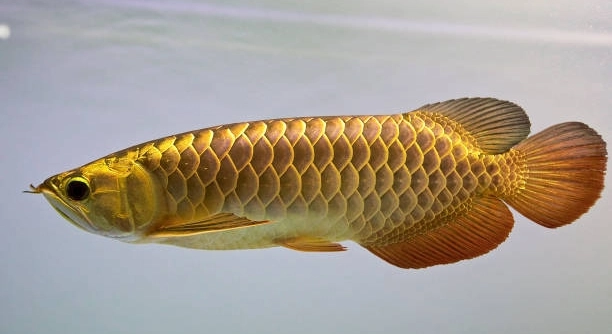
Arowanas are lively and elegant fish that often respond quickly to movements around their tank. Their alert nature makes them enjoyable to watch, and many fish owners take pride in their attentive behavior. Observing them can be calming and rewarding.
If your arowana stops reacting to movement, it may indicate stress, illness, or environmental issues. Ensuring water quality, proper diet, and a stable habitat is essential, as these factors directly influence the fish’s alertness and overall health.
Monitoring your arowana’s behavior can provide important insights into its well-being. Small changes may reveal larger concerns that need attention for a healthier, more responsive fish.
Common Causes of Arowana Inactivity
Arowanas may stop reacting to movement for several reasons. Water quality is one of the most important factors. Poor filtration or irregular water changes can cause ammonia or nitrite buildup, which stresses the fish. Temperature fluctuations can also affect their activity. Arowanas prefer stable temperatures, typically between 75 and 82 degrees Fahrenheit. Another factor is diet. Feeding too much or too little, or giving an unbalanced diet, can reduce energy levels. Stress from tankmates or sudden changes in the environment may also play a role. Even boredom can lead to inactivity, as arowanas are intelligent fish that need stimulation. Ensuring a proper tank size with hiding spots and swimming space helps maintain their natural behavior. Paying attention to these details can prevent inactivity and keep your fish alert. Regular observation allows you to spot subtle signs of stress or illness before they worsen.
Checking water and diet is the first step toward solving inactivity issues. Monitoring temperature and feeding habits can restore normal behavior quickly.
Maintaining consistent care routines is essential. Regular water testing, balanced feeding, and avoiding sudden environmental changes help arowanas remain active. Adding enrichment, like floating objects or gentle movement in the tank, can stimulate natural hunting instincts. Observing the fish daily allows you to notice changes early and adjust care accordingly. Healthy arowanas respond to movement promptly, making them engaging to watch and easier to manage.
Addressing Health and Environmental Factors
Regular water testing and proper filtration can prevent most inactivity problems. A clean, stable environment is critical for alert behavior.
Illnesses can also cause reduced reactions. Internal parasites, bacterial infections, or swim bladder problems affect movement and responsiveness. Early identification is key. Observing appetite, coloration, and swimming patterns helps detect problems. Quarantining new fish and avoiding sudden changes in water chemistry reduces stress and disease risk. Feeding high-quality food and maintaining a consistent schedule supports recovery and energy levels. Adjusting tank decorations to provide space while still offering hiding spots keeps fish comfortable. Combining careful observation with prompt action improves the chances of restoring normal behavior and overall health.
Adjusting Tank Conditions
Maintaining proper water temperature and quality is essential for arowanas. Consistent water changes and checking pH levels help keep the fish active. Tank size and decorations also influence movement, giving them room to swim and areas to explore safely.
Using a reliable water filter and testing water regularly ensures stable conditions. Arowanas are sensitive to sudden changes in temperature, pH, or ammonia levels, which can make them sluggish. Keeping the tank between 75 and 82 degrees Fahrenheit and maintaining neutral pH reduces stress. Avoid overcrowding and aggressive tankmates, as this can prevent normal activity. Proper lighting schedules also support their natural behavior.
Small adjustments in diet and feeding routines complement environmental care. Offering varied, high-quality food in moderate amounts keeps energy levels up. Avoid overfeeding, as uneaten food can degrade water quality. Adding occasional live or frozen food encourages natural hunting instincts, stimulating movement. Observing the fish closely during feeding helps detect early signs of health issues. Combining careful feeding and stable tank conditions increases responsiveness and overall well-being.
Monitoring Health Symptoms
Watch for changes in appetite, color, or swimming patterns. These signs often indicate stress, illness, or nutritional deficiencies.
Lethargy may result from internal parasites or bacterial infections, which require prompt attention. Swim bladder problems can affect movement, making the fish float or sink unusually. Noting these symptoms early allows for quicker intervention. Keep track of behavior changes daily, including how the arowana reacts to feeding or tank activity. Supplementing with vitamins or adjusting diet can support recovery. Quarantining sick fish prevents the spread of disease, and maintaining a clean tank minimizes stress. Prompt action often restores energy and responsiveness.
Feeding Practices
Offer smaller, frequent meals instead of one large feeding. Overfeeding can lead to sluggish behavior and poor water quality, affecting your arowana’s activity.
Varying food types keeps the fish engaged and ensures proper nutrition. Include high-protein pellets, frozen or live food, and occasional treats to maintain energy and natural hunting instincts.
Tank Enrichment
Adding driftwood, rocks, or floating objects encourages exploration. Arowanas are intelligent and benefit from stimulation to prevent boredom and inactivity. Providing space to swim freely while including hiding spots creates a balanced environment.
Observing Behavior Patterns
Track daily movements, reactions to feeding, and interactions with tankmates. Consistent observation helps identify early warning signs of stress, illness, or environmental issues. Regular monitoring ensures timely adjustments for the fish’s health and activity.
When to Seek Professional Help
If inactivity persists despite proper care, consult an aquatic veterinarian. Persistent lethargy may indicate serious health problems requiring expert treatment.
FAQ
Why is my arowana not reacting to movement?
Arowanas may stop reacting due to stress, illness, poor water quality, or diet issues. Temperature fluctuations or aggressive tankmates can also make them less responsive. Observing their daily behavior, appetite, and swimming patterns can help identify the cause. Promptly addressing environmental or health problems often restores normal activity.
How can I tell if my arowana is stressed?
Signs of stress include clamped fins, rapid gill movement, hiding more than usual, and reduced appetite. Changes in color or erratic swimming can also indicate stress. Stress often results from water quality problems, sudden temperature changes, overcrowding, or incompatible tankmates. Maintaining a stable, clean environment helps reduce stress.
What water parameters are best for arowanas?
Arowanas thrive in water with a temperature between 75 and 82°F and a neutral to slightly acidic pH around 6.5 to 7.5. Ammonia and nitrite should always be at zero, and nitrates kept low. Regular testing, filtration, and partial water changes are essential to maintain these conditions.
Can diet affect my arowana’s responsiveness?
Yes. Poor nutrition or overfeeding can lead to lethargy. A balanced diet of high-protein pellets, live or frozen food, and occasional supplements ensures energy and alertness. Feeding smaller, more frequent meals rather than one large feeding also keeps metabolism steady and encourages natural hunting instincts.
How often should I change the water?
Partial water changes of 20-30% every week help maintain water quality. Over time, uneaten food, waste, and decaying plants can increase ammonia and nitrite levels, stressing your arowana. Regular water changes prevent these issues and support overall health and responsiveness.
Is inactivity a sign of illness?
Sometimes. Persistent inactivity, combined with loss of appetite, unusual swimming patterns, or color changes, may indicate internal parasites, bacterial infections, or swim bladder problems. Observing these signs early allows for timely intervention. Quarantining new or sick fish helps prevent disease spread.
Can tank setup influence activity levels?
Absolutely. Overcrowded tanks, lack of swimming space, or absence of hiding spots can reduce movement. Providing an appropriate tank size, with decorations that encourage exploration and open areas for swimming, helps keep arowanas engaged and alert. Adjustments to lighting and water flow can also improve activity.
When should I seek professional help?
If your arowana remains inactive despite proper water quality, diet, and tank setup, a veterinarian specializing in aquatic animals can help. Persistent lethargy, abnormal swimming, or sudden color changes may require professional diagnosis and treatment to prevent serious health problems.
Can stress from tankmates affect responsiveness?
Yes. Aggressive or overly active tankmates can intimidate arowanas, leading to reduced movement or hiding. Observing interactions and separating incompatible fish ensures a calmer environment. Stress reduction supports normal activity and improves overall health.
How do I monitor my arowana effectively?
Observe daily feeding response, swimming patterns, color changes, and interactions with tankmates. Keep a log if necessary. This makes it easier to notice subtle changes and identify environmental or health issues early, ensuring timely interventions to maintain the fish’s responsiveness and well-being.
This FAQ provides practical guidance for keeping your arowana active and healthy. Regular observation, proper feeding, stable water conditions, and attention to tank setup are key to preventing inactivity and maintaining a responsive fish.
Arowanas are fascinating and elegant fish that naturally capture attention with their alert behavior and graceful swimming. When they stop reacting to movement, it can feel worrying, especially if you’ve spent time building a stable and comfortable tank environment. Their inactivity is usually a signal that something in their care routine, environment, or health may need attention. Factors like water quality, temperature, diet, and tank size all play an important role in keeping arowanas active. Poor water conditions, even if subtle, can cause stress and reduce responsiveness. Maintaining proper filtration, performing regular water changes, and monitoring chemical levels like ammonia, nitrites, and pH helps prevent many common problems. Arowanas also need consistent temperatures, ideally between 75 and 82 degrees Fahrenheit, and a clean, stable environment to remain alert. Regularly checking these factors ensures the fish stay comfortable, healthy, and engaged in their surroundings.
Diet is another key component in supporting your arowana’s energy and responsiveness. Overfeeding can make the fish lethargic, while underfeeding or providing an unbalanced diet can result in low energy or health issues. Feeding a mix of high-quality pellets, live or frozen food, and occasional supplements keeps them nourished and encourages natural hunting instincts. Smaller, more frequent meals are often better than a single large feeding, as they help maintain energy levels throughout the day. Observing how your fish reacts during feeding times can also serve as an early warning system for possible health concerns. If you notice decreased appetite, changes in color, or unusual swimming patterns, it may indicate stress, disease, or environmental problems that need to be addressed promptly. Monitoring behavior daily provides valuable insights and allows you to make small adjustments that can have a significant impact on their overall well-being.
Environmental enrichment and careful observation are equally important for keeping arowanas active. Adding driftwood, rocks, or floating objects creates interest in the tank and encourages exploration, while leaving enough open space allows for free swimming. Tankmates should be chosen carefully to avoid aggressive interactions that can stress your fish. Regular observation helps identify subtle changes, such as reduced movement, clamped fins, or erratic swimming. Addressing these signs quickly, whether by adjusting water conditions, diet, or consulting a professional, supports long-term health. Even small, consistent care routines make a significant difference in maintaining arowanas that are responsive, healthy, and energetic. Paying attention to all these aspects ensures your fish remains a lively and engaging presence in the tank, and helps prevent periods of inactivity that can be stressful for both the fish and the owner.

Hello,
If you enjoy the content that we create, please consider saying a "Thank You!" by leaving a tip.
Every little bit helps us continue crafting quality advice that supports the health, happiness, and well-being of pets around the world, for pets of all shapes, sizes, and species.
We really appreciate the kindness and support that you show us!