
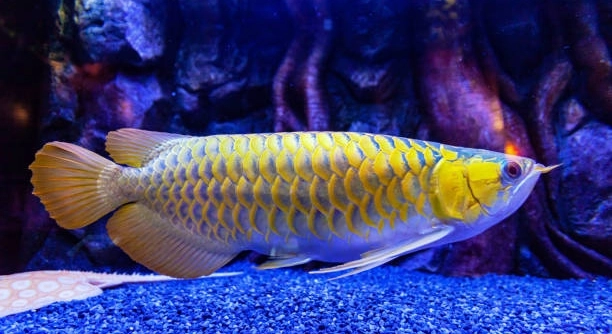
Are your arowanas showing signs of stress or sluggish behavior? Changing their water more efficiently can improve their environment and keep them healthier. Regular maintenance is essential for their wellbeing and overall tank cleanliness.
The most effective way to safely change arowana water faster is to use partial water changes combined with proper filtration and water conditioning. Maintaining stable temperature and pH levels prevents stress, while careful handling ensures the fish remain unharmed.
Proper water management can make a noticeable difference in your arowana’s health. Small adjustments in your routine can lead to a cleaner tank and happier fish.
Prepare Your Equipment
Before changing your arowana’s water, gather all the necessary equipment. You will need a siphon, a clean bucket, water conditioner, and a thermometer. Ensuring everything is ready before starting helps prevent mistakes and reduces stress for your fish. Check that hoses are secure and buckets are free from soap or chemicals that could harm the fish. Having extra towels nearby is helpful in case of spills.
Using prepared equipment saves time and keeps the process smooth.
I always make sure to double-check the water conditioner and temperature before starting. The arowana is sensitive to sudden changes, so prepping carefully is essential. Even small mistakes can upset the balance of the tank. By organizing everything in advance, I can complete the water change quickly, keeping the fish safe and calm. A steady routine with the same tools also makes each water change predictable and less stressful for both me and my arowana.
Partial Water Changes
Changing only a portion of the tank water at a time reduces stress on your fish.
Partial water changes help maintain stable water conditions. Slowly removing 20-30% of the tank water ensures the fish are not shocked by sudden environmental shifts. It is important to replace the water with water that has been treated and is at a similar temperature to the tank. Gradually pouring the water back helps prevent turbulence and keeps your arowana calm. This method is safer than a full water replacement, which can disturb beneficial bacteria and increase the risk of illness.
When I perform partial changes, I notice my arowana stays active and shows fewer signs of stress. Consistency is key, and I usually follow a schedule that balances the tank’s cleanliness with the fish’s comfort. Monitoring water parameters like ammonia, nitrite, and pH before and after each change ensures the environment remains healthy. Over time, these small, frequent adjustments lead to a stable ecosystem, making it easier to maintain water clarity and quality. It also prevents sudden fluctuations that could compromise the fish’s immune system, helping it thrive in a cleaner, safer tank environment.
Monitor Water Temperature
Keeping the water temperature consistent prevents stress and illness. Sudden changes can shock arowanas, so always check before and after adding new water.
I use a reliable thermometer to match the new water temperature with the tank. Even a small difference can make the fish uneasy. Adjusting the temperature gradually avoids stress, and I often wait a few minutes before pouring water back in to ensure it’s stable. Maintaining a steady temperature has made my arowana more active and confident in the tank.
Over time, monitoring temperature has become a simple habit. I notice the fish swims calmly and shows natural behavior when the water is right. Combining this with partial water changes ensures the environment stays safe. I’ve also learned to adjust the heater or cooling system as needed without rushing. Consistency helps the tank ecosystem remain balanced, supporting healthy bacteria and preventing sudden ammonia spikes. This approach keeps the fish comfortable and reduces the risk of disease, making maintenance smoother and more predictable.
Use a Siphon Efficiently
A siphon removes debris and old water without stressing the fish. It also helps reach corners and prevent leftover waste from accumulating.
When I use a siphon, I move slowly and keep it under the surface to avoid stirring the substrate too much. I start from one side of the tank and work methodically, capturing leftover food and waste. This method minimizes disturbance, and I can remove a larger portion of water quickly while keeping the fish calm.
Siphoning has changed the way I handle water changes. By collecting debris efficiently, the water stays clearer, and my arowana seems more comfortable. I always rinse the siphon before use to avoid introducing chemicals or contaminants. It’s important to watch the fish while siphoning, adjusting the speed if it becomes stressed. Repeated use over time has made the process faster and less disruptive. Efficient siphoning allows me to maintain cleaner water without the need for full replacements, which supports a healthier tank ecosystem and reduces maintenance time.
Treat New Water
Adding a conditioner removes chlorine and harmful chemicals. This protects your arowana from irritation and stress.
I always measure the correct dose before pouring it in. Waiting a few minutes lets the conditioner fully work, making the water safe for the fish.
Check pH Levels
Maintaining stable pH prevents stress and health issues. Regular testing ensures the water stays within a safe range. I use a simple test kit to monitor fluctuations and make small adjustments as needed. This routine keeps the tank balanced and the arowana active.
Clean the Filter
Regular filter cleaning improves water flow and removes trapped debris. It keeps the tank healthier without disturbing the fish.
FAQ
How often should I change my arowana’s water?
I change about 20-30% of the tank water weekly. This keeps the environment stable without shocking the fish. Over time, I noticed smaller, frequent changes work better than large, infrequent ones. The fish seems calmer and more active with a steady routine.
Can I use tap water for water changes?
Yes, but always treat it with a water conditioner first. Tap water can contain chlorine or heavy metals that are harmful to arowanas. I pour the water into a clean bucket, add the conditioner, and wait a few minutes before adding it to the tank. This ensures the water is safe and doesn’t stress my fish.
Is it safe to change all the water at once?
Full water changes are risky. They can upset the tank’s balance and stress the fish. I stick to partial changes because they preserve beneficial bacteria and maintain stable pH levels. My arowana responds better to smaller adjustments, and it keeps the tank ecosystem healthy.
What is the best way to remove debris from the tank?
Using a siphon works well. I slowly move it along the substrate to capture leftover food and waste. This prevents the water from clouding and keeps the fish comfortable. Cleaning the substrate regularly reduces toxins and improves overall water quality.
How do I ensure the temperature is safe after a water change?
I use a thermometer to match the new water to the tank temperature. Sudden shifts can stress the fish, so I always let the water adjust gradually. Maintaining consistent heat keeps my arowana active and avoids illness caused by temperature swings.
Should I clean the filter during water changes?
Yes, but carefully. I rinse it with tank water, never tap water, to avoid killing beneficial bacteria. This keeps the filter effective while maintaining a healthy ecosystem. Regular maintenance ensures clear water and reduces the buildup of harmful substances.
How long should I wait after adding new water before feeding my arowana?
I usually wait 30 to 60 minutes. This lets the water settle and the fish adjust. Feeding too soon can stress the fish or affect water quality, so giving it time helps the tank remain clean and stable.
Can water changes prevent diseases in arowanas?
Consistent water changes reduce toxins and maintain stable conditions, lowering the risk of illness. I’ve noticed fewer signs of stress or infections when I keep up with regular maintenance. Healthy water supports the fish’s immune system and overall well-being.
Is it necessary to test water parameters each time?
I test pH, ammonia, and nitrite at least weekly. Monitoring ensures the tank stays within safe limits. Small changes can happen over time, so keeping an eye on the numbers prevents problems before they affect the arowana’s health.
What should I do if my arowana seems stressed during a water change?
I pause and check the water temperature, flow, and handling. Moving slower or adjusting the siphon often helps calm the fish. Stress signals are easier to manage with careful observation, and this approach keeps the water change process safe and controlled.
Can I speed up water changes without harming my arowana?
Yes, by preparing everything in advance, using a siphon efficiently, and performing partial water changes. I also ensure the new water is treated and at the correct temperature. Proper preparation allows faster changes without compromising the fish’s safety or tank stability.
How do I know if the water is safe after a change?
Clear water isn’t always safe. I rely on testing kits for pH, ammonia, and nitrite. If levels are within the safe range, I can be confident the water is suitable. Regular testing gives peace of mind and keeps my arowana healthy.
Can I add decorations or plants during a water change?
Yes, but rinse them thoroughly first. Introducing debris or chemicals can affect water quality. I usually clean decorations separately and place them back carefully, ensuring the tank stays clean without disturbing the fish.
Is partial water change better than a full change for a young arowana?
Definitely. Young arowanas are more sensitive. Partial changes maintain stable conditions, prevent stress, and support their growth. I follow a careful schedule, gradually adjusting as they grow to keep the tank balanced and the fish healthy.
What is the ideal water volume to change at once?
About 20-30% of the tank volume works best. It refreshes the water without shocking the fish. I measure the volume before siphoning to stay consistent, which has kept my arowana calm and the tank ecosystem stable over time.
How do I prevent cloudiness after a water change?
Adding treated water slowly and using a siphon carefully reduces disturbance. I avoid stirring the substrate too much and let the filter run immediately afterward. These steps keep the water clear and the fish comfortable after each change.
Can I skip a water change if the water looks clean?
No, water can appear clear but still have harmful chemicals or waste buildup. I stick to the schedule regardless of appearance. Regular maintenance prevents long-term problems and ensures my arowana thrives in a consistently safe environment.
How do I introduce new water without stressing the arowana?
I pour it gently along the tank sides or use a slow-flow method. Sudden currents can stress the fish. I also make sure the temperature and pH match. This careful approach keeps my arowana calm and the tank stable.
What tools make water changes faster and safer?
A siphon, bucket, thermometer, and water conditioner are essential. I also keep extra towels and a test kit nearby. Having these tools ready allows me to complete changes quickly while keeping the fish safe and the tank balanced.
Changing arowana water safely and efficiently takes attention and care. Consistent maintenance is important for keeping the tank clean and the fish healthy. Using a siphon, performing partial water changes, and treating new water are simple steps that make a big difference. Over time, these routines help maintain clear water, reduce toxins, and prevent stress for your arowana. I have found that even small, frequent changes are better than large, infrequent ones, as they keep the tank stable without shocking the fish. Keeping the right temperature, pH, and water conditions also plays a key role in promoting a balanced environment.
Preparing all necessary equipment before starting a water change is helpful. A bucket, siphon, thermometer, and water conditioner make the process smoother and safer. I always check the water temperature and treat the new water before adding it to the tank. Matching temperature and using a conditioner ensures that the arowana remains comfortable and healthy. Cleaning the filter carefully is another important step, as it keeps water circulating while maintaining beneficial bacteria. Observing the fish during the water change also helps to identify any signs of stress early. Over time, a routine emerges that makes the process faster and less disruptive for both the tank and the arowana.
Monitoring water parameters is essential for long-term success. Regularly checking pH, ammonia, and nitrite ensures the tank remains safe and stable. Partial water changes, combined with proper filtration, help maintain these levels consistently. I have learned that rushing the process or skipping steps can lead to stress, cloudiness, or even health issues for the fish. Maintaining a consistent schedule, keeping the water treated and properly balanced, and carefully handling the fish all contribute to a healthier, calmer environment. Following these steps has made water changes easier, safer, and more effective, allowing the arowana to thrive in its tank.

Hello,
If you enjoy the content that we create, please consider saying a "Thank You!" by leaving a tip.
Every little bit helps us continue crafting quality advice that supports the health, happiness, and well-being of pets around the world, for pets of all shapes, sizes, and species.
We really appreciate the kindness and support that you show us!