
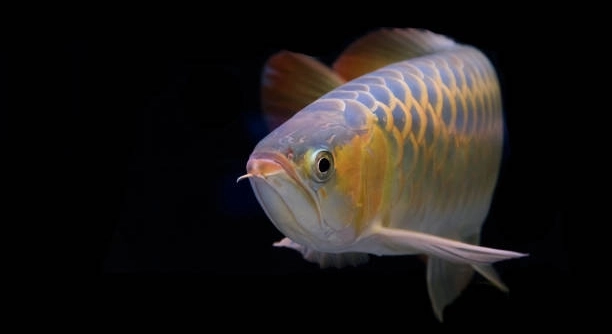
Arowanas are beautiful and powerful fish that many enthusiasts enjoy keeping in home aquariums. Their striking appearance often makes feeding them live food a highlight of daily care routines. Observing them eat can be very satisfying.
Arowanas may ignore live food due to stress, poor water quality, recent illness, or inappropriate prey size. These factors can reduce appetite and feeding motivation, requiring careful observation and adjustment of the tank environment and feeding practices.
Understanding these behaviors can improve your arowana’s well-being. Paying attention to subtle changes in diet and environment helps maintain a healthy, thriving fish over time.
Common Reasons Arowanas Refuse Live Food
Arowanas may stop eating live food for several straightforward reasons. Stress is a major factor, often caused by sudden changes in the tank, aggressive tank mates, or poor water conditions. When stressed, their natural feeding instincts are suppressed, and even the most appealing live food may be ignored. Another reason is illness; parasites, bacterial infections, or internal issues can reduce appetite. Nutrition and prey size also play a role. A fish might reject food if it is too large, too small, or unfamiliar. Temperature can affect metabolism too, as arowanas prefer slightly warmer water, and cooler conditions may slow their digestion and activity, making them less interested in hunting or chasing live food. Observing behavior and testing water parameters can often pinpoint the issue. Adjusting feeding routines, ensuring proper tank conditions, and monitoring health can usually restore normal eating habits without complication.
Addressing water quality and tank conditions often immediately improves feeding response. Stable temperatures, clean water, and minimal stress encourage arowanas to resume eating naturally.
Understanding these factors helps prevent future feeding issues. Adjusting the size and type of prey, keeping a steady feeding schedule, and observing your fish closely can restore their appetite. Arowanas are sensitive to subtle changes, so consistent care is essential.
Adjusting Feeding Habits
Small changes in feeding habits can encourage arowanas to eat live food again. Offering food at consistent times and observing their preferred patterns often improves interest.
Gradually introducing different prey types helps them regain confidence in feeding. If arowanas are rejecting live food, switching to frozen or prepared options for a short period can reduce stress while maintaining nutrition. Overfeeding or sudden large meals can overwhelm them, so smaller, more frequent portions are preferable. Feeding in a quiet, calm environment encourages natural hunting behavior. Some fish respond better when live food is gently moved in the water to mimic natural motion. Keeping track of how your arowana reacts to different foods over several weeks provides valuable insight into preferences and tolerances. By carefully adjusting feeding routines and maintaining healthy conditions, arowanas are more likely to return to active feeding with live prey, supporting growth and long-term vitality.
Improving Water Quality
Maintaining clean water is crucial for arowanas. Dirty or unbalanced water can make them lose interest in live food. Regular testing and partial water changes help keep them healthy and willing to eat.
Monitoring pH, ammonia, nitrite, and nitrate levels ensures the tank stays stable. Even minor fluctuations can stress arowanas and affect appetite. Installing a reliable filtration system and performing weekly water changes prevents waste buildup. Removing uneaten food promptly and avoiding overcrowding further reduces stress and maintains water clarity. Temperature consistency also supports metabolism, making fish more active and likely to feed.
Water quality directly impacts overall health. Stress from poor water conditions can suppress natural hunting instincts and lead to long-term feeding problems. Maintaining clean, stable conditions not only encourages eating live food but also strengthens immunity, supports growth, and prevents disease. Paying attention to small changes in water parameters can save hours of troubleshooting feeding issues later.
Choosing the Right Live Food
Arowanas prefer specific live foods that match their size and hunting style. Small, sluggish prey is often ignored, while overly large or fast-moving prey can be intimidating.
Common options include feeder fish, shrimp, and insects. Rotating food types ensures balanced nutrition and prevents boredom. Live food should be healthy, disease-free, and sourced from trusted suppliers to avoid introducing pathogens. Some arowanas respond better to certain prey based on personal preference, so experimenting with variety can increase feeding success. Feeding smaller portions several times a day is more effective than one large meal, encouraging natural hunting behavior. Observing how your fish interacts with each type of prey helps determine what works best.
Introducing new live food gradually prevents stress and rejection. Offering prey that mimics natural movement stimulates hunting instincts, while properly sized portions reduce frustration. Consistency in quality and presentation builds routine and confidence, helping arowanas regain interest in feeding. Balancing variety and familiarity ensures they get all essential nutrients while staying engaged during feeding sessions.
Tank Environment Adjustments
Arowanas need ample space to swim freely. Overcrowded tanks can stress them, causing refusal of live food. Decorations should not obstruct movement or hiding areas, as this can make them nervous and less willing to hunt.
Lighting also affects feeding. Bright or inconsistent light can startle arowanas, while a calm, steady light encourages natural behavior and active hunting. Positioning lights to mimic day-night cycles helps regulate their appetite and daily routine. Substrate and plants should not interfere with movement or visibility of prey. A well-arranged tank reduces stress and improves overall feeding response.
Monitoring Health Signs
Sudden refusal of live food can indicate illness. Observing skin, fins, and behavior can help detect early problems.
Adjusting Feeding Times
Arowanas respond better to feeding at consistent times. Irregular schedules can confuse them and reduce interest in live food.
Stress Reduction Techniques
Minimizing sudden changes in the tank and reducing loud noises helps arowanas feel secure. Stress-free fish are more likely to resume normal feeding habits.
FAQ
Why is my arowana ignoring live food after a water change?
Arowanas can be sensitive to sudden changes in water chemistry. Even minor shifts in temperature, pH, or hardness can stress them, causing temporary refusal of food. After a water change, they may need a few hours or a day to adjust before resuming normal feeding. Ensuring gradual changes and monitoring parameters helps reduce stress.
Can arowanas reject live food because of illness?
Yes. Internal parasites, bacterial infections, or minor injuries can suppress appetite. Look for signs like lethargy, faded colors, frayed fins, or unusual swimming patterns. Early detection and treatment are important. Feeding small, easy-to-digest options can help maintain nutrition while recovering.
Does the size of live food matter?
Absolutely. Prey that is too large can intimidate your fish, while tiny prey may be ignored. Feeding appropriately sized live food encourages hunting behavior and reduces frustration. Arowanas often prefer prey slightly smaller than their mouth size. Observing which sizes they accept helps fine-tune feeding practices.
How does stress affect feeding habits?
Stress is one of the main reasons for refusing live food. Overcrowding, aggressive tank mates, sudden movements, or loud noises can make arowanas hesitant to eat. A calm, stable environment with minimal disturbances encourages natural feeding instincts. Regular observation is key to spotting stress early.
Will switching to frozen or prepared food help?
Sometimes. If live food is repeatedly ignored, offering frozen or high-quality prepared food temporarily can maintain nutrition and reduce stress. Gradually reintroducing live prey helps retrain hunting behavior. Variety is important, but sudden changes can create hesitation, so transition slowly.
Can temperature influence feeding behavior?
Yes. Arowanas are cold-blooded and rely on water temperature to regulate metabolism. Cooler water slows digestion and activity, reducing appetite. Maintaining a slightly warmer, consistent temperature encourages active hunting and feeding. Using a reliable heater and thermometer ensures stable conditions.
How often should I feed my arowana live food?
Feeding frequency depends on age and size. Juveniles usually require multiple small meals daily, while adults can be fed once or twice. Overfeeding can cause stress or digestive issues, while underfeeding reduces energy and appetite. Monitoring growth and behavior helps set an effective feeding schedule.
What if my arowana only nibbles and leaves live food?
Partial interest can indicate stress, improper food size, or minor illness. It may also reflect a preference for certain prey types. Observe behavior carefully and adjust feeding strategy. Removing leftover food promptly prevents water contamination and further discourages eating.
Does tank layout affect feeding response?
Yes. Crowded tanks, excessive decorations, or poor visibility can make arowanas feel insecure and reduce hunting behavior. Ensuring open swimming areas and hiding spots helps them feel comfortable. A well-arranged tank supports natural feeding instincts and reduces stress-related refusal of food.
Can repeated rejection of live food cause long-term issues?
If arowanas consistently refuse live food, nutritional deficiencies and weakened immunity may occur. Monitoring diet, maintaining water quality, and addressing stress or illness quickly prevent long-term health problems. Combining careful observation with gradual adjustments ensures the fish remains healthy and active.
How do I know if live food is fresh and safe?
Live food should be active, free from disease, and sourced from reputable suppliers. Avoid stale, lethargic, or contaminated prey. Healthy live food encourages feeding and prevents illness. Quarantining new live food before introduction can reduce the risk of pathogens entering the tank.
Is it normal for arowanas to skip meals occasionally?
Yes, occasional refusal is normal and may reflect minor stress or temporary changes in appetite. Consistent patterns of refusal, however, require attention to water quality, health, and feeding routines. Keeping a log of behavior helps track problems and improvements.
Can water flow and currents affect feeding?
Strong currents may make chasing live food difficult or stressful. Arowanas prefer moderate flow that allows them to maneuver comfortably. Adjusting filtration or positioning can improve feeding performance and reduce energy expenditure during hunting.
How long should I wait before changing feeding strategy?
Give your arowana a few days to adjust to environmental changes before modifying feeding habits. Sudden shifts can increase stress. Gradual transitions with careful observation yield better results and help maintain consistent appetite and overall health.
Are there any signs that live food is not suitable?
Yes. Ignored or partially eaten prey, sudden disinterest, or visible stress indicate the food may be inappropriate. Consider prey size, type, and movement. Rotating different options while monitoring behavior helps identify suitable live food that encourages regular feeding.
How can I encourage reluctant arowanas to eat live food again?
Start with smaller, slower prey and gradually reintroduce preferred types. Ensure stable water conditions, reduce stress, and maintain a consistent feeding schedule. Observing reactions to each prey type allows you to fine-tune feeding and rebuild confidence in hunting live food.
This FAQ provides practical guidance for addressing live food refusal, emphasizing observation, environment management, and gradual adjustments to support your arowana’s health and appetite.
Final Thoughts
Feeding arowanas can sometimes feel more complicated than expected, especially when they refuse live food. These fish are sensitive and can react to many factors in their environment. Stress, water quality, prey size, and illness all play a role in their feeding habits. Maintaining clean water, stable temperatures, and an appropriate tank setup helps create a comfortable environment that encourages natural hunting instincts. Even small changes, like adjusting lighting or rearranging decorations to allow more open swimming space, can make a noticeable difference in how willing your arowana is to eat. Regular observation of behavior and body condition allows you to spot potential issues early, preventing minor problems from becoming more serious. Feeding live food successfully often requires patience and attention to detail.
Consistency is a key factor in helping arowanas regain interest in live food. Offering meals at the same times each day establishes a routine that the fish can anticipate, which supports appetite and feeding behavior. The size and type of live food also matter greatly. Prey that is too large may intimidate the fish, while food that is too small may be ignored. Rotating between different types of live food helps provide balanced nutrition and keeps feeding interesting for the fish. Sometimes switching temporarily to frozen or prepared food can maintain nutrition while reducing stress, then gradually reintroducing live food can help retrain their hunting instincts. Observing how your arowana interacts with each food type provides insight into preferences and helps prevent repeated refusals. Feeding should be approached as a gradual process rather than a quick fix, with careful adjustments based on the fish’s reactions.
Understanding your arowana’s individual needs is important for long-term success. Each fish may respond differently to water conditions, stressors, and feeding practices. Paying attention to subtle behavioral changes, like decreased activity or hesitation during feeding, gives clues about overall health and appetite. Health issues should be addressed promptly, and appropriate measures, such as quarantining new live food or consulting a veterinarian for persistent illness, may be necessary. With patience, observation, and small adjustments to their environment and feeding routine, most arowanas will return to active and healthy eating habits. Creating a stable, low-stress environment, providing suitable live food, and maintaining consistent care are essential steps for supporting the fish’s well-being, growth, and natural behavior over time. By focusing on these practices, feeding live food can become a smoother and more rewarding part of caring for your arowana.

Hello,
If you enjoy the content that we create, please consider saying a "Thank You!" by leaving a tip.
Every little bit helps us continue crafting quality advice that supports the health, happiness, and well-being of pets around the world, for pets of all shapes, sizes, and species.
We really appreciate the kindness and support that you show us!