
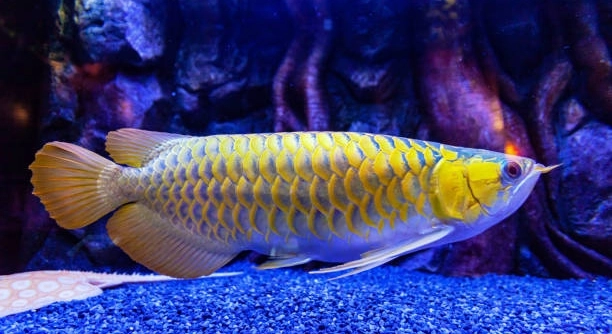
Arowanas are captivating fish known for their graceful movements and shimmering scales. Many enthusiasts enjoy observing their behavior and creating a stimulating environment without directly handling them, appreciating their presence from a safe distance.
Arowanas can be engaged without physical contact through visual stimulation, feeding routines, and environmental enrichment. Providing interactive toys, floating objects, or varying tank setups encourages natural behaviors while maintaining safety and reducing stress for both the fish and the owner.
Learning non-contact methods ensures a healthy relationship with your arowana. Simple adjustments in the tank can significantly enhance interaction and enjoyment.
Creating an Engaging Environment
Arowanas respond well to a carefully arranged tank. Plants, rocks, and driftwood provide visual stimulation and areas to explore. Floating objects or gentle currents can mimic natural habitats, encouraging swimming and interaction. Mirrors placed temporarily outside the tank can spark curiosity, though they should be used sparingly to prevent stress. Feeding routines also play a key role. Offering food at varying locations within the tank stimulates movement and attention. Some owners introduce floating treats to encourage surface activity, while sinking foods can promote exploration at the bottom. Observing these responses allows you to adjust the environment for optimal engagement. Light changes and subtle movements outside the tank can also capture their attention without physical contact. Over time, the arowana becomes accustomed to these cues, responding with natural behaviors like gliding, investigating, and gentle nudging. The goal is a balanced space that challenges and entertains, keeping the fish active and healthy while fostering a connection.
Small modifications in the tank can make a big difference. Even minor rearrangements or rotating decorations keep arowanas mentally stimulated.
Maintaining variety in the tank prevents boredom. Changing the position of objects, introducing occasional new items, or altering feeding patterns keeps the arowana alert. Observing their reactions helps identify what excites them without causing stress. Using different textures and heights in decorations encourages exploration. Rotating floating objects or introducing novel shapes can enhance curiosity. Light reflections or shadows offer subtle enrichment and mimic environmental changes they would experience in natural habitats. Consistent routines combined with occasional changes ensure a stimulating environment, promoting health, activity, and a positive interaction between you and the fish over time.
Interactive Feeding Techniques
Feeding without contact helps the arowana stay active and engaged. Visual cues and target locations guide behavior effectively.
Using feeding sticks, floating trays, or remote-release feeders allows precise delivery of food. This method encourages the fish to swim toward specific spots, creating anticipation and engagement. Alternating between live, frozen, or pellet foods adds variety and mimics natural hunting instincts. Some owners use tongs to dangle food just above the water, allowing the arowana to leap or track motion, providing exercise without direct handling. Tracking its responses helps refine the timing and technique, ensuring minimal stress while maximizing interest. Feeding can become a structured part of interaction, where the arowana learns to associate movement and position with rewards. Careful observation ensures that portions are appropriate, preventing overfeeding while maintaining excitement. Integrating these techniques with environmental enrichment leads to an active, responsive, and visually stimulating experience that strengthens a positive connection. Consistency and attention to behavior are key for success in non-contact interaction.
Understanding Arowana Behavior
Arowanas are naturally alert and cautious. They respond to movement, light, and reflections. Understanding these cues helps create effective interaction without physical contact. Watching their patterns allows adjustments in feeding and environmental enrichment. Recognizing signs of stress is essential for maintaining their well-being.
Observing an arowana closely reveals subtle behaviors. Swimming patterns, fin movements, and eye tracking indicate mood and interest. Some respond quickly to changes in lighting or floating objects, while others take time to explore new items. Consistent observation helps identify what stimulates activity versus what causes anxiety. These insights guide tank arrangement and feeding routines, ensuring engagement remains positive. Over time, you learn to predict reactions, creating a rhythm that balances stimulation and calm, reducing risk of stress-related behaviors such as hiding or aggression.
Body language is key in interpreting arowana responses. Rapid gill movements or darting indicate alertness, while slow, smooth swimming suggests comfort. Tail flicks and fin spreads can signal curiosity or readiness to engage. Changes in posture, such as tilting or hovering near objects, show interest or evaluation. By monitoring these signs, you can introduce new stimuli carefully. Gradual adjustments prevent overexcitation, keeping interaction safe and effective. Combining observation with targeted feeding and environmental tweaks builds a responsive, engaged fish without direct handling, fostering trust indirectly.
Safe Observation Techniques
Positioning near the tank allows the arowana to notice movement without feeling threatened. Gentle gestures outside the glass can catch attention.
Using consistent, calm movements reduces stress. Standing or sitting at a distance, then slowly introducing gestures, allows the fish to explore at its pace. Observing from different angles helps identify preferred spots and responses to various stimuli. Light reflection or slight shadows can attract attention safely. Recording behavior over days or weeks shows patterns, guiding interaction timing. Some owners use subtle taps or finger motions against the glass to trigger investigation, but always monitor for signs of anxiety. This method keeps engagement positive, enhancing visual stimulation while maintaining safety.
Documenting responses improves interaction strategy. Keeping a log of reactions to toys, feeding methods, or movements helps refine techniques and optimize stimulation. Tracking daily activity, preferred areas, and reaction times builds a clear understanding of behavioral patterns. This knowledge informs placement of decorations, timing of feeding, and introduction of new objects. Adjustments based on recorded observations prevent stress and boredom. Over time, the arowana becomes attuned to these cues, responding predictably to non-contact engagement. Structured documentation ensures consistent, safe, and effective methods, allowing a healthy and active fish while maintaining distance.
Visual Stimulation
Mirrors and floating objects can spark arowana curiosity. Brief, controlled exposure encourages exploration and activity without causing stress or fear. Timing and placement are key to effective stimulation.
Light patterns and subtle reflections capture attention safely. Gradual changes prevent startling the fish and maintain a positive response to environmental cues.
Enrichment Toys
Toys such as floating rings or small non-toxic objects provide interactive challenges. They encourage the arowana to swim, investigate, and remain mentally active. Regular rotation keeps interest high and avoids habituation.
Monitoring Health
Regular observation ensures that stimulation methods do not cause stress. Appetite, swimming patterns, and posture are indicators of well-being and should be tracked closely.
FAQ
How can I play with my arowana without touching it?
Non-contact interaction relies on visual and environmental stimulation. Using floating objects, mirrors, or moving items outside the tank can catch the arowana’s attention. Feeding routines with varied locations and methods, such as tongs or floating trays, encourage activity while maintaining distance. Observing its reactions allows you to adjust techniques for safe engagement.
Will my arowana recognize me without physical contact?
Arowanas can recognize familiar movement patterns and body shapes near their tank. Consistent routines, gentle gestures, and predictable feeding times help them associate you with positive experiences, even without direct handling. Over time, they respond to these cues with interest and curiosity.
Are there risks to using mirrors or floating objects?
Mirrors and objects must be used cautiously. Prolonged exposure to mirrors may cause stress or aggression, as the arowana might perceive its reflection as another fish. Floating toys should be non-toxic, smooth, and rotated regularly to prevent boredom and ensure safety. Monitoring reactions ensures the enrichment is beneficial.
How often should I interact with my arowana visually?
Short, consistent sessions are best. Ten to fifteen minutes a few times daily provides stimulation without overwhelming the fish. Observing natural behaviors and adjusting timing based on activity patterns keeps interaction positive and stress-free. Overstimulation can lead to hiding, reduced appetite, or restlessness.
Can feeding routines replace direct play?
Feeding routines can partially substitute for direct contact by encouraging natural hunting and exploration behaviors. Alternating between floating and sinking foods, varying locations, and using target feeding techniques maintain engagement. While it does not fully replace tactile interaction, it fosters a bond through observation and routine.
How do I know if my arowana is stressed?
Signs of stress include hiding, rapid gill movement, darting, or refusal to eat. Changes in posture, such as hovering near the bottom or avoiding certain areas, also indicate discomfort. Adjusting environmental enrichment, light, and interaction methods can reduce stress and maintain well-being.
Can environmental changes stimulate my arowana without handling it?
Yes, rearranging tank decorations, altering light intensity, or introducing new textures encourages exploration. Gradual changes prevent startle responses and promote natural behavior. Small, regular adjustments keep the environment interesting, improving mental stimulation and activity levels.
Is it safe to let the arowana interact with objects on its own?
Yes, as long as the objects are appropriate and non-toxic. Smooth, lightweight items that cannot be swallowed or trapped are ideal. Supervised introduction ensures the fish is curious rather than fearful, supporting safe engagement and mental activity.
How do I combine visual interaction with feeding?
Combine floating or moving objects with timed feeding sessions to create predictable cues. The arowana learns to associate motion with reward, encouraging swimming, tracking, and gentle interaction without physical contact. Observing patterns helps refine the approach for optimal engagement.
What long-term benefits come from non-contact interaction?
Non-contact engagement keeps the arowana mentally stimulated, physically active, and less prone to stress-related behaviors. Regular observation strengthens understanding of its habits, improving feeding efficiency, environmental enrichment, and overall health. A consistent approach ensures a happy, responsive fish while maintaining safety and distance.
How do I maintain consistency in interaction without touching?
Establish routines for feeding, object placement, and observation. Record reactions to different stimuli to determine preferred enrichment methods. Gradually introduce new objects or adjust positions to prevent boredom while maintaining predictable cues. This structured approach helps the arowana remain engaged and comfortable over time.
Are there objects I should avoid for non-contact play?
Avoid sharp, heavy, or toxic items. Anything that can trap fins, be ingested, or break easily poses a risk. Smooth, lightweight, and non-toxic materials are safest. Monitor the fish’s interaction closely to ensure objects encourage curiosity rather than fear or aggression.
Can I teach my arowana tricks without touching it?
Yes, simple responses like swimming to a specific spot or following a moving object can be encouraged. Using consistent cues, timing, and rewards like food, the arowana learns to associate movement with outcomes. Patience and repetition are essential, as learning is gradual and relies on observation.
How do I know which objects stimulate my arowana the most?
Observe reactions carefully. Items that trigger exploration, tracking, or gentle nudging are most effective. Rotate toys or mirrors and note responses. Engagement levels indicate preference, allowing you to optimize enrichment strategies and maintain interest without causing stress.
Is non-contact interaction enough for social stimulation?
While arowanas are naturally solitary, visual and environmental engagement can provide sufficient mental stimulation. Consistent observation, enrichment, and feeding routines simulate interaction, promoting activity and curiosity without introducing unnecessary stress from physical contact or tank mates.
What adjustments help a shy or fearful arowana?
Introduce new objects slowly and keep gestures subtle. Start with familiar items or minimal movement, gradually increasing exposure. Consistent feeding and predictable routines build trust. Avoid sudden light changes, loud noises, or fast motions to reduce anxiety and encourage comfortable exploration.
How can I track progress in non-contact engagement?
Keep a journal noting responses to objects, feeding, and visual cues. Record activity levels, interest, and stress signs. Tracking patterns over weeks highlights successful techniques and areas needing adjustment, allowing a tailored approach that maximizes stimulation while maintaining safety and well-being.
Does tank size affect non-contact play?
Yes, larger tanks provide more space for swimming, exploration, and enrichment. Ample room allows introduction of objects, floating toys, and varied feeding locations, promoting activity. Smaller tanks limit options, so focus on simple enrichment and precise placement to maintain engagement safely.
Can multiple arowanas interact without contact?
If the tank allows sufficient space, visual interaction may occur naturally. However, arowanas are territorial, so each fish requires its own enrichment and observation. Monitor behavior closely to prevent stress or aggression. Non-contact play should be individualized for optimal results.
Are there specific times that work best for interaction?
Morning or early evening often coincides with natural activity peaks. Observing the fish’s routine helps identify preferred periods for stimulation. Aligning enrichment with these times maximizes engagement and reduces stress, making non-contact interaction more effective and enjoyable.
How does water quality influence non-contact engagement?
Clean, stable water conditions are essential. Poor water quality causes stress, reducing responsiveness to visual cues and enrichment. Maintaining temperature, pH, and filtration ensures the arowana remains healthy, alert, and able to participate actively in non-contact interaction.
What signs indicate my arowana enjoys the interaction?
Smooth swimming, following objects, approaching gestures, and exploring new items are positive indicators. Lack of hiding, consistent feeding, and relaxed posture also suggest comfort. Recognizing these behaviors helps reinforce successful techniques and maintain effective, stress-free engagement.
How do I adjust for older or less active arowanas?
Use slower, predictable movements and simpler objects. Reduce distance and duration of visual cues if needed. Focus on feeding-based stimulation and gentle environmental changes. Patience and observation are key, allowing engagement that respects the fish’s energy levels and physical limitations.
Can non-contact methods replace all handling needs?
While some health checks may require brief handling, non-contact methods fulfill most stimulation, enrichment, and interaction needs. Combining observation, environmental adjustments, and feeding routines reduces stress and minimizes handling frequency, promoting long-term health and well-being.
What is the best way to introduce new enrichment items?
Introduce one item at a time, observing reactions closely. Gradual exposure prevents stress and allows the fish to explore at its own pace. Rotate or remove items based on engagement levels, keeping stimulation balanced and safe.
How do I prevent over-stimulation during interaction?
Limit session length, rotate objects, and monitor stress signals. Avoid rapid movements, excessive reflections, or prolonged mirror exposure. Controlled, short intervals maintain curiosity without overwhelming the fish, ensuring positive experiences during non-contact engagement.
Can light adjustments enhance interaction?
Yes, subtle changes in lighting can capture attention and mimic natural conditions. Avoid sudden brightness or flickering, which may startle the fish. Gradual shifts can encourage exploration, activity, and engagement while maintaining a calm, safe environment.
Is it necessary to vary enrichment daily?
Daily variation is helpful but not mandatory. Rotating objects and adjusting placement a few times a week prevents boredom while keeping routines predictable. Balance consistency and novelty to maintain engagement without causing stress.
How long does it take for arowanas to respond consistently to non-contact interaction?
Response times vary by individual. Some adapt within weeks, others may take months. Consistency in routines, observation, and gentle stimuli is crucial. Patience allows the fish to build trust, recognize cues, and engage comfortably with minimal handling.
Are there any tools that help with non-contact engagement?
Tongs, floating trays, mirrors, and lightweight toys are effective. Recording devices or observation logs can track behavior over time. Simple tools combined with careful observation provide structured, safe stimulation that encourages activity and curiosity.
Can environmental enrichment prevent boredom?
Yes, varied objects, feeding methods, and subtle changes maintain interest. Boredom can lead to inactivity, stress, or destructive behavior. Structured, rotating enrichment promotes exploration, engagement, and overall mental well-being without requiring direct contact.
How do I balance stimulation with rest periods?
Alternate interaction sessions with calm, undisturbed periods. Avoid constant visual cues or rapid changes. Observing natural resting patterns helps schedule enrichment effectively, ensuring the arowana remains active, healthy, and stress-free while maintaining mental stimulation.
What should I do if my arowana ignores new enrichment?
Remove or reposition the item and try a different object or method. Gradual introduction and gentle cues often encourage exploration. Patience and observation are key, as some fish require more time to engage with unfamiliar stimuli safely.
Is it important to match enrichment to natural behaviors?
Yes, objects and activities that mimic hunting, exploring, or swimming patterns encourage engagement. Aligning stimulation with instincts keeps the fish active, curious, and comfortable, making non-contact interaction effective and safe.
How can I tell if the fish prefers a certain type of enrichment?
Monitor time spent interacting, approach frequency, and activity level. Positive engagement with specific toys, feeding styles, or visual cues indicates preference. Rotating items while noting reactions helps tailor enrichment to individual interests.
Do arowanas benefit from observing outside movement?
Yes, calm, predictable movement outside the tank can stimulate curiosity and tracking behavior. Sudden or erratic motion may cause stress, so gentle, consistent gestures are recommended to encourage positive interaction.
Can non-contact methods support long-term health?
Yes, consistent stimulation, observation, and enrichment promote physical activity, mental engagement, and stress reduction. Combined with proper water quality, diet, and routine care, non-contact methods contribute to arowanas’ overall well-being and longevity.
How do I integrate multiple techniques effectively?
Combine visual cues, feeding strategies, environmental enrichment, and observation logs. Rotate objects, adjust lighting, and maintain consistent routines. Observing responses guides refinements. Structured integration ensures stimulation without stress, supporting active, healthy, and responsive behavior over time.
What is the most important factor for successful non-contact interaction?
Patience and observation. Understanding individual behavior, adjusting routines, and providing safe, stimulating environments allow meaningful engagement while minimizing stress and ensuring the arowana’s comfort and health over time.
How can I keep interactions fresh over months or years?
Regularly rotate objects, adjust placement, vary feeding techniques, and introduce subtle environmental changes. Observing reactions allows fine-tuning. Balancing consistency and novelty maintains curiosity, prevents boredom, and keeps the arowana active and mentally engaged for the long term.
Are there any common mistakes to avoid?
Avoid overstimulation, abrupt movements, prolonged mirror exposure, unsafe objects, or inconsistent routines. Ignoring stress signals or overfeeding reduces engagement and well-being. Careful observation and structured interaction prevent negative effects and ensure safe, effective non-contact play.
How do I measure success in non-contact interaction?
Success is indicated by consistent engagement, exploration, healthy activity levels, appetite, and minimal stress signs. Observing behavior patterns over time and refining techniques ensures continued stimulation and comfort without physical handling.
Is it possible to fully bond with an arowana without touching?
Yes, through consistent observation, enrichment, feeding routines, and gentle cues. Over time, the fish recognizes patterns and responds positively, creating a meaningful connection while maintaining safety and distance.
Can non-contact play reduce aggressive tendencies?
Yes, structured enrichment and visual stimulation reduce boredom and territorial aggression. By providing mental and physical activity, the arowana remains engaged, calm, and less likely to display stress-related aggression.
Are there seasonal adjustments needed for non-contact interaction?
Minor adjustments may be necessary. Water temperature, light cycles, and activity patterns can shift seasonally. Observing natural behavior ensures enrichment and interaction remain effective and safe throughout the year.
What’s the best way to start with non-contact methods?
Begin with brief observation sessions and simple enrichment. Introduce one new object or technique at a time, watch reactions carefully, and adjust gradually. Patience and consistency establish a routine that encourages engagement while minimizing stress.
How do I maintain motivation for consistent interaction?
Tracking progress, recording observations, and noting positive responses reinforces commitment. Seeing the arowana actively explore, track, and respond to enrichment provides satisfaction and motivation to continue structured non-contact engagement consistently.
Are there signs my arowana prefers certain times for interaction?
Yes, increased activity, curiosity, and swimming patterns indicate preferred periods. Aligning enrichment and feeding routines with these natural peaks maximizes engagement and effectiveness.
Can multiple non-contact techniques be combined in one session?
Yes, combining visual cues, feeding methods, and subtle environmental changes can enhance stimulation. Introduce each element gradually to prevent stress. Observing reactions ensures balanced engagement and maintains a positive experience.
How do I ensure safety while using non-contact enrichment tools?
Select smooth, non-toxic, lightweight objects. Avoid mirrors for extended periods. Monitor reactions carefully and remove items causing stress. Supervised, gradual introduction maintains safety while promoting engagement.
Do non-contact techniques work for young arowanas as well as adults?
Yes, young arowanas may respond more quickly to movement and novel objects, while adults require gradual introduction. Tailoring methods to age and activity levels ensures safe, effective interaction for all stages.
Can I create a schedule for interaction?
Yes, consistent timing for visual cues, enrichment, and feeding encourages predictable responses. Documenting routines helps refine the schedule and maintain effective, stress-free engagement.
How long should each non-contact session last?
Short, focused periods of ten to twenty minutes are ideal. Multiple sessions per day can be used, but avoid overstimulation. Observe behavior to adjust duration based on interest and stress levels.
Is it necessary to change enrichment frequently?
Yes, rotating objects and varying feeding methods prevents boredom. Small, regular changes keep curiosity high while maintaining familiar cues to reduce stress and ensure consistent engagement.
Can non-contact interaction improve overall fish health?
Yes, active exploration and engagement promote physical activity, mental stimulation, and stress reduction. Combined with proper water conditions and diet, non-contact methods support long-term well-being and vitality.
How do I adjust methods for a shy arowana?
Use slower gestures, familiar objects, and predictable routines. Gradually introduce new stimuli and observe reactions carefully. Patience ensures comfort and encourages curiosity without fear.
What is the best approach for multiple arowanas in one tank?
Provide separate enrichment, feeding areas, and visual cues for each fish. Monitor behavior to prevent territorial disputes. Individualized non-contact methods ensure engagement while minimizing stress and aggression.
Can I use technology to assist non-contact interaction?
Yes, automated feeders, remote-release toys, or observation cameras help maintain consistent routines and track responses. These tools support structured interaction without physical contact.
Are there limits to what non-contact interaction can achieve?
Yes, while it promotes stimulation, mental engagement, and mild bonding, some health checks or treatments may require brief handling. Non-contact methods reduce stress but cannot fully replace all physical needs.
How can I encourage arowanas to explore more actively?
Introduce novel objects, adjust light patterns, or place food in varying locations. Gradual changes stimulate curiosity, encourage movement, and maintain mental engagement safely.
How important is observation in non-contact play?
Observation is critical. Understanding behavior, stress signals, and preferences allows safe, effective engagement. It guides adjustments in enrichment, feeding, and interaction for optimal results.
Can these methods work with other large freshwater fish?
Yes, principles of visual stimulation, environmental enrichment, and feeding routines apply. Adjust techniques to species-specific behavior, temperament, and space requirements to maintain safety and effectiveness.
How do I prevent boredom without handling the fish?
Rotate objects, vary feeding locations, and adjust environmental cues regularly. Consistent observation and gradual changes ensure mental stimulation while respecting the fish’s comfort and safety.
Can non-contact interaction strengthen the bond over years?
Yes, consistent routines, positive reinforcement through feeding, and engaging enrichment maintain a meaningful connection. Patience, observation, and gradual adjustments allow long-term engagement without physical handling.
Are there signs that interaction is no longer effective?
Reduced activity, hiding, loss of appetite, or avoidance of enrichment indicate overstimulation or boredom. Adjust methods, timing, or objects to restore interest and maintain safe, effective interaction.
What is the overall goal of non-contact play?
To maintain mental stimulation, physical activity, and curiosity while minimizing stress. Combining observation, enrichment, and feeding routines promotes well-being, safety, and a responsive, active arowana without direct handling.
How do I balance novelty with routine?
Introduce new objects and feeding techniques gradually while keeping consistent cues. Balancing familiar routines with occasional changes maintains engagement, reduces stress, and encourages curiosity over time.
Is patience the most important factor?
Yes, consistent observation, gentle cues, and gradual introduction of enrichment allow the arowana to engage safely and comfortably. Patience ensures effective, stress-free non-contact interaction over the long term.
Can non-contact play substitute for all physical care?
No, it complements regular care. Water quality, diet, and health checks are still necessary. Non-contact methods focus on mental stimulation, engagement, and safe interaction, reducing stress and handling frequency.
How do I start implementing non-contact play today?
Begin with simple visual cues, floating objects, or brief observation sessions. Gradually introduce enrichment, track responses, and adjust routines to ensure safe, consistent, and effective engagement without physical handling.
How do I maintain long-term consistency?
Create a schedule, rotate enrichment, and record behavioral responses. Observing patterns, adjusting routines, and introducing subtle variations maintain interest, ensuring active, engaged, and stress-free non-contact interaction over months and years.
Can non-contact interaction replace social needs?
Yes, for solitary species like arowanas, visual cues
Final Thoughts
Observing an arowana without touching it allows for a safe, stress-free way to enjoy its presence. These fish are naturally alert and responsive to movement, light, and environmental changes. By focusing on visual cues and creating an engaging habitat, you can maintain their activity and curiosity. Floating objects, mirrors used carefully, and rearranged decorations encourage exploration and prevent boredom. Feeding routines can also serve as an effective way to interact, especially when food is offered in varied locations or using tongs, floating trays, or target feeders. Over time, the fish becomes accustomed to these methods and begins to respond to predictable cues. Consistency in approach helps the arowana recognize patterns, linking visual stimuli and feeding times with positive experiences. This type of interaction reduces stress compared with direct handling and promotes overall well-being.
Maintaining a stimulating environment requires attention to detail. Observation is key to understanding how the arowana reacts to different objects, light levels, and movements outside the tank. Subtle gestures, gentle changes in lighting, and brief exposure to enrichment items keep the fish engaged without causing anxiety. Monitoring signs such as posture, swimming patterns, gill movement, or hiding helps identify stress or discomfort early. Adjustments based on these observations are essential. Rotating toys, introducing new textures, and occasionally changing the layout of decorations encourages natural behaviors. Even small changes can make a noticeable difference in activity levels. The goal is to balance predictability with novelty, allowing the arowana to explore at its own pace while remaining confident and comfortable. Non-contact methods work best when tailored to the fish’s individual personality and energy level, as some may be more cautious while others are naturally curious.
Long-term engagement benefits both the fish and the observer. By using non-contact methods, you maintain the arowana’s mental and physical health while minimizing stress. Over time, the fish may begin to recognize your presence and respond positively to cues associated with enrichment and feeding. Structured routines combined with occasional changes in the tank create a sense of familiarity while keeping the environment interesting. Patience and consistent observation are essential, as results develop gradually and vary between individuals. These practices foster a relationship that is safe, responsive, and fulfilling, emphasizing well-being over direct handling. In the end, non-contact interaction allows you to appreciate the beauty and behavior of an arowana in a thoughtful, controlled, and engaging way, ensuring the fish remains active, healthy, and comfortable throughout its life.

Hello,
If you enjoy the content that we create, please consider saying a "Thank You!" by leaving a tip.
Every little bit helps us continue crafting quality advice that supports the health, happiness, and well-being of pets around the world, for pets of all shapes, sizes, and species.
We really appreciate the kindness and support that you show us!