
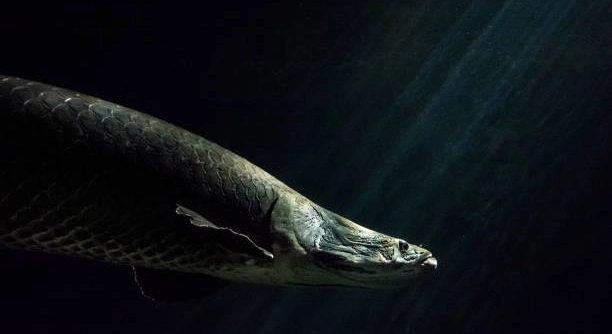
Are your arowanas acting a little different lately, leaving you unsure about what their subtle changes might really mean? Noticing small shifts in behavior or appearance can help you understand their well being more clearly.
Arowanas often show illness through minor changes in appetite, swimming patterns, coloration, and breathing. Identifying these early signs allows for quicker intervention, reducing risks and supporting recovery. Observing consistent patterns is essential for determining whether an underlying health issue exists.
These early clues reveal important shifts in your arowanas condition, offering guidance that supports healthier care choices as you read.
Loss of Appetite
When an arowana starts eating less or refuses food entirely, it is often an early sign of illness. This can result from stress, poor water quality, or internal infections. In my experience, even small changes in appetite can indicate something serious is developing. Monitoring feeding habits daily is essential, as skipped meals over a few days should never be ignored. It is also important to note which foods are being rejected, as this may point to specific digestive or oral issues. Sometimes, the fish may nibble but not fully swallow, signaling discomfort or oral problems. Consistent observation will help you notice these subtle shifts before they become more serious. Offering a variety of high-quality foods can sometimes encourage eating, but persistent refusal should prompt a water test and possible veterinary consultation.
Arowanas that lose interest in food can quickly weaken, making early attention critical to their survival.
A decreased appetite is often the first visible indicator of stress or illness. By keeping a feeding log and observing behavior, you can detect patterns that indicate health issues. Factors like tank temperature, water quality, and recent changes in the environment can all influence appetite. Early recognition allows for timely adjustments to care, improving the chances of recovery and maintaining your fish’s overall vitality.
Unusual Swimming Patterns
Arowanas may swim erratically or stay at the surface when experiencing health problems.
Erratic swimming can result from infections, parasites, or swim bladder issues. Observing patterns and recording changes provides critical insight into the severity of the condition. It is helpful to compare behavior to normal activity levels.
Persistent abnormal movement or a tilted body posture often signals internal distress. Swim bladder problems, common in arowanas, affect buoyancy and balance, making swimming difficult. Infections or parasites may also cause lethargy or frantic bursts of motion. Correcting water parameters, including temperature and pH, can reduce stress, while specific treatments address the underlying cause. Maintaining a consistent environment and minimizing sudden changes helps prevent recurring issues. Timely detection ensures interventions are more effective and can prevent the illness from worsening, supporting long-term health. Recording observations and adjusting care based on patterns is a practical approach for maintaining arowanas’ well-being.
Changes in Color
Arowanas showing faded or dull coloration often indicate stress or illness. A healthy fish typically has vibrant scales, so noticeable changes can signal problems. Monitor color shifts along with other symptoms to identify early signs of underlying conditions.
Color changes can result from poor water quality, nutritional deficiencies, or bacterial infections. Sudden dulling of the scales may occur when the fish is exposed to ammonia or nitrite spikes, or if the diet lacks essential nutrients. Some illnesses cause patches or blotches, which can spread quickly if untreated. Observing the tank’s lighting and water conditions regularly helps prevent stress-related color changes. Treatment may involve improving water parameters and adjusting diet to restore vitality.
Environmental stress, including temperature fluctuations or overcrowding, can also trigger color loss. Even minor changes in the tank setup can affect arowanas, causing them to appear less vibrant. Ensuring stable conditions and a balanced diet supports recovery and maintains the fish’s natural beauty. Regular observation is key to detecting subtle differences that may indicate health concerns.
Labored Breathing
Labored breathing is a clear indicator of potential illness in arowanas, often linked to gill problems or low oxygen levels.
When arowanas gasp at the surface or display rapid gill movements, it may signal oxygen deprivation or parasitic infections. Monitoring water oxygenation and checking for toxins such as ammonia and nitrites is essential. Labored breathing can also result from internal infections affecting the respiratory system. Providing proper aeration and maintaining clean water helps reduce stress and supports healthy gill function. Immediate intervention prevents further complications and supports recovery.
Persistent difficulty in breathing may indicate severe infections or parasites, requiring careful observation and potential treatment. Water quality plays a significant role, as poor conditions increase stress and susceptibility to disease. Aeration systems and regular water changes improve oxygen levels, while addressing underlying infections ensures long-term health. Nutritional support, including high-quality protein, strengthens immunity and aids recovery. Recording breathing patterns alongside other symptoms provides valuable insight for accurate diagnosis and effective care management.
Swollen Body or Fins
Arowanas with swelling in the body or fins often indicate infections or fluid retention. This can occur due to poor water quality, bacterial infections, or internal organ issues. Early detection helps prevent further complications and supports timely treatment.
Swelling may also result from parasites or injuries that lead to inflammation. Monitoring for redness, uneven swelling, or soft spots provides clues about the underlying problem. Addressing water conditions and isolating affected fish can reduce risks and support recovery.
Frayed or Damaged Fins
Frayed fins often point to fin rot, injuries, or stress. It usually develops when the tank environment is unsanitary or overcrowded. Treating the water and maintaining hygiene is essential to prevent worsening damage.
Lethargy
Arowanas showing low activity or spending excessive time at the tank bottom may be experiencing illness. Lethargy is often linked to infections, poor water conditions, or inadequate nutrition. Immediate attention to their environment and diet helps restore energy levels and prevents health deterioration.
White Spots on Scales
White spots on an arowana’s scales are commonly associated with parasitic infections, like ich. Observing their distribution and size is critical for early treatment and preventing spread to other tank inhabitants.
FAQ
How can I tell if my arowana is sick?
Sickness in arowanas often shows through subtle changes in behavior or appearance. Loss of appetite, unusual swimming patterns, faded coloration, frayed fins, labored breathing, or white spots are common signs. Observing daily habits, feeding response, and interactions with the environment helps you spot early indicators.
What should I do if my arowana stops eating?
If your arowana refuses food, check water parameters first, including ammonia, nitrite, nitrate levels, and temperature. Adjusting water quality can relieve stress. Offer a variety of high-quality foods to stimulate appetite. Persistent refusal may require veterinary advice to rule out infections or internal health issues.
Why is my arowana swimming erratically?
Erratic swimming can be caused by stress, swim bladder issues, parasites, or infections. Observing patterns such as tilting, circling, or staying at the surface can help determine the cause. Ensuring stable water conditions and proper aeration can reduce stress, while targeted treatment may address specific illnesses.
How do I treat fin rot or damaged fins?
Frayed fins or fin rot usually result from bacterial infections or injuries. Isolating the affected fish and maintaining clean water are key first steps. Adding antibacterial treatments, following product instructions carefully, and keeping stress low supports healing. Removing aggressive tank mates may also prevent further damage.
What causes white spots on my arowana?
White spots are usually caused by parasitic infections, such as ich. They often appear as small, pinhead-like dots across the scales and fins. Raising water temperature slightly and using recommended anti-parasitic treatments can help eliminate the parasite. Early detection prevents severe spread and additional health complications.
Can stress make my arowana sick?
Yes, stress weakens the immune system, making arowanas more susceptible to illness. Overcrowding, sudden water changes, temperature fluctuations, or aggressive tank mates can cause stress. Maintaining stable conditions, proper tank size, and routine care helps prevent stress-related health issues.
How important is water quality for arowanas?
Water quality is critical to arowana health. Poor water parameters, including high ammonia or nitrite, low oxygen, or improper pH, can lead to illness quickly. Regular testing, partial water changes, and adequate filtration help maintain a stable and healthy environment.
When should I seek professional help?
If symptoms persist despite improving water conditions or adjusting care, professional consultation is necessary. Unexplained lethargy, continued loss of appetite, or spreading lesions indicate the need for expert advice. Early veterinary intervention improves the chances of recovery and prevents complications.
Can diet affect my arowana’s health?
Diet directly impacts health, immune function, and coloration. Offering high-quality protein and occasional variety prevents nutritional deficiencies. Avoid overfeeding, which can lead to digestive issues, obesity, and water contamination, increasing the risk of illness.
Are there preventive measures for arowana illness?
Consistent monitoring of water parameters, maintaining hygiene, providing balanced nutrition, and observing behavior are the most effective preventive measures. Quarantining new fish and avoiding sudden environmental changes reduces the risk of introducing disease into the tank.
How do I know if illness is improving?
Recovery is visible through restored appetite, normal swimming patterns, brightened coloration, and healing fins. Gradual improvement over days to weeks indicates treatment is working. Keeping records of changes helps assess progress and ensures interventions are effective.
Can arowanas recover from serious illness?
Yes, many illnesses are treatable if detected early and addressed properly. Supportive care, consistent monitoring, and timely interventions improve recovery chances. Severe or prolonged issues may require veterinary treatment, but early detection greatly increases the likelihood of returning your arowana to full health.
What common mistakes worsen arowana illness?
Ignoring early signs, inconsistent water care, overfeeding, and delaying treatment can worsen conditions. Sudden changes in water temperature or overcrowding increase stress and slow recovery. Careful observation and gradual adjustments prevent further complications and support the healing process.
How often should I monitor my arowana for signs of illness?
Daily observation is ideal. Checking behavior, appetite, coloration, and swimming patterns ensures you detect subtle changes quickly. Regular water testing, tank maintenance, and attention to feeding habits support overall health and help catch potential problems early.
Can multiple illnesses occur at the same time?
Yes, stressed or weakened arowanas are susceptible to multiple health issues. Parasites, bacterial infections, and swim bladder problems can occur simultaneously. Maintaining optimal water quality, diet, and stress reduction is crucial to prevent compounded illness.
How can I make treatment less stressful for my arowana?
Provide a calm, stable environment with minimal disturbances. Use quarantine tanks for treatment if necessary, maintain proper water conditions, and handle the fish carefully. Reducing stress supports immunity and improves the effectiveness of any treatments applied.
Are there signs that indicate immediate danger?
Severe lethargy, persistent gasping at the surface, rapid fin decay, or widespread white spots indicate urgent issues. Immediate water testing, isolation, and professional advice are necessary to prevent death and protect other tank inhabitants.
What role does tank size play in arowana health?
Arowanas need ample space to swim and thrive. Small or overcrowded tanks cause stress, reduce water quality, and increase disease risk. Ensuring the correct tank size and proper filtration prevents many common health problems.
Can environmental changes trigger illness?
Yes, sudden changes in temperature, lighting, or water chemistry can stress arowanas and trigger illness. Gradual adjustments and stable conditions support long-term health and reduce susceptibility to disease.
Is quarantine necessary for new arowanas?
Quarantine prevents introducing disease to established tanks. Isolating new fish for several weeks allows observation for illness, parasites, or infections. Proper quarantine reduces the risk of spreading issues to healthy fish.
How long does it take for treatment to show results?
Recovery times vary depending on the illness and its severity. Minor issues may improve within days, while serious infections may take weeks. Monitoring daily and maintaining proper care accelerates recovery and ensures the effectiveness of treatment.
What daily routines support arowana health?
Feeding a balanced diet, observing behavior, testing water quality, cleaning the tank, and maintaining stable temperature are essential. Consistent daily care prevents illness and helps detect subtle changes before they become serious problems.
Can I use natural remedies for arowana illness?
Some mild issues respond to natural interventions, like improved water quality and diet. However, serious infections, parasites, or internal problems require targeted treatments. Using natural remedies alone may delay proper care and worsen conditions if the illness is advanced.
How do I prevent recurring health problems?
Maintaining consistent water quality, proper nutrition, and minimal stress prevents recurring illness. Regular observation, isolation of sick fish, and proactive care reduce the chances of repeated health issues, ensuring long-term vitality and stability.
What signs indicate recovery is complete?
Active swimming, normal appetite, restored coloration, healthy fins, and regular breathing indicate full recovery. Ongoing observation ensures the fish remains healthy and prevents relapse after treatment is finished.
Is it normal for arowanas to show minor changes in behavior occasionally?
Minor changes can occur due to environmental adjustments, feeding routines, or temporary stress. Observing patterns over time helps distinguish between normal variations and signs of illness that require attention.
Final Thoughts
Caring for arowanas requires attention to detail and consistency. These fish are sensitive to changes in their environment, and even small shifts in behavior or appearance can indicate that something is wrong. Observing daily habits, including appetite, swimming patterns, and breathing, helps you detect early signs of illness. Keeping track of subtle changes allows for timely action, which can prevent minor issues from becoming serious problems. Maintaining clean water, stable temperatures, and proper filtration are fundamental practices that support your arowanas’ health and reduce the likelihood of disease. Small adjustments in care routines, such as providing varied, high-quality foods and monitoring tank conditions, can make a significant difference in keeping your fish strong and healthy.
Understanding the common signs of illness, like color changes, fin damage, white spots, or lethargy, helps you respond quickly and appropriately. Early detection gives you a better chance of treating any underlying issues before they progress. Illness in arowanas can develop gradually, and recognizing subtle signals is more effective than waiting for severe symptoms to appear. Implementing preventive measures, including quarantine for new fish, monitoring water quality, and avoiding overcrowding, reduces stress and supports immune function. Even minor signs, such as reduced appetite or slight changes in swimming behavior, can be important indicators. Addressing these promptly ensures that the fish remains healthy and avoids long-term complications. Consistent care routines, attention to diet, and careful observation are key strategies for keeping arowanas in optimal condition.
It is important to remember that arowanas are long-lived and require long-term commitment. Supporting their health involves more than reacting to illness—it means creating a stable, balanced environment that minimizes stress and promotes natural behavior. Providing appropriate space, maintaining water quality, and ensuring proper nutrition are ongoing responsibilities that pay off with a healthy, vibrant fish. Observing your arowanas closely and responding to subtle changes will help you catch potential issues early. A patient and consistent approach to care allows the fish to thrive and reduces the likelihood of repeated health problems. By following these practices, you can maintain the well-being of your arowanas, ensuring that they remain active, strong, and visually striking for years to come.

Hello,
If you enjoy the content that we create, please consider saying a "Thank You!" by leaving a tip.
Every little bit helps us continue crafting quality advice that supports the health, happiness, and well-being of pets around the world, for pets of all shapes, sizes, and species.
We really appreciate the kindness and support that you show us!