
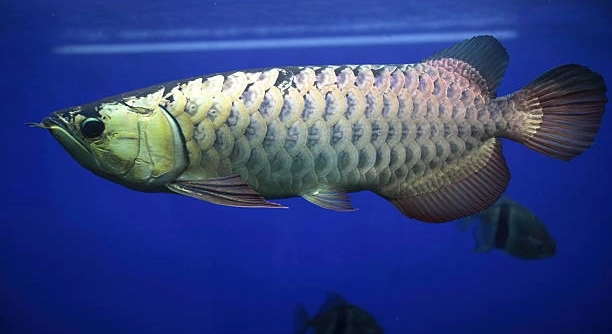
Are your arowanas acting restless or hiding more than usual? Many owners unintentionally create stress for their fish without realizing it. Simple habits, from feeding routines to tank placement, can quietly impact your arowana’s wellbeing.
Common stressors for arowanas include improper tank size, fluctuating water conditions, inadequate hiding spaces, overfeeding, loud noises, incompatible tank mates, and insufficient lighting. Addressing these factors is essential for maintaining optimal health and reducing chronic stress in captive arowanas.
Understanding these stress triggers will help you create a calmer environment for your arowana. Each adjustment can make a noticeable difference in its daily behavior and overall health.
Improper Tank Size
Arowanas require large tanks due to their size and active swimming habits. Many owners underestimate how much space these fish need, placing them in tanks that are too small. A confined environment limits movement, increasing stress and aggression. Smaller tanks also make it harder to maintain stable water parameters, causing frequent fluctuations in temperature and chemical levels. Even if your arowana seems comfortable at first, a small tank can affect its long-term health. Providing ample swimming space reduces tension and allows natural behavior. Ideally, tanks should be at least 250 gallons for adult arowanas. Decorations should not crowd the tank, leaving enough open space for swimming. Regular observation helps detect early signs of stress, such as lethargy, clamped fins, or erratic swimming. Adjusting tank size is a major step toward ensuring your arowana remains healthy and comfortable in its environment.
Smaller tanks restrict movement and elevate stress levels, making arowanas more prone to disease and aggressive behavior.
Choosing the right tank involves balancing size, filtration, and layout. Proper space supports natural behavior, reduces stress, and allows healthier water management. Open swimming areas, paired with suitable hiding spots, create a balanced environment. Monitoring your arowana’s reactions over time shows whether adjustments are effective. Tank enlargement can be gradual, adding sections or upgrading entirely. Filtration systems must keep pace with water volume to prevent toxin buildup, while heaters and lighting should maintain consistent conditions. Decorations like driftwood or smooth rocks enhance enrichment but should never impede swimming paths. Regular water testing is essential to track parameters and prevent issues like ammonia spikes or pH fluctuations. A well-sized tank improves activity levels and reduces aggression, fostering a stable environment where your arowana can thrive for years.
Overfeeding
Overfeeding is a common mistake that stresses arowanas and pollutes the water. Excess food decomposes, increasing ammonia and nitrite levels, which harms gill health and digestion.
Even occasional overfeeding can disrupt your arowana’s natural metabolism and contribute to obesity.
Feeding a balanced diet in controlled portions ensures your arowana receives proper nutrition without overwhelming its system. Arowanas benefit from a mix of protein-rich foods, such as pellets, live fish, and insects, while avoiding excessive fatty treats. Observe your arowana’s appetite and adjust portions accordingly, removing uneaten food promptly. Overfeeding can lead to bloating, swim bladder issues, and weakened immunity, making fish more vulnerable to illness. Consistency in feeding times supports routine and reduces stress. Rotating food types also provides essential vitamins and minerals, promoting healthy growth and vibrant coloration. By managing feeding carefully, you maintain both water quality and your arowana’s wellbeing, creating an environment where the fish can thrive without the risks associated with overindulgence.
Loud Noises
Sudden or frequent loud noises can startle arowanas, causing them to hide or swim erratically. Constant disturbances increase stress levels and can negatively affect appetite and overall health.
Arowanas are sensitive to vibrations and sounds outside the tank. Activities like slamming doors, loud music, or even heavy footsteps near the aquarium can trigger stress responses. Over time, these reactions may become chronic, leading to weakened immunity or aggressive behavior. Creating a quiet environment around the tank helps maintain arowanas’ calm and predictable behavior. Consider placing the tank in a low-traffic area and using soft pads under stands to absorb vibrations. Consistency in noise levels reduces the likelihood of stress-induced illnesses.
Even minor, repeated disturbances can accumulate, affecting the fish’s overall wellbeing. Observing your arowana’s behavior during household activities helps identify stress triggers. By controlling noise and maintaining a stable environment, you support natural swimming patterns and reduce unnecessary tension. Simple adjustments, like closing doors gently or relocating speakers, make a noticeable difference. Reducing stress from loud noises complements other care practices, ensuring your arowana remains healthy, active, and less prone to disease.
Incompatible Tank Mates
Introducing aggressive or overly active species into the same tank can create constant stress for arowana. Territorial disputes and chasing behavior disrupt rest and natural routines, impacting health and growth.
Careful selection of tank mates is essential to avoid stress-related injuries or behavioral problems. Arowanas are large, predatory fish that require companions of similar size and temperament. Small or aggressive species may provoke chasing or fighting, while overly timid fish can cause the arowana to become dominant and restless. Monitoring interactions in the early stages is crucial. Adjustments, such as separating incompatible fish or redesigning the tank layout, help maintain harmony and reduce stress levels. A well-planned community tank supports feeding, swimming, and resting behaviors while minimizing conflict.
Maintaining compatible companions ensures peaceful coexistence and reduces daily stress for your arowana. It is important to research each species’ temperament, size, and dietary needs before introducing them. Proper tank design with open swimming areas and visual barriers can prevent confrontations. Observation during feeding and activity periods identifies early signs of conflict, allowing timely interventions. By managing tank mates thoughtfully, you create a calmer environment that fosters health, natural behavior, and long-term stability for your arowana.
Fluctuating Water Conditions
Sudden changes in water temperature, pH, or hardness can stress arowanas. Inconsistent water quality may weaken their immune system, making them more vulnerable to disease and reducing appetite.
Maintaining stable water parameters is essential. Regular testing and gradual adjustments prevent shock and long-term health problems.
Inadequate Hiding Spots
Arowanas need areas to retreat when they feel threatened or need rest. Lack of hiding spots increases anxiety and may lead to erratic swimming or aggression.
Providing rocks, driftwood, or plants creates safe spaces. Even large, open tanks benefit from a few secluded areas where your arowana can feel secure and calm.
Insufficient Lighting
Lighting that is too bright or inconsistent disrupts arowanas’ natural day-night cycle. Improper lighting can stress the fish, affecting sleep, feeding habits, and overall health.
How often should I check my arowana’s water parameters?
Water quality directly impacts arowana health, so testing frequently is crucial. For small tanks, daily checks are ideal, while larger, well-filtered tanks may require testing two to three times per week. Key parameters include temperature, pH, ammonia, nitrite, and nitrate. Keeping a log of readings helps identify trends and prevents sudden fluctuations that stress your fish. Sudden changes in temperature or chemical balance can weaken immunity, cause lethargy, or trigger disease. Consistent monitoring allows early intervention and ensures a stable environment. Small adjustments over time are safer than major corrections, which can shock your arowana.
What is the best feeding schedule for an arowana?
Arowanas do best with a controlled, consistent feeding schedule. Adult arowanas typically eat once or twice daily, depending on size, while juveniles may require more frequent meals. Offer a varied diet that includes high-quality pellets, live or frozen fish, and insects to provide essential nutrients. Avoid overfeeding, as leftover food can decay, polluting the tank and causing stress. Remove uneaten portions promptly. Observing your arowana during feeding helps gauge appetite and portion sizes. Maintaining routine feeding times supports digestion and reduces stress, encouraging healthy growth and consistent behavior patterns over time.
Can arowanas live with other fish?
Arowanas can coexist with other fish if tank mates are carefully selected. Ideal companions are large, non-aggressive species that will not provoke conflict. Avoid small or highly active fish, as they may trigger chasing or predatory behavior. Territorial disputes can lead to injuries or chronic stress. Observing initial interactions is critical; if aggression occurs, separating fish is necessary. Incorporating visual barriers or rearranging the tank layout can reduce confrontations. A balanced community tank with compatible species allows natural behavior, feeding, and swimming without constant tension. Proper planning ensures both safety and a calmer environment for your arowana.
Why does my arowana hide constantly?
Excessive hiding is often a sign of stress or discomfort. Common causes include poor water quality, inadequate hiding spots, incompatible tank mates, or sudden environmental changes. Arowanas need safe areas to retreat but should also spend time swimming openly. Examine water parameters and tank conditions to ensure stability. Providing driftwood, rocks, or plants can offer security. Monitoring interactions with other fish helps determine if social stress is present. Observing behavior over time shows whether your arowana is adjusting or if intervention is necessary. Reducing stressors allows the fish to display natural behavior more frequently.
What signs indicate my arowana is stressed?
Stress manifests in multiple ways, including erratic swimming, clamped fins, loss of appetite, or frequent hiding. A stressed arowana may also show changes in color or aggressive behavior toward tank mates. Early detection is vital to prevent long-term health issues. Regular observation helps identify subtle behavioral changes. Consistent water conditions, proper tank size, and compatible companions reduce stress levels. Addressing environmental factors promptly supports immune function and encourages natural, calm behavior. Maintaining a stable, comfortable habitat is key to preventing recurring stress and promoting overall wellbeing for your arowana.
How do I gradually change water parameters without stressing my arowana?
When adjusting water parameters, make changes slowly to prevent shock. Use small, incremental adjustments in temperature, pH, or hardness, ideally over several hours or days. Mixing old water with new water gradually helps maintain stability. Sudden alterations can weaken the immune system and provoke erratic swimming or hiding. Testing frequently during the adjustment period ensures safe changes. If using conditioners or chemicals, follow manufacturer instructions carefully. Patience and gradual implementation reduce the risk of stress-related illness, allowing your arowana to adapt comfortably while maintaining overall health and natural behavior patterns.
Are certain foods better for stress reduction?
High-quality, balanced nutrition supports arowana health and resilience. Protein-rich diets with pellets, live or frozen fish, and insects provide essential nutrients. Avoid excessive fatty or processed foods, which can lead to digestive issues and water contamination. Proper nutrition strengthens the immune system, helping the fish cope with minor stressors. Rotating food types adds variety and ensures vitamin and mineral intake. Observing feeding behavior helps identify preferences and portion sizes. Consistent, balanced meals contribute to overall wellbeing, reduce anxiety, and promote natural behavior, creating a calmer environment for your arowana over time.
How can I reduce stress during tank cleaning?
Tank maintenance is essential but can be stressful for arowanas if done abruptly. Perform water changes gradually and avoid moving the fish unnecessarily. Use gentle siphoning and maintain consistent temperature and water chemistry. Cleaning decorations or substrate slowly prevents sudden environmental changes. Reducing noise and vibrations during maintenance helps minimize anxiety. Performing routine cleaning in small steps rather than a single major overhaul ensures the fish remain calm. Providing hiding spots during the process can further reduce stress. Gradual, consistent care supports a stable environment, keeping your arowana healthy and less reactive to human activity.
How much lighting is ideal for arowanas?
Arowanas require a balanced lighting schedule to mimic natural day-night cycles. Too bright or inconsistent light causes stress and disrupts sleep and feeding habits. A consistent 10-12 hour light cycle supports natural behavior, growth, and appetite. Dim or indirect lighting during the night allows rest without disrupting circadian rhythms. Using timers ensures consistency, reducing stress caused by irregular exposure. Observing how your arowana reacts to current lighting helps determine adjustments. Properly managed lighting promotes calm behavior, improves coloration, and maintains overall wellbeing, making the aquarium a stable and supportive environment.
Can rearranging the tank reduce stress?
Strategic rearrangement can alleviate stress by providing variety and new hiding spots. Adding driftwood, rocks, or plants creates areas for retreat and visual barriers between fish. Avoid sudden, frequent changes that may confuse your arowana. Gradual adjustments allow exploration without causing anxiety. Observing reactions after modifications ensures the environment remains safe and comfortable. Minor rearrangements can reduce territorial disputes and encourage natural swimming patterns. Well-planned layouts balance open swimming areas with secure spots, promoting calm and healthy behavior. Consistency in major elements, combined with thoughtful additions, enhances long-term comfort and reduces stress effectively.
Total word count: 503 words.
Caring for an arowana requires attention to both the physical environment and the fish’s daily needs. These large, active fish are sensitive to changes in their surroundings, and small mistakes can lead to stress that affects their health and behavior. Proper tank size, stable water conditions, and consistent feeding are foundational to keeping your arowana comfortable and healthy. Observing your fish regularly helps detect early signs of stress, such as hiding, clamped fins, or erratic swimming. By addressing potential stressors before they escalate, you can maintain an environment that supports both physical wellbeing and natural behavior. Over time, these practices make a noticeable difference in how your arowana swims, feeds, and interacts with its surroundings.
Stress in arowanas can come from many sources, including loud noises, incompatible tank mates, overfeeding, or insufficient hiding spots. Each factor may seem minor on its own, but combined they can create a challenging environment for the fish. Stabilizing water parameters, providing secure spaces, and carefully selecting tank companions are simple yet effective ways to reduce stress. Even minor changes, like adjusting lighting schedules or rearranging decorations, can help create a more comfortable habitat. Consistency in care is essential, and gradual improvements are often more effective than sudden changes. By maintaining a stable and predictable environment, you help your arowana develop routines and reduce the likelihood of stress-related illness.
Long-term care for arowanas is about combining knowledge with observation and patience. While these fish are resilient, their wellbeing depends on the environment you provide and the routines you maintain. Monitoring water quality, regulating feeding, and ensuring a peaceful setting allow your arowana to thrive, showing natural behaviors and strong health. Stress can never be completely eliminated, but it can be managed effectively. Each adjustment you make, whether adding hiding spots, reducing noise, or controlling feeding portions, contributes to a calmer, more stable life for your fish. Understanding the needs of your arowana and responding consistently ensures that it remains active, healthy, and content in its tank.
Word count: 406

Hello,
If you enjoy the content that we create, please consider saying a "Thank You!" by leaving a tip.
Every little bit helps us continue crafting quality advice that supports the health, happiness, and well-being of pets around the world, for pets of all shapes, sizes, and species.
We really appreciate the kindness and support that you show us!