
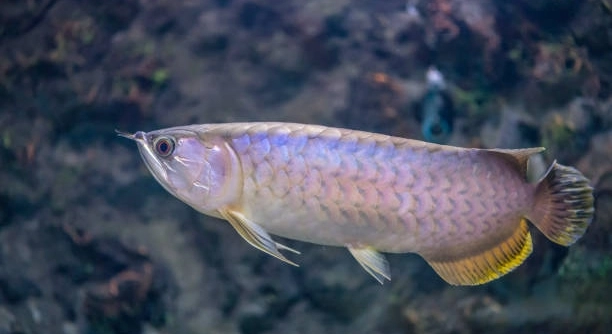
Keeping an arowana entertained when it is alone can be a challenge for any aquarist. These fish are active and intelligent, requiring stimulation to prevent boredom. Providing the right environment helps maintain their physical and mental health.
There are several strategies to keep an arowana engaged when alone, including introducing floating toys, rearranging tank decor, providing varied feeding experiences, using mirror reflections cautiously, offering live or frozen prey, creating currents for exploration, and regularly monitoring their activity patterns.
Implementing these techniques can enhance your arowana’s well-being while ensuring it remains active and healthy in a solo environment. Proper engagement contributes to both physical and mental stimulation consistently.
Introduce Floating Toys
Floating toys are simple additions that can capture your arowana’s attention. Small balls, artificial plants, or even lightweight rings encourage movement and curiosity. By gently moving them across the water surface, you can stimulate natural hunting instincts, keeping the fish active without direct interaction. These toys should be safe, non-toxic, and large enough to prevent accidental swallowing. Rotating the toys regularly prevents your arowana from losing interest and provides new visual and tactile stimuli. Even subtle changes, like shifting their positions in the tank, can maintain engagement and help reduce stress. Observing how your arowana reacts to different toys also gives insight into its preferences and personality. Maintaining a balance between entertainment and safety ensures your fish enjoys a stimulating environment that encourages natural behavior. Over time, floating toys can become a reliable source of daily mental exercise for a solo arowana.
Floating toys offer consistent, low-maintenance stimulation that supports your arowana’s activity and curiosity effectively.
Variety in floating toys is essential. Changing shapes, textures, and movements prevents boredom, encourages exploration, and provides daily mental exercise. Observing interactions helps refine which items engage the fish most.
Rearrange Tank Decor
Rearranging tank decorations introduces novelty without adding extra items. Moving rocks, driftwood, or plants alters swimming paths and hiding spots. This encourages exploration and mental engagement. Even small changes can spark curiosity and provide environmental enrichment for a solo arowana.
Changing tank decor can reduce monotony and simulate natural challenges. Your arowana will navigate new layouts, promoting exercise, mental alertness, and problem-solving skills. Frequent adjustments keep the environment dynamic, maintaining interest and preventing stress. Over time, the fish adapts to changes, improving confidence and promoting healthy routines. Careful planning ensures decorations remain safe and stable while offering different textures, depths, and hiding opportunities. Observing behavior during transitions helps identify preferred areas or objects. Regularly updating the tank can also allow for controlled introduction of new stimuli, encouraging natural instincts without overwhelming the fish. A well-arranged tank contributes to overall health and can reduce aggressive tendencies that sometimes appear in under-stimulated fish. Balancing novelty with familiarity is key, ensuring the arowana experiences enrichment consistently without unnecessary stress.
Varied Feeding Experiences
Offering different types of food can keep your arowana engaged. Switching between live, frozen, and prepared options encourages natural hunting and exploration. Using feeding tongs or hiding food in safe spots adds mental stimulation.
Introducing new feeding techniques can make meal times more enriching. Live foods such as small shrimp or insects trigger hunting instincts, while frozen or pellet options provide nutritional balance. Placing food in various areas of the tank encourages swimming and problem-solving. Using tongs to move food slowly or letting it drift can mimic natural movement, keeping the fish alert and active. Occasionally hiding food behind rocks or under plants provides extra challenge and engagement. Monitoring how the arowana responds to each type helps identify preferred foods and feeding methods. Combining variety with consistency ensures the fish receives a balanced diet while remaining stimulated daily. Over time, feeding routines can become a form of enrichment that promotes both mental and physical activity.
Rotating feeding methods also prevents predictability. By combining live, frozen, and pellet foods, your arowana stays curious and active while meeting dietary needs consistently.
Mirror Reflections
Using mirrors occasionally can stimulate arowanas, as they may perceive their reflection as another fish. Limit exposure to avoid stress or aggression.
Controlled mirror use encourages natural displays of movement and alertness. Short sessions, just a few minutes at a time, can prompt the fish to explore or react, providing mental stimulation without overwhelming it. Positioning the mirror at different angles allows the arowana to investigate reflections from multiple perspectives. It is important to remove the mirror after brief periods to prevent frustration or territorial behavior. Observing the fish during these interactions helps gauge comfort levels and adapt mirror placement. Mirrors can also be combined with floating toys or rearranged decor for layered stimulation. When managed carefully, mirror reflections can enhance activity, exercise, and curiosity, contributing positively to solo enrichment while supporting healthy behavioral expression.
Create Water Currents
Introducing gentle currents encourages your arowana to swim actively and explore its environment. Using a filter or air pump strategically can guide movement, stimulating natural behaviors and preventing lethargy.
Varying current strength and direction keeps swimming patterns dynamic. Observing how your arowana adapts helps ensure currents are stimulating without causing stress or fatigue.
Offer Live or Frozen Prey
Live or frozen prey provides both nutrition and entertainment. Small fish, shrimp, or insects trigger hunting instincts and make feeding interactive. Properly sized prey ensures safety and promotes healthy exercise while keeping your arowana mentally engaged.
Observe Activity Patterns
Tracking your arowana’s behavior identifies periods of high or low activity. Adjusting environmental factors based on observations can enhance engagement, ensuring the fish remains healthy and stimulated.
Combine Techniques
Combining feeding, currents, toys, and decor changes maximizes enrichment. Using multiple strategies in rotation maintains interest, supports natural behaviors, and prevents boredom, promoting consistent mental and physical activity for a solo arowana.
FAQ
How often should I change my arowana’s toys?
Rotating toys every one to two weeks is usually enough to maintain interest. Frequent changes prevent boredom and encourage exploration, while too many changes too quickly can overwhelm the fish. Observe which items stimulate activity to plan future rotations.
Can mirrors cause stress for my arowana?
Yes, prolonged exposure to mirrors can lead to stress or aggression. Short sessions of a few minutes, once or twice a week, are safe. Always monitor behavior and remove mirrors if signs of agitation appear.
Is it safe to use live prey regularly?
Live prey is safe in moderation, but it should be properly sourced and free of disease. Overfeeding live food can lead to nutritional imbalance. Combining live prey with frozen or pellet options ensures a healthy diet and prevents dependency.
How strong should water currents be?
Currents should be gentle to moderate. Too strong a current can exhaust or injure your arowana. Adjust pump or filter flow to encourage swimming without creating stress. Observation is key to finding the right balance for activity and comfort.
What types of toys work best for solo arowanas?
Floating balls, rings, and lightweight artificial plants are ideal. They stimulate movement and curiosity without risk of ingestion. Vary shapes, colors, and textures to maintain engagement and observe which types the fish interacts with most.
Can rearranging tank decor cause stress?
Small, gradual changes are safe and beneficial. Rearranging rocks, driftwood, or plants stimulates exploration. Avoid drastic changes that block hiding spots or drastically alter swimming space, as these can increase stress levels.
How can I tell if my arowana is bored?
Signs include reduced swimming, hiding excessively, repetitive pacing, or refusing food. Addressing boredom with toys, currents, decor changes, and varied feeding can improve activity and mental stimulation. Regular observation helps identify changes early.
Should I use multiple enrichment techniques at once?
Combining methods is effective but should be gradual. Introduce toys, currents, feeding variations, and mirror sessions in rotation. Overloading the tank with stimuli may confuse the fish. Balance engagement with periods of calm for optimal well-being.
Can my arowana hurt itself with toys?
Only if toys are small, sharp, or toxic. Ensure items are large enough to avoid swallowing, smooth in texture, and made from safe materials. Regularly inspect toys for wear and remove damaged items promptly.
How do I monitor the success of enrichment techniques?
Observe swimming patterns, interaction with toys, feeding response, and overall activity. A stimulated arowana is alert, curious, and active. Adjust methods based on behavior to ensure enrichment remains effective and stress-free.
Is it necessary to provide enrichment daily?
Daily stimulation is helpful but doesn’t require constant interaction. Short periods of activity through toys, currents, or feeding challenges suffice. Allow downtime for rest while maintaining consistent engagement to promote health and prevent boredom.
Can solo enrichment replace a tank mate?
No, enrichment supports mental and physical activity but cannot replace social interaction. Arowanas are solitary by nature, so enrichment techniques help simulate challenges and prevent lethargy, maintaining well-being in a solo environment.
How do I combine feeding and activity stimulation?
Use feeding tongs to move food, hide prey among plants, or allow frozen food to drift in currents. This encourages swimming, hunting instincts, and engagement, combining mental and physical stimulation in a single routine.
What is the best schedule for enrichment?
Consistency matters more than intensity. Rotate toys, rearrange decor weekly, offer live or frozen prey several times a week, and use mirrors or currents for short periods. Regular observation ensures the schedule meets the arowana’s needs without causing stress.
Can enrichment prevent health problems?
While enrichment does not replace proper diet or water care, it promotes exercise, reduces stress, and prevents lethargy, indirectly supporting physical health. Active arowanas are less prone to obesity, fin damage, and behavioral issues. Regular mental and physical stimulation contributes to long-term well-being.
Are some arowanas more receptive to enrichment than others?
Yes, personality and age influence responsiveness. Younger fish may explore more, while older or more cautious individuals may need gradual introduction. Observing preferences allows you to tailor enrichment effectively, ensuring engagement for each fish’s unique behavior.
How long should enrichment sessions last?
Short, frequent sessions are best. Five to fifteen minutes per activity is sufficient. Extended exposure, especially with mirrors or intense currents, can cause stress. Monitor reactions and adjust duration for optimal stimulation without overwhelming your arowana.
Does tank size affect enrichment needs?
Yes, larger tanks provide more space for exploration, swimming, and interaction with toys. Smaller tanks require more controlled stimulation, focusing on safe placement of decor, toys, and currents to maximize engagement without overcrowding the space.
Can enrichment reduce aggression?
Yes, appropriate enrichment keeps the fish occupied and mentally stimulated, reducing frustration and territorial behavior. Avoid overstimulation, which can increase aggression. Balanced activity supports calm and confident behavior in a solo environment.
How do I know if my enrichment techniques are working long-term?
Look for consistent activity, curiosity, healthy feeding habits, and balanced behavior. If the arowana engages with toys, explores decor, and responds to feeding challenges, enrichment is effective. Adjust methods gradually as the fish matures or shows changes in preferences.
This FAQ provides practical answers for keeping a solo arowana active, engaged, and mentally stimulated through careful observation, consistent enrichment, and safe, varied activities.
Word count: 507
Final Thoughts
Keeping an arowana entertained while it is alone requires a combination of careful planning, observation, and consistent effort. These fish are naturally active and intelligent, so providing a stimulating environment is essential for their mental and physical health. Simple additions, such as floating toys or rearranged tank decor, can make a noticeable difference in activity levels. Incorporating variety helps maintain interest, and small changes over time prevent the fish from becoming bored. Even minor adjustments, like shifting a rock or adding a new texture, encourage exploration and curiosity. Observing how the fish interacts with its surroundings allows for a better understanding of its preferences, which can inform future enrichment strategies. The goal is to create an environment that mimics natural behaviors while keeping the arowana safe and comfortable.
Feeding routines are also an important part of enrichment. Offering a mix of live, frozen, and prepared foods can engage the fish’s natural hunting instincts and add an element of challenge to daily meals. Techniques like hiding food behind plants or using feeding tongs to create movement simulate natural prey behavior. These strategies promote swimming, problem-solving, and alertness while also providing nutrition. Additionally, introducing controlled water currents encourages active movement and exercise, which is important for maintaining physical health. Mirror sessions can be used sparingly to stimulate curiosity, but care must be taken to prevent stress or aggressive behavior. By combining different methods thoughtfully, it is possible to maintain a well-balanced and enriching environment that supports both mental and physical well-being.
Consistency and monitoring are key to successful solo enrichment. Regular observation allows for adjustments based on the arowana’s reactions, ensuring that new activities or changes are beneficial rather than overwhelming. Short, frequent sessions of stimulation are generally more effective than long, continuous exposure. Enrichment is not just about entertainment; it also helps prevent behavioral issues, promotes exercise, and reduces stress. Each fish may respond differently, so techniques should be tailored to its personality and needs. Over time, a thoughtful approach to enrichment can make a significant difference in overall health and happiness. By combining toys, decor changes, feeding variations, and gentle currents, it is possible to provide a fulfilling and engaging environment for a solo arowana, keeping it active and mentally stimulated every day.
Word count: 416

Hello,
If you enjoy the content that we create, please consider saying a "Thank You!" by leaving a tip.
Every little bit helps us continue crafting quality advice that supports the health, happiness, and well-being of pets around the world, for pets of all shapes, sizes, and species.
We really appreciate the kindness and support that you show us!