
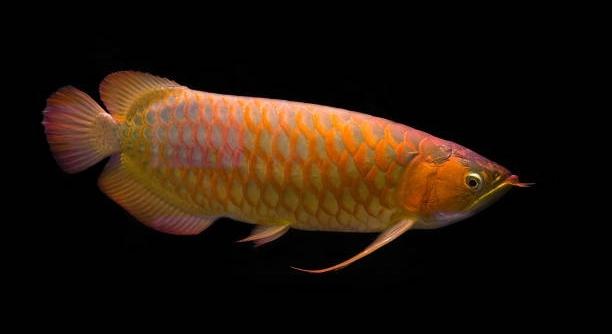
Have you ever noticed how your arowana reacts to changes around its tank when unexpected noises happen, leaving you wondering what might be causing such sudden responses from your usually calm fish in its daily
Arowanas can be startled by unusual sounds because their sensory systems detect subtle vibrations. Sudden or irregular noises disrupt their perception of safety, prompting rapid responses that reflect instinctive survival behaviors shaped by their natural environments and awareness of disturbances.
These reactions reveal how sensitive your arowana can be, offering insight into the unexpected triggers that influence its everyday comfort.
Sudden Vibrations From Household Appliances
Arowanas can react strongly to vibrations from appliances placed close to their tank. Washing machines, dryers, and even older refrigerators can produce low rumbling sounds that travel through floors and stands. These subtle movements often feel stronger to fish than to humans. When these noises occur without warning, your arowana may dart, flare, or retreat to a corner. Frequent exposure to these disturbances can raise its stress levels, especially if the tank sits on a surface that easily transfers vibration. Keeping appliances at a comfortable distance helps your fish feel more at ease and reduces unexpected reactions that interrupt its routine. Maintaining a stable environment is important, and paying attention to nearby noise sources can make a clear difference in your arowana’s daily behavior.
Arowanas sense vibration through their lateral line, so even small shifts around their tank can make them feel unsettled and prompt sudden defensive movements.
You can support a calmer atmosphere by checking the placement of appliances and ensuring your fish’s space stays steady, quiet, and predictable.
Abrupt Sounds From Nearby Furniture
Furniture can create sharp noises when chairs scrape or tables shift, and these sounds can easily startle an arowana. Even gentle pressure on a desk or stand can send vibrations into the water, making your fish react suddenly.
If these noises happen often, your arowana may become tense, which affects feeding, exploration, and overall comfort. Being aware of how everyday actions influence the tank environment helps you take simple steps that create a more peaceful space. Placing felt pads under chair legs, avoiding sudden movements around the stand, and choosing a stable location away from high traffic areas can make the tank feel far more secure. Over time, reducing these disturbances allows your arowana to settle into a smoother routine. You may notice calmer swimming, steadier responses to activity in the room, and a greater sense of ease during feeding. Small adjustments around the tank can make a meaningful difference in your fish’s stress levels and long term well being.
Sudden Metallic Clinks and Drops
Metallic noises like dropped utensils or shifting cookware can send quick vibrations through the room that reach your arowana’s tank. These sharp sounds feel intense to fish, making them react with sudden movements or brief moments of tension that interrupt their usual rhythm.
When these noises happen repeatedly, your arowana may become more cautious around feeding time or pause before exploring parts of the tank. Reducing these sounds near the aquarium can help keep your fish comfortable. Moving commonly used items farther from the tank and softening contact surfaces can lessen the impact these noises have on the water and your arowana’s behavior.
Your fish can also respond to lighter metallic taps, especially in smaller spaces where sound echoes more easily. Being mindful of how often these noises occur helps create a quieter setting. Over time, a calmer environment supports steady swimming patterns and smoother daily activity for your arowana.
Loud Drawer Slams and Cabinet Shifts
Drawers and cabinets can create sudden bursts of noise that reach your arowana quickly. These sharp sounds send vibrations through floors and furniture, making your fish react with startled movements that break its sense of stability.
Even routine actions like opening a drawer too quickly can unsettle your arowana. Softening the sound by closing drawers gently and placing pads inside cabinets can lessen the impact. Creating a consistent level of quiet helps your fish feel safer in its surroundings, leading to steadier behavior and fewer sudden reactions.
Sudden Footsteps on Hard Flooring
Heavy footsteps on tile or wood floors can create quick vibrations that travel easily to your arowana’s tank. These shifts in the environment can make your fish react with abrupt movements, especially if the steps occur close to the aquarium.
Frequent foot traffic near the tank can raise your arowana’s sensitivity over time. Keeping walkways slightly farther from the aquarium or using soft rugs can help lessen these disturbances and support a calmer atmosphere for your fish.
Unexpected Door Closures
Doors closing quickly can produce sharp sounds that move through walls and flooring. These bursts of noise can cause your arowana to tense up or dart, breaking its sense of stability. Slowing down door movements and adding soft bumpers can reduce these effects and help your fish feel more at ease.
Sudden Pet Movements Near the Tank
Pets passing by the aquarium can cause quick vibrations or noise that startle your arowana. Keeping pets from brushing against the stand and guiding them around the tank area can help maintain a quieter, more predictable space for your fish.
What makes an arowana so sensitive to sudden sounds?
Arowanas have a highly developed lateral line system that detects vibration and movement in the water. Even slight shifts in their surroundings can feel intense to them because these signals travel directly through the tank. When a sudden noise occurs, the vibration reaches the water before the sound even fully registers to you, which makes the fish react quickly. Their instinctive response is shaped by their natural environment, where abrupt disturbances often signal danger. In an aquarium, these sounds may be harmless, but the arowana interprets them as abrupt changes in its immediate space. Consistent exposure to loud or sharp noises can influence its comfort level, leading to patterns of skittish behavior, caution during feeding, or quick darting across the tank.
Why does my arowana react so strongly to small noises around the tank?
Arowanas live in an environment where they rely heavily on detecting changes in water pressure. Even sounds that seem small to you can produce ripples or vibrations that feel much stronger to your fish. Tanks placed on hard surfaces or unstable stands tend to amplify these sensations. When utensils clink, chairs move, or pets run by, the movement transfers into the water. Because an arowana is naturally alert, it responds before determining whether the change is harmless. Over time, recurring noises may shape its behavior, making it more cautious or reactive. Creating a more stable environment with fewer vibrations can help the fish maintain a calmer daily routine and reduce unnecessary stress.
Can frequent startling affect my arowana’s long term behavior?
Repeated exposure to sudden noise can make an arowana more defensive or jumpy. If it experiences frequent disturbances, it may become hesitant during feeding or avoid open swimming areas where it feels more exposed. This can also disrupt its natural resting patterns, making it more alert than necessary. While occasional noises are normal in most homes, consistent startling can shift the fish’s general mood and confidence. Over the long term, this heightened sensitivity may affect its appetite or make it more prone to sudden bursts of movement that could result in injury. Reducing noise sources around the tank helps create a steady environment where the arowana can relax.
How can I reduce noise that may be affecting my arowana?
Small adjustments in your home can make a meaningful difference. Moving the tank away from high traffic areas helps lower the number of sudden sounds that reach the water. Softening surfaces around the room with rugs, pads, or furniture protectors can reduce vibrations that travel into the aquarium. Closing doors gently, avoiding dropping objects, and placing appliances farther away are simple steps that prevent abrupt disturbances. Checking the stability of the tank stand also matters, since loose or wobbly supports amplify vibration. Making these changes contributes to a quieter space and supports steadier behavior in your fish.
Should I be concerned if my arowana reacts with sudden jumps or darting?
Arowanas are known for their strong startle responses, so occasional darting is common. However, if it happens often, it may signal that something in the environment is repeatedly disturbing your fish. Consistent startling can increase the risk of injury, especially if the fish darts into the lid or tank walls. Monitoring the timing of these reactions can help you identify what noise or vibration triggered them. Once you notice a pattern, you can adjust the surroundings to prevent further stress. Keeping the tank covered securely and minimizing abrupt disturbances helps protect your fish and promote a calmer daily rhythm.
Final Thoughts
Caring for an arowana means paying attention to more than just water quality and feeding routines. Sounds and vibrations in your home can shape your fish’s comfort in ways that are easy to overlook. Arowanas rely heavily on sensing movement in the water, so sudden noises that seem minor to you can feel intense to them. When these disruptions happen often, your fish may adopt habits that reflect stress, like darting, hiding, or hesitating during normal activities. Creating a steady environment helps your arowana feel secure and allows it to settle into a smoother daily rhythm. This kind of stability does not require large changes, but rather awareness of how everyday actions affect the tank. With a bit of attention, your home can remain peaceful for both you and your fish.
Noticing what startles your arowana is a helpful step in understanding its needs. Loud doors, sharp kitchen clinks, heavy footsteps, or sudden movements from pets can all create disturbances that travel quickly into the water. These reactions are not signs of poor health, but they do show how sensitive the fish is to outside influences. If these noises happen again and again, your arowana may begin anticipating them, which leads to a more alert and unsettled temperament. This can influence feeding patterns, exploration, and overall confidence in the tank. By watching how your arowana responds to daily sounds, you can make small adjustments. A steady surface for the tank, soft materials under furniture, or moving certain activities farther away can make a meaningful difference.
A calmer environment supports the long term well being of your arowana and helps it maintain steady behavior. When a tank stays quiet and predictable, your fish can move through the day without interruption from startling noises. Over time, this leads to more relaxed swimming, healthier feeding habits, and better overall comfort. While no home is silent, reducing the intensity and frequency of sharp or sudden sounds helps your arowana feel more secure. Taking the time to understand its reactions shows how much you care about providing the right space for it. With consistency and awareness, you can create surroundings that help your arowana thrive, allowing it to show its natural beauty and calm presence without unnecessary stress.

Hello,
If you enjoy the content that we create, please consider saying a "Thank You!" by leaving a tip.
Every little bit helps us continue crafting quality advice that supports the health, happiness, and well-being of pets around the world, for pets of all shapes, sizes, and species.
We really appreciate the kindness and support that you show us!