
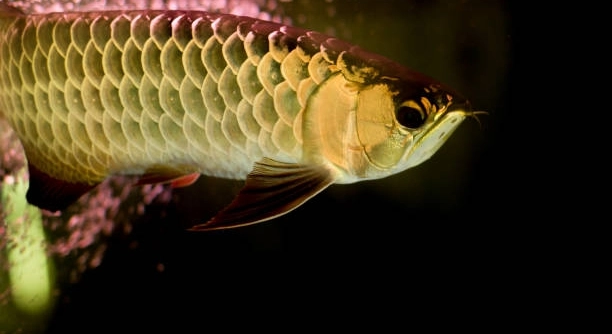
Many arowana owners notice their fish become restless when storms approach. Sudden changes in air pressure, lightning, and loud thunder can stress these sensitive creatures, making their normally graceful movements erratic and their behavior unpredictable in the tank.
The most effective way to keep an arowana calm during storms is by maintaining stable water conditions and minimizing sudden disturbances. Consistent temperature, reduced lighting, and a quiet environment help lower stress levels and preserve the fish’s natural behavior.
Proper preparation before storms can greatly reduce stress for your arowana. Maintaining a calm environment ensures your fish stays healthy and adapts more easily to sudden weather changes.
Understanding Arowana Stress During Storms
Arowanas are highly sensitive to environmental changes, and storms can trigger noticeable stress. Sudden loud noises, flickering lights from lightning, or vibrations in the surrounding area can cause them to become anxious or even hide. Their natural instincts make them wary of rapid changes in air pressure, which they can sense before humans notice. Stress can affect their appetite, swimming patterns, and overall health, making it important for owners to recognize early signs. Some arowanas may pace along the tank glass, while others may retreat to corners or under decorations. Maintaining consistent feeding schedules and minimizing abrupt interactions during storms can help reduce anxiety. Adjusting tank covers and ensuring secure lids prevents accidental jumps caused by sudden fright. Owners should also monitor water quality closely, as stress can make arowanas more vulnerable to infections. Being aware of these behaviors allows for proactive steps to maintain a calm and safe environment during turbulent weather.
Keeping an arowana calm requires attention to both external noise and internal tank conditions.
Observation is key. Watch for erratic movements, rapid gill activity, or hiding behavior. Addressing these signs early helps prevent long-term stress and ensures arowanas remain healthy.
Preparing the Tank Before Storms
Arowanas thrive in stable, controlled environments, so preparation is essential when storms are predicted.
To reduce stress, gradually dim the tank lighting and remove sudden reflections or shadows. Secure any loose decorations or equipment that might shift during vibrations. Covering part of the tank can help reduce external visual disturbances while maintaining sufficient airflow. Adjusting water temperature slightly within safe limits can provide comfort. Ensure filtration and aeration systems are functioning optimally, as arowanas are sensitive to oxygen fluctuations. Additionally, avoid introducing new tankmates or performing major maintenance tasks right before a storm, as these changes can compound stress. Maintaining calm, steady routines in feeding and care reassures your fish and supports their natural behavior.
Beyond physical adjustments, it is important to monitor arowanas’ behavior during storms. Some fish may initially become tense but will relax once environmental factors are stabilized. Using gentle background sounds, such as soft water movement, can mask external noise and help maintain a sense of normalcy. Paying attention to each individual’s response ensures tailored care and prevents overreactions. Proper preparation allows your arowana to remain healthy, reducing susceptibility to illness and improving resilience against sudden weather changes. Taking proactive steps creates a safer, calmer environment where your fish can maintain natural activity even during turbulent weather, supporting both physical and mental well-being.
Using Environmental Adjustments
Reducing stress during storms involves controlling the tank environment. Dimming lights, limiting vibrations, and keeping the water temperature steady helps arowanas feel secure. Avoid sudden movements or loud noises near the tank. These small adjustments can make a significant difference in your fish’s calmness.
Adding floating plants or rearranging decorations can create hiding spaces for arowanas. These areas offer a sense of security when external disturbances occur. Make sure these elements do not overcrowd the tank, as too many obstacles can restrict swimming. Smooth surfaces and rounded corners help prevent injuries during sudden movements. Consistent water parameters and clean filtration complement these adjustments, keeping stress levels low. Regular observation ensures that these changes are effective and the fish remains relaxed.
Sound can also impact arowana behavior during storms. Background water movement, like gentle filtration, masks loud external noises. Avoid music or vibrations near the tank, as arowanas are sensitive to sound. Using insulated materials around the tank can reduce external disturbances further. Over time, these adjustments support calmer behavior and help maintain their appetite and natural swimming patterns, ensuring long-term well-being during repeated storms.
Feeding Practices During Storms
Feed smaller portions during storms to reduce stress-related overeating or refusal to eat. Adjust feeding times if necessary to match calmer periods.
High-stress situations can affect digestion and appetite in arowanas. Providing smaller, more frequent meals helps prevent uneaten food from fouling the tank and causing water quality issues. Avoid introducing new food types during storms, as unfamiliar items can increase anxiety. Stick to their regular diet and maintain a consistent schedule. Observing feeding behavior closely allows you to identify changes in appetite or stress responses. Supplements like vitamins should only be used when necessary and not during acute stress. A calm feeding routine contributes significantly to maintaining overall health and stability.
During stormy conditions, monitor your arowana closely while feeding. Remove uneaten food promptly to avoid water contamination. Offer favorite foods in moderation to encourage regular eating. Ensure feeding occurs in areas of the tank where the fish feels safe, away from high-traffic zones. This controlled approach reduces stress and maintains nutrient intake. Consistent feeding practices, combined with environmental adjustments, ensure your arowana remains calm and healthy despite unpredictable weather changes, supporting both behavior and long-term vitality.
Monitoring Water Quality
Maintaining clean, stable water is essential during storms. Regular checks for pH, temperature, and ammonia levels prevent additional stress on arowanas. Even small fluctuations can make them anxious, so consistent monitoring is key to keeping them calm.
Frequent partial water changes help reduce toxins and maintain clarity. Using a reliable filtration system ensures proper oxygenation and circulation, which arowanas rely on during stressful periods. Keeping water parameters stable allows fish to remain relaxed, minimizing the negative effects of sudden environmental changes.
Tank Cover and Lighting
Covering part of the tank helps reduce visual disturbances. Dim lights mimic natural conditions, calming the arowana during storms.
Proper lighting prevents sudden flashes or reflections from startling the fish. Using adjustable fixtures or partially shaded areas gives them a sense of security, making them less prone to stress responses during turbulent weather.
Gentle Interaction
Minimize direct handling or tapping on the tank glass. Sudden interactions can increase anxiety, making storms more stressful for arowanas.
FAQ
How can I tell if my arowana is stressed during a storm?
Signs of stress include rapid gill movement, erratic swimming, hiding, or refusal to eat. Some arowanas may pace along the glass or remain in corners for long periods. Observing these behaviors early allows you to take steps to reduce stress.
Should I adjust the tank temperature during storms?
Maintaining a stable temperature is crucial. Small fluctuations are normal, but large changes can cause anxiety. Slightly adjusting the water within safe limits can provide comfort, but drastic shifts should be avoided. Consistency helps arowanas feel secure.
Is it safe to use tank covers during storms?
Yes, partial tank covers can reduce visual disturbances. Avoid completely covering the tank, as arowanas need airflow and some light. The cover should create shaded areas that mimic a calm, natural environment without restricting movement.
Can loud thunder harm my arowana physically?
Loud noises typically do not cause physical harm but can increase stress levels. Stress can lead to weakened immunity, making the fish more susceptible to illness. Minimizing noise exposure and providing hiding spots helps protect their well-being.
How often should I check water quality during stormy weather?
Daily monitoring of pH, ammonia, and temperature is recommended. Storms can indirectly affect water conditions through temperature fluctuations or vibrations. Quick action in response to changes prevents unnecessary stress and maintains healthy conditions.
Are there any foods that help arowanas stay calm?
No specific food instantly calms arowanas, but sticking to a consistent diet helps maintain routine and stability. Avoid introducing new or highly processed foods during storms, as unfamiliar items may increase anxiety and cause digestive issues.
Can tank decorations really help reduce stress?
Yes, well-placed plants or ornaments offer hiding spots and visual barriers from external disturbances. Ensure they do not overcrowd the tank, as limited swimming space can increase stress. Rounded surfaces prevent injuries during sudden movements.
Should I interact with my arowana during storms?
Minimize tapping or sudden movement near the tank. Gentle observation is fine, but excessive interaction can worsen stress. Allowing the fish to settle in a stable environment supports calmer behavior and better long-term health.
Is partial water change recommended during storms?
Yes, small, controlled water changes help maintain water quality and prevent sudden shifts that may stress the arowana. Avoid large or rapid water changes, as they can exacerbate anxiety instead of helping.
How long does it take for arowanas to calm down after a storm?
Recovery time varies depending on individual temperament and storm intensity. Some fish relax within hours, while others may take a day or two. Providing a stable environment, consistent feeding, and minimal disturbance accelerates recovery and reduces stress impact.
Can background noise help during storms?
Gentle water movement or soft filtration sounds can mask external disturbances, making the environment feel more consistent. Avoid loud music or household vibrations, as arowanas are sensitive to sudden or high-volume noises.
Are there any long-term effects of repeated storms?
Repeated stress from storms can weaken the immune system, reduce appetite, and affect growth. Consistently maintaining a calm environment, monitoring behavior, and ensuring proper care helps minimize long-term negative effects and supports overall health.
Is it better to move the tank to a quieter room during storms?
If feasible, relocating to a low-traffic area with minimal vibrations and light changes can reduce stress. Ensure the tank remains stable during the move, and avoid sudden temperature or water parameter changes to prevent additional anxiety.
Can arowanas injure themselves during storms?
Yes, stressed arowanas may dart or jump in response to sudden noise or flashes. Smooth tank surfaces, secure lids, and careful placement of decorations minimize the risk of physical injury during storms.
How often should I observe my arowana during a storm?
Frequent but calm observation is recommended. Watch for behavioral changes like hiding, pacing, or loss of appetite. Intervene only if necessary, such as adjusting lighting or removing sudden disturbances, to maintain a calm environment.
Are supplements helpful during stressful weather?
Vitamins or stress-reducing supplements are only beneficial if prescribed or recommended for specific conditions. Routine use during storms is not necessary. Focus on consistent care, stable water parameters, and a secure environment instead.
Do arowanas get used to storms over time?
Some arowanas may become more tolerant of repeated disturbances, but sensitivity varies. Even experienced fish can show stress during severe weather. Continuous monitoring and environmental management remain important to keep them calm and healthy.
Is lighting adjustment enough to calm an arowana?
Dimming or adjusting lighting helps, but it is only one part of environmental management. Combining lighting control with stable water conditions, hiding spots, and minimized noise provides the most effective stress reduction.
Can other fish in the tank affect arowana stress during storms?
Yes, active or aggressive tankmates can increase stress levels during turbulent weather. Ensure compatible species and provide adequate space for each fish to reduce tension and maintain a calm environment.
How do I know if my arowana is recovering from stress?
Signs of recovery include regular swimming patterns, consistent appetite, and reduced hiding behavior. Observing these improvements over hours or days indicates that your environmental adjustments and care measures are effective.
Final Thoughts
Caring for an arowana during storms requires attention, patience, and consistent care. These fish are naturally sensitive to changes in their environment, and sudden disturbances can quickly cause stress. By maintaining stable water conditions, controlling lighting, and minimizing external noise, you create a supportive environment that helps your arowana remain calm. Simple steps, such as dimming the tank lights or partially covering the aquarium, can make a noticeable difference in how the fish reacts to storms. Observation is key, as each arowana may respond differently to the same conditions. Noticing subtle changes in swimming patterns, appetite, or hiding behavior allows you to take timely action and adjust care routines accordingly. Consistency and proactive preparation are the foundation of keeping your fish healthy and stress-free.
Feeding practices also play a crucial role in managing stress during storms. Offering smaller, more frequent meals helps prevent uneaten food from affecting water quality and reduces the risk of digestive issues when the fish is anxious. Sticking to familiar foods and avoiding sudden changes in diet ensures that your arowana remains comfortable with its routine. Hiding spots, tank decorations, and gentle background water movement provide additional comfort, giving the fish areas to retreat to and reducing exposure to sudden visual or auditory disturbances. While it may seem like small adjustments, these measures collectively create an environment that supports your arowana’s natural behavior. When the fish feels secure, it is more likely to maintain normal activity, appetite, and overall health even during repeated storms. Monitoring your fish regularly allows you to see which adjustments work best, making it easier to tailor care for individual needs.
Storms are unpredictable, but proper preparation can minimize their impact on your arowana. Consistent observation, careful feeding, stable water parameters, and environmental adjustments all contribute to reducing stress. Even if a fish becomes temporarily anxious, creating a calm, controlled environment helps it recover more quickly. Over time, maintaining these practices builds resilience and encourages healthier behavior in your arowana. Remember that stress management is not just about reacting to storms but also about creating a supportive daily routine. By prioritizing stability, safety, and comfort, you help your arowana thrive regardless of weather conditions. Taking these steps ensures your fish remains healthy, calm, and able to enjoy its environment, allowing you to enjoy watching its natural grace and beauty without worry.

Hello,
If you enjoy the content that we create, please consider saying a "Thank You!" by leaving a tip.
Every little bit helps us continue crafting quality advice that supports the health, happiness, and well-being of pets around the world, for pets of all shapes, sizes, and species.
We really appreciate the kindness and support that you show us!