
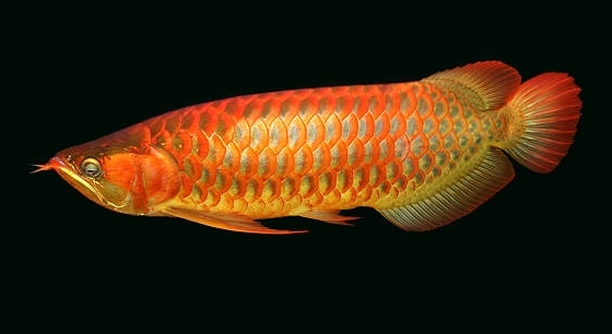
Arowanas are known for their elegance and intelligence, making them fascinating pets for dedicated fish keepers. They require consistent care and attention, and building a bond with them takes time and patience in a calm environment.
Arowanas typically take several weeks to several months to develop trust with their owner. Consistent feeding, gentle interaction, and a stable environment are key factors in encouraging the fish to become comfortable and responsive over time.
Understanding their behavior and patience in daily care will greatly influence the relationship. The process of earning their trust is gradual but rewarding.
Understanding Arowana Behavior
Arowanas are naturally cautious and territorial fish. They spend the first few weeks in a new tank observing their surroundings and adjusting to the environment. Sudden movements or loud noises can startle them, so maintaining a calm atmosphere is important. They rely on visual cues to recognize familiar faces, and over time, repeated gentle interactions can help them associate you with safety. Feeding them consistently at the same time and location builds trust, as they start linking your presence with food. Each fish has its own personality, and some may be more reserved while others show curiosity earlier. Patience is key, as forcing interaction can stress the fish and slow the bonding process. Watching their body language, such as swimming close to the front of the tank or following your movements, signals growing comfort. Understanding these patterns helps create an environment where trust can gradually develop and interactions feel natural.
Even minor changes in tank setup can affect their behavior, so consistency is crucial.
Providing a stable, low-stress environment and paying attention to feeding patterns supports trust development. Observing subtle behaviors helps identify progress and adjust interaction methods for a positive experience.
Tips for Building Trust
Start with minimal interaction and let your arowana observe you.
Gradually increase contact by feeding them by hand or near the glass. Use slow, deliberate movements to avoid startling them. Over weeks, they may respond to your presence and follow your movements. Keep the tank environment consistent, as sudden changes can disrupt trust-building. Avoid tapping the glass or introducing excessive disturbances, as this can make them wary. Patience and consistency are more effective than forcing interaction. Some arowanas may show signs of recognition faster, while others take longer. Respecting their pace and maintaining calm routines allows trust to grow steadily. Tracking small progress, like swimming closer during feeding, can be encouraging. Gradual habituation to your presence and maintaining a predictable environment are essential.
Creating a strong bond with your arowana requires consistent care and observation. Ensure the water parameters remain stable, and maintain feeding schedules to reinforce positive associations. Avoid sudden movements, loud noises, or introducing aggressive tank mates, as these can stress the fish. Over time, your arowana will begin to recognize your presence and respond to your interactions. Daily attention and patience help the fish associate you with safety and food, enhancing responsiveness. Hand-feeding, when appropriate, can accelerate trust, but always ensure your movements are gentle. Watching how the fish reacts to your approach provides insight into their comfort level, allowing you to adjust interaction methods. Respecting their personality and limits creates a more harmonious environment, fostering gradual familiarity. Even small gestures, such as consistent feeding routines, contribute significantly to building a long-term bond, making your care efforts more rewarding.
Feeding Habits and Interaction
Feeding at the same time daily helps your arowana recognize you. Using tongs or hand-feeding encourages interaction and strengthens trust over time. Consistency is key.
Arowanas respond well to predictable feeding routines. Offering food at the same location and time allows them to associate your presence with a positive experience. Over time, they may swim toward you during feeding, showing growing familiarity. Using tools like feeding tongs keeps interactions controlled and safe. Avoid overfeeding, as it can cause health issues and reduce responsiveness. Monitoring their appetite and adjusting portions ensures both their health and the development of trust. Slow, gentle motions prevent startling them.
Watching your arowana during feeding provides insight into its comfort level. Some may approach quickly, while others observe from a distance. Patience and repetition gradually reduce wariness. Reinforcing positive experiences at feeding times encourages consistent interaction. Avoid abrupt movements, loud noises, or tapping the glass, as these can undo progress. Each successful feeding without stress strengthens the bond, and observing their responses helps tailor your approach. Over weeks, the fish can begin to associate you with safety and nourishment, making interactions more rewarding and predictable.
Environmental Factors Affecting Trust
Stable water conditions are essential for trust development. Sudden changes can stress your arowana and slow bonding.
Water temperature, pH, and cleanliness directly impact behavior. Arowanas are sensitive to fluctuations, and unstable conditions can make them hide or act skittish. Maintaining consistent filtration, performing regular water changes, and monitoring parameters reduce stress. Decorations and hiding spots provide comfort but should remain consistent to avoid confusing the fish. Even small environmental shifts can influence how willing your arowana is to approach. Gradual adjustments are preferable when necessary. Ensuring a calm, stable environment supports interaction and helps the fish feel secure.
Other environmental aspects like lighting and tank location also matter. Bright lights or frequent disturbances can make the fish wary, so using subdued lighting and a quiet placement improves comfort. Adding minimal movement near the tank allows the arowana to observe without stress. Familiarity with its surroundings encourages confidence in responding to your presence. Consistency across all aspects of tank management, from feeding to decoration placement, builds a predictable environment that fosters trust. Monitoring reactions to subtle changes helps identify the most effective setup for encouraging positive interaction over time.
Recognizing Signs of Trust
An arowana that trusts you will swim closer during feeding and observe your movements calmly. They may stop hiding and become more active around your presence.
They may follow your hand or feeding tools and show less startle response. Body posture becomes relaxed, and sudden movements no longer provoke stress.
Interaction Techniques
Gradually introduce hand-feeding with slow, deliberate movements. Use tongs or fingers to offer food, allowing the fish to approach at its own pace. Avoid sudden gestures and maintain calm behavior. Repetition helps the arowana associate your presence with positive experiences. Over time, gently tapping near the feeding spot signals your approach. Encouraging the fish to swim closer without forcing interaction strengthens trust. Observing reactions during each session allows adjustments for comfort. Consistent, low-stress interactions improve recognition and responsiveness. Patience is essential, as trust develops gradually and varies per individual fish.
Avoiding Stressful Situations
Sudden loud noises or rapid tank movements can frighten your arowana. Minimize disturbances around the aquarium.
FAQ
How long does it take for an arowana to trust its owner?
Arowanas usually take several weeks to months to develop trust. The exact time depends on the individual fish’s personality, previous experiences, and consistency of interaction. Patience, gentle handling, and predictable feeding routines help accelerate the process. Rushing interactions can cause stress and slow progress.
Can I hand-feed my arowana safely?
Yes, hand-feeding can be safe if done slowly and carefully. Use small, controlled movements and allow the fish to approach at its own pace. Avoid sudden gestures or tapping the water, which can startle the fish. Always monitor their behavior and stop if they appear stressed.
What behaviors indicate my arowana is starting to trust me?
Signs of trust include swimming closer during feeding, following your hand or tongs, and staying near the front of the tank without hiding. The fish may show relaxed body language and reduced startle response when you move around the tank. Gradual familiarity with your presence is a clear indicator.
How does tank environment affect trust-building?
Stable water conditions, consistent lighting, and minimal disturbances are crucial. Sudden changes in temperature, pH, or decorations can make your arowana wary. A calm, predictable environment helps the fish feel secure and encourages positive interactions over time.
Can overfeeding impact the trust process?
Yes, overfeeding can affect both health and behavior. A poorly fed or overfed fish may become lethargic, reducing responsiveness and making it harder to establish trust. Stick to a controlled feeding schedule and monitor portions to keep the fish healthy and alert.
Are all arowanas equally receptive to interaction?
No, individual personalities vary. Some arowanas are naturally more curious and will respond faster to human presence, while others are more reserved. Respecting each fish’s temperament and adjusting your approach accordingly is essential for building trust effectively.
Does tank size influence trust development?
Tank size plays a role in comfort. Arowanas in too small or overcrowded tanks may feel stressed or territorial, which can hinder bonding. Providing adequate space and proper tank mates allows the fish to feel secure and more willing to interact.
How can I reinforce trust over time?
Consistent daily routines, gentle interactions, and positive associations with feeding help maintain and strengthen trust. Observing behavior and gradually increasing interaction without forcing it ensures a lasting bond. Over time, the fish will respond to your presence with calm and curiosity.
What mistakes should I avoid while building trust?
Avoid tapping the glass, sudden movements, loud noises, or introducing aggressive tank mates. Forcing interactions or moving decorations frequently can stress the fish. Patience, consistency, and careful observation are the most effective methods for encouraging trust.
Is it possible for a trusted arowana to lose trust?
Yes, sudden environmental changes, rough handling, or irregular feeding can make the fish wary again. Maintaining stable conditions and consistent routines is essential to preserve trust. Small setbacks can happen, but calm, predictable care helps restore comfort and responsiveness.
How can I tell if my arowana enjoys interaction?
Positive indicators include swimming closer, following your hand, relaxed posture, and eager response during feeding. Avoiding hiding and showing curiosity about your movements are signs the fish feels secure and trusts your presence.
Do decorations or tank layout affect interaction?
Yes, hiding spots and stable decorations provide security. Frequent changes or overcrowded layouts may cause stress. Maintaining a consistent, safe environment allows your arowana to focus on learning to trust you rather than constantly adjusting to new surroundings.
Can lighting impact trust-building?
Bright or harsh lighting can make arowanas skittish, while soft, consistent lighting encourages exploration and calm behavior. Adjust lighting gradually and avoid sudden shifts, which helps the fish feel safe and more willing to interact.
How often should I interact with my arowana?
Short, consistent daily interactions work best. Too little contact slows recognition, while excessive handling can stress the fish. Observing behavior and adjusting the length and frequency of sessions ensures positive and comfortable interactions.
Is it necessary to use specific feeding tools for building trust?
Tools like tongs or feeding sticks are helpful for controlled feeding. They allow safe, gentle delivery of food while encouraging the fish to approach without fear. Hand-feeding is optional if the fish is comfortable, but always proceed slowly to avoid startling it.
Final Thoughts
Building trust with an arowana is a process that requires patience, consistency, and observation. These fish are naturally cautious and can take weeks or even months to feel comfortable with their owner. Trust does not develop instantly, and every arowana has its own personality that influences how quickly it responds. Some may show curiosity early on, while others remain reserved for longer periods. Maintaining calm, steady behavior and avoiding sudden movements helps create an environment where the fish feels safe. Feeding routines are especially important, as they provide predictable positive experiences and allow the arowana to associate your presence with comfort and nourishment. Over time, repeated gentle interactions help the fish become familiar with you, gradually reducing fear and hesitation. Paying attention to subtle changes in behavior, such as swimming closer during feeding or observing your movements without stress, is a useful way to monitor progress.
A consistent environment plays a major role in building trust. Water conditions, tank size, and tank layout all affect how comfortable an arowana feels. Sudden fluctuations in temperature, pH, or lighting can make the fish wary, slowing down the bonding process. Providing hiding spots and maintaining decorations in a stable arrangement give the fish a sense of security while still allowing it to explore the tank. Quiet surroundings, minimal disturbances, and gentle lighting further support the development of trust. Observing your arowana during interactions helps identify what conditions make it feel secure and what triggers stress. Gradual adjustments, such as introducing new items slowly or altering feeding locations carefully, prevent unnecessary anxiety. By creating a predictable, low-stress environment, you encourage the fish to engage willingly and build a lasting connection based on safety and familiarity.
Interaction methods are just as important as the environment. Gentle hand-feeding or using tongs to deliver food allows the fish to approach at its own pace. Avoid forcing contact, tapping the glass, or introducing sudden movements, as these actions can undo progress. Short, consistent daily interactions are more effective than long or irregular sessions. Observing the fish’s responses during each session helps tailor your approach, making interactions comfortable and rewarding. Over time, a trusted arowana may swim closer during feeding, follow your hand, or show curiosity about your presence. Maintaining routines and respecting the fish’s pace ensures a positive experience for both of you. Building trust is gradual, but with patience, care, and consistency, the relationship can grow into a rewarding, interactive connection that makes caring for your arowana more enjoyable and fulfilling.

Hello,
If you enjoy the content that we create, please consider saying a "Thank You!" by leaving a tip.
Every little bit helps us continue crafting quality advice that supports the health, happiness, and well-being of pets around the world, for pets of all shapes, sizes, and species.
We really appreciate the kindness and support that you show us!