
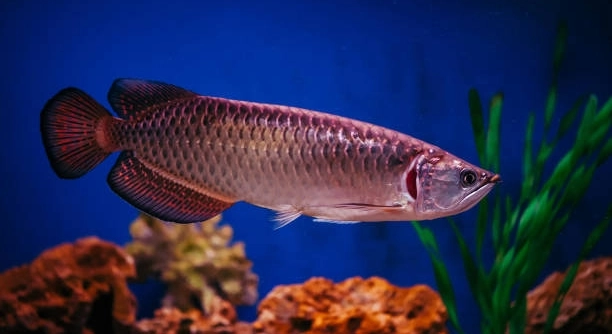
Do you ever find yourself worried about how your arowana reacts when people visit your home, especially when it becomes alert or protective around unfamiliar faces, making you think about creating a calmer setting inside.
Managing arowana behavior around guests relies on reducing stress through stable tank conditions, consistent routines, and slow introductions. These factors help limit defensive reactions and encourage predictable patterns that support safer interactions for both the fish and the visitors present.
These small adjustments encourage a calmer atmosphere around visitors and help your arowana settle more easily, adding comfort to interactions.
Understanding Arowana Reactions
Helping your arowana stay calm around visitors starts with understanding what triggers its reactions and how your everyday routine shapes its comfort. When your home fills with new sounds, movement, or shifts in lighting, your arowana can respond quickly because it relies on strong instincts to guard its space. Watching it pace, flare, or retreat into corners can feel stressful, yet these behaviors are signs that it is adjusting to sudden changes. Creating a steady environment gives your fish a sense of control, which can make visits easier for everyone. Keeping the tank stable, avoiding sudden motions near the glass, and offering a predictable feeding schedule all support a more relaxed state. Over time, these small efforts help your arowana link guest activity with normal household patterns, easing its alertness. This approach also gives you a view of what behaviors are normal and what reactions mean your fish needs attention.
Keeping your arowana settled during visits starts with consistent care and small adjustments that reduce sudden stimulation. When the environment feels predictable, your fish reacts less sharply to new movement and settles more quickly as people pass through the room, without creating tension for you or the guests present nearby.
Introducing your arowana to guest activity should happen slowly so it connects new movement with calm experiences. Start by allowing visitors to enter the room quietly and avoid approaching the tank right away. Soft lighting, steady filtration, and limited noise help your fish feel grounded while it observes from its usual spots. Over several visits, your arowana may show fewer defensive motions as it learns that people are not a threat. Gentle routines build trust in the surroundings, allowing your fish to remain steady even when the room becomes busy with movement and conversation during simple everyday activity nearby too.
Guiding Guest Behavior
Guest behavior also influences how your arowana responds, making it helpful to guide visitors gently. Slow movement, soft voices, and keeping distance from the glass reduce pressure on your fish and support a steady atmosphere that prevents sudden defensive reactions during household activity at all times inside your home space.
Helping guests interact respectfully around your arowana supports a calmer environment and reduces stress responses that might otherwise appear suddenly. Begin by setting simple expectations before anyone enters the room. Let them know your fish reacts strongly to quick motion and that standing too close to the tank can make it feel cornered. Encouraging slow steps, gentle posture, and quieter voices keeps the room balanced. Your arowana senses changes quickly through vibrations and shifts in light, so maintaining a smooth pace helps it stay settled. Offering guests a place to sit away from the tank allows your fish to observe from a distance without feeling pressured. If the room becomes lively, dimming the lights or using a background sound like a fan can soften the atmosphere. These small adjustments create a buffer that protects your fish from overstimulation. Over time, your arowana will grow more comfortable with visitors, especially when handling of the space stays consistent. Teaching guests how to behave responsibly also strengthens the harmony in your home, giving your fish a reliable setting and reducing the chances of defensive displays. Consistency, awareness, and soft movements create an environment where your arowana can remain calm even during busy moments.
Creating a Calmer Environment
Keeping the environment steady helps reduce your arowana’s stress when visitors are around. Stable lighting, clean water, and limited noise give your fish a sense of security. These simple steps prevent sudden reactions and support calmer behavior, letting your arowana stay relaxed while people move through the room each day.
Small adjustments to tank conditions can shape how your arowana responds to activity in your home. Keeping filtration steady, avoiding abrupt changes in water flow, and maintaining a reliable feeding schedule help your fish feel comfortable even when guests are present. Your arowana relies on routine to understand its surroundings, so gentle consistency can ease reactions. When the room becomes active, using soft lighting can reduce reflections that startle your fish. These choices guide your arowana toward calmer patterns, making visits feel easier. Over time, steady care encourages predictable behavior that keeps your household peaceful in a simple and steady way.
Observing your arowana during guest visits helps you understand which patterns cause stress and which moments feel manageable. Notice how it reacts to voices, movement, and shadows in the room, since these details shape its comfort level. Adjusting seating positions, lowering noise, or creating more distance from the tank can make interactions smoother. Consistent routines give your fish the confidence to handle small changes without becoming overly alert. When you respond to early signs of tension, you help your arowana settle before reactions escalate. Over time, these small adjustments shape a calmer atmosphere that supports easier visits for your home.
Shaping Predictable Behavior
Helping your arowana build predictable habits requires steady routines that reduce confusion during guest visits. Regular feeding, stable lighting, and controlled movement around the tank teach your fish what to expect each day. When your household stays consistent, your arowana responds with calmer behavior, even when the room becomes active with gentle footsteps and soft conversation that might otherwise startle it during normal daily activity inside your living space to maintain a steady and balanced atmosphere.
Training your arowana to stay calm around visitors works best when changes happen gradually and consistently. Begin by limiting overstimulation in the room so your fish can observe without feeling pressured. Keeping sudden gestures away from the tank helps your arowana link guest presence with normal activity instead of reacting defensively. You can also guide your guests to move slowly while they settle into the room, which lowers the chances of startling your fish. Soft lighting and predictable routines make each visit feel similar, giving your arowana confidence as it learns familiar patterns. When you pay attention to early shifts in posture or pacing, you can adjust the environment before tension rises. Over time, these careful steps help your arowana stay steady, through guest visits.
Reducing Overstimulation
Limiting fast movement and loud noise around the tank helps your arowana stay settled during visits. Soft lighting and steady room activity prevent sudden triggers, making interactions easier to manage while keeping your fish comfortable as people move through your space at a gentle pace each day.
Creating a buffer around the tank gives your arowana space to observe without pressure. Keeping guests a few steps back and avoiding abrupt gestures near the glass lowers stress. These small adjustments help your fish stay calm, making the atmosphere smoother for everyone during simple household activity.
Reinforcing Positive Patterns
Reinforcing calm behavior works best when changes happen slowly, allowing your arowana to build trust in its surroundings. Offering food only during quiet moments helps your fish link calm conditions with comfort, shaping steady patterns over time. Keeping routines predictable gives your arowana a reference point, even when visitors are present. Guiding guests to remain gentle supports this process and helps prevent sudden reactions. Paying attention to early signs of tension, like pacing or flaring, allows you to adjust the environment before stress increases. These steady steps encourage your arowana to settle more easily as it becomes familiar with normal room activity.
Monitoring Subtle Signals
Watching your arowana closely helps you notice early shifts that show discomfort. Small changes in swimming, posture, or position near the tank can guide you to adjust noise, lighting, or distance, supporting a calmer atmosphere for your fish during guest visits.
FAQ
Why does my arowana become tense when guests enter the room?
Your arowana reacts quickly to changes in its surroundings, so new movement, shadows, and sounds can make it feel uncertain. When people enter the room, your fish senses the shift through vibrations and light reflections. If the environment is already active or bright, these changes feel stronger and may push your arowana to pace, flare, or retreat. Keeping the setting predictable helps reduce these reactions. Soft lighting, gentle voices, and slow movement allow your fish to observe visitors without feeling overwhelmed. Over time, steady routines teach your arowana that guests are simply another part of normal household activity.
How can I make the tank area less stressful during visits?
Creating a calm zone around the tank can soften the impact of visitor activity. Keeping chairs, bags, and other items a few steps away helps your arowana maintain personal space. A steady background sound, like a small fan, can mask sudden noises that might otherwise startle your fish. Reducing strong reflections on the glass also helps, since bright flashes or moving shadows can trigger defensive behavior. Simple choices like consistent lighting and smooth pathways around the tank support a peaceful atmosphere. These small adjustments encourage your arowana to stay relaxed while guests pass through the room.
Should I feed my arowana when guests are present?
Feeding during visits can work, but only if the room is calm and predictable. If your fish already feels stressed, offering food may cause confusion or increase tension. It is better to feed at a quiet time so your arowana links eating with comfort. When feeding happens during peaceful moments, your fish gains confidence in its surroundings. Over time, this can make guest visits feel less threatening. If visitors are present, ask them to move slowly and remain seated while you feed, allowing your arowana to eat without feeling pressured.
How do I know when my arowana is becoming overstimulated?
Your arowana may show early signs through small shifts in posture or swimming. Faster pacing, sudden turns, flaring fins, or hovering in corners usually signal rising tension. These cues appear before stronger reactions, giving you a chance to reduce noise, dim the lights, or increase distance around the tank. Paying attention to these details helps you prevent escalating behavior. The more often you watch for early signals, the easier it becomes to adjust the environment before your fish becomes overwhelmed. These observations also help you learn which patterns your arowana handles well and which ones require changes.
Can guests interact with the tank directly?
Direct interaction should stay minimal to avoid triggering alert behavior. Light tapping, leaning close to the glass, or sudden movement can make your arowana feel cornered. Encouraging guests to sit a short distance away lets your fish observe at its own pace. If someone is curious, allow them to watch quietly without touching the tank or moving too quickly. This helps maintain a softer atmosphere around your fish. Over time, consistent boundaries teach your arowana that visitors will not invade its space, easing reactions during future visits.
What if my arowana stays stressed even after multiple adjustments?
When stress continues despite careful routines, the cause may be tied to deeper environmental factors. Water quality, temperature shifts, or tank layout can influence your fish’s comfort more than guest activity. Checking these basic conditions often reveals subtle issues that contribute to tension. Adjusting flow, improving filtration, or adding calm areas inside the tank can ease discomfort. If your arowana still shows persistent stress, reducing room activity for a short period helps it reset. Once the environment feels stable again, you can slowly reintroduce visitors. This gradual approach supports long-term comfort and steadier behavior.
Final Thoughts
Creating a comfortable environment for your arowana during guest visits takes time, patience, and steady routines. Your fish responds strongly to changes, so keeping daily patterns predictable helps it understand what is happening around the home. When guests enter the room, the combination of sound, movement, and shifting light can feel overwhelming to your arowana. By adjusting the atmosphere in small ways, you make these moments easier to handle. Soft lighting, gentle voices, and slower motions give your fish the chance to process activity at its own pace. Over time, you will learn how your arowana reacts to different situations, which helps you shape a calmer setting. These details may seem simple, but they make a meaningful difference in how your fish experiences the presence of visitors. With consistent care, your arowana begins to settle more easily, even during lively moments in your home.
Understanding your arowana’s signals is a valuable part of keeping the atmosphere peaceful. When you notice pacing, flaring, or retreating, you gain insight into what makes your fish uncomfortable. These signs help you respond before the tension grows. Adjusting the room by lowering noise, shifting seating positions, or reducing shadows on the tank can soothe your fish quickly. Guests often do not realize how easily an arowana can feel threatened, so guiding them gently protects your fish from unnecessary stress. Encouraging slow steps, quiet conversation, and respectful distance helps your arowana feel secure. Each small change you make adds to a predictable pattern your fish can trust. This trust becomes important during gatherings or unexpected visits, since your arowana will rely on familiar routines to stay calm. Building this sense of stability brings comfort not only to your fish but also to you, as the atmosphere becomes easier to manage with regular care.
Supporting your arowana through guest visits is not about creating a silent or rigid environment. It is about shaping a balanced space that allows your fish to observe its surroundings without feeling threatened. Stable water conditions, gentle lighting, and thoughtful interaction guide your arowana toward calmer behavior. Over time, your fish learns that movement and voices do not always signal danger. The more consistent your approach, the more confident your arowana becomes in everyday activity. With patience and awareness, you create a home where your fish can remain steady, even when visitors are present. This steady environment encourages healthier behavior and strengthens your connection with your arowana. By paying attention to the small details and keeping routines smooth, you build a setting where your fish can thrive peacefully while still allowing your household to stay active and welcoming.

Hello,
If you enjoy the content that we create, please consider saying a "Thank You!" by leaving a tip.
Every little bit helps us continue crafting quality advice that supports the health, happiness, and well-being of pets around the world, for pets of all shapes, sizes, and species.
We really appreciate the kindness and support that you show us!