
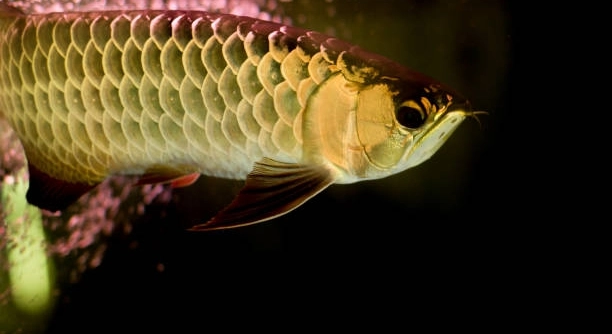
Have you ever noticed your arowana acting more aggressively than usual in its tank? These sudden bursts of energy can be alarming for any aquarist, especially when they occur without any obvious trigger or change in environment.
Tank rage in arowanas is typically identified by rapid, erratic swimming, frequent attacks on tank decorations or tankmates, and visibly flared fins. Early observation and monitoring of these behaviors are crucial to prevent injury and maintain a stable aquatic environment.
Recognizing these early warning signs can help maintain peace in your tank and ensure your arowana remains healthy and stress-free.
Recognizing Early Signs of Tank Rage
When I first noticed my arowana acting strangely, I didn’t immediately realize it was tank rage. The signs can be subtle at first. Your fish may start chasing its reflection in the glass or bumping into decorations more often. It may also pace back and forth near the water surface or corners, showing restlessness. Flaring fins, rapid gill movements, and sudden bursts of swimming are strong indicators. Sometimes, aggression is directed at other fish, even if they are peaceful species. Over time, these behaviors can lead to injuries or stress if ignored. Keeping a close eye on your arowana’s daily behavior helps you spot problems early. Recording patterns or changes in activity can be useful. Even minor changes can signal that your fish is under stress. Proper lighting, water quality, and regular feeding schedules all influence behavior and can reduce the risk of rage.
Observing your fish at the same times each day can reveal patterns. Early recognition prevents accidents.
Stress, boredom, and environmental changes are usually behind tank rage. Arowanas thrive in spacious tanks with stable water parameters. Adding hiding spots or rearranging decorations occasionally can help reduce aggression. Sometimes, tank mates trigger competition for territory or food. Feeding multiple times in small amounts keeps fish occupied and reduces frustration. Temperature fluctuations or poor water quality often intensify erratic behavior. Monitoring pH, ammonia, and nitrate levels regularly ensures a stable environment. Even gentle handling or sudden noises outside the tank can cause temporary bursts of aggression. By understanding these triggers, it becomes easier to adjust tank conditions and maintain a peaceful habitat. Consistency and observation are key.
Adjusting Tank Conditions
Small adjustments in tank layout or water quality can make a big difference. Observing how your arowana reacts helps fine-tune these changes.
Keeping water stable, providing adequate space, and reducing external stressors significantly lowers aggressive behaviors. Frequent water changes, proper filtration, and balanced feeding schedules support a healthy, calm fish. Overcrowding or introducing incompatible tank mates often worsens aggression. Decorations that allow hiding and swimming freely give the fish control over its space. Light cycles and minimal disturbances also help maintain calm behavior. Tracking behavior alongside these adjustments allows you to measure improvement. Documenting any incidents of rage can inform future tank modifications. Consistent routines and patience are essential, as sudden changes can trigger flare-ups. In my experience, arowanas respond well to gradual environmental tweaks rather than abrupt shifts. Proper monitoring ensures early intervention if behavior worsens. Small, consistent improvements in water conditions, tank structure, and feeding practices go a long way toward preventing tank rage. Over time, these steps create a safer, more harmonious environment for both your arowana and any tank mates.
Managing Aggression Through Diet
Feeding schedules directly impact arowana behavior. Skipping meals or providing uneven portions can increase irritability and aggressive tendencies in the tank. Consistent feeding reduces stress and helps maintain calmer activity levels.
Providing a balanced diet is crucial for managing tank rage. High-quality pellets designed for arowanas, supplemented with occasional live or frozen food like shrimp or small fish, supply necessary nutrients while keeping the fish engaged. Feeding in smaller, frequent portions prevents overeating and reduces competition if multiple fish share the tank. I noticed my arowana became less reactive after introducing a steady feeding routine and diversifying its diet. Nutritional balance affects not just growth, but also mood, activity, and territorial behavior.
Certain foods can also help redirect aggression. Introducing live feeder fish or feeding at multiple points in the tank allows your arowana to expend energy constructively. Avoiding sudden changes in diet prevents stress-induced outbursts. Monitoring how the fish responds to new foods ensures it remains healthy and calm. Over time, a structured diet can significantly reduce aggressive episodes and improve overall tank harmony, giving your arowana a more stable and predictable routine that keeps erratic behavior in check.
Environmental Adjustments
Water temperature and flow play a key role in managing arowana aggression. Slight variations can calm or irritate the fish depending on its tolerance.
Adjusting the tank’s layout can help reduce stress and territorial disputes. Creating open swimming areas while providing hiding spots allows the arowana to choose where to spend its time. Adding plants or driftwood in strategic locations breaks line-of-sight, reducing confrontations with reflections or other tankmates. Light intensity should also be consistent, as sudden changes can startle the fish and trigger bursts of rage. Regular water changes and testing for stable pH, ammonia, and nitrate levels maintain optimal living conditions. Overcrowding should be avoided, as it intensifies aggressive behaviors and increases stress. Observing how your arowana interacts with these adjustments helps identify what works best. Gradual changes rather than sudden overhauls lead to more effective, long-term behavior improvement and a calmer tank environment.
Reducing Stress Through Tank Maintenance
Regular tank cleaning helps minimize stress-induced aggression. Debris, uneaten food, and waste buildup can irritate arowanas and trigger erratic behavior.
Maintaining consistent water parameters is equally important. Frequent monitoring of temperature, pH, and ammonia levels ensures a stable environment, keeping your arowana calmer and healthier.
Using Tank Dividers
Dividers can prevent fights between aggressive fish. They provide separate territories while still allowing visual contact, reducing stress.
Monitoring Behavior Changes
Tracking your arowana’s daily activity helps identify triggers for tank rage. Noting patterns allows timely adjustments to diet, layout, or water conditions. Consistent observation is key to preventing escalation.
Handling Aggressive Episodes
Minimize direct interaction during outbursts. Attempting to intervene physically often worsens aggression and stress. Observing from a distance is safer for both you and the fish.
FAQ
What causes tank rage in arowanas?
Tank rage is usually caused by stress, boredom, or territorial instincts. Overcrowding, sudden changes in water conditions, and aggressive tank mates can trigger it. Even small disruptions, like reflections in the glass or sudden noises, may make your arowana act aggressively. I noticed that even minor changes in routine could set off brief episodes of heightened activity.
How can I tell if my arowana is stressed?
Signs of stress include rapid swimming, flaring fins, chasing reflections, and frequent attacks on decorations or other fish. Loss of appetite and color fading are also indicators. Observing behavior at consistent times each day helps identify subtle changes before they escalate.
Can tank size affect aggression?
Yes, tank size is critical. Arowanas need ample swimming space. Small or cramped tanks make them feel confined, increasing stress and aggression. Larger tanks with clear territories reduce tension. I found that even adding a few extra inches of swimming space noticeably calmed my arowana.
Do tank mates influence rage?
Aggressive or territorial fish can trigger outbursts in arowanas. Choosing compatible tank mates and avoiding overcrowding minimizes conflict. Slow introductions and monitoring behavior over time are essential to maintain a calm environment.
How often should I feed to reduce aggression?
Feeding small amounts multiple times a day helps keep your arowana occupied and less irritable. Irregular feeding schedules or overfeeding can lead to frustration and increased aggression. I adjusted my routine to feed consistent portions twice daily and saw calmer behavior.
What environmental factors help control tank rage?
Stable water parameters, including temperature, pH, and ammonia levels, are crucial. Proper lighting, minimal sudden disturbances, and regular tank cleaning also reduce stress. Strategic placement of decorations and hiding spots gives the arowana control over its territory, which reduces aggressive displays.
Can diet impact aggression?
Yes, providing a balanced diet with high-quality pellets and occasional live or frozen food keeps arowanas healthy and engaged. Sudden changes in diet or insufficient nutrition can lead to irritability and increased aggression. Feeding in multiple spots encourages natural hunting behavior and reduces frustration.
Are there signs tank rage is worsening?
Frequent attacks on tank mates, repeated collisions with decorations, or injuries to fins and scales indicate escalating rage. Persistent restlessness, lack of appetite, or unusual hiding behavior also suggest stress is increasing. Early detection allows timely interventions.
Do arowanas calm down with age?
Some do, as older arowanas may become less territorial, but this is not guaranteed. Behavior varies depending on individual personality, environment, and care. Proper tank setup and routine maintenance remain important at all stages of life.
Is it safe to use tank dividers?
Dividers can be very effective in reducing aggression. They allow visual contact while separating territories, which helps stressed or aggressive arowanas adjust without direct confrontation. Gradual introduction and monitoring are key to ensuring it works as intended.
How can I prevent tank rage in the future?
Consistent care, stable water conditions, proper diet, and sufficient space are essential. Observing daily behavior and making gradual adjustments before problems escalate helps prevent future episodes. Keeping a calm, predictable environment is the most reliable strategy I’ve found for long-term peace.
Can stress from handling cause rage?
Yes, frequent or rough handling can trigger aggression. Avoid interacting physically during outbursts and observe from a distance. Handling should be limited to essential maintenance like health checks or tank cleaning.
Does tank decoration affect behavior?
Yes, decorations that break the line of sight or provide hiding spots reduce territorial disputes and give the arowana a sense of control. Rearranging decorations occasionally can also keep the environment stimulating without causing stress.
Are there long-term effects of tank rage?
Persistent aggression can lead to injuries, fin damage, and chronic stress, which impacts immunity and overall health. Consistent monitoring, environmental adjustments, and proper care are necessary to maintain a healthy and peaceful fish.
How quickly can tank rage be reduced?
With consistent care, proper diet, and environmental adjustments, noticeable improvements can occur within days to weeks. Gradual changes are more effective than abrupt interventions. Patience and observation are key.
Is it normal for arowanas to have occasional bursts of rage?
Yes, occasional short bursts are normal, especially during feeding or territorial displays. The goal is to prevent prolonged or frequent aggressive behavior that can cause harm. Regular monitoring ensures these episodes remain brief and manageable.
How do I know if my arowana’s tank rage is under control?
Consistent calm swimming, minimal attacks on decorations or tank mates, and regular feeding without frustration indicate improvement. Maintaining stable conditions and observing patterns helps confirm the behavior is managed effectively.
What should I do if aggression persists?
Persistent aggression may require further adjustments, such as increasing tank size, rearranging decorations, or temporarily isolating the fish. Consulting with an aquatic specialist can provide guidance for severe cases. Keeping detailed observations helps determine the most effective interventions.
Can water flow affect aggression?
Yes, strong currents can stress arowanas, while gentle, consistent flow helps them swim naturally without triggering erratic behavior. Adjusting filter output and monitoring reactions ensures the water movement suits their comfort and reduces irritability.
Does lighting impact tank rage?
Inconsistent or very bright lighting can startle or stress arowanas. Maintaining a stable light cycle with gradual transitions reduces sudden outbursts and helps regulate their natural activity patterns.
Are live plants helpful in calming arowanas?
Live plants provide hiding spots, break sight lines, and improve water quality. They can reduce territorial disputes and give your fish areas to explore safely. I added a few hardy plants and noticed calmer, more predictable behavior.
Should I separate tank mates if aggression occurs?
Temporarily separating fish can prevent injuries while assessing the cause of aggression. Gradual reintroduction and monitoring ensures harmony without unnecessary stress or harm.
How often should I observe my arowana?
Daily observation is best. Short, consistent check-ins allow you to catch early signs of stress or aggression. Logging behavior changes helps guide adjustments in care, tank setup, and feeding routines.
Can stress from reflections in the glass trigger rage?
Yes, arowanas may attack their own reflection. Reducing reflective surfaces or using background coverings can minimize this trigger. It’s a simple change that significantly lowers stress and aggressive episodes.
Is tank rage more common in younger arowanas?
Younger fish are often more territorial and energetic, which can increase aggression. Careful monitoring, proper tank setup, and gradual exposure to other fish reduce conflicts and support calmer growth.
Does overcrowding worsen tank rage?
Overcrowding increases competition for space, food, and territory, leading to higher aggression. Providing adequate swimming space and limiting the number of fish prevents most conflicts and promotes a calmer environment.
Can I use water conditioners to help with aggression?
Yes, water conditioners that stabilize pH and remove toxins reduce stress. Clean, balanced water supports overall health and minimizes irritability, which helps keep aggressive behaviors under control.
How important is patience when managing tank rage?
Patience is essential. Changes in behavior take time, and abrupt interventions can worsen stress. Gradual adjustments to diet, tank layout, or environment are more effective and sustainable over the long term.
Are there any signs of improvement I should track?
Reduced chasing, calmer swimming, consistent appetite, and fewer attacks on tank mates or decorations indicate improvement. Tracking these markers daily helps ensure interventions are working and informs future adjustments.
Can aggression be completely eliminated?
It may not be fully eliminated, as territorial instincts are natural. The goal is to manage behavior, reduce stress, and prevent injuries. Consistent care, observation, and adjustments create a safe and stable environment for your arowana.
Tank rage in arowanas can be stressful for both the fish and the owner, but it is manageable with consistent care and attention. Understanding the early signs is the first step. Rapid swimming, flared fins, chasing reflections, and bumping into decorations are all indicators that your arowana is experiencing stress or agitation. By observing these behaviors regularly, you can take action before the aggression leads to injuries or ongoing tension in the tank. Keeping a daily routine and monitoring changes in behavior helps create a stable environment, which is essential for maintaining calm and reducing outbursts. Even small adjustments in water conditions, tank layout, and feeding schedules can make a significant difference. Consistency is key, and the more attention you give to your arowana’s behavior, the more easily you can spot early signs of tank rage.
Proper diet and feeding routines also play a major role in controlling aggression. Arowanas that are well-fed and receiving a balanced diet are less likely to act out in frustration. High-quality pellets, supplemented with occasional live or frozen foods, provide both nutrition and stimulation. Feeding small portions multiple times a day keeps the fish occupied and reduces competition if you have multiple tank mates. Sudden changes in diet or missed feedings can increase stress levels, which often leads to tank rage. Observing how your arowana responds to its meals can also give insight into its mood and overall well-being. Structured feeding routines, combined with a stable environment and adequate swimming space, are highly effective in managing aggressive tendencies.
Environmental adjustments are equally important in maintaining a calm tank. Tank size, decorations, hiding spots, and water parameters all influence behavior. Arowanas need plenty of space to swim freely and explore, while strategically placed decorations can reduce territorial disputes. Regular water testing, proper filtration, and maintaining consistent temperature and pH levels minimize stress. Even lighting and gentle water flow contribute to a more comfortable environment. Overcrowding should be avoided, and tank dividers can be used if aggression between fish persists. Monitoring and gradual adjustments help ensure changes are effective without causing further stress. By addressing behavior through careful observation, proper diet, and thoughtful environmental management, it is possible to significantly reduce tank rage, keeping your arowana healthier, calmer, and safer in its home.

Hello,
If you enjoy the content that we create, please consider saying a "Thank You!" by leaving a tip.
Every little bit helps us continue crafting quality advice that supports the health, happiness, and well-being of pets around the world, for pets of all shapes, sizes, and species.
We really appreciate the kindness and support that you show us!