
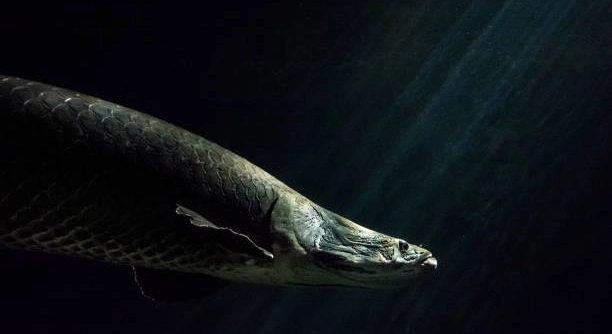
Have you ever watched your arowana swim for hours and wondered if it might get bored in its tank? Arowanas are intelligent fish, and like any pet, they need mental engagement to stay healthy and active.
Providing mental stimulation for arowanas is essential to their overall well-being. Regularly introducing environmental enrichment, varied feeding methods, and interactive elements can reduce stress, encourage natural behaviors, and promote cognitive development, ensuring a balanced and fulfilling aquatic life.
Keeping your arowana entertained requires more than just a clean tank. The right strategies can make a noticeable difference in its behavior and vitality over time.
Rearrange the Tank Environment
Changing the layout of your arowana’s tank can provide it with mental stimulation and encourage natural exploration. Adding driftwood, rocks, or live plants in different arrangements creates new hiding spots and pathways. Even subtle adjustments can make your fish more active. Rotating decorations every few weeks prevents the tank from becoming predictable. By introducing variations in the environment, the fish experiences different textures, shadows, and swimming challenges. This keeps it engaged and helps maintain its cognitive health. Over time, arowanas can learn to navigate complex setups, improving their problem-solving skills and overall alertness. It is important to ensure that all objects are safe and will not harm the fish. Observing how the arowana reacts to changes can provide insight into its preferences. This type of enrichment does not require complex equipment, just thoughtful placement and occasional reorganization.
Rearranging the tank environment stimulates curiosity and encourages natural movement patterns, reducing stress and boredom for your arowana.
Even simple changes in tank décor can make a big difference. Swapping rocks or moving a plant slightly can spark exploration. Your arowana will swim more, investigate corners, and interact with objects differently. This keeps its mind active and encourages natural hunting instincts. Rotating objects over time ensures novelty. Consistent engagement helps prevent lethargy and promotes overall well-being. Over time, you may notice your fish appearing more alert, responsive, and lively.
Introduce Feeding Challenges
Offering food in different ways can make mealtime more stimulating for arowanas. Instead of always dropping pellets in the same spot, try varying the location or using feeding tools. Floating, sinking, or slow-release feeders require the fish to think and adapt its approach. Live or frozen foods that mimic natural prey can enhance this effect, triggering hunting instincts. Hiding food inside safe objects or small containers encourages problem-solving and exploration. Even simple rotation of treats keeps the fish engaged and prevents monotony. Observing your arowana’s reactions can help you tailor challenges to its skill level, ensuring it remains motivated without causing stress. Over time, these activities can improve focus, coordination, and mental alertness while making feeding a more interactive and enriching experience.
Feeding challenges encourage active hunting behavior and cognitive stimulation, supporting arowana health and preventing boredom.
Regularly varying feeding techniques not only satisfies hunger but also provides mental exercise. Using floating or sinking foods, hiding treats, or rotating locations stimulates natural instincts. Over time, arowanas become more observant, patient, and agile during feeding. This approach strengthens problem-solving skills and makes mealtime more engaging, creating a healthier, happier fish.
Provide Interactive Toys
Interactive toys can keep an arowana engaged and encourage natural behaviors. Floating balls, ping pong balls, or aquarium-safe rings provide movement and interest. Rotating toys periodically maintains novelty and prevents boredom.
Toys in the tank allow your arowana to push, chase, or explore objects, stimulating its mind. Even simple items like floating balls create opportunities for exercise and curiosity. Over time, these interactions can improve the fish’s focus, reaction time, and coordination. Ensuring that all toys are safe and non-toxic is essential to prevent injury. Small changes in toy placement or type can renew interest, keeping your arowana attentive and mentally active. Observing its responses helps you choose toys that match its preferences, creating a stimulating and enjoyable environment.
Consistency is key when using toys. Regular interaction, combined with rotation and observation, prevents boredom and encourages problem-solving. The fish will develop patterns of engagement, becoming more alert and active. Toys also provide a break from predictable tank routines, making the environment feel dynamic. Careful selection of shapes, textures, and sizes ensures safety while maximizing engagement, supporting both physical and mental enrichment for your arowana over the long term.
Use Mirrors and Reflections
Mirrors can provide visual stimulation for arowanas, sparking curiosity and encouraging movement. Short periods of reflection exposure prevent stress while adding novelty to the tank.
Introducing a mirror allows the arowana to observe its own reflection, which can trigger exploration or gentle display behaviors. It is important to monitor the fish’s reaction to avoid aggression or stress. Using the mirror for limited intervals ensures the interaction remains positive. Reflections can motivate swimming, chasing, or circling, promoting mental engagement. Combining this with environmental changes enhances the overall enrichment strategy, making the tank more stimulating. Over time, arowanas can become more confident and alert when faced with visual challenges in their habitat.
Introduce Live Plants
Live plants create a dynamic and stimulating environment for arowanas. They provide hiding spots, varied textures, and visual interest, encouraging natural exploration and curiosity.
Plants can improve water quality while offering enrichment. Arowanas enjoy weaving through stems and investigating leaves. Rotating plant types or positions keeps the environment fresh and mentally engaging, supporting overall cognitive health and reducing stress.
Rotate Tank Decorations
Changing decorations regularly prevents the tank from becoming predictable. Rocks, driftwood, and ornaments offer new challenges when rearranged, keeping the arowana attentive.
Regular rotation encourages exploration and problem-solving. Arowanas notice subtle changes and adapt their swimming patterns, stimulating both mind and body. Observing which items attract attention helps refine enrichment strategies, ensuring the tank remains engaging.
Play Soft Music
Soft, calming music can create a peaceful atmosphere in the tank. Certain frequencies may reduce stress and encourage natural activity.
Offer Occasional Live Prey
Providing live prey occasionally can stimulate hunting instincts and keep an arowana mentally sharp. Careful selection ensures safety and enrichment.
How often should I rearrange my arowana’s tank decorations?
Rearranging the tank every two to four weeks is usually enough to keep your arowana curious and active. Small changes, like moving rocks or plants slightly, are often more effective than completely overhauling the tank. Frequent, subtle adjustments prevent stress while keeping the environment mentally stimulating.
Can arowanas become stressed from too many toys or changes?
Yes, overloading the tank with toys or making constant changes can stress your arowana. It is better to introduce one new element at a time and monitor the fish’s behavior. Signs of stress include hiding, erratic swimming, or refusal to eat. Gradual changes are safest.
Is it safe to use mirrors for stimulation?
Mirrors can be safe if used carefully. Limit mirror exposure to short periods, around 10–15 minutes, and observe how your arowana reacts. Some may enjoy the interaction, while others may become aggressive or stressed. Always remove the mirror if negative behaviors appear.
What types of food provide mental stimulation?
Live or frozen prey like small fish, shrimp, or insects mimic natural hunting behavior. Hiding food inside safe objects or using floating and sinking feeders encourages problem-solving. Rotating feeding techniques keeps the arowana engaged and mentally active. Always ensure prey is healthy and free of contaminants.
Do soft sounds or music really affect arowanas?
Soft, calm music or gentle vibrations can create a relaxed environment. While fish don’t perceive music like humans, consistent low-frequency sounds can reduce stress and make them more active. Avoid loud or sudden noises, which can cause agitation and disrupt normal behavior.
How long should feeding challenges last?
Feeding challenges should be brief enough to prevent frustration. Sessions of 10–20 minutes are generally effective. Over time, the arowana learns to approach the challenge, promoting focus and natural hunting instincts without causing stress or overexertion.
Can live plants improve mental stimulation?
Yes, live plants provide hiding spots, obstacles, and areas for exploration. Arowanas enjoy weaving through stems and investigating leaves, which encourages natural behaviors. Rotating plant types or positions every few weeks maintains novelty and keeps the tank environment engaging.
Are interactive toys really necessary?
Toys aren’t required, but they enhance mental stimulation. Simple items like floating balls or rings allow your arowana to chase, push, or explore objects, boosting coordination and attention. Rotate toys periodically to maintain interest and prevent boredom. Safety and non-toxicity are crucial.
How do I know if my arowana is bored?
Signs of boredom include repetitive swimming patterns, lethargy, or ignoring food. Lack of engagement with tank elements may also indicate the fish needs more stimulation. Introducing environmental changes, toys, or varied feeding methods can re-engage your arowana’s mind and body.
Can arowanas recognize their environment changes over time?
Arowanas are intelligent and can remember and adapt to their tank setup. Gradual rearrangement helps stimulate curiosity and problem-solving. Observing their reactions to changes provides insight into what types of enrichment are most engaging for them.
What precautions should I take when introducing live prey?
Only provide healthy, quarantined prey to avoid introducing disease. Avoid overly large or aggressive prey that may harm your arowana. Introduce live prey gradually and monitor hunting behavior to ensure it is safe, stimulating, and beneficial to the fish’s mental health.
How do I balance enrichment with tank cleanliness?
Adding plants, toys, or decorations requires regular maintenance. Ensure objects are cleaned without chemicals harmful to fish. Maintaining water quality while providing enrichment is key to arowana health, as dirty or contaminated items can counteract mental stimulation benefits.
Can multiple enrichment methods be combined?
Yes, combining toys, feeding challenges, mirrors, and environmental changes can provide a well-rounded mental workout. Introduce each method gradually to prevent stress, and monitor reactions to ensure the combination is effective and not overwhelming. Balance is essential for long-term engagement.
How long does it take to see effects from enrichment?
Changes in behavior may appear within days to weeks. Increased exploration, active swimming, and improved alertness are common indicators. Consistent, varied enrichment supports long-term cognitive health, keeping your arowana engaged and less prone to stress or inactivity.
Keeping an arowana mentally stimulated is an important part of its overall care. These fish are intelligent and curious, so a static tank or repetitive routine can quickly lead to boredom. Mental stimulation helps prevent stress, encourages natural behaviors, and keeps your arowana active and alert. Small adjustments, like rearranging decorations or introducing toys, can make a big difference. Even rotating plants or offering different types of food provides new experiences that challenge your fish. Over time, these efforts can result in a more confident and lively arowana, which is healthier and more engaged with its environment.
Providing enrichment does not have to be complicated or expensive. Simple changes, such as varying the location of feeding, using interactive toys, or adding live plants, are effective ways to keep your arowana engaged. Even mirrors used briefly or soft background sounds can create stimulation without causing stress. Observing your fish closely is essential to understand what it enjoys and how it reacts to new elements. Gradual introduction of enrichment ensures that your arowana adapts well, reducing the risk of stress or aggression. Keeping track of its behavior will help you identify which methods work best and which may need adjustment. Over time, these small, consistent efforts build a mentally healthy and physically active fish.
Mental stimulation should be seen as part of everyday care rather than a special activity. Balancing enrichment with proper tank maintenance, water quality, and a nutritious diet is crucial. Your arowana will thrive when both physical and cognitive needs are met. By providing variety in its environment, encouraging exploration, and incorporating interactive feeding techniques, you create an engaging habitat that supports natural instincts. This approach ensures long-term well-being and encourages positive behaviors. Maintaining this balance promotes a strong, alert, and content fish that can live a fulfilling life in your care. Thoughtful enrichment combined with attentive care makes a noticeable difference in the happiness and health of your arowana.

Hello,
If you enjoy the content that we create, please consider saying a "Thank You!" by leaving a tip.
Every little bit helps us continue crafting quality advice that supports the health, happiness, and well-being of pets around the world, for pets of all shapes, sizes, and species.
We really appreciate the kindness and support that you show us!