
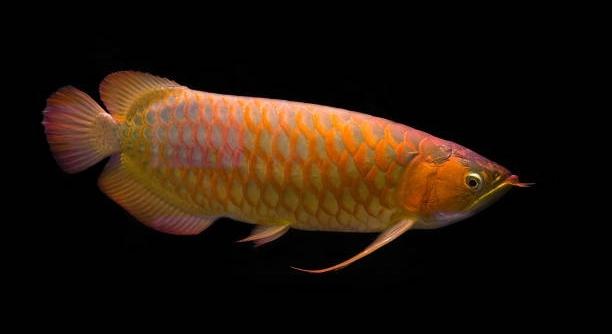
Have you ever tried keeping an arowana tank and felt unsure about creating a calm space for your fish? Maintaining harmony in their environment can feel challenging when every small detail seems important to manage.
Achieving a peaceful arowana tank requires consistent water quality control, proper tank sizing, and carefully chosen tank mates. Maintaining stable parameters and minimizing environmental stressors supports a balanced aquatic environment that promotes long term tranquility for the fish to thrive.
Exploring these steps helps reveal how small adjustments strengthen stability and create harmony for an arowana in its tank daily.
Choosing the Right Tank Size
Selecting the right tank size is one of the most important steps when caring for an arowana, and it sets the stage for calm behavior. Arowanas need space to swim freely, and keeping them in a cramped setup often leads to stress that shows in their movement and feeding habits. A large tank helps reduce tension by giving them room to glide without bumping into walls or decorations. I have seen how arowanas settle better when they are not restricted, and the difference in their behavior is easy to notice. When planning your setup, focus on length more than height or width, since these fish prefer horizontal swimming. Adding smooth decorations also helps avoid snags that might injure them. Once the size is right, everything else becomes easier to manage, and your arowana gains a sense of comfort that supports a peaceful routine in their calm daily life each day.
A properly sized tank lowers stress and helps your arowana maintain steady behavior throughout the day. It gives the fish enough room to move with ease, creating a more comfortable setting. With the right space, your arowana becomes calmer, more stable, and better able to adjust to routine care daily.
Once the tank size is settled, it becomes easier to work on the rest of the setup that keeps your arowana relaxed. Good spacing allows for smoother filtration flow and fewer disturbances during feeding or maintenance. When the fish feels secure in its environment, it responds more gently to changes around it. I have noticed that stable surroundings make the fish less reactive and more comfortable exploring its space. Paying attention to size early on saves time later and protects the fish from unnecessary stress. This simple foundation supports the other steps that help create a calm tank environment.
Maintaining Consistent Water Conditions
Maintaining consistent water conditions plays a major role in keeping your arowana relaxed each day. Stable temperature, clean water, and gentle filtration help prevent sudden shifts that may overwhelm the fish. When these factors remain steady, the tank feels calmer and the arowana responds with smoother behavior throughout the day.
Keeping water conditions consistent supports a balanced tank where your arowana can feel safe and secure. These fish react quickly to temperature swings or changes in water quality, so steady parameters make a noticeable difference in their behavior. Regular testing helps you understand how the water is shifting, and adjusting it early prevents problems from building up. Clean water also reduces strain on the fish, making breathing easier and movement smoother. I have found that gentle filtration systems keep the tank clear without creating strong currents that might disrupt the fish. Slow, even flow encourages calm movement and reduces unnecessary stress. It is helpful to rinse filter media as needed and replace it on a schedule that keeps performance reliable. Avoiding sudden chemical treatments also protects your arowana from shock that may unsettle it. Many small habits, practiced consistently, support long term stability in the tank. When the water remains predictable, your arowana becomes more trusting of its surroundings and moves in a relaxed way. This stability forms the base for a peaceful home, helping the fish adjust more comfortably to feeding, cleaning, and regular tank care, which supports calm behavior during every part of its simple daily routine today.
Selecting Suitable Tank Mates
Choosing suitable tank mates helps prevent tension and keeps your arowana from feeling threatened. Calm, similarly sized fish that occupy different areas of the tank reduce competition. Avoid species that nip fins or move too quickly, since sudden movement may unsettle your arowana during normal activity.
Selecting peaceful companions supports a stable environment where your arowana can maintain steady behavior. I have noticed that avoiding territorial fish makes a big difference, since aggressive species often create unnecessary stress. Bottom dwellers like larger catfish usually work well because they stay out of the arowana’s path, allowing each fish to settle into its own space. Keeping enough room between species helps limit crowding, which keeps the tank atmosphere calm. It also prevents conflicts during feeding, giving each fish its own chance to eat comfortably. With thoughtful choices, tank mates blend naturally into the environment and allow the arowana to feel at ease.
Balancing personalities and sizes helps maintain a peaceful setup. Larger, slow moving companions tend to be less intrusive and let the arowana remain focused on its regular movement. When adding new fish, taking time to observe behavior is helpful, since arowanas react quickly to unfamiliar activity. I try to introduce only one species at a time to avoid sudden disruptions. Monitoring interactions over the first few days makes it easier to spot any issues early. A calm mix of fish helps stabilize the overall mood of the tank and supports predictable behavior every day.
Creating a Gentle Tank Layout
A gentle tank layout supports calm behavior by giving your arowana enough open space to swim comfortably. Smooth decorations, stable plants, and clear pathways help your fish move without bumping into objects. When the layout feels open and steady, the arowana settles into a calm pattern throughout the day.
Designing a thoughtful layout helps keep your arowana relaxed and confident in its surroundings. I find that using soft edged decorations lowers the risk of injuries and keeps the tank feeling open. Driftwood with rounded edges or large rocks placed along the sides help guide movement without restricting space. Leaving the center mostly clear gives the fish a wide area for swimming, which reduces stress and improves overall behavior. Plants can be added, but they should not crowd the tank or limit visibility. A gentle layout allows the fish to glide smoothly, supporting a calm routine during feeding, cleaning, and daily activity.
Managing Lighting and Noise Levels
Keeping lighting soft and consistent helps your arowana remain calm throughout the day. Sudden brightness or constant changes may startle the fish, so steady lighting supports predictable behavior. Reducing loud noises around the tank also prevents unnecessary stress during normal movement and feeding.
Maintaining a quiet area around the tank supports steady behavior. I try to keep the setup away from busy spots in the home, since repeated sounds can unsettle the fish. Smooth, gentle lighting combined with a peaceful environment helps the arowana feel secure every day.
Establishing a Routine Feeding Schedule
A routine feeding schedule supports calm behavior by helping your arowana understand when to expect food. I have noticed that consistent timing reduces restless movement and encourages healthier eating habits. Offering an appropriate amount prevents overeating and keeps the fish energized without creating tension in the tank. Predictable feeding patterns also make it easier to observe changes in appetite or movement, allowing you to adjust care before problems build up. With steady habits, your arowana responds more smoothly to daily activity and settles comfortably into its environment.
Handling Maintenance With Care
Gentle maintenance helps your arowana stay relaxed. Slow movements during cleaning, steady water changes, and calm handling of equipment all protect the fish from sudden stress that may unsettle its normal behavior.
FAQ
How can I keep my arowana from getting stressed in a new tank?
Keeping an arowana calm during the first days in a new tank depends on stability. I always try to keep lighting soft, movement around the tank minimal, and water parameters steady. Avoid sudden changes in temperature or loud activity near the setup. Let the fish settle without tapping the glass or rearranging decorations repeatedly. Arowanas settle more easily when they have open swimming space and predictable surroundings. Allowing the tank to run smoothly before adding the fish also helps prevent sudden shifts that may unsettle them during the adjustment period.
What water parameters are best for maintaining a peaceful arowana?
Stable conditions matter more than chasing perfect numbers. Aim for clean, warm water with slow, steady movement from the filter. I test the water consistently to make sure ammonia and nitrite remain at zero, since these cause stress very quickly. Keeping nitrate low through regular water changes keeps the fish comfortable. Maintaining a gentle temperature range also helps, since arowanas react strongly to sudden swings. When parameters remain predictable, the fish becomes more relaxed and moves with more ease throughout the tank each day.
How often should I clean the tank to prevent stress?
Frequent small cleanings usually work better than large, disruptive sessions. I prefer weekly water changes that remove a moderate amount rather than waiting for the tank to become messy. Cleaning the glass slowly, adjusting decorations only when needed, and rinsing filter media gently all create a calmer experience for the fish. Avoid large overhauls unless absolutely necessary, since too much change at once can unsettle the arowana and disrupt its routine.
Which tank mates are safest for a peaceful environment?
Fish that stay near the bottom or move gently around the tank work best. Larger catfish, peaceful barbs, and calm species that do not nip or chase help keep stress low. I avoid pairing arowanas with fast, erratic fish or territorial species that guard certain areas aggressively. Balanced personalities make the tank feel more predictable, and predictability keeps the arowana calmer. When adding new fish, slow introductions and close observation are helpful for spotting tension early.
How can I tell if my arowana feels calm or stressed?
A calm arowana glides smoothly, maintains steady posture, and responds gently during feeding. Stressed behavior often includes fast darting, sudden hiding, dull color, or refusal to eat. I watch for small changes since arowanas show early signs of discomfort before bigger issues appear. Slow movement, curiosity, and healthy interaction with the environment are positive signals that the fish feels stable.
Do lighting changes affect arowana behavior?
Yes, lighting has a strong influence. I have seen arowanas become startled when lights turn on or off too quickly. Soft, gradual changes help the fish transition more comfortably. Keeping a consistent schedule prevents sudden brightness that might cause the fish to panic. Steady lighting supports relaxed swimming and encourages predictable activity throughout the day.
How can I feed my arowana in a way that keeps the tank calm?
Offering food at the same time each day builds trust and helps the fish understand when to expect a meal. I avoid tossing food suddenly into the tank, since fast motion can startle the fish. Feeding with gentle, controlled movements helps keep the environment peaceful. Using a balanced diet and avoiding overfeeding also reduces stress, since leftover food can cloud the water and affect behavior.
Are sudden noises harmful for an arowana?
Repeated loud noises can make the fish jump or hide, so placing the tank in a quiet spot is helpful. Vibrations from slamming doors, heavy footsteps, or loud speakers may unsettle the fish over time. I try to keep the tank away from busy parts of the home, which makes a big difference in keeping the environment calm and stable.
Keeping an arowana tank peaceful takes consistent effort, but the results are worth it. Every detail, from water quality to tank layout, contributes to the overall calm of the fish. I have found that paying attention to small changes in water parameters or lighting helps prevent stress before it becomes a problem. Arowanas respond quickly to sudden shifts in their environment, so steady conditions are the best way to support long-term comfort. When the tank is stable, the fish moves more naturally, eats reliably, and interacts with its surroundings in a relaxed way. This balance makes daily maintenance easier and allows the arowana to thrive without constant worry.
Creating a calm environment also depends on thoughtful decisions about tank mates and decorations. Fish that are peaceful and occupy different parts of the tank reduce competition and tension. I have noticed that arowanas appreciate open swimming space, which gives them room to explore without feeling crowded or threatened. Smooth decorations and plants that are placed strategically prevent accidents while maintaining visual interest. Gentle lighting and quiet surroundings help the fish feel secure, which encourages regular activity and a steady routine. A peaceful tank is not just about one element, but the combination of consistent water, careful companions, and a safe, open layout that lets the fish live comfortably.
Finally, routines in feeding and maintenance reinforce arowana calmness. Offering food at consistent times and cleaning the tank slowly prevents sudden surprises that could unsettle the fish. I try to handle all tasks carefully, from checking filters to moving decorations, so the arowana learns that these events are part of normal life. Regular observation allows me to spot early signs of stress or illness and make adjustments quickly. By combining steady routines, proper care, and a carefully designed environment, the tank becomes a space where the arowana can thrive. Over time, this creates a peaceful habitat where the fish is healthy, active, and comfortable every day, making the effort of maintaining the tank feel rewarding and manageable.

Hello,
If you enjoy the content that we create, please consider saying a "Thank You!" by leaving a tip.
Every little bit helps us continue crafting quality advice that supports the health, happiness, and well-being of pets around the world, for pets of all shapes, sizes, and species.
We really appreciate the kindness and support that you show us!