
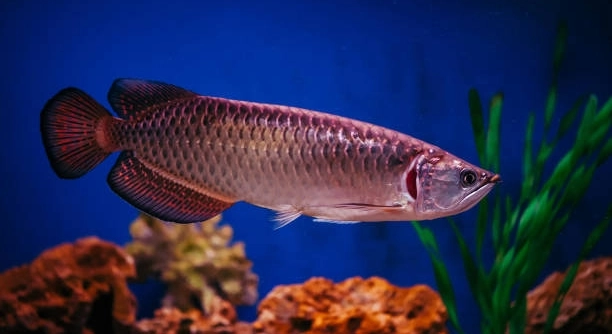
Do you ever notice your arowana swimming back and forth across its tank in a constant loop? Observing this behavior can be worrying, especially when your fish seems restless or uneasy, moving with little pause throughout the day.
Arowanas often pace obsessively due to stress, insufficient space, or inadequate tank conditions. Overcrowding, poor water quality, or lack of stimulation can lead to repeated swimming patterns, which are indicators of discomfort or environmental dissatisfaction.
Understanding these patterns will help you improve your fish’s environment and overall wellbeing, ensuring a healthier and more peaceful life for your arowana in its tank.
Tank Size and Space Requirements
Arowanas are large, active fish that need plenty of room to swim freely. A tank that is too small can cause them to pace obsessively as they try to explore their environment. Even if your tank seems spacious, remember that adult arowanas can grow quite large, requiring a long and wide swimming area. Insufficient space not only stresses the fish but can also stunt growth and affect overall health. Decorations, plants, or ornaments should be arranged carefully to avoid limiting movement, while still providing hiding spots or resting areas. A proper tank setup balances both open space and enrichment, giving your arowana room to feel secure while still offering stimulation. Regularly monitoring how your fish uses its environment can help you identify whether the tank meets its needs. Adjustments in layout or tank size often lead to calmer, more natural swimming behavior and reduce obsessive pacing over time.
Providing an adequately sized tank ensures your arowana has space to swim without stress, which can significantly reduce pacing behavior.
Arowanas benefit from a tank length of at least six feet for adult fish. The width and depth should also accommodate smooth, continuous swimming. Observing the fish’s daily behavior can reveal whether the space is sufficient, and even small additions like floating plants or open swimming lanes can improve comfort and reduce anxiety.
Water Quality and Maintenance
Clean, stable water is essential for an arowana’s health and behavior.
Poor water quality, including high ammonia or nitrite levels, can trigger stress and pacing. Arowanas are sensitive to temperature changes and chemical imbalances. Regular testing, partial water changes, and proper filtration help maintain a stable environment. Sudden shifts in water conditions can make the fish restless, causing repeated swimming patterns. Beyond chemical balance, water flow should match the species’ preference; strong currents may exhaust the fish, while stagnant water may reduce oxygen levels. Monitoring pH, hardness, and temperature ensures conditions remain optimal. Even minor neglect in maintenance can disrupt your arowana’s comfort, leading to long-term stress and behavioral issues. By committing to consistent water care, you create an environment where the fish feels secure, reducing pacing and promoting healthy growth. Observing behavior alongside water parameters provides insights into necessary adjustments.
Arowanas respond well to steady, clean water. Maintaining this environment supports natural behavior and reduces obsessive swimming tendencies.
Diet and Feeding Habits
A balanced diet is crucial for arowanas. Overfeeding or underfeeding can make them restless and lead to pacing. High-quality pellets, occasional live food, and a consistent feeding schedule keep them satisfied and healthy.
Feeding too little or providing an unvaried diet can increase stress and obsessive behavior. Arowanas need protein-rich foods like pellets, shrimp, or small fish. Overfeeding can also harm digestion and water quality, which may trigger repeated swimming. Offering food at the same time each day helps them anticipate feeding and reduces anxiety. Varying textures and types encourages natural hunting instincts, giving them mental stimulation and a sense of purpose in their environment. Consistency and quality are key to preventing pacing caused by hunger or boredom.
Supplements such as vitamins or occasional treats can help maintain their health. Avoid sudden changes in diet, as this may increase stress and worsen obsessive pacing. Observing how your arowana reacts to different foods helps identify the best feeding routine and ensures both physical and mental wellbeing.
Environmental Enrichment
Providing stimulation reduces stress and repetitive behavior in arowanas.
Adding decorations, plants, and hiding spots creates a more engaging environment. Floating logs or broad leaves allow exploration while keeping the tank open for swimming. Even simple rearrangements occasionally can spark curiosity. Arowanas are intelligent and benefit from enrichment that encourages natural behaviors like hunting and exploring. Toys or feeding puzzles can add mental stimulation. Without these elements, they may pace as a reaction to boredom or monotony. Proper enrichment balances safety and activity, preventing frustration that leads to obsessive swimming.
Regularly changing tank features and providing varied enrichment maintains interest. Introducing floating objects or rearranging plants challenges the fish without overcrowding the space. Observing interactions with these elements informs adjustments to keep the environment stimulating. Environmental enrichment also strengthens mental resilience, reducing stress-induced behaviors like pacing. These small changes can transform a stagnant tank into a more dynamic, engaging habitat that promotes natural behavior. Ensuring a balanced combination of open space and engaging elements is essential to reduce obsessive swimming and support the overall health of your arowana.
Stress Factors
Stress plays a major role in obsessive pacing. Sudden changes in light, temperature, or tank setup can unsettle arowanas and trigger repeated swimming.
Loud noises, frequent tapping on the glass, or constant activity around the tank can also cause stress. A calm, stable environment helps your arowana feel secure and reduces pacing behavior.
Tank Mates
Compatibility with other fish is important. Aggressive or overly active tank mates can intimidate arowanas, leading to stress-induced pacing.
Choosing peaceful, similarly sized fish reduces conflicts. Avoid overcrowding, and monitor interactions carefully. Arowanas are territorial, so ensuring enough space and compatible companions supports a calmer, healthier tank environment.
Lighting and Day-Night Cycle
Proper lighting affects arowana behavior and mood. Bright or inconsistent lighting can make them anxious.
Maintaining a consistent day-night cycle helps regulate natural rhythms. Using dimmers or timers can reduce stress and pacing. Observing how your arowana reacts to light levels ensures a comfortable and healthy environment.
FAQ
Why does my arowana keep swimming back and forth?
Obsessive pacing is usually a sign of stress or discomfort. Common causes include a tank that is too small, poor water quality, or lack of environmental stimulation. Addressing these issues can help your fish feel more secure and reduce repetitive swimming behavior.
Can diet affect pacing behavior?
Yes, diet has a direct impact on activity levels. Feeding too little or offering an unbalanced diet can make arowanas restless. A mix of high-quality pellets, occasional live foods, and supplements keeps them healthy, satisfied, and less likely to pace obsessively.
Does tank size really matter for pacing?
Absolutely. Arowanas are large, active fish that require long, open tanks for smooth swimming. A cramped tank restricts movement, increases stress, and encourages repetitive pacing. A minimum tank length of six feet is recommended for adult fish, with adequate width and depth for natural movement.
How often should I clean the tank?
Maintaining clean water is essential. Partial water changes every week or two, along with proper filtration, help keep ammonia and nitrite levels low. Regular testing ensures water remains stable, preventing stress that can trigger pacing. Overlooking maintenance often results in restless or unhealthy behavior.
Can tank mates influence pacing?
Yes, tank mates can either calm or stress your arowana. Aggressive or overly active fish can intimidate them, causing repetitive swimming. Peaceful, similarly sized companions reduce conflict, while overcrowding should always be avoided. Observing interactions helps determine whether the fish are compatible.
Does lighting impact pacing?
Inconsistent or overly bright lighting can make arowanas anxious. Maintaining a steady day-night cycle with dimmers or timers creates a sense of security. Observing their response to lighting adjustments helps maintain a calm environment and reduces stress-induced pacing.
Will enrichment reduce obsessive swimming?
Environmental enrichment can help significantly. Adding decorations, floating plants, and hiding spots encourages natural behavior and mental stimulation. Rearranging features occasionally prevents boredom, while still leaving plenty of open space for swimming. Toys or feeding puzzles can also provide engagement and reduce repetitive movements.
Is pacing a sign of illness?
Not always, but it can be an early warning. Stress from poor water quality, diet, or tank conditions is more common, but underlying health issues may contribute. Watching for other symptoms like loss of appetite, discoloration, or lethargy helps identify whether pacing is purely behavioral or medically related.
How can I tell if my arowana is stressed?
Signs of stress include rapid or obsessive swimming, hiding excessively, refusing food, or changes in coloration. Frequent pacing often accompanies these behaviors. Addressing tank size, water quality, diet, and enrichment usually alleviates stress and restores natural swimming patterns.
Are there long-term consequences of obsessive pacing?
Yes, prolonged pacing can lead to physical issues like fin damage, muscle fatigue, and stunted growth. It also indicates chronic stress, which weakens the immune system and makes arowanas more vulnerable to disease. Creating a proper environment early prevents long-term harm.
How can I encourage calmer behavior?
Ensure the tank is large, water quality is stable, and the diet is balanced. Add enrichment, maintain consistent lighting, and select compatible tank mates. Monitoring behavior and making small, consistent adjustments can restore arowanas to more natural, relaxed swimming patterns.
Can arowanas outgrow pacing habits?
Some do, if tank conditions improve. Pacing often reflects environmental or dietary stress rather than innate behavior. Providing sufficient space, proper care, and enrichment allows your fish to establish routines and reduce repetitive movements over time.
What should I do if pacing continues despite changes?
Persistent pacing may require a deeper review of all conditions: tank size, water chemistry, diet, and companions. Consulting a specialist or experienced aquarist can help identify less obvious stressors or health concerns that may be maintaining the behavior.
Is it normal for young arowanas to pace?
Young arowanas can pace as they explore their environment. While occasional pacing is normal, constant repetitive swimming usually indicates stress or inadequate space. Monitoring growth, tank setup, and diet early helps prevent this behavior from becoming habitual.
Can changing the tank layout help?
Yes, rearranging decorations or adding new hiding spots can reduce boredom and stress. Small, controlled changes provide mental stimulation while maintaining sufficient open swimming areas, encouraging calmer and more natural movement patterns.
How does water flow affect pacing?
Strong currents can tire arowanas, while stagnant water may reduce oxygen levels, both causing repetitive swimming. Adjusting the flow to moderate levels suited for the species promotes comfort, natural swimming, and less obsessive pacing.
Is obsessive pacing reversible?
Yes, in most cases. Addressing tank size, water quality, diet, enrichment, lighting, and companions usually leads to noticeable improvement. Consistency and observation are key to helping your arowana regain natural, relaxed behavior and reduce stress-induced swimming.
Final Thoughts
Observing your arowana pacing can be stressful, but it is usually a sign that something in its environment needs adjustment. Arowanas are large, active fish that require specific care to thrive. Tank size, water quality, diet, enrichment, and compatible companions all play a role in their behavior. When one or more of these factors are not ideal, repetitive swimming or obsessive pacing often occurs. By focusing on the basics, such as providing enough open space, maintaining stable water conditions, and ensuring proper nutrition, you can greatly reduce stress for your fish. Addressing these areas systematically allows your arowana to feel more comfortable in its home, leading to calmer behavior and better overall health.
Consistency is key when caring for arowanas. These fish respond best to routine, whether it is regular feeding times, consistent lighting, or predictable water maintenance. Sudden changes can trigger stress, making pacing worse. Small adjustments over time are often more effective than drastic changes, as they allow the fish to adapt without further agitation. Environmental enrichment, such as plants, floating objects, or occasional rearrangement of decorations, helps provide mental stimulation and encourages natural behaviors. Even subtle improvements, like ensuring water flow is moderate or choosing calm tank mates, can significantly reduce repetitive swimming. Observing your fish daily gives insight into what adjustments are necessary and allows you to catch early signs of stress before they develop into more serious health issues.
Long-term wellbeing is the goal when managing obsessive pacing. While the behavior itself is often a reaction to stress, ignoring it can lead to physical strain, weakened immune systems, or slower growth. Maintaining clean water, proper nutrition, sufficient space, and a stimulating yet safe environment helps prevent these problems. Over time, arowanas can settle into a routine and display more natural, relaxed movements. Patience is important, as improvements may take weeks to become noticeable, but the benefits are lasting. A careful, consistent approach to care ensures your arowana remains healthy, active, and comfortable in its tank for years to come.

Hello,
If you enjoy the content that we create, please consider saying a "Thank You!" by leaving a tip.
Every little bit helps us continue crafting quality advice that supports the health, happiness, and well-being of pets around the world, for pets of all shapes, sizes, and species.
We really appreciate the kindness and support that you show us!