
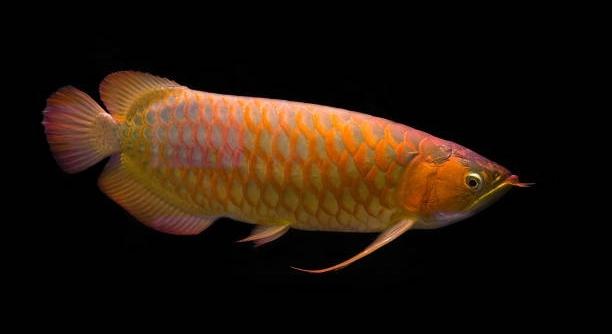
Do your Arowana often swim close to your hand, following your fingers as they move along the tank? Many fish owners notice this behavior and wonder why their aquatic companion seems so attentive and interactive.
Arowanas often follow fingers due to their natural hunting instincts and curiosity. The movement of your fingers mimics prey, triggering a tracking response. This behavior can also indicate recognition, comfort, and engagement with their environment and caretaker.
Observing this behavior can reveal more about your Arowana’s personality and interaction style, offering insight into its natural instincts and daily habits in captivity.
Why Arowanas Track Movement
Arowanas are predatory fish by nature, and their instincts drive them to notice and follow moving objects. When your fingers glide along the glass, the motion resembles small prey, which captures their attention. Over time, they learn that these movements are harmless and can even be associated with feeding times. This behavior is more common in Arowanas kept in home aquariums where interaction with humans becomes a regular part of their environment. The tracking is not just limited to fingers; any repetitive movement near the tank can elicit a response. Observing this behavior closely allows owners to understand feeding cues and the fish’s level of comfort. It also reflects the intelligence of Arowanas, as they can recognize patterns and anticipate actions based on prior experiences. Consistent interaction encourages trust, reducing stress and promoting a calmer tank environment, which is essential for their health.
Following fingers is often a sign that your fish is alert and engaged.
Regular interaction enhances your Arowana’s cognitive development and helps establish a routine, making feeding and care easier. Watching them respond can be satisfying, as they appear attentive and aware of their surroundings. This behavior also indicates that your fish feels secure and is comfortable enough to explore the tank actively, without hiding. Engaged Arowanas tend to show healthier swimming patterns and appetite, which are key indicators of overall well-being. In addition, the fish may start associating specific hand movements with treats or feeding, forming simple but consistent behavior patterns. Recognizing these cues can make maintenance and care more predictable and reduce stress for both you and the fish. By observing the subtle signs and responses, you gain insight into their preferences and habits, which can inform tank setup, feeding schedules, and enrichment activities. Creating an environment that encourages natural tracking and interaction supports mental stimulation and helps prevent boredom, leading to a healthier, more active Arowana in the long term.
How to Encourage Positive Interaction
Movement near the tank should be calm and deliberate to avoid startling your Arowana.
Gradually introducing finger tracking can strengthen your bond with the fish and reinforce positive behavior. Begin by moving your fingers slowly along the tank glass during non-feeding times, allowing your Arowana to observe and follow without pressure. Over time, you can pair the movement with feeding to help the fish understand that your presence signals food, which enhances recognition and trust. Avoid sudden or erratic gestures, as these can cause stress and fear responses, interrupting the learning process. Consistency is key; regular short sessions encourage familiarity and engagement. Keep the environment stable, with adequate hiding spots and proper tank conditions, to ensure the fish feels secure while interacting. Observing the fish’s response allows you to adjust the pace and style of interaction, ensuring that the behavior remains positive and beneficial for both care and enrichment. Incorporating gentle movement into daily routines creates a stimulating environment that aligns with the Arowana’s natural instincts, fostering attentive and calm behavior while reducing anxiety.
Signs Your Arowana Is Comfortable
Arowanas that follow fingers without hesitation usually feel secure in their environment. Calm movements, steady swimming, and consistent interest indicate comfort. Stress signs, like darting or hiding, are absent, showing the fish trusts its surroundings and the person interacting with it.
Comfortable Arowanas often display smooth, deliberate swimming patterns and approach your hand without sudden bursts of speed. Their fins remain relaxed, and they maintain eye contact, following motions attentively. The fish may hover near feeding areas or investigate objects in the tank, showing curiosity without fear. These behaviors suggest that the Arowana associates human presence with safety and possibly food, reflecting both trust and mental engagement. Over time, such interactions can reinforce a routine that encourages positive stimulation and reduces anxiety. Observing these signs helps owners gauge their fish’s well-being and adjust care practices accordingly.
Recognizing comfort signs also allows for better interaction strategies. Fish that respond positively to finger tracking can gradually be introduced to more enrichment activities, such as floating objects or feeding routines that encourage natural hunting instincts. Avoiding stressful stimuli and maintaining consistent tank conditions ensures continued confidence and engagement. Comfortable Arowanas are more likely to develop predictable behaviors, making care routines smoother. This stability benefits both the fish’s health and the owner’s ability to monitor and respond to its needs effectively.
Feeding Influence on Behavior
Finger-following behavior often intensifies around feeding times, as movement is linked to food anticipation. The fish begins associating hands with meals, reinforcing tracking instincts.
Regular feeding schedules strengthen recognition of human presence and movement, which stimulates natural predatory responses. Arowanas learn to follow consistent gestures, such as finger motions near the water surface, anticipating food delivery. This behavior is reinforced when feeding occurs in predictable patterns, allowing the fish to connect motion with reward. Observing these responses provides insight into appetite, timing, and engagement, which can improve overall care. Feeding interaction can also act as mental stimulation, reducing boredom and promoting natural hunting behaviors, while ensuring the fish remains active and alert within its environment.
Understanding Curiosity in Arowanas
Arowanas often follow fingers due to natural curiosity. Movement near the tank catches their attention, encouraging them to investigate. This behavior reflects both intelligence and environmental awareness.
Curiosity also helps the fish adapt to changes in the tank. Observing new objects or motions keeps them mentally active and engaged, reducing stress and promoting healthy behavior.
Safe Interaction Practices
Avoid sudden or aggressive hand movements. Gentle, slow motions prevent startling the fish, ensuring positive engagement and trust.
Consistent interaction reinforces recognition and allows the Arowana to associate human presence with safety. Repeated, calm gestures help build a routine the fish can anticipate. Over time, this encourages natural behaviors like tracking and hunting instincts without causing fear or stress. Maintaining proper tank conditions and avoiding overcrowding supports safe engagement, allowing the Arowana to respond confidently. Monitoring its reactions ensures interactions remain beneficial, promoting mental stimulation, physical activity, and overall well-being in a controlled, secure environment.
Tank Environment Influence
Arowanas track fingers more in spacious tanks with minimal stress. Comfortable environments enhance interaction.
Repetition and Training
Repeated, calm movements help reinforce positive following behavior and strengthen recognition of human presence.
FAQ
Why does my Arowana follow my fingers so closely?
Arowanas are naturally predatory and highly observant. Your finger movements resemble small prey, which triggers tracking instincts. Over time, they learn the movements are harmless and may even associate them with feeding or interaction, showing both curiosity and recognition.
Is it normal for an Arowana to track fingers daily?
Yes, frequent tracking is common in healthy, comfortable fish. It indicates alertness and engagement. Fish that are stressed or uncomfortable typically avoid interaction, hide, or display erratic swimming. Daily tracking reflects trust in their environment and caretaker.
Can finger-following be used to train my Arowana?
Yes, gentle and consistent gestures can encourage recognition and routine behaviors. Pairing finger movements with feeding helps the fish associate motion with reward. Over time, it can strengthen mental stimulation and reinforce positive habits without causing stress.
What precautions should I take when interacting with my Arowana?
Always move slowly and avoid sudden motions. Rapid gestures can startle the fish and cause injury. Maintain stable water conditions, ensure adequate tank size, and avoid overcrowding. Monitor its reactions closely, adjusting your approach if stress signs, like darting or hiding, appear.
Does following fingers mean my Arowana is friendly?
While friendliness isn’t exactly the right term, this behavior shows trust and comfort. The fish recognizes you as part of its environment and associates your presence with safety or feeding. This is a positive sign of adaptation and mental engagement.
Can finger-following indicate hunger?
Often, yes. Arowanas link human movement near the tank to feeding times. Tracking fingers before meals is a learned behavior. Observing when and how it follows can help you gauge appetite and adjust feeding schedules accordingly.
Will my Arowana stop following fingers if ignored?
Potentially. If interaction is inconsistent or stressful, the fish may become cautious and stop approaching. Regular, gentle engagement helps maintain recognition and encourages continued following behavior while reinforcing trust.
Are all Arowanas equally likely to follow fingers?
No, individual temperament and past experiences affect behavior. Some are naturally more curious or active, while others may be reserved. Younger fish or those in less comfortable environments may track less frequently. Environment, tank conditions, and routine also influence the behavior.
Does tank size affect finger-following behavior?
Yes. Larger tanks provide space for natural movement, reducing stress, and allowing the fish to approach voluntarily. Small or overcrowded tanks can cause anxiety, making the fish less likely to follow fingers consistently. Proper space encourages calm and exploratory behavior.
How can I encourage more interaction safely?
Move your hand slowly along the glass during non-feeding times, pairing movement with calm routines. Avoid sudden gestures, maintain water quality, and provide hiding spots. Observing your Arowana’s comfort level ensures positive engagement and prevents stress while supporting its natural tracking instincts.
Can finger-following behavior indicate health issues?
Generally, consistent following shows alertness, but sudden changes in tracking, lethargy, or disinterest may signal stress, poor water quality, or illness. Monitoring overall behavior alongside feeding and swimming patterns provides a better picture of health. Prompt action helps maintain well-being.
Is finger-following a sign of intelligence?
Yes, Arowanas demonstrate learning and memory by recognizing gestures and anticipating rewards. Tracking reflects observational skills, pattern recognition, and cognitive engagement. Mental stimulation through interaction supports healthy behavior and reduces boredom, contributing to overall fitness.
Can multiple Arowanas in one tank affect this behavior?
Yes, competition or territorial behavior may reduce tracking. Dominant fish may prevent others from approaching the front, or some may feel stressed. Proper tank size, hiding spots, and monitoring interactions can help maintain safe engagement for all fish.
How long does it take for an Arowana to learn finger-following?
Learning varies with individual temperament and consistency of interaction. Some fish respond within days, while others may take weeks. Regular, gentle, and predictable engagement, paired with feeding cues, accelerates the learning process and strengthens recognition.
Does finger-following mean my Arowana recognizes me?
It shows recognition of your presence and movement patterns rather than personal identity. The fish connects gestures with safety, feeding, or routine, reflecting trust and comfort. Consistent interaction helps reinforce this awareness over time.
Can finger-following become a habit for Arowanas?
Yes, repeated, predictable movements create habits. The fish anticipates actions and responds accordingly. Habits can be positive, encouraging engagement, mental stimulation, and alertness. Avoid forcing interaction to prevent stress or negative associations.
What should I avoid while interacting?
Avoid tapping the glass, sudden hand movements, and introducing stressors. These can cause fear, erratic swimming, or hiding. Maintain gentle gestures, consistent routines, and proper tank conditions to ensure safe and positive behavior reinforcement.
Is it okay for Arowanas to follow objects other than fingers?
Yes, movement from toys or floating objects can trigger similar tracking behavior. These can provide enrichment and mental stimulation, simulating natural hunting instincts. Rotate objects occasionally to maintain interest and prevent boredom while supporting cognitive health.
How do I know if my Arowana enjoys following fingers?
Relaxed swimming, steady eye contact, and consistent attention are good indicators. Avoidance, darting, or fin clamping shows discomfort. Observing body language alongside frequency of tracking helps determine the fish’s comfort and engagement level.
Can following fingers reduce stress for Arowanas?
Yes, positive interaction can provide mental stimulation, encourage natural behaviors, and create predictable routines. When the fish associates gentle gestures with safety and feeding, it helps reduce anxiety and promotes a calm, active presence in the tank.
How often should I interact for finger-following behavior?
Short, daily sessions are effective. Consistency matters more than duration. Frequent but calm interaction reinforces recognition, encourages natural tracking, and helps the fish remain mentally stimulated without causing stress or fatigue.
What is the best way to start finger-following interaction?
Begin with slow, steady finger movements near the glass during calm periods. Observe responses and avoid rushing. Pair with feeding over time to reinforce positive associations. Adjust pace and technique based on comfort to ensure safe and engaging interaction.
Does age affect finger-following behavior?
Yes, younger fish may be more curious and active, while older Arowanas may be slower or more cautious. Experience, tank conditions, and past interaction history also influence tracking behavior regardless of age.
Can environmental enrichment improve finger-following behavior?
Yes, providing plants, decorations, and safe objects encourages exploration. A stimulating environment promotes natural curiosity, alertness, and willingness to engage with movements outside the tank, including finger tracking.
Is finger-following a reliable indicator of overall fish happiness?
It is one indicator, reflecting comfort, curiosity, and engagement. However, it should be considered alongside feeding, swimming patterns, coloration, and general activity to assess overall health and well-being accurately.
How can I prevent negative associations with finger-following?
Avoid startling, overhandling, or introducing sudden threats during interaction. Maintain calm gestures, consistent feeding cues, and a stable environment. Positive reinforcement encourages safe engagement while preventing fear or stress responses.
Are there signs my Arowana might overreact to finger movements?
Yes, erratic swimming, sudden lunges, or hiding indicates overstimulation or stress. Slow gestures, patience, and observing responses ensure interaction remains safe, allowing the fish to follow fingers without fear.
Can I combine finger-following with other training techniques?
Yes, gentle hand gestures, feeding cues, and floating objects can all be used to teach recognition, response timing, and controlled behaviors. Combining methods enhances mental stimulation and strengthens trust while maintaining natural instincts.
Does water quality affect finger-following behavior?
Absolutely. Poor water conditions cause stress, reducing curiosity and engagement. Stable water parameters, proper filtration, and regular maintenance support consistent tracking behavior and overall well-being.
Can finger-following behavior help detect health issues early?
Yes, sudden disinterest, lethargy, or erratic movement during interaction may indicate illness or stress. Regular observation during finger-following sessions provides insight into appetite, energy levels, and general health, allowing prompt action if needed.
What should I do if my Arowana never follows fingers?
Respect the fish’s temperament. Not all Arowanas are inclined to follow fingers. Focus on gentle observation, maintaining a comfortable tank environment, and providing enrichment through feeding and safe objects to support natural behavior without forcing interaction.
Does finger-following behavior vary between species of Arowanas?
Yes, species differences, temperament, and activity levels influence tracking behavior. Some species are more active and curious, while others are reserved. Understanding species-specific tendencies helps tailor interaction and care practices effectively.
How do I maintain long-term engagement with finger-following?
Keep interactions consistent, gentle, and paired with positive reinforcement, like feeding or enrichment. Rotate gestures and objects to maintain interest. Regular observation ensures that engagement remains safe, mentally stimulating, and stress-free for the fish.
Can finger-following improve the bond between owner and fish?
Yes, it fosters trust and recognition. The fish learns to associate your presence with safety and feeding routines, creating predictable, positive interactions that strengthen engagement over time.
What is the ideal tank setup to support finger-following behavior?
Provide ample swimming space, hiding spots, and stable water conditions. Proper filtration, lighting, and enrichment support natural tracking behavior. A secure and comfortable environment encourages voluntary interaction without causing stress or fear.
How long should each finger-following session last?
Short sessions of a few minutes are ideal. Frequent, calm engagement is more effective than long or intense interaction, preventing overstimulation and reinforcing positive, safe behavior.
Are there risks to finger-following behavior?
If done incorrectly, rapid or aggressive movements can stress the fish. Maintaining slow, gentle gestures, a stable environment, and monitoring reactions ensures safe and beneficial engagement.
Does finger-following indicate social behavior?
Partially. It reflects recognition and comfort with human presence but does not equate to social bonding like in mammals. It indicates environmental awareness, trust, and mental engagement.
How can I encourage shy Arowanas to follow fingers?
Start slowly with small, gentle gestures. Allow the fish to observe without pressure, gradually increasing interaction. Pair movement with feeding to reinforce positive associations while respecting the fish’s comfort level.
Is finger-following more common in captive Arowanas than wild ones?
Yes. Captive fish are exposed to regular human interaction and feeding routines. Wild Arowanas are less likely to encounter predictable stimuli, so tracking human fingers is primarily a behavior seen in home aquariums.
Can finger-following behavior become routine for the fish?
Yes, repeated gentle interaction and predictable feeding cues create habitual responses. The fish anticipates movements, maintains alertness, and engages in natural tracking without fear or stress.
Does diet influence finger-following behavior?
A healthy, consistent diet supports energy and curiosity, making fish more likely to engage in tracking behavior. Malnutrition or irregular feeding can reduce responsiveness and interest in interaction.
How can I tell if finger-following is improving mental stimulation?
Increased alertness, consistent tracking, and curiosity toward other stimuli indicate mental engagement. Regular observation during interaction helps assess cognitive stimulation and overall enrichment effectiveness.
Should I limit finger-following sessions during breeding or stress periods?
Yes. During breeding, illness, or stress, minimize interaction. Focus on stable water conditions, proper nutrition, and reduced stimuli to allow the fish to recover while avoiding unnecessary stress.
Can finger-following predict feeding behavior?
Yes, fish often track fingers in anticipation of food. Observing timing and intensity of tracking helps gauge appetite and readiness for feeding, improving routine management and care.
Is finger-following more noticeable in younger Arowanas?
Often, yes. Younger fish are more active and exploratory. Older fish may still follow fingers but may be slower or less consistent, depending on temperament and environment.
How do I adjust interaction for multiple Arowanas?
Provide enough space and hiding spots to reduce competition. Introduce finger-following individually to prevent dominant fish from blocking others. Monitor reactions to ensure positive engagement for all fish.
Can finger-following behavior indicate tank satisfaction?
Yes, consistent engagement shows comfort, curiosity, and trust in the environment. Sudden changes can signal stress, poor water quality, or other issues needing attention.
Is finger-following behavior permanent?
Not necessarily. Habits can persist with consistent interaction, but changes in environment, stress, or health may reduce or stop the behavior. Monitoring and adaptation help maintain engagement.
How do I know if my Arowana is overstimulated during finger-following?
Signs include rapid swimming, darting, hiding, or clamped fins. Pause interaction, reduce stimuli, and allow the fish to calm down. Gradual, calm gestures prevent overstimulation and stress.
Does tank décor affect finger-following behavior?
Yes, obstacles, plants, and hiding spots provide comfort and exploration opportunities. Proper décor reduces stress and allows the fish to approach fingers voluntarily, enhancing tracking behavior.
Can finger-following replace other enrichment methods?
No. It should complement other mental and physical stimulation like feeding puzzles, objects, and swimming space. Variety ensures comprehensive enrichment and supports natural behaviors.
How often should I monitor responses during interaction?
Constant observation is important. Watch for comfort signs, stress indicators, and engagement. Adjust gestures, pace, or duration accordingly to maintain positive, safe interaction.
Is finger-following common in all aquarium fish?
No, it is more noticeable in intelligent, predatory, or curious species like Arowanas. Fish with lower curiosity or schooling tendencies may not exhibit this behavior.
Can finger-following affect feeding aggression?
It can reduce stress and reinforce routine, but overly excited fish may become aggressive near feeding times. Consistent calm gestures help maintain controlled, positive behavior.
Does lighting influence finger-following behavior?
Yes, consistent lighting supports visibility and comfort. Bright or flickering light may stress the fish, reducing interaction. Balanced lighting enhances tracking response without causing fear.
Are there risks in combining finger-following with hand feeding?
Potentially, if done carelessly. Hands should be clean, and movements gentle. Abrupt gestures can startle or harm the fish. Proper technique ensures safe reinforcement of tracking behavior.
How do I gradually increase finger-following interaction?
Start with short, slow sessions, paired with feeding cues. Gradually extend duration and movement range, observing comfort levels. Adjust pace based on reactions to maintain positive, stress-free engagement.
Does temperature affect finger-following behavior?
Yes, optimal water temperature supports energy and activity levels. Too low or high temperatures can reduce responsiveness and tracking, while stable, ideal conditions encourage natural curiosity and engagement.
Can finger-following indicate dominance among multiple Arowanas?
Occasionally. Dominant fish may control access to the front of the tank or influence responses of others. Observing interactions helps manage space and maintain balanced, safe engagement for all fish.
Is finger-following behavior influenced by tank noise or vibration?
Yes, excessive vibrations or loud sounds can stress fish, reducing curiosity and engagement. Quiet, stable surroundings support attentive tracking behavior and positive interaction.
How do I know if my Arowana associates fingers with food?
Tracking intensifies around feeding times, and the fish may anticipate food delivery with repeated gestures. This learned association indicates recognition of motion as a signal for feeding.
Can finger-following behavior decrease over time?
Yes, if interaction becomes inconsistent, stressful, or environmental conditions change. Maintaining calm gestures, routine, and proper care helps sustain engagement over time.
Does tank water clarity affect finger-following?
Yes, clear water allows better visibility, encouraging tracking. Cloudy or dirty water may reduce responsiveness and interest in movements outside the tank.
Can finger-following behavior be a sign of boredom?
Sometimes, but usually it reflects curiosity or recognition. If tracking is excessive without feeding or stimulation, adding enrichment can prevent repetitive or stress-induced behavior.
How can I safely end a finger-following session?
Slowly withdraw your hand and avoid sudden movements. Allow the fish to return to normal swimming patterns. Gradual disengagement prevents stress and maintains positive associations.
Does finger-following indicate emotional attachment?
Not in the human sense, but it reflects trust, recognition, and comfort. The fish feels secure in the presence of gentle, predictable movements.
How do I document finger-following behavior?
Record frequency, duration, and reactions during sessions. Note responses to different gestures or times of day. Tracking progress helps refine interaction strategies and monitor health.
Are there risks if my Arowana bites at fingers?
Yes, aggressive lunges can harm both the fish and caretaker. Use caution, observe cues, and avoid provoking behavior. Gentle gestures and proper timing reduce risk and maintain safe engagement.
Can finger-following help detect stress early?
Yes, changes in responsiveness, avoidance, or erratic movements during interaction often indicate stress. Early detection allows adjustments in environment, routine, or care.
How do I keep finger-following safe with multiple feeding sessions?
Separate interactions from feeding if needed. Use consistent gestures, allow the fish to approach voluntarily, and maintain calm pacing to prevent overstimulation and competition stress.
Does tank size limit finger-following opportunities?
Yes, small or crowded tanks reduce voluntary approach space. Sufficient swimming room encourages calm tracking and natural interaction without fear or conflict.
Can finger-following behavior indicate overall tank satisfaction?
Yes, it reflects comfort, curiosity, and confidence in the environment. Combined with feeding, swimming, and activity levels, it provides insight into overall well-being and environmental suitability.
Is finger-following behavior reversible if lost?
Yes, with consistent, gentle interaction and positive reinforcement, fish can regain tracking behavior over time, provided environmental conditions remain stable and stress-free.
Can finger-following be stressful for shy fish?
Yes, forced or rapid gestures may overwhelm cautious fish. Gradual exposure, patience, and observation ensure safe engagement and prevent negative associations.
Does diet variety affect finger-following behavior?
A balanced diet supports energy and curiosity, promoting engagement. Nutrient deficiencies or repetitive feeding may reduce interest in tracking or exploration behaviors.
How do I maintain long-term finger-following engagement?
Keep interactions gentle, consistent, and paired with positive reinforcement like feeding or enrichment. Monitor comfort and adjust gestures to sustain mental stimulation without causing stress.
Can finger-following behavior help with monitoring health?
Yes, changes in responsiveness, interest, or energy during sessions can indicate health issues early. Observing behavior regularly provides a practical way to track well-being and detect potential problems promptly.
Is finger-following more noticeable during certain times of the day?
Yes, fish may be more active and responsive during feeding or daylight periods. Observing patterns helps schedule interaction when the Arowana is naturally alert and comfortable.
**Can finger-follow
Following fingers is one of the most noticeable behaviors of Arowanas in home aquariums. It shows their natural curiosity and alertness while demonstrating their ability to recognize patterns and movements in their environment. Many owners notice that when their hand or finger moves along the tank, the fish will track it carefully, often following for long stretches. This behavior is a mix of instinct and learned response. Arowanas are predators by nature, and even in captivity, their tracking instincts remain strong. They interpret small movements as prey, which keeps them engaged and active. Over time, they can also associate these movements with feeding, creating a predictable pattern that allows them to respond quickly. Observing these reactions gives insight into the fish’s personality and temperament, helping owners better understand their behavior.
Maintaining a healthy environment is key to encouraging this behavior safely. Proper tank size, clean water, and stable conditions reduce stress and allow the Arowana to swim freely and explore without fear. Comfortable fish are more likely to approach and follow movements, while stressed or ill fish may avoid interaction entirely. Interaction should be calm and gentle, avoiding sudden gestures that could startle or harm the fish. Pairing finger movements with feeding reinforces positive associations and mental stimulation. This creates a routine the Arowana can anticipate, strengthening trust and engagement. Additionally, enriching the tank with safe objects, hiding spots, and varied stimuli encourages exploration and helps maintain alertness. The combination of consistent interaction, stable environment, and mental stimulation contributes to overall well-being and a stronger connection between the fish and its caretaker.
Finger-following behavior also provides practical benefits for monitoring the fish’s health. By observing how an Arowana responds to gentle movements, owners can notice changes in energy, appetite, or alertness that might indicate stress or illness. This behavior reflects both curiosity and comfort, showing that the fish is adapting well to its environment. Over time, tracking interactions can improve mental stimulation and reinforce natural instincts like hunting and observation. While not every Arowana will respond the same way, many display clear signs of recognition and engagement that enrich both the fish’s daily life and the caretaker’s experience. Understanding this behavior helps create a safe, stimulating, and predictable environment where the Arowana can thrive, offering insight into their personality and promoting long-term health and well-being.

Hello,
If you enjoy the content that we create, please consider saying a "Thank You!" by leaving a tip.
Every little bit helps us continue crafting quality advice that supports the health, happiness, and well-being of pets around the world, for pets of all shapes, sizes, and species.
We really appreciate the kindness and support that you show us!