
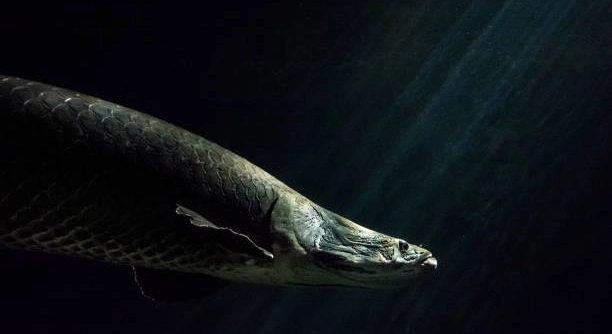
Arowanas are striking fish that bring elegance to any aquarium. Their movements are graceful, and maintaining a stable environment is essential to keep them healthy and stress-free, ensuring they thrive in your tank for years.
Rearranging the tank for arowanas should be approached cautiously. Sudden changes in layout or decorations can stress the fish, disrupt territorial behavior, and negatively affect water conditions. Careful planning and gradual adjustments help maintain stability and fish welfare.
Understanding how tank changes affect your arowana can improve its well-being. Even small adjustments can have a noticeable impact on behavior and overall health.
Signs Your Arowana Needs a Change in Its Tank
Arowanas may show subtle signs that their environment is no longer ideal. Frequent hiding, sluggish swimming, or refusing food can indicate stress. Water conditions, including temperature, pH, and cleanliness, play a major role in their comfort. Observing behavior daily helps you detect changes early. Rearranging decorations or adding hiding spots can improve mental stimulation. Plants and driftwood can create natural boundaries and reduce stress. However, sudden changes may startle the fish, so gradual adjustments are preferable. Monitoring water flow and lighting is equally important, as strong currents or bright lights may cause anxiety. Ensuring sufficient open swimming space while providing safe areas encourages natural behavior. Arowanas are sensitive and react to minor shifts in their surroundings. Paying attention to patterns of movement, feeding habits, and interaction with tank mates helps you decide if adjustments are necessary. Consistency in care and thoughtful rearrangements support long-term health and reduce unnecessary stress.
Observing subtle stress signals early prevents long-term health issues and helps maintain a calm, balanced tank environment for your arowana.
Arowanas are intelligent fish that benefit from a dynamic environment. Regularly reviewing the tank layout ensures stimulation and comfort. Adding new decorations in stages allows the fish to adapt without sudden stress. Combining open swimming space with shaded areas provides security. Maintaining stable water parameters during any rearrangement is critical. Using sturdy decorations prevents accidents or injuries during exploration. Watching how the arowana interacts with new elements informs future adjustments. Minor changes can promote activity, reduce aggression, and prevent boredom. By approaching rearrangements thoughtfully, you support both mental and physical health. Arowanas thrive best when their environment balances security with exploration, giving them space to swim freely while feeling safe in their territory.
How to Rearrange Safely
Planning changes carefully ensures minimal stress and preserves water quality. Gradual modifications and monitoring are key to success.
Start with one adjustment at a time, like moving a single decoration or adjusting a hiding spot. Avoid completely redecorating in a single session. Test water parameters before and after each change to detect shifts in pH, ammonia, or temperature. Rearrange during low-activity periods to reduce stress. Using secure, non-toxic materials prevents injuries or contamination. Observe the fish closely after each adjustment for changes in behavior, feeding, or aggression. Gradual changes give the arowana time to recognize new boundaries and adapt naturally. Note which elements the fish avoids or favors, then adjust placement accordingly. Consider lighting and filtration adjustments to maintain balance with new layouts. Keeping a routine while making incremental improvements creates a stable, stimulating environment. Documenting changes helps track progress and ensures that future rearrangements are informed by the arowana’s response. Consistent care during modifications maintains both health and comfort. Patience and observation are essential for successful tank rearrangement.
Choosing the Right Decorations
Select decorations that are sturdy and safe for arowanas. Avoid sharp edges or fragile materials that could injure your fish. Driftwood, smooth rocks, and large plants work well. Ensure enough open swimming space while creating secure hiding areas.
Decorations influence both behavior and comfort. Arowanas enjoy exploring their environment, but they need areas to retreat when stressed. Large pieces of driftwood or smooth rocks can provide natural barriers and reduce territorial disputes. Plants not only improve water quality but also offer shaded areas that calm the fish. Avoid overcrowding the tank, as limited swimming space can cause stress or aggression. Properly chosen decorations balance activity and security, promoting healthier and more natural behavior patterns.
Placement matters as much as choice. Position large items to create pathways for swimming while maintaining open areas in the center. Observe how your arowana interacts with each item and adjust accordingly. Rotating decorations occasionally can offer mental stimulation without causing sudden stress. Keep filtration and lighting in mind when placing items to maintain water flow and visibility. Proper spacing prevents injuries and ensures a harmonious tank environment. Thoughtful decoration placement encourages natural movement, reduces anxiety, and supports overall well-being.
Timing and Frequency of Rearrangement
Avoid frequent changes to prevent stress and disruption. Minor adjustments can be done gradually to maintain stability.
Sudden or repeated rearrangements can cause anxiety and disrupt established territories. Arowanas become accustomed to their environment, and altering it too often may lead to hiding, reduced feeding, or aggression. Plan rearrangements around water changes or maintenance routines to minimize disturbance. Observe behavior after each adjustment to ensure the fish is adapting. Only make changes when necessary, such as adding enrichment or correcting unsafe setups. Gradual, well-timed modifications support both mental stimulation and physical safety, keeping the tank balanced and the fish comfortable.
Observing Behavior Changes
Monitor your arowana closely after any rearrangement. Look for signs of stress, aggression, or unusual hiding habits. Changes in swimming patterns can indicate discomfort.
Feeding habits also reflect how well the fish adapts. Reluctance to eat or spitting out food may signal stress. Track behavior over several days to ensure stability.
Maintaining Water Quality
Water quality can be affected by new decorations or rearrangements. Test ammonia, nitrite, and pH levels regularly. Sudden spikes can harm your arowana and cause stress. Maintaining clean water prevents disease and supports overall health. Regular water changes help stabilize the environment after adjustments.
Gradual Rearrangement Techniques
Move one item at a time, allowing the fish to adjust before introducing another change. Observe responses carefully. Gradual changes reduce stress and maintain tank stability.
Avoid Overcrowding
Ensure open swimming space remains after rearrangement. Overcrowded tanks increase aggression and limit natural movement, affecting fish health.
FAQ
How often should I rearrange my arowana’s tank?
Rearranging should be done sparingly. Frequent changes can stress your arowana and disrupt its established territory. Minor adjustments like moving a decoration or adding a hiding spot can be done gradually. Space should always be maintained for swimming and natural behavior. Observing the fish’s response to changes helps determine frequency.
What signs indicate my arowana is stressed from rearrangement?
Stress can show in multiple ways: hiding more than usual, refusing food, swimming erratically, or becoming aggressive. Changes in color or slowed movement are also indicators. Monitoring behavior closely after rearrangements allows you to correct issues before they affect health.
Can rearranging affect water quality?
Yes, adding new decorations or moving existing ones can disturb sediment and affect water parameters. Test pH, ammonia, nitrite, and nitrate levels after adjustments. Sudden shifts in water chemistry can harm the fish, so changes should be paired with proper filtration and partial water changes if needed.
Are some decorations safer than others for arowanas?
Smooth, sturdy items are best. Avoid sharp edges, fragile materials, or anything that could break and injure the fish. Driftwood, smooth rocks, and large artificial plants work well. Decorations should not overcrowd the tank or block swimming space. Observing how your arowana interacts with each item is important.
Should I rearrange during feeding time or maintenance?
It’s better to rearrange during low-activity periods, not during feeding. Fish are less active at these times and more likely to adjust calmly. Pairing rearrangements with maintenance routines can reduce overall stress since the fish is already accustomed to some disruption.
How do I know if a new layout is working?
Observe swimming patterns, feeding habits, and general behavior for several days after a change. If the fish explores new spaces, maintains appetite, and shows natural behavior, the rearrangement is successful. If hiding, aggression, or refusal to eat continues, revert or adjust gradually.
Is it safe to rotate decorations regularly?
Rotation can be beneficial if done slowly. Introducing one new item or moving one existing piece at a time provides mental stimulation without overwhelming your arowana. Avoid complete rearrangements frequently, as this can induce stress and territorial conflicts.
Do tank size and layout affect how often I should rearrange?
Yes, larger tanks allow more flexibility, while smaller tanks can become crowded quickly. Maintaining open swimming areas and clear sightlines is essential, especially in smaller tanks. Careful planning ensures changes support activity and safety without overcrowding.
Can rearrangement improve my arowana’s behavior?
Thoughtful adjustments can reduce boredom, decrease aggression, and encourage exploration. Providing hiding spots and open swimming paths helps the fish feel secure while staying active. Gradual changes improve mental stimulation without compromising well-being.
What precautions should I take during rearrangement?
Always move decorations slowly, monitor water parameters, and ensure items are secure. Avoid sudden shifts in lighting, filtration, or substrate. Keep track of how the fish responds and be ready to make small corrections. Safety and observation are key to successful rearrangement.
Is it okay to introduce plants during rearrangement?
Yes, live or artificial plants can enhance the environment, offering shaded areas and boundaries. Introduce them gradually, ensuring they do not block swimming space or disrupt water flow. Observe the fish’s interaction with new plants to confirm comfort.
How long should I wait between adjustments?
Wait several days to a week between changes. This gives your arowana time to explore, adapt, and establish territory. Immediate consecutive changes can overwhelm the fish, increasing stress and affecting health.
Can rearrangement prevent aggressive behavior?
Proper placement of hiding spots and open areas can reduce conflicts. Fish can claim spaces and retreat when needed. Thoughtful layout design supports natural behavior, reducing unnecessary aggression while maintaining territorial boundaries.
What should I do if my arowana refuses food after rearrangement?
Monitor closely and ensure water parameters are stable. Remove any sharp or unstable items. Offer food in familiar areas and avoid additional stress. If refusal persists beyond a day or two, revert changes gradually and consult a professional if necessary.
How does lighting interact with rearrangement?
Lighting affects stress levels and fish activity. Ensure decorations do not block light excessively, and avoid placing items that create sudden shadows or glare. Proper lighting supports natural rhythms and reduces stress during and after rearrangement.
Can rearranging too often harm my arowana?
Yes, frequent or abrupt rearrangements can cause prolonged stress, weaken immunity, and lead to aggressive behavior. Gradual, well-planned changes maintain mental stimulation without compromising health. Consistency and observation are essential for safe adjustments.
Are there decorations that should never be moved?
Filtration equipment, heaters, and items directly affecting water flow should remain stable. Moving these can disturb water quality and stress the fish. Focus on decorations and non-essential items when rearranging, keeping essential equipment secure.
How can I track the effects of rearrangement over time?
Maintain a simple log of behavior, feeding patterns, and water parameters before and after changes. Note any stress signals or positive reactions. Tracking helps you refine future adjustments and ensures the arowana’s well-being is prioritized.
Is it better to rearrange alone or with tank mates present?
If you have multiple fish, monitor their interactions during adjustments. Rearranging one section at a time prevents conflicts. Ensuring each fish has access to hiding spots and open swimming areas reduces territorial disputes during changes.
What is the safest first step for a new rearrangement?
Start by moving a single decoration or adding one new item. Observe the fish for several days, ensuring normal behavior and feeding. Gradual introduction is safer than a complete overhaul, minimizing stress and maintaining a stable environment.
How do seasonal changes affect rearrangement decisions?
Temperature and light variations can alter fish behavior. Avoid rearranging during periods of seasonal stress, such as extreme heat or cold. Stable environmental conditions during adjustments help the arowana adapt without additional stress.
Can rearrangement help with tank cleanliness?
Yes, moving decorations allows for thorough cleaning of substrate and hard-to-reach areas. Properly staged changes maintain hygiene without shocking the fish. Clean surroundings reduce disease risk and support long-term health.
What’s the best approach for adding new items to an established tank?
Introduce items gradually and securely. Avoid overcrowding and ensure open swimming paths remain. Observe the fish’s response, adjusting placement as needed. Gradual integration prevents stress and encourages exploration while maintaining safety.
How long should I monitor the fish after rearrangement?
Monitor behavior, feeding, and swimming patterns for at least a week. Persistent hiding, aggression, or refusal to eat signals the need for further adjustment or partial reversion. Ongoing observation ensures long-term comfort and well-being.
Can rearrangement influence breeding behavior?
Thoughtful layout can encourage territoriality and provide safe spaces for courtship or spawning. Avoid sudden changes during sensitive periods, as stress can interfere with natural reproductive behavior. Stability and security are key for breeding success.
Are artificial plants safer than live plants during rearrangement?
Artificial plants are easier to manage and less likely to affect water chemistry. Live plants offer enrichment and improved water quality but require careful placement to avoid uprooting or damage during adjustments. Both types can be integrated gradually for best results.
How can I minimize stress during the first few rearrangements?
Make small, incremental changes. Keep water parameters stable and provide familiar hiding spots. Avoid moving the fish directly and perform adjustments during low-activity periods. Close observation ensures the arowana adapts comfortably to the new environment.
What is the role of territory in rearrangement decisions?
Arowanas establish territories. Removing or moving key items can disrupt boundaries and provoke aggression. Maintain distinct areas for hiding and swimming to respect natural behavior. Gradual changes help the fish re-establish comfort zones without conflict.
How should I handle multiple rearrangements over time?
Plan adjustments in stages, leaving days or weeks between changes. Track behavior, feeding, and water quality. Gradual evolution of the tank environment prevents cumulative stress and encourages positive adaptation, ensuring long-term stability and well-being.
Can rearrangement reduce boredom in arowanas?
Yes, introducing new items or shifting existing ones provides stimulation and encourages exploration. Mental enrichment improves activity levels, reduces stress, and supports healthier behavior. Gradual, thoughtful changes are most effective.
What precautions should I take with delicate decorations?
Secure fragile items firmly to prevent falling or breaking. Avoid placing them in high-traffic areas. Observe the fish’s interaction to ensure safety. Regular checks prevent injuries and maintain a stable, stress-free environment.
How do I balance aesthetics with fish safety?
Choose decorations that are visually appealing but safe and sturdy. Prioritize open swimming paths and accessible hiding spots. Avoid overcrowding while maintaining a natural, engaging layout that supports comfort and activity.
Are there tools that help with safe rearrangement?
Long-handled tongs, aquarium gloves, and temporary containers for small decorations can make adjustments safer. Using proper tools minimizes disturbance to the fish and reduces the risk of injury during placement.
What’s the most important takeaway for safe rearrangement?
Plan carefully, move items gradually, and monitor water and fish behavior. Patience and observation ensure arowanas adapt comfortably, promoting health, safety, and long-term happiness in the tank.
Final Thoughts
Rearranging a tank for your arowana can make a noticeable difference in its behavior and comfort. Arowanas are sensitive fish that thrive in a stable, carefully structured environment. Sudden changes can cause stress, so every adjustment should be slow and deliberate. Even minor modifications, such as moving a decoration or adding a new hiding spot, can affect the fish’s sense of security. Observing your arowana’s reactions during and after each change is essential to ensure it adapts without signs of stress. Over time, thoughtful rearrangement can encourage exploration, reduce aggression, and improve overall well-being. Maintaining balance between open swimming areas and shaded or protected zones allows your fish to feel secure while still being active.
Water quality plays a critical role in any tank adjustment. Introducing new items or shifting decorations can disturb sediment, alter filtration efficiency, or change water flow patterns. Testing pH, ammonia, nitrite, and nitrate levels before and after changes ensures the environment remains safe. Regular water changes and proper maintenance routines help stabilize water chemistry. Using sturdy, safe decorations prevents accidents and keeps the tank environment predictable for your arowana. Plants, driftwood, and smooth rocks provide natural barriers and enrichment, but overcrowding should be avoided. Gradual introduction of these elements gives the fish time to adapt while maintaining necessary swimming space. Patience during rearrangement prevents unnecessary stress and promotes long-term health.
Consistency and observation are key to successful tank management. By making gradual adjustments and monitoring behavior, you can create an environment that supports both mental and physical health. Avoid frequent or abrupt changes, as these can disrupt territorial patterns and feeding habits. Keeping a log of water parameters, feeding patterns, and behavioral responses can guide future adjustments and prevent problems. Remember that arowanas are intelligent, sensitive, and territorial; respecting their natural instincts is essential for a balanced habitat. Over time, careful planning and observation will result in a tank that is safe, stimulating, and comfortable for your arowana, promoting a healthier, happier life for your fish.

Hello,
If you enjoy the content that we create, please consider saying a "Thank You!" by leaving a tip.
Every little bit helps us continue crafting quality advice that supports the health, happiness, and well-being of pets around the world, for pets of all shapes, sizes, and species.
We really appreciate the kindness and support that you show us!