
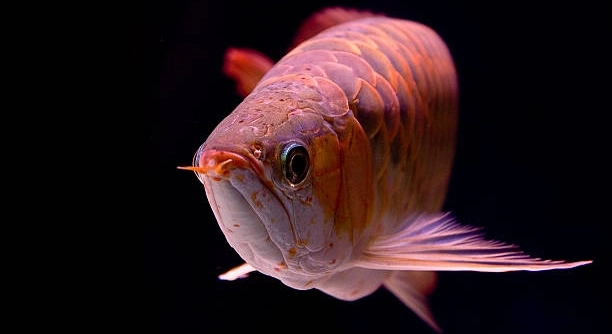
Are your arowanas swimming nervously or hiding more than usual in their tank? Sudden changes in lighting or prolonged exposure to bright lights can affect their behavior. Understanding these signs is important for a healthy aquarium environment.
Arowanas often display stress due to excessive or inappropriate lighting through specific behavioral and physical cues. Recognizing these indicators early allows owners to adjust lighting conditions, preventing long-term health issues and promoting the well-being of the fish.
Monitoring your arowana’s behavior and environment can make a noticeable difference. Small adjustments in lighting and tank setup can improve its overall comfort and activity levels.
Rapid Darting and Restlessness
When arowanas are exposed to bright or inconsistent lighting, they may start darting quickly across the tank. This sudden movement is often accompanied by frequent changes in direction or attempts to hide behind decorations. The stress from harsh lighting disrupts their sense of security and makes them feel vulnerable. Over time, this restlessness can lead to exhaustion and reduce their appetite. Observing your fish during peak lighting periods can reveal if they are avoiding well-lit areas. Tank setup also plays a role; reflective surfaces or sudden flashes from outside the aquarium can worsen stress. Adjusting lighting gradually or using dimmers can help them adapt. Consistent light cycles are crucial for their biological rhythms, ensuring proper feeding, growth, and overall health.
Bright light can make arowanas feel exposed and anxious, prompting rapid movements and hiding behaviors within the tank environment.
Providing shaded areas or floating plants allows the fish to control exposure. Gradual light adjustments can prevent ongoing stress. Regular observation helps identify patterns and ensures timely intervention. Consistent care maintains their comfort and reduces erratic swimming, supporting a calmer, healthier arowana.
Faded Colors and Dull Appearance
Stress from inappropriate lighting can cause arowanas’ vibrant colors to fade, leaving them with a dull, washed-out appearance. This change occurs because the fish’s body diverts energy from pigmentation to coping with environmental stressors. Over time, prolonged exposure to bright or harsh lights can weaken their immune system, making them more vulnerable to illness. In natural habitats, arowanas adjust to varying light levels, so constant intense light in an aquarium can feel unnatural and harmful. Monitoring color changes regularly provides insight into their comfort levels and helps identify underlying issues before they escalate. Simple interventions, such as dimming lights or providing shaded zones, can restore their natural hues. Maintaining water quality, balanced nutrition, and proper lighting schedules further supports vibrant coloration and overall health.
Faded colors are often an early visual sign of stress, signaling that adjustments in the aquarium environment are necessary.
By carefully observing the intensity and duration of light exposure, you can prevent long-term stress effects on your arowana. Incorporating floating plants, subdued lighting, and natural hiding spots allows them to regulate their environment. Gradual changes and routine tank checks promote recovery, helping the fish regain vibrant coloration. Awareness of light patterns, combined with proper nutrition and water conditions, ensures that the arowana remains healthy and displays its full, natural beauty. This attention to detail creates a more stable and calming environment for the fish, enhancing its overall well-being and longevity.
Loss of Appetite
Arowanas stressed by bright or inconsistent lighting often eat less. Reduced feeding is a direct response to discomfort and anxiety, signaling that the fish is struggling to adapt to its environment.
Prolonged exposure to harsh lighting can interfere with natural feeding rhythms, making the fish hesitant to approach food. Stress hormones released during discomfort suppress appetite and can affect digestion. Over time, insufficient nutrition weakens the immune system, slowing growth and making the fish more vulnerable to disease. Observing feeding behavior alongside light conditions helps identify when adjustments are necessary. Gradual lighting changes and providing shaded areas encourage normal eating patterns and support overall health.
Restoring appetite requires consistency in lighting, as sudden changes can further discourage feeding. Offering high-quality, nutrient-rich food at appropriate times helps the arowana regain strength. Regular observation ensures the fish responds positively to adjustments, while maintaining clean water and proper tank conditions supports recovery and reduces ongoing stress.
Excessive Hiding
Arowanas under bright or harsh lighting may hide more often than usual, retreating behind decorations or plants. This behavior is a coping mechanism to escape stress.
When hiding becomes frequent, it indicates ongoing discomfort. Constant exposure to light disrupts their sense of security and can lead to chronic stress. Hiding reduces activity levels, limits feeding opportunities, and affects social interactions in community tanks. Adjusting lighting intensity and providing shaded zones allows the fish to feel safe while maintaining natural behaviors.
To address excessive hiding, ensure the tank includes multiple shaded areas and cover options. Gradual light adjustments prevent further anxiety. Observing patterns of retreat and emergence provides insight into the arowana’s comfort level. Balanced care, including proper nutrition, stable water parameters, and consistent light cycles, encourages normal activity and reduces prolonged hiding, ultimately supporting the fish’s overall health and well-being.
Rapid Gill Movement
Arowanas exposed to overly bright or fluctuating light may show rapid gill movement. This is a sign of stress, indicating that the fish is struggling to regulate its breathing under uncomfortable conditions.
Rapid gill movement can also signal poor water quality or oxygen levels, but in combination with bright lighting, it often points to light-induced stress. Monitoring both light exposure and water conditions helps identify the cause and prevent further health issues.
Clamped Fins
Clamped fins are a common reaction to stress caused by harsh lighting. The fish keeps its fins close to the body, reducing surface area to avoid exposure. This behavior can interfere with swimming efficiency and balance, making movement awkward and more energy-consuming.
Restless Swimming at Night
Arowanas stressed by light may continue swimming actively during nighttime hours when they would normally rest. Constant activity disrupts their sleep patterns, leading to fatigue, slower growth, and increased vulnerability to disease. Adjusting the light cycle and creating a dark period helps restore natural rhythms.
Erratic Leaping
Stress from intense or inconsistent lighting can cause arowanas to leap unexpectedly out of the water. This dangerous behavior increases the risk of injury or escape from the tank, signaling that immediate adjustments to lighting and environment are needed.
Continue the article with the following outline. Bold the questions. Do not write an intro for each header, get straight to the point. Do not use a greeting. Make it feel slightly personal. Write in a simplistic style.; Outline: ; FAQ (write at least 500 words); Note: Skip the intro, get straight to the point. The rest of the headers will be provided later, so do not write them yet. Skip the conclusion, and recap. Respect the given word count for every paragraph.
Final Thoughts
Observing your arowana closely is the best way to ensure its health and comfort. Stress caused by inappropriate lighting can affect its behavior, appetite, and overall well-being. Each fish reacts differently, so paying attention to subtle changes in movement, color, and interaction with the environment is important. Adjusting light gradually and providing shaded areas can make a noticeable difference in reducing stress. Consistent care and careful monitoring allow the arowana to adapt comfortably, helping it maintain normal routines like feeding and resting.
Maintaining proper lighting is just one part of creating a stable environment. Water quality, tank size, temperature, and filtration also play crucial roles in minimizing stress. Sudden changes in any of these factors can worsen anxiety caused by light exposure. Regularly checking water parameters and keeping a consistent schedule for feeding and maintenance supports the fish’s overall health. Small adjustments, like adding floating plants or using dimmable lights, give the arowana control over its surroundings, encouraging natural behaviors and preventing long-term health problems.
Understanding your arowana’s responses helps build a safer and more comfortable habitat. Stress can be subtle at first, with minor signs like reduced appetite or dull colors, but addressing these issues early prevents serious complications. By observing, adjusting, and maintaining a balanced environment, you ensure your fish thrives. Thoughtful care improves both its physical health and behavioral stability. Paying attention to lighting, combined with overall tank management, supports arowanas in showing their full natural beauty and maintaining long-term vitality.

Hello,
If you enjoy the content that we create, please consider saying a "Thank You!" by leaving a tip.
Every little bit helps us continue crafting quality advice that supports the health, happiness, and well-being of pets around the world, for pets of all shapes, sizes, and species.
We really appreciate the kindness and support that you show us!