
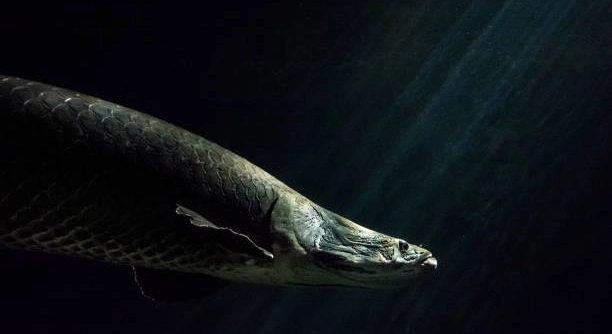
Have you ever spent hours watching your arowana swim gracefully through its tank and wondered if it feels anything beyond instinct? Observing these majestic fish can leave you fascinated by their behavior and subtle interactions.
Arowanas can exhibit signs of affection, though in subtle ways. They may recognize their owner, respond to presence, and show comfort around familiar individuals, indicating a level of bonding beyond basic feeding or environmental responses.
Understanding these behaviors can help you better connect with your fish and provide a more enriching environment for its well-being.
Recognizing Arowana Behavior
Arowanas are intelligent fish that display a range of behaviors indicating comfort and recognition. They may follow your movements around the tank, respond to tapping lightly on the glass, or swim closer during feeding times. Observing these responses shows they are aware of your presence and can differentiate between familiar and unfamiliar individuals. While their movements are often graceful and measured, sudden changes in behavior can signal stress or illness. By paying attention to these subtle signals, you can gauge their mood and health more accurately. Offering a consistent routine, proper tank conditions, and balanced nutrition helps them feel secure and more interactive. Over time, an arowana may appear more relaxed and confident, occasionally engaging in playful swimming patterns or gently nudging objects in its environment. Understanding these behaviors allows for a more attentive and informed approach to care, ensuring the fish’s overall well-being while strengthening the bond through consistent observation and gentle interaction.
These behaviors are small but meaningful indicators of comfort and recognition in your tank.
Watching these interactions closely provides insight into their personality and preference. Each movement or reaction reflects learning, curiosity, and a level of trust. By documenting changes and maintaining a stable environment, you can encourage consistent positive responses. Feeding at regular times, minimizing stress, and keeping the tank clean promotes this recognition. Over time, the arowana’s consistent reactions help you understand their unique behaviors.
Physical Signs of Affection
Arowanas show physical signs of comfort that suggest bonding. These can include swimming close to the glass, gentle nudges, or circling in response to familiar presence.
Physical gestures are subtle but significant, reflecting familiarity and adaptation to their environment. They may swim around the tank more confidently, approach feeding areas quickly, or remain near certain spots where they feel safe. These signs are often linked to consistent care and interaction, indicating a level of trust. Creating an environment with ample space, proper filtration, and consistent lighting supports these behaviors. Over time, these physical cues become more apparent as the fish learns the routine and recognizes patterns associated with comfort and security. By noting these actions and maintaining attentive care, the bond strengthens naturally. Observing and responding to these signs allows for more effective care and understanding of the arowana’s emotional state, promoting a healthier and more interactive tank experience.
Feeding and Interaction
Arowanas respond positively to consistent feeding schedules. They may swim near you or follow your hand, showing recognition. This behavior indicates comfort and trust, which strengthens the connection between you and your fish over time.
Regular interaction during feeding helps the arowana become familiar with your presence. They learn to anticipate food and associate certain actions with positive outcomes. Offering food at consistent times creates routine and security, encouraging predictable behavior. Some arowanas may even perform small, repeated movements when they see you approach the tank, reflecting excitement and recognition. Over time, these behaviors become reliable indicators of comfort, allowing you to observe their personality and reactions more clearly.
Feeding is also an opportunity to monitor their health. Observing how they eat, how quickly they respond, and their swimming patterns around feeding times provides valuable insight. A relaxed, confident arowana will move gracefully, often circling or hovering near the surface. Hesitation, erratic swimming, or loss of appetite can signal stress or illness. By combining feeding routines with gentle observation, you can strengthen the bond while ensuring their well-being and comfort in the tank.
Tank Environment and Comfort
A well-maintained tank directly influences an arowana’s behavior and sense of security. Proper water quality, space, and decorations allow the fish to feel safe and explore naturally.
Providing an environment that matches their needs ensures they display natural, confident behaviors. Adequate tank size prevents stress from cramped conditions, while clean water supports health. Decorations and hiding spots offer areas to retreat, which makes them feel secure. Balanced lighting and controlled temperature create a consistent environment, helping the fish recognize patterns and respond calmly. Over time, arowanas in stable tanks tend to show more interactive behaviors, swimming near you, circling, and responding to presence in ways that indicate comfort and familiarity.
Recognizing Individual Personality
Arowanas develop distinct personalities over time. Some are more active and curious, while others remain calm and reserved. Observing these differences helps you understand their comfort levels and how they respond to interaction and feeding.
Personality traits can influence how they display affection. More confident fish may approach frequently, while shy ones may observe quietly before interacting.
Signs of Bonding
Consistent interaction allows arowanas to form a bond with their caregiver. They may follow your movements, swim near your hand, or react positively to your presence. These behaviors indicate familiarity and comfort, suggesting a level of recognition beyond instinct alone.
Responding to Interaction
Arowanas respond best to gentle, predictable interactions. Sudden movements or loud noises may startle them, while calm, consistent engagement encourages positive responses and trust.
FAQ
How can I tell if my arowana likes me?
Arowanas show subtle signs of recognition and comfort. They may swim toward your presence, follow your movements around the tank, or respond quickly during feeding times. These actions indicate that the fish associates you with positive experiences and feels secure in your presence.
Do arowanas respond to touch?
Arowanas generally do not enjoy direct physical contact. However, they may respond to gentle movements near the glass, such as your hand approaching or tapping lightly. This shows awareness and recognition, but touching them directly can cause stress or injury. Observing them from a short distance is safest.
Can arowanas recognize their owners?
Yes, arowanas can differentiate between familiar and unfamiliar people. They often learn routines and can anticipate feeding times. Recognition is reflected in their behavior, such as approaching when you are nearby or exhibiting calm and confident swimming patterns when you interact consistently.
What behaviors indicate trust?
Trust is shown when arowanas approach the front of the tank without hesitation, swim calmly around you, or display consistent feeding responses. Repeated positive reactions to your presence reflect familiarity and comfort, showing that the fish feels safe and secure in its environment.
Do arowanas show excitement?
Excitement can be seen in active, quick swimming, sudden turns, or circling near the surface. These behaviors often occur during feeding or when they recognize a familiar person approaching. Excitement indicates that they are engaged and responding positively to stimuli.
How important is the tank environment for affection?
A stable and well-maintained tank is essential. Proper water quality, temperature, and adequate space make the fish feel safe. A secure environment allows them to explore, display natural behaviors, and respond positively to human presence, which strengthens any signs of bonding.
Can I interact without feeding?
Yes, interaction does not have to involve food. Gentle movements near the tank or speaking softly can encourage recognition and curiosity. Consistent presence helps the arowana feel familiar with you, even without associating interaction solely with feeding.
How long does it take for an arowana to recognize someone?
Recognition develops over weeks or months, depending on the fish’s personality and consistency of interaction. Frequent, calm, and positive engagement encourages trust and familiarity more quickly, while irregular or stressful interactions can delay or reduce bonding behaviors.
Are some arowanas more affectionate than others?
Yes, personality plays a large role. Some arowanas are naturally more curious and interactive, while others are reserved. Recognizing individual differences helps tailor interaction approaches and manage expectations about how they display comfort or recognition.
What mistakes should I avoid?
Avoid sudden movements, loud noises, or overhandling. Inconsistent feeding or changes in tank conditions can stress the fish and reduce interaction. Maintaining a calm, predictable environment encourages positive behaviors and allows the arowana to show signs of recognition or comfort reliably.
Can arowanas bond with multiple people?
They can become familiar with more than one person if interactions are consistent and calm. The fish may display similar behaviors of recognition toward multiple individuals, especially if routines and feeding patterns remain predictable and positive.
How do I encourage my arowana to be more interactive?
Provide a stable environment, maintain a consistent feeding schedule, and engage gently without sudden movements. Observing their behavior and responding calmly fosters trust. Over time, repeated positive experiences encourage the fish to become more confident and interactive around you.
Is it normal for arowanas to sometimes ignore interaction?
Yes, even bonded arowanas can have quiet periods. Factors like health, mood, or environmental changes influence behavior. Occasional disengagement does not necessarily indicate a lack of recognition; consistent monitoring and care ensure continued comfort and interaction.
Can I tell if my arowana is stressed?
Signs of stress include rapid or erratic swimming, hiding excessively, loss of appetite, or rubbing against surfaces. Stress can reduce interaction and prevent bonding behaviors. Maintaining clean water, proper temperature, and minimizing sudden changes helps keep the fish comfortable and responsive.
Do arowanas show affection to each other?
Some social behaviors may appear when multiple arowanas share a tank, such as following each other or circling together. However, these behaviors are often territorial or instinctual. Recognizing affection toward humans is more about individual recognition and positive interaction patterns than inter-fish bonding.
Can arowanas remember previous interactions?
Yes, arowanas have the capacity to remember routines and familiar individuals. They recall feeding patterns and consistent behaviors associated with positive experiences, which is why repeated interaction is important to strengthen recognition and trust.
How can I monitor signs of affection effectively?
Observe their swimming patterns, responses to your presence, and reactions during feeding. Take note of calm, confident movements and repeated behaviors directed at familiar individuals. Documenting these observations over time helps identify patterns that indicate recognition and comfort.
Does age affect bonding?
Younger arowanas may take longer to recognize people due to developmental stages, while older fish with established routines can form connections more quickly. Patience and consistent care are key for all ages, ensuring the fish feels secure and responsive.
Are some signs easy to misinterpret?
Yes, behaviors like swimming near the glass or quick movements can be due to curiosity, feeding anticipation, or stress. Observing context and patterns over time helps distinguish comfort and recognition from other motivations.
What long-term benefits come from bonding with an arowana?
Bonding helps reduce stress, encourages natural behavior, and allows you to better monitor health. A fish that recognizes and responds to interaction is more confident, active, and predictable, making care more effective and rewarding for both the fish and caregiver.
Arowanas are fascinating fish that show a range of behaviors which can indicate comfort and recognition. Observing them closely over time can reveal subtle ways they respond to familiar people and routines. These responses are not always obvious at first, but consistent interaction and careful observation make them easier to recognize. Small actions, like swimming toward you during feeding or following your hand near the glass, can show awareness and a level of trust. Even the way an arowana moves around its tank, exploring certain areas repeatedly or returning to familiar spots, can reflect a sense of security and comfort with its environment. Understanding these behaviors allows owners to create an environment that supports both the physical and emotional well-being of the fish.
Maintaining a stable and suitable tank environment is essential for encouraging positive behaviors. Clean water, proper temperature, adequate space, and places to retreat make arowanas feel safe and confident. A tank that meets these needs reduces stress and helps the fish display natural and interactive behaviors. Alongside environmental stability, feeding routines and gentle, predictable interactions reinforce trust and recognition. Over time, the combination of a secure environment and consistent care allows the arowana to respond positively to its caregiver, which can feel like a form of bonding. Paying attention to both the fish’s behavior and the condition of the tank ensures that the arowana remains healthy and comfortable, supporting long-term interaction and familiarity.
Recognizing signs of affection or comfort in an arowana is about patience and careful observation. Each fish has a unique personality, and the ways it responds to interaction can vary. Some arowanas may be more active and curious, while others remain reserved and cautious. Both types can display trust in subtle ways, such as calm swimming, approaching during feeding, or showing excitement when familiar people are near. By observing these patterns, adjusting care to meet their needs, and maintaining a stable environment, you can support their overall well-being while fostering recognition and interaction. Over time, these small signals help build a deeper understanding of your fish, making the experience of keeping an arowana more engaging and rewarding.

Hello,
If you enjoy the content that we create, please consider saying a "Thank You!" by leaving a tip.
Every little bit helps us continue crafting quality advice that supports the health, happiness, and well-being of pets around the world, for pets of all shapes, sizes, and species.
We really appreciate the kindness and support that you show us!