
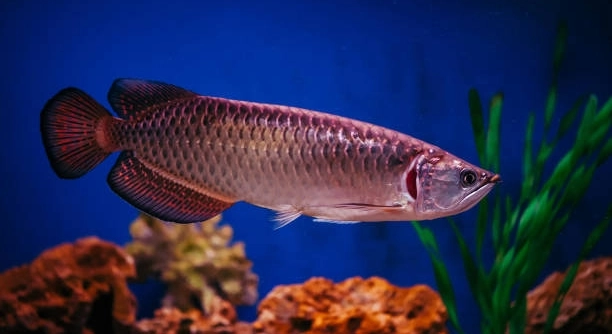
Keeping an arowana as a pet can be both exciting and challenging for new owners. These fish are striking and can grow quite large, which means they require careful planning and consistent care in their aquatic environment.
Proper arowana care involves maintaining a large, clean tank with stable water parameters, providing a balanced diet, and monitoring health regularly. Consistency and attention to detail are essential for ensuring the fish’s long-term well-being and preventing common health issues.
Learning the best practices for feeding, tank setup, and maintenance will make the experience smoother and more enjoyable for both the owner and the fish.
Choosing the Right Tank
Selecting the proper tank for an arowana is critical. These fish can grow over two feet, so a small aquarium will quickly become unsuitable. A long, wide tank allows them to swim freely and reduces stress. Strong filtration systems are necessary to handle the bio-load of such a large fish. The tank should be placed in a stable area away from direct sunlight to prevent temperature fluctuations. Decorations should be minimal to maximize swimming space, but hiding spots like driftwood can help the fish feel secure. Regular water testing is essential to maintain optimal pH and ammonia levels. Temperature should be kept consistent, usually between 75 and 82 degrees Fahrenheit, depending on species. The tank’s lid must be secure, as arowanas are known to jump. Investing in a properly sized tank from the start reduces long-term health issues and maintenance challenges.
A large, stable tank with proper filtration ensures the arowana remains healthy and active.
Tank placement, size, and water conditions directly influence the fish’s growth, stress levels, and overall longevity, making preparation crucial for successful care.
Feeding Your Arowana
Arowanas require a varied diet to stay healthy. Feeding only one type of food can lead to nutrient deficiencies. Live foods like small fish, shrimp, or insects mimic their natural hunting behavior and provide enrichment. Pellet foods can supplement their diet and ensure balanced nutrition. Avoid overfeeding, as leftover food can pollute the tank and harm water quality. Feeding should occur once or twice daily, depending on the fish’s age and size. Monitoring how much the fish consumes helps prevent obesity and digestive problems. Fresh, clean water is crucial, as feeding can temporarily increase ammonia levels. Occasionally including treats like frozen krill or worms adds variety without overloading the system. Rotating protein sources ensures the arowana receives essential vitamins and minerals. Maintaining a regular feeding schedule encourages natural behavior and supports optimal growth rates. Observing the fish during feeding can also help detect early signs of illness or stress, allowing for timely intervention.
A consistent feeding routine with varied nutrition keeps your arowana healthy and supports growth.
Balanced diet choices, controlled portions, and observation help prevent disease and promote strong, vibrant fish over time.
Water Quality and Filtration
Maintaining clean water is essential for arowanas. Ammonia, nitrite, and nitrate levels must be monitored regularly. A strong filter, combined with routine water changes, keeps the tank safe and healthy for your fish.
Arowanas produce a large amount of waste, so proper filtration is non-negotiable. Using a combination of mechanical, chemical, and biological filtration helps remove debris, toxins, and harmful bacteria. Performing partial water changes weekly, usually around 25%, prevents the buildup of nitrates and maintains water clarity. Test kits should be used to check pH, ammonia, nitrite, and nitrate levels. Maintaining water temperature between 75 and 82 degrees Fahrenheit reduces stress and supports immune function. Adding a heater or chiller ensures temperature stability, depending on room conditions.
Proper water flow and aeration are also important, as arowanas need well-oxygenated water. Strong currents can be uncomfortable, so aim for gentle movement. Monitoring water hardness and keeping it within species-specific ranges promotes overall health. Regular cleaning of the substrate and filter media prevents the accumulation of harmful bacteria, keeping the tank environment safe.
Tank Decoration and Environment
Minimal decorations reduce the risk of injury. Driftwood or rocks can provide hiding spots without limiting swimming space. Plants should be sturdy and well-anchored to avoid being uprooted.
Decor choices influence both fish behavior and water quality. Avoid sharp or rough materials that could damage scales or fins. Floating decorations can provide shade and comfort, reducing stress. The tank should have open areas for swimming, as arowanas are active predators that require space. Proper lighting enhances coloration but should not overheat the water. Consider the tank’s lid carefully, as these fish are strong jumpers and need full coverage. Environmental enrichment, like occasional rearrangements or adding floating targets, stimulates natural hunting instincts. Avoid overcrowding with other fish, as arowanas can be territorial.
Substrate selection affects maintenance and health. Sand or smooth gravel prevents injuries and facilitates cleaning. Hiding spots should be placed strategically to create secure zones. Avoid cluttering the tank, which can restrict movement and increase stress. Temperature consistency, water quality, and appropriate decor all combine to create a safe and comfortable environment. Providing a stimulating yet simple setup encourages natural behavior while keeping maintenance manageable. Proper tank design ensures both the arowana’s safety and your ability to care for it efficiently.
Regular Health Checks
Observing your arowana daily helps detect early signs of illness. Look for changes in appetite, color, or behavior. Prompt action prevents minor issues from becoming serious problems.
Routine checks include examining fins, scales, and eyes for damage or infection. Monitoring breathing patterns and swimming activity ensures the fish remains active and healthy.
Managing Tank Mates
Arowanas are territorial and can be aggressive with smaller or similarly sized fish. Careful selection of tank mates reduces stress and prevents injuries. Compatibility depends on temperament, size, and swimming patterns. Avoid overcrowding, as limited space increases aggression and health risks.
Lighting and Temperature
Stable lighting and temperature support growth and reduce stress. Sudden changes can weaken the fish’s immune system. Consistency in day-night cycles helps regulate natural behavior.
Handling and Maintenance
Avoid handling arowanas directly unless necessary. Netting or transferring should be done carefully to prevent injury. Regular tank maintenance, including filter cleaning and water changes, ensures a safe and healthy environment for long-term fish care.
FAQ
How often should I feed my arowana?
Arowanas should generally be fed once or twice daily. Younger fish need more frequent feeding, while adult arowanas can be fed less often. Only provide an amount they can consume in a few minutes to prevent leftover food from polluting the tank. Overfeeding can cause digestive problems and water quality issues.
What is the ideal tank size for an arowana?
Arowanas grow very large, so a minimum tank length of six feet is recommended for adults. Width and depth should also be sufficient to allow free swimming. Larger tanks improve water quality stability and reduce stress, contributing to longer lifespan and better health.
Can arowanas live with other fish?
Arowanas can be territorial, so tank mates must be chosen carefully. Avoid small or slow-moving fish, as they may be attacked. Larger, robust fish that occupy different swimming levels are more compatible. Overcrowding should be avoided to reduce aggression and stress.
What temperature is best for arowanas?
Most arowanas thrive in water between 75 and 82 degrees Fahrenheit. Keeping the temperature stable is crucial, as sudden changes can weaken their immune system and trigger stress. Use a reliable heater and thermometer to maintain consistent conditions.
How do I prevent diseases in my arowana?
Preventing disease relies on proper water quality, nutrition, and stress reduction. Regular water testing, consistent feeding schedules, and avoiding overcrowding help maintain a healthy environment. Quarantining new fish before introducing them reduces the risk of introducing pathogens to the tank.
How often should I perform water changes?
Partial water changes of 20–30% weekly help maintain clean water and balanced chemical levels. Larger changes may be necessary if the tank is heavily stocked or if ammonia and nitrate levels rise. Consistent water maintenance supports overall fish health.
What should I do if my arowana jumps out of the tank?
A secure lid is essential, as arowanas are strong jumpers. If an arowana does jump, handle it carefully with a soft net and return it to water immediately. Check for injuries and monitor for signs of stress or infection following the incident.
Is a varied diet necessary for arowanas?
Yes, a balanced diet prevents nutritional deficiencies. Include live foods, frozen foods, and high-quality pellets. Rotating protein sources like shrimp, worms, and small fish provides essential vitamins and minerals. Over-reliance on a single food type can compromise health over time.
How do I know if my arowana is stressed?
Stress indicators include rapid breathing, loss of appetite, erratic swimming, or clamped fins. Stress can result from poor water quality, improper tank mates, or inadequate space. Identifying and addressing stress early helps prevent illness and promotes well-being.
When should I clean the filter?
Filters should be cleaned monthly or whenever water flow decreases. Avoid over-cleaning to preserve beneficial bacteria, which are essential for maintaining the nitrogen cycle. Rinse media in tank water, not tap water, to protect bacterial colonies.
Can arowanas recognize their owners?
Arowanas can become accustomed to regular feeding routines and may respond to their caretaker’s presence. This recognition is more about anticipating food than forming bonds, but it can make feeding time smoother and less stressful.
How long do arowanas live?
With proper care, arowanas can live 10–15 years or longer. Maintaining stable water conditions, a balanced diet, and monitoring health regularly are key factors in ensuring their lifespan reaches its full potential.
Are arowanas aggressive toward each other?
Arowanas are generally territorial and may fight when kept together in confined spaces. Adequate tank size, hiding spots, and careful monitoring can reduce aggression, but multiple arowanas in a single tank should be approached cautiously to prevent injuries.
What kind of substrate is best for an arowana tank?
Smooth gravel or sand works best to prevent injuries. Avoid sharp or rough materials that could damage fins or scales. Minimal substrate makes cleaning easier and reduces the chance of harmful bacteria buildup, supporting a healthier environment.
How can I improve my arowana’s coloration?
High-quality foods rich in carotenoids and proper lighting help enhance natural colors. Maintaining water quality and a stress-free environment also contributes to vibrant coloration. Avoid sudden changes in lighting or temperature, as stress can dull their appearance.
Can arowanas eat vegetables or plant matter?
Arowanas are primarily carnivorous, but some species will accept small amounts of plant matter. Offering occasional greens or pellets with vegetable content can provide minor nutritional benefits, but protein should remain the focus of their diet.
How do I acclimate a new arowana to my tank?
Float the bag containing the fish in the tank for 15–20 minutes to equalize temperature. Gradually mix small amounts of tank water into the bag over 30–60 minutes before releasing the fish. This reduces stress and helps the arowana adjust safely to new conditions.
What signs indicate my arowana is growing properly?
Healthy growth is steady, with consistent increase in size and activity level. The fish should display bright colors, clear eyes, and normal swimming behavior. Slow or stunted growth may indicate nutritional deficiencies, poor water quality, or underlying health issues.
How often should I check water parameters?
Weekly testing of pH, ammonia, nitrite, and nitrate is recommended. Frequent monitoring helps detect changes early and prevents long-term damage to the fish. Keeping records can reveal trends and improve overall tank management.
Are there any special considerations for young arowanas?
Juvenile arowanas need smaller, frequent feedings and slightly warmer water. They are more sensitive to water quality changes, so frequent checks and careful monitoring are essential. Providing plenty of swimming space and hiding spots encourages healthy development and reduces stress.
Final Thoughts
Owning an arowana can be a rewarding experience if approached with careful planning and consistent care. These fish are not only visually striking but also require attention to their environment, diet, and overall health. From choosing a large and secure tank to maintaining clean water and stable temperature, every aspect of their care contributes to their well-being. Arowanas grow quickly, so it is important to think long-term before bringing one home. Providing enough swimming space and proper filtration is essential to prevent stress and support healthy growth. Over time, regular maintenance becomes part of a routine, but it ensures the fish remains active and vibrant. Neglecting these basics can lead to health problems or stunted growth, which is why preparation is key. Understanding the specific needs of your arowana allows you to avoid common mistakes and create an environment that promotes both safety and natural behavior. By paying attention to these details, you are giving your fish the best chance to thrive.
Feeding your arowana correctly is equally important. A varied diet that includes live foods, frozen options, and high-quality pellets ensures they receive necessary nutrients for growth and vitality. Overfeeding should be avoided, as it can lead to water quality issues and digestive problems. Watching your arowana during feeding helps you spot changes in appetite or behavior that might indicate illness or stress. Alongside diet, keeping a consistent feeding schedule supports the fish’s natural rhythms and encourages healthy behavior. Water quality and regular tank maintenance remain central to their health. Testing water parameters, performing partial water changes, and cleaning filters all prevent toxins from building up and keep the fish’s environment stable. Even small adjustments, such as maintaining proper pH and temperature, can make a noticeable difference in their activity and color. Arowanas respond well to a well-maintained tank, and their energy and curiosity are signs of a thriving fish.
Finally, caring for an arowana requires observation and attentiveness. Regular health checks, monitoring for stress or signs of disease, and understanding their temperament help prevent issues before they become serious. Tank mates, decorations, and environmental enrichment should be chosen carefully to reduce stress and encourage natural behavior. While they can be territorial, a properly sized tank with appropriate hiding spots can minimize aggression. Lighting, temperature, and water flow all play a role in creating a stable environment. By approaching arowana care systematically and thoughtfully, you can enjoy the unique presence of these fish while ensuring their long-term health. Consistency, patience, and attention to detail make a significant difference, and even small efforts can result in a healthy, active, and vibrant arowana that thrives under your care.

Hello,
If you enjoy the content that we create, please consider saying a "Thank You!" by leaving a tip.
Every little bit helps us continue crafting quality advice that supports the health, happiness, and well-being of pets around the world, for pets of all shapes, sizes, and species.
We really appreciate the kindness and support that you show us!