
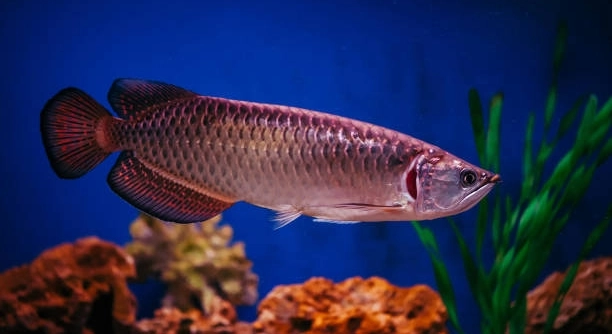
Is your Arowana suddenly darting around the tank or hiding more than usual? Changes in behavior can be worrying for any fish owner. Observing these signs early helps ensure your pet stays healthy and comfortable in its environment.
Sudden skittish behavior in Arowanas is often caused by stressors such as water quality changes, inadequate tank conditions, sudden loud noises, or the introduction of new tank mates. Monitoring environmental factors and making adjustments can quickly reduce anxiety and restore normal behavior.
Understanding why your fish reacts this way can prevent long-term issues and improve its overall well-being. Maintaining stable conditions and observing subtle behavior shifts is key to a happy, healthy Arowana.
Common Causes of Skittish Behavior
Arowanas are sensitive fish, and small changes in their environment can trigger sudden anxiety. Poor water quality is a major factor, as high ammonia or nitrite levels make the fish uncomfortable and restless. Temperature fluctuations or incorrect pH levels can also stress them. Overcrowding the tank or adding new fish without a proper acclimation period increases tension and may cause hiding or erratic swimming. Sudden noises, vibrations, or rapid movements near the tank can startle Arowanas, making them jump or dash unexpectedly. Even decorations or plants that are moved can alter their sense of security. Feeding practices may also contribute; overfeeding or inconsistent feeding schedules can make the fish defensive or nervous. Observing patterns in your Arowana’s reactions can help identify specific triggers, and maintaining a calm, stable environment often restores normal behavior within days.
Addressing these factors promptly ensures your Arowana remains relaxed and healthy.
Understanding the source of stress is essential for long-term tank harmony and keeps your fish comfortable. Proper water checks, minimal disruptions, and careful tank management prevent repeated skittish behavior.
How to Calm a Skittish Arowana
Start by checking water quality. High ammonia, nitrite, or nitrate levels are immediate stress factors. Keep the temperature steady and ensure pH is within the recommended range for Arowanas. Use a reliable water testing kit to monitor these levels regularly. Avoid sudden movements around the tank and minimize vibrations or loud noises in the room. When introducing new tank mates, quarantine them first and add them slowly to prevent sudden stress. Rearranging decorations or plants should be done gradually, giving your fish time to adjust to new hiding spots. Feeding should be consistent in both timing and amount, reducing anxiety linked to hunger or competition. Consistency and careful observation go a long way in calming a nervous Arowana.
Creating a safe environment involves more than water checks. Lighting should be moderate, as bright lights can startle Arowanas. Adding floating plants or gentle hiding spaces provides security. Avoid overcrowding the tank, giving each fish enough space to swim freely without feeling threatened. Observe your Arowana daily for signs of stress or illness, such as clamped fins, rapid gill movement, or reduced appetite. Slow and steady routines in feeding, cleaning, and tank maintenance help the fish feel in control. By understanding and adjusting these factors, you can prevent recurring skittish behavior and encourage natural, relaxed swimming. Patience and consistent care are key, as Arowanas respond best to stable, predictable environments. Maintaining these conditions ensures your fish remains healthy, active, and stress-free over time.
Monitoring Tank Environment
Regularly check temperature, pH, and water clarity to prevent stress in your Arowana. Keep ammonia and nitrite levels near zero and nitrate below safe limits. Consistent maintenance helps your fish feel secure and reduces sudden skittish behavior caused by environmental instability.
Keeping a stable environment requires routine observation. Test water at least once a week using a reliable kit. Ensure the filter is functioning properly and clean it on a schedule that avoids disturbing the tank too much. Avoid sudden water changes or adding chemicals without caution. Even small shifts in lighting or water movement can make Arowanas uneasy. Documenting daily conditions helps identify patterns that trigger stress, making it easier to respond quickly.
Creating a calm environment also means thoughtful tank design. Provide hiding spots like driftwood or plants to give your Arowana safe spaces. Arrange decorations to allow clear swimming areas, minimizing territorial disputes. Avoid sharp or rough surfaces that could injure your fish if it darts suddenly. Consistency in feeding, lighting, and tank cleaning schedules reinforces a predictable routine. A balanced combination of stable water, proper space, and minimal disturbances reduces anxiety, promoting natural, relaxed behavior and overall fish health.
Feeding Habits and Their Impact
Overfeeding or irregular feeding schedules can make Arowanas skittish. Too much food causes water quality issues, while inconsistent timing creates stress and defensive behavior. Proper portion control ensures healthy digestion and reduces sudden movements linked to hunger or competition.
Feed your Arowana high-quality pellets or live food suited to its size. Offer meals once or twice daily, avoiding leftovers that pollute the tank. Watch your fish’s reactions during feeding to spot stress or aggression. Gradually introducing new foods helps prevent anxiety. Ensure food is easily reachable but does not overcrowd the tank, so your fish feels safe while eating.
Feeding is more than nutrition—it affects behavior. Fish that learn consistent routines tend to stay calmer and more confident in the tank. Use a timer or a consistent schedule to maintain predictability. Avoid rapid hand movements when feeding, as Arowanas may perceive this as a threat. Rotate protein sources to keep the diet balanced without overwhelming the fish. Proper feeding practices combined with water maintenance and safe tank design significantly reduce skittish behavior and promote long-term health. Observing your Arowana closely during meals allows you to make adjustments and notice subtle signs of stress early.
Tank Size and Space
Arowanas need ample swimming space to feel secure. A small or overcrowded tank can make them anxious, leading to sudden darting or hiding. Providing enough room is essential for both physical health and calm behavior.
Proper tank layout matters. Avoid cluttering the tank with too many decorations or plants. Open swimming areas help Arowanas move freely and reduce stress.
Lighting and Noise
Bright lights or sudden changes in lighting can startle Arowanas, triggering skittish behavior. Keep lighting consistent and avoid direct sunlight, which may cause stress and temperature fluctuations.
Noise from nearby activities, tapping on the glass, or vibrations can make your Arowana jump or hide. Place the tank in a quiet area and minimize sudden disturbances. Consistent, calm surroundings help the fish feel secure.
Health Checks
Regularly inspect your Arowana for signs of illness. Clamped fins, discoloration, or unusual swimming patterns can indicate stress or disease. Early detection prevents worsening problems.
Routine observation helps maintain both physical and behavioral health. Catching minor issues quickly ensures your fish remains active and less prone to skittish reactions.
FAQ
Why is my Arowana hiding more than usual?
Hiding is often a response to stress or discomfort. Changes in water quality, sudden movements, or new tank mates can make your Arowana feel unsafe. Providing hiding spots, keeping the environment stable, and avoiding frequent disturbances helps the fish feel secure and reduces hiding behavior.
Can sudden noises make my Arowana jump?
Yes. Arowanas are sensitive to vibrations and loud sounds. Household noises, tapping on the glass, or nearby construction can startle them. Keeping the tank in a quiet area and minimizing sudden disturbances allows your fish to remain calm and confident.
Could water quality be causing skittish behavior?
Absolutely. High ammonia, nitrite, or nitrate levels, as well as pH fluctuations, create a stressful environment. Regular testing, partial water changes, and proper filtration help maintain stable conditions, preventing erratic swimming and anxiety.
Does tank size affect my Arowana’s mood?
Yes. Small or overcrowded tanks limit movement, making Arowanas anxious. Providing enough swimming space reduces territorial stress, supports normal behavior, and allows them to establish a comfortable environment. Adequate space is essential for both physical health and mental well-being.
Can diet impact my Arowana’s behavior?
Feeding irregularly or overfeeding can create stress. A consistent schedule and properly sized meals prevent hunger-related anxiety and water contamination. Introducing new foods gradually avoids sudden behavioral changes. Proper nutrition keeps the fish healthy and less prone to sudden skittishness.
Do tank decorations affect my Arowana’s behavior?
Yes. Rearranging plants, rocks, or driftwood can make your Arowana feel insecure. Open swimming areas with a few hiding spots are ideal. Avoid sharp objects that could injure the fish during sudden movements. Consistent tank layout reduces anxiety and supports natural behavior.
Can my Arowana be stressed by other fish?
Yes. Aggressive or overly active tank mates can trigger skittish behavior. Properly spacing species, monitoring interactions, and quarantining new fish before introduction prevents unnecessary stress and ensures a peaceful environment for your Arowana.
How do I know if my Arowana is sick or stressed?
Signs include clamped fins, loss of appetite, unusual swimming patterns, or discoloration. Stress can make the fish more susceptible to illness. Monitoring behavior daily and performing routine health checks helps detect problems early and prevent serious issues.
Can lighting changes make my Arowana nervous?
Sudden bright lights or fluctuating lighting can startle the fish. Maintaining a consistent lighting schedule and avoiding direct sunlight helps regulate behavior and reduces anxiety. Soft, evenly distributed light is ideal for a calm and confident Arowana.
How quickly can behavior improve after adjustments?
With proper care, changes like improved water quality, consistent feeding, and stable tank conditions can lead to noticeable improvement within days. Patience and careful observation ensure your Arowana returns to relaxed, natural behavior.
Is frequent tank cleaning stressful for my Arowana?
Overly aggressive or inconsistent cleaning can disturb the fish and its environment. Regular but gentle maintenance minimizes stress. Partial water changes, careful filter cleaning, and avoiding sudden large adjustments keep the tank stable and the Arowana calm.
Can temperature fluctuations affect my Arowana’s behavior?
Yes. Arowanas prefer stable temperatures. Sudden drops or rises can trigger skittish behavior, reduce appetite, and weaken immunity. Using a reliable heater and thermometer ensures consistent conditions and supports overall health.
How important is observation for preventing stress?
Daily monitoring is crucial. Noticing small behavioral changes early allows for quick intervention. Adjusting feeding, tank conditions, or interactions promptly prevents prolonged stress and helps maintain a healthy, confident Arowana.
Are there any long-term effects of repeated stress?
Chronic stress can weaken the immune system, reduce growth, and lead to illness. Maintaining stable water, proper feeding, and a calm environment prevents long-term consequences and ensures your Arowana remains healthy and active over time.
Can I use supplements or medications to calm my Arowana?
Supplements or medications should only be used if recommended by a veterinarian. Most skittish behavior can be managed through environmental adjustments, proper nutrition, and consistent routines. Avoid unnecessary chemicals, as they may worsen stress or harm water quality.
How do I balance a calm environment with aesthetic tank design?
Choose minimal decorations, provide safe hiding spots, and leave open swimming areas. Arrange plants and driftwood gradually. A simple, uncluttered layout reduces stress while keeping the tank visually appealing and functional for your Arowana.
Can stress cause feeding issues?
Yes. Stressed Arowanas may refuse food or eat erratically. Maintaining consistent feeding times, proper portions, and calm surroundings encourages regular appetite and supports both behavior and overall health.
Is it normal for young Arowanas to be more skittish?
Juvenile Arowanas tend to be more sensitive to changes. Providing stable water conditions, consistent feeding, and gentle handling helps them develop confidence and reduces erratic or fearful behavior as they grow.
Can seasonal changes affect behavior?
Seasonal temperature and lighting shifts may stress Arowanas. Monitoring water conditions and adjusting heating or lighting gradually prevents sudden skittishness. Predictable routines during seasonal transitions help maintain calm behavior and overall well-being.
How do I know if my interventions are working?
Improved swimming patterns, reduced hiding, and consistent appetite indicate positive results. Keeping notes on behavior and environmental changes allows you to track progress and make adjustments to ensure ongoing comfort and stability for your Arowana.
Maintaining a calm and healthy environment is the most important factor in keeping your Arowana relaxed and comfortable. Sudden skittish behavior often signals stress, and most stressors can be traced back to water quality, tank size, or daily care routines. Stable water conditions, including consistent temperature, pH, and low levels of ammonia and nitrites, provide a sense of security for your fish. Regular testing and careful observation help identify small changes before they escalate into larger problems. Even minor adjustments, like reducing sudden movements near the tank or keeping lights consistent, can make a noticeable difference in your Arowana’s behavior. Over time, consistent care builds confidence in the fish, and sudden darting or hiding becomes less frequent.
Feeding practices also play a key role in your Arowana’s behavior. Providing the right portions at regular times prevents hunger-related stress and helps maintain water quality. Overfeeding can cause pollution, which increases stress, while underfeeding may make the fish defensive or anxious. Introducing new foods gradually allows your Arowana to adapt without becoming startled or hesitant. It’s important to monitor your fish during feeding, as this can reveal early signs of stress or illness. Balanced nutrition combined with a calm environment promotes natural swimming behavior, reduces erratic movements, and supports overall health. Observing your fish’s reactions over time allows you to adjust routines for better comfort and long-term well-being.
Finally, paying attention to tank layout, space, and hiding spots helps your Arowana feel secure. Overcrowding or sharp decorations can increase stress, while a thoughtful arrangement with open swimming areas and safe hiding places encourages relaxed behavior. Quieter areas of the room reduce the impact of sudden noises, which can startle the fish. Regular health checks ensure early detection of illness, which often manifests as nervous or erratic behavior. By combining careful observation, stable water conditions, consistent feeding, and a well-arranged tank, your Arowana can remain calm, active, and healthy. Simple, consistent care is the most effective way to prevent skittish behavior and ensure your fish thrives for years.

Hello,
If you enjoy the content that we create, please consider saying a "Thank You!" by leaving a tip.
Every little bit helps us continue crafting quality advice that supports the health, happiness, and well-being of pets around the world, for pets of all shapes, sizes, and species.
We really appreciate the kindness and support that you show us!