
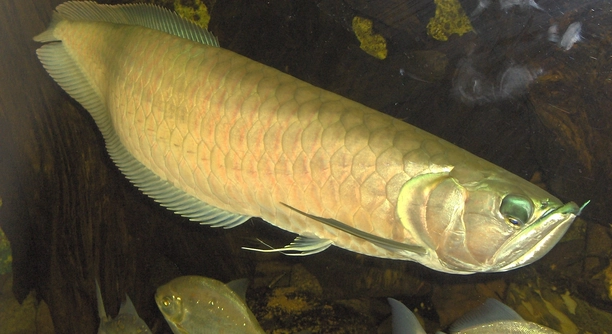
Have you ever noticed your arowana swimming frantically and hitting the lid of its tank? These large, elegant fish are known for their active nature and can sometimes display surprising behaviors that worry owners.
Arowanas often slam into the lid due to stress, lack of space, or poor water conditions. Insufficient stimulation or sudden environmental changes can trigger this behavior, making it important to assess tank setup, diet, and overall care.
Learning what triggers this behavior can help you create a safer, more comfortable environment for your arowana and prevent injury in the future.
Common Reasons Arowanas Slam Into the Lid
Arowanas are naturally active fish, and their size and energy levels make their behavior more noticeable. Many times, this slamming occurs because the tank is too small for them to swim freely. A tank that does not allow sufficient horizontal swimming space can lead to frustration, which may be expressed through sudden, rapid movements against the lid. Water quality also plays a major role. Poor filtration, high ammonia levels, or sudden temperature changes can stress the fish, causing erratic behavior. Sometimes, they slam simply out of curiosity or boredom, especially if there are no plants, decorations, or hiding spots to provide stimulation. Overfeeding or underfeeding can also affect their energy levels, making them more restless or aggressive. Observing the environment carefully and adjusting the tank setup often reduces this behavior significantly. Proper care and awareness are key to maintaining a calm, healthy arowana.
Stress from improper conditions often triggers repeated lid slamming, signaling the need for quick adjustments.
Keeping water clean, maintaining proper tank size, and adding enrichment can help the arowana feel more secure and less prone to dangerous leaps.
Tank Setup and Space Requirements
Arowanas need long, open tanks to swim comfortably.
A tank that is too narrow or short prevents them from exercising naturally and can lead to frustration and physical injuries.
Tank size is critical because arowanas can grow very large, sometimes exceeding two feet in captivity. They need at least six feet in length for proper swimming space. Decorations should not overcrowd the tank, but hiding spots and gentle plants can reduce stress. The lid must fit securely and allow minimal gaps, preventing escapes while accommodating the fish’s energetic movements. Lighting and water flow also impact their behavior. Gentle water currents and consistent light cycles can mimic natural conditions, helping the fish stay calmer. Regular monitoring of water temperature, pH, and cleanliness ensures the tank environment is stable. Adding floating objects or creating small areas with visual barriers can make the tank feel less exposed. Taking these steps can prevent lid slamming while promoting overall health and comfort for your arowana.
Water Quality and Temperature
Maintaining clean water is essential for arowanas. High ammonia or nitrite levels can cause stress and lead to frantic swimming. Temperature swings may also trigger lid slamming, making stability important. Regular testing keeps the tank safe and comfortable.
Consistent water quality prevents erratic behavior. Arowanas are sensitive to toxins, and poor filtration can quickly harm them. Frequent partial water changes, usually 20-30% weekly, help keep ammonia and nitrite low. Using a reliable filter suited to tank size ensures water remains clear. Monitoring pH and hardness is also necessary, as sudden changes can stress the fish. Even small fluctuations in temperature may prompt rapid, erratic movements, including slamming the lid. Stabilizing these factors provides a calm environment and reduces the likelihood of injury.
Proper temperature and water management go hand in hand with tank size. Arowanas thrive in slightly warmer water, generally between 75°F and 82°F. Using a heater with a thermostat prevents sudden drops that could startle the fish. Avoid placing the tank in direct sunlight or near vents, as this can create temperature swings. Regular testing combined with careful adjustments ensures the fish remain relaxed. Clean, stable water promotes healthy behavior, helping the arowana swim confidently without repeated collisions against the lid.
Diet and Feeding Habits
Overfeeding can make arowanas hyperactive. Feeding smaller, measured portions helps manage energy levels and prevent aggressive movements.
Arowanas require a varied diet that includes pellets, live foods, and occasional treats. Feeding too much at once can cause them to dart around the tank, sometimes hitting the lid in excitement. Underfeeding also creates stress, making the fish more restless. Spreading meals throughout the day in controlled portions keeps energy balanced. Live foods like small fish or insects stimulate natural hunting behavior, but these should complement, not replace, a nutritious pellet base. Watching how your arowana reacts to different feeding routines can help reduce frantic movements and lid slamming. A stable diet supports both mental and physical health, encouraging calm, predictable behavior.
Introducing a feeding schedule can further reduce stress. Feeding at the same time every day helps the arowana anticipate meals, reducing sudden bursts of activity. Avoid dropping large amounts of food at once, as this may trigger competitive or frantic feeding behaviors. Observing which foods excite your fish allows for careful portion control, preventing energy spikes. Additionally, ensuring live food is safe and parasite-free protects overall health. A balanced approach to diet not only minimizes lid slamming but also strengthens immunity, growth, and long-term well-being of the arowana, keeping it active yet controlled.
Tank Enrichment
Adding decorations and hiding spots helps reduce stress in arowanas. Visual barriers give them a sense of security and space to explore without panic.
Floating plants or gentle driftwood can break the open space and keep the fish engaged. Small structures prevent boredom and reduce frantic swimming, promoting calmer behavior.
Lighting and Environment
Bright or inconsistent lighting can stress arowanas. Dimming lights gradually or using a timer creates a stable day-night cycle. Sudden changes in brightness can startle them, causing collisions with the lid. Consistent, soft lighting makes the tank feel safer and less exposed.
Handling and Interaction
Avoid tapping on the glass or sudden movements near the tank. Arowanas are sensitive and easily startled, which can trigger frantic swimming. Gentle observation without disturbance encourages calmer, more predictable behavior in the long term.
Monitoring Behavior
Track your arowana’s activity patterns daily. Noting changes in movement, appetite, or rest periods helps identify stressors quickly and allows for timely adjustments to their environment.
FAQ
Why does my arowana hit the lid even though the tank seems big enough?
Even in large tanks, arowanas may slam into the lid if there is not enough horizontal swimming space. Decorations or plants in awkward positions can limit open areas. Stress from water changes, sudden noises, or bright lights may also cause them to dart unexpectedly. Regularly observing the tank layout and ensuring unobstructed swimming paths can reduce this behavior.
Can poor water quality make my arowana hit the lid?
Yes. High ammonia, nitrite, or nitrate levels can stress your arowana, causing erratic movements. Sudden temperature changes or inconsistent pH levels are also triggers. Testing water regularly and performing partial water changes maintain a stable environment, which helps prevent lid slamming and promotes overall health.
Does diet affect lid slamming behavior?
Absolutely. Overfeeding can make arowanas hyperactive, while underfeeding can cause stress and restlessness. A balanced diet of pellets, live foods, and occasional treats supports stable energy levels. Feeding in small, controlled portions several times a day keeps the fish calm and reduces frantic swimming.
Are arowanas naturally prone to hitting the lid?
Arowanas are active, predatory fish that often explore their environment vigorously. In small or unstimulating tanks, this energy can result in slamming. Providing enrichment like floating plants, driftwood, or gentle decorations allows them to move without repeatedly colliding with the lid, satisfying their natural instincts.
How can I prevent my arowana from injuring itself?
Ensure a secure lid with no gaps to prevent escapes, and provide sufficient swimming space. Monitor water conditions, temperature, and lighting to reduce stress. Using gentle filtration and stable temperatures, along with careful observation of behavior patterns, helps minimize risk of injury and promotes calm movement.
Can tank size alone solve lid slamming?
Not entirely. While arowanas need long tanks for proper swimming, enrichment, water quality, diet, and stable lighting also play major roles. Combining proper tank size with a balanced environment significantly reduces the likelihood of repeated collisions. Observing behavior regularly allows adjustments to maintain comfort.
Is stress the main reason arowanas hit the lid?
Stress is a major factor, but not the only one. Lack of space, poor water conditions, improper diet, or sudden environmental changes all contribute. Reducing stress through careful management of all these factors is the most effective way to prevent lid slamming.
Do arowanas need mental stimulation?
Yes. They are intelligent fish that become bored without enrichment. Adding visual barriers, floating plants, or gentle currents encourages exploration and reduces erratic behavior. Providing a varied environment keeps them engaged and less likely to hit the lid out of boredom.
Should I change my feeding schedule if my arowana hits the lid after meals?
Adjusting the feeding schedule can help. Feeding smaller portions more frequently prevents bursts of energy that lead to frantic swimming. Observing how your arowana responds to different routines helps create a predictable environment and reduces lid collisions.
Can water temperature changes cause lid slamming?
Yes. Sudden drops or rises in temperature startle arowanas, making them dart against the lid. Maintaining a stable range of 75°F to 82°F and avoiding direct sunlight or vents helps prevent stress-induced collisions and promotes calmer swimming behavior.
Is it okay to ignore lid slamming if the fish seems healthy?
It’s risky to ignore the behavior. Even if your arowana appears healthy, repeated slamming can cause injury, scale damage, or stress over time. Identifying and addressing the underlying causes ensures long-term safety and well-being.
Can lighting adjustments reduce lid slamming?
Consistent, soft lighting reduces stress. Sudden bright lights can startle the fish, triggering rapid movements. Using a timer for day-night cycles and avoiding extreme brightness helps the arowana feel secure, lowering the likelihood of hitting the lid.
How often should I monitor my arowana’s behavior?
Daily observation is best. Tracking activity, rest, and feeding patterns allows you to detect early signs of stress or environmental problems. Timely adjustments to water, diet, or tank setup can prevent lid slamming and maintain a healthy, calm fish.
What are safe enrichment options?
Floating plants, gentle driftwood, and small hiding structures create a stimulating yet safe environment. Avoid sharp decorations or overcrowding the tank, as these can cause injury or restrict swimming space. Safe enrichment satisfies curiosity and reduces erratic, potentially harmful behavior.
Does tank location affect lid slamming?
Yes. Tanks near loud noises, vibrations, or heavy foot traffic can startle arowanas. Placing the tank in a quiet, stable area helps reduce stress and frantic movements, making lid slamming less frequent. Observing your fish’s reactions to its surroundings is important for adjustments.
Can arowanas injure themselves even with a secure lid?
Yes. Arowanas can slam against the lid with force, causing scale damage or stress injuries. Providing a calm, enriched environment, stable water conditions, and a secure tank setup reduces the risk of harm, even when the lid is properly fitted.
Are live foods better than pellets for controlling energy?
Live foods stimulate natural hunting behavior but should complement, not replace, a balanced pellet diet. Overfeeding live foods can increase activity, while proper portions maintain energy balance. Combining varied nutrition with controlled feeding reduces frantic movements and lid slamming.
How long does it take to stop lid slamming behavior?
It depends on the underlying cause. Adjustments to tank size, water quality, diet, enrichment, and lighting may take days to weeks to show results. Consistent care and observation are essential to gradually reduce stress-related behavior and promote calm swimming.
Can tank mates affect lid slamming?
Yes. Aggressive or active tank mates may startle the arowana, triggering collisions with the lid. Ensuring compatible species and sufficient space reduces stress and minimizes erratic behavior, creating a more peaceful tank environment.
Is professional advice necessary if the behavior continues?
If lid slamming persists despite proper care, consulting an experienced aquarist or veterinarian is recommended. Persistent behavior may indicate health issues or environmental problems that require expert evaluation to ensure the arowana’s long-term safety and well-being.
Arowanas are beautiful, active fish that require careful attention to their environment. Their tendency to slam into the lid can be worrying, but it is often a signal that something in their tank needs adjustment. Many factors contribute to this behavior, including tank size, water quality, temperature, diet, and enrichment. Observing your arowana’s behavior closely helps identify the source of stress or frustration. Simple changes, like adjusting water parameters, providing enough space, and offering hiding spots or floating plants, can make a big difference. Understanding that lid slamming is usually a response to discomfort rather than misbehavior allows you to approach the situation calmly and make practical improvements.
Maintaining stable water conditions is crucial for the overall health and well-being of your arowana. Regular testing for ammonia, nitrite, nitrate, and pH levels ensures that the tank remains a safe space. Temperature stability is equally important, as sudden shifts can startle the fish and trigger rapid, erratic movements. Arowanas also respond to consistent lighting and feeding routines. Providing small, controlled portions multiple times a day helps manage their energy levels and prevents overexcitement. Incorporating a balanced diet of pellets, live foods, and occasional treats not only supports their growth but also keeps them mentally stimulated and physically active in a controlled way. Paying attention to these details reduces the likelihood of lid slamming while supporting long-term health.
Creating a comfortable and enriching environment is key to preventing repeated lid collisions. Arowanas benefit from visual barriers, floating plants, and gentle driftwood that allow them to explore without feeling exposed. Ensuring the tank is free from sharp or dangerous objects prevents injuries, while adding enrichment keeps the fish engaged and less likely to act out of boredom. Observation is important, as changes in behavior, appetite, or activity can indicate new stressors or health issues. While arowanas are naturally energetic, providing a stable, well-maintained, and stimulating environment encourages calm, confident swimming. With proper care, attention, and patience, lid slamming behavior can be minimized, allowing your arowana to thrive safely and comfortably in its tank.

Hello,
If you enjoy the content that we create, please consider saying a "Thank You!" by leaving a tip.
Every little bit helps us continue crafting quality advice that supports the health, happiness, and well-being of pets around the world, for pets of all shapes, sizes, and species.
We really appreciate the kindness and support that you show us!