
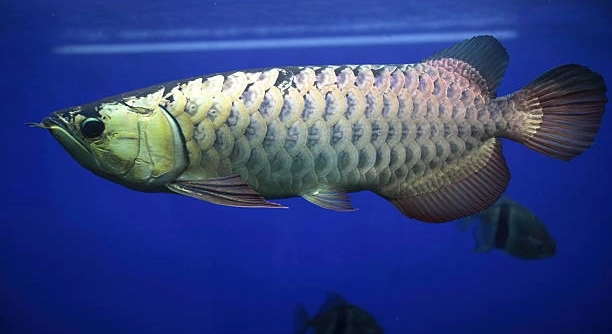
Is your Arowana tank looking cloudy despite your regular maintenance? Many aquarium enthusiasts face this issue, making their beautiful fish harder to appreciate. Cloudy water can be frustrating but is often manageable with simple adjustments.
Cloudy Arowana water is usually caused by bacterial blooms, overfeeding, or inadequate filtration. Addressing these factors through proper cleaning routines, balanced feeding, and effective filtration can quickly restore water clarity and support the health of your fish.
Understanding the root causes of murky water will make it easier to implement practical solutions for a clearer, healthier aquarium environment. The following tips can help you tackle this common issue efficiently.
Check Your Filtration System
A reliable filtration system is essential for keeping Arowana water clear. Over time, filters can get clogged or worn, reducing their efficiency. Inspect your filter media and clean or replace it according to the manufacturer’s instructions. Mechanical filters trap debris, while biological filters support beneficial bacteria that break down waste. Neglecting either type can allow particles and ammonia to build up, leading to cloudy water. Consider upgrading your filter if your tank is large or heavily stocked. Filters should run continuously, as intermittent use can upset the tank’s balance. Proper water flow is also important to prevent stagnant areas. Adjusting the filter output and circulation can help remove floating debris. Maintaining a consistent filter cleaning schedule ensures your Arowana has a healthier environment. Regular checks prevent small issues from becoming bigger problems and support stable water quality. A well-maintained filtration system reduces the frequency of emergency cleanings and helps fish thrive naturally.
A clean and properly functioning filter directly improves water clarity and supports the tank’s overall health. Regular maintenance is critical.
Keeping an eye on filter performance will help you spot issues before they worsen. Knowing how each type of filter works can save time and effort while improving your Arowana’s habitat.
Control Feeding Amounts
Overfeeding is a major factor in cloudy water. Giving your fish too much food at once leads to uneaten particles that decompose and fuel bacterial growth, making the water hazy. Feed smaller portions that your Arowana can finish in a few minutes. Remove leftover food promptly to reduce waste accumulation. A consistent feeding schedule helps regulate the tank’s nutrient load. Consider supplementing with high-quality pellets or frozen foods to prevent excess residue. Monitoring how much your fish consumes ensures water clarity and overall health. Avoid free-feeding methods, which often lead to overconsumption and more waste.
By controlling feeding amounts, you can minimize water cloudiness and reduce the strain on your filtration system. Fish thrive on predictable routines, and moderation keeps both water and fish in good condition.
Tracking feeding habits allows you to notice changes in appetite or behavior, which may indicate health issues. Adjusting portion sizes to match growth and activity levels keeps the environment balanced. Combined with proper filtration and regular water changes, feeding control is a practical step toward consistently clear water. It also prevents sudden spikes in ammonia or nitrites, which can stress or harm your Arowana. Using a measuring scoop or timer ensures you provide the right quantity without guesswork. Over time, these small adjustments significantly reduce murkiness and create a more stable, inviting tank for your fish. Observation and consistency are key in maintaining both water clarity and the long-term health of your Arowana.
Perform Regular Water Changes
Regular water changes help remove excess nutrients and waste that contribute to cloudy water. Replacing 20-30% of the tank water weekly keeps the environment stable and prevents harmful buildup. Consistent changes support healthy bacteria and clearer water.
Water changes reduce ammonia, nitrates, and dissolved organic matter that can cloud the tank. Using a gravel vacuum during the process removes debris from the substrate that can otherwise float in the water. Make sure replacement water is treated to remove chlorine and matches the tank’s temperature. Doing partial changes instead of full replacements prevents stress on your Arowana.
Frequent water changes also help maintain pH and mineral balance, which benefits both water clarity and fish health. Even a well-filtered tank can accumulate fine particles over time, so water replacement ensures a cleaner, safer environment. Pairing water changes with careful feeding and filter maintenance gives the best results for keeping water clear. Observing the water after each change helps you track improvements and adjust your maintenance routine. Consistency is key to long-term clarity and a healthier habitat.
Clean Substrate and Decorations
Debris and waste can settle in the substrate and on decorations, causing cloudy water. Regular cleaning removes these particles before they accumulate.
Use a siphon or gravel vacuum to gently remove dirt from the substrate without disturbing your fish. Decorations can be rinsed or scrubbed to prevent buildup of algae or organic matter. Avoid harsh chemicals that could harm your Arowana. Soft brushes work well for delicate items.
A clean substrate and decorations not only improve water clarity but also prevent harmful bacteria from spreading. Over time, uneaten food, fish waste, and plant matter can embed in gravel or settle on ornaments. By keeping these areas clean, you reduce the nutrient load that encourages bacterial blooms. This simple step complements proper filtration and feeding control, creating a more balanced and visually appealing tank. Consistent maintenance of the tank’s interior surfaces supports long-term clarity and overall fish well-being.
Monitor Water Parameters
Regularly testing water helps identify issues before they affect clarity. Keep track of ammonia, nitrite, nitrate, and pH levels to maintain a stable environment. Adjust as needed to prevent cloudy water.
Using a reliable test kit ensures accurate readings. Sudden changes in these parameters can stress your Arowana and promote bacterial growth. Quick corrections help maintain a healthy, clear tank.
Reduce Light Exposure
Excessive light can encourage algae growth, which contributes to murky water. Limit the tank light to 8-10 hours per day. Natural sunlight should be minimized to prevent additional algae blooms.
Algae control helps improve water clarity and reduces competition for oxygen. Adjusting light schedules and using timers can create a consistent environment.
Use Water Clarifiers
Water clarifiers bind small particles, making it easier for filters to remove them. They can quickly improve water appearance in cloudy tanks. Regular use, combined with maintenance, enhances effectiveness.
Avoid Overcrowding
Too many fish increase waste and strain the filtration system, leading to cloudy water. Keep stocking levels appropriate for your tank size.
FAQ
Why is my Arowana water cloudy even after cleaning?
Cloudy water can persist if bacterial blooms or fine particles remain suspended. Even after partial water changes, uneaten food, fish waste, or disturbed substrate can keep water murky. Proper filtration, consistent cleaning, and controlled feeding usually resolve the issue over several days.
How often should I change water to prevent cloudiness?
Weekly partial water changes of 20-30% are generally effective. For heavily stocked tanks or larger fish like Arowanas, more frequent changes may be needed. Avoid full changes as they can shock the fish and disrupt beneficial bacteria.
Can overfeeding cause cloudy water?
Yes. Excess food breaks down into waste that fuels bacterial growth and contributes to murkiness. Feeding small amounts that your fish can finish in a few minutes and removing leftovers promptly helps maintain water clarity.
What type of filter works best for Arowanas?
A combination of mechanical, biological, and chemical filtration is ideal. Mechanical filters remove debris, biological filters support beneficial bacteria, and chemical media like activated carbon can absorb dissolved particles. Regular cleaning of each stage ensures maximum efficiency.
Will adding more water clarifiers solve the problem?
Water clarifiers help bind tiny particles, making it easier for filters to remove them. They provide a quick visual improvement but should not replace proper maintenance, controlled feeding, and regular water changes. Overuse may cause chemical imbalance, so follow product instructions carefully.
How can I prevent algae from making water cloudy?
Limit light exposure to 8-10 hours per day and avoid direct sunlight. Remove decaying plant matter, clean decorations regularly, and consider live plants that compete with algae for nutrients. Algae growth is often tied to excess nutrients in the water.
Does substrate type affect cloudiness?
Yes. Fine sand or loosely packed gravel can release particles when disturbed, causing temporary cloudiness. Regular vacuuming and choosing denser substrates reduce the risk. Decorative items should also be cleaned to prevent debris accumulation.
Is cloudy water harmful to my Arowana?
Temporary cloudiness is generally not dangerous if water parameters are stable. However, prolonged murky water can indicate high ammonia or nitrite levels, which stress fish and increase disease risk. Monitoring and maintaining water quality protects health and growth.
Can I use chemicals to clear the water faster?
Some chemical treatments help clear water quickly, but they do not address underlying causes. Relying solely on chemicals can mask water quality problems and may harm beneficial bacteria. Proper maintenance, feeding control, and filtration are safer long-term solutions.
How long does it take for cloudy water to clear naturally?
With proper care, mild cloudiness from bacterial blooms or suspended particles can clear within a few days. Persistent cloudiness may require checking filtration, substrate, feeding practices, or water chemistry to identify contributing factors.
Are water conditioners necessary for clarity?
Yes, treating new water with a conditioner removes chlorine and heavy metals, which can harm fish and upset biological balance. Conditioners also support the beneficial bacteria needed to maintain a clear and stable tank environment.
Should I remove my Arowana during cleaning?
It is usually unnecessary for small maintenance tasks like water changes or vacuuming the substrate. Only consider temporary relocation during major tank overhauls or if using chemicals that may stress or harm the fish.
Can overcrowding make water cloudy faster?
Definitely. Too many fish increase waste production and strain the filtration system. Keeping an appropriate stocking density reduces debris accumulation and helps maintain a clearer, healthier environment for your Arowana.
How does temperature affect water clarity?
Higher temperatures can accelerate bacterial growth, contributing to cloudy water. Stable temperature control helps prevent sudden blooms and reduces stress on your Arowana, supporting overall water quality and clarity.
Do live plants help reduce cloudiness?
Live plants absorb excess nutrients, which can otherwise fuel bacterial and algae growth. They provide oxygen and contribute to a balanced ecosystem, indirectly helping to keep water clearer over time.
What is the quickest way to see improvement in cloudy water?
Combining partial water changes, filter cleaning, controlled feeding, and careful use of water clarifiers usually produces noticeable improvement within a few days. Consistency and monitoring are more effective than single, drastic interventions.
How can I tell if the cloudiness is bacterial or particulate?
Bacterial cloudiness often appears milky or bluish-white and may persist for a few days. Particulate cloudiness is usually caused by debris or substrate disturbance and may settle after a few hours or with filtration. Observation and testing water parameters help determine the cause.
Does frequent cleaning stress Arowanas?
Moderate cleaning, like partial water changes and filter maintenance, generally does not stress healthy fish. Avoid aggressive scrubbing of the substrate or decorations while the fish is present. Gradual, consistent care keeps the tank healthy without disturbing your Arowana.
Are there signs that indicate water clarity problems?
Cloudy water, unusual fish behavior, foul odor, or visible waste accumulation indicate issues. Monitoring water parameters and observing your Arowana’s activity help catch problems early before they affect health.
Can I prevent cloudy water completely?
While some minor cloudiness may occur naturally, regular maintenance, proper feeding, appropriate stocking, and a well-functioning filtration system minimize issues. Maintaining a stable, balanced tank environment is the most effective long-term strategy.
Keeping an Arowana tank clear can feel like a lot of work, but it really comes down to consistency and careful observation. Regular water changes, proper feeding, and a good filtration system form the foundation of a healthy aquarium. Each step supports the others, and skipping one can make the tank murky again. Even small changes, like reducing the amount of food or vacuuming the substrate, can have a noticeable impact on water clarity. Over time, these small, steady actions prevent cloudy water from becoming a recurring problem and keep your fish comfortable and healthy.
It’s also important to understand the role of water chemistry and the environment in your tank. Monitoring ammonia, nitrite, nitrate, and pH levels helps you catch potential issues before they escalate. Using test kits regularly gives a clear picture of your tank’s health and helps you adjust routines as needed. A tank that looks clear isn’t always perfectly balanced, so paying attention to these details ensures the water remains safe for your Arowana. Additionally, proper lighting, live plants, and cleaned decorations all contribute to maintaining a clean, stable environment. When each element of the tank is managed thoughtfully, cloudy water becomes a minor, easily fixable issue rather than a persistent concern.
Finally, patience and observation are key. Cloudy water doesn’t always clear immediately, and it may take a few days for improvements to show even after adjustments. Watching your fish, noting changes in water clarity, and maintaining consistent routines helps you understand your tank’s natural rhythm. Avoid rushing solutions or relying too heavily on chemicals, as they can mask underlying problems. By keeping up with simple, regular maintenance and paying attention to how your Arowana responds, you create an environment where water clarity naturally improves and stays stable. Over time, these practices become second nature, making the aquarium a clear, healthy home for your fish while reducing stress for both you and your Arowana.

Hello,
If you enjoy the content that we create, please consider saying a "Thank You!" by leaving a tip.
Every little bit helps us continue crafting quality advice that supports the health, happiness, and well-being of pets around the world, for pets of all shapes, sizes, and species.
We really appreciate the kindness and support that you show us!