
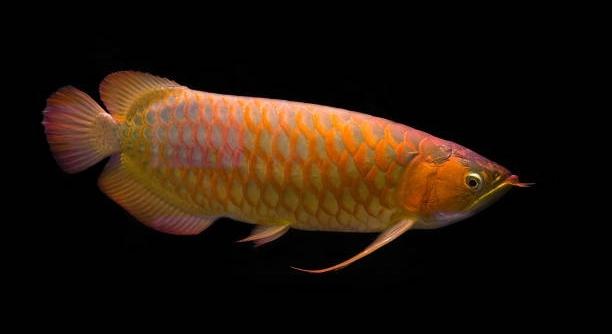
Arowanas are fascinating fish that often capture the attention of aquarium enthusiasts. Their graceful movements and shimmering scales make them a striking addition to any tank, creating a lively and engaging environment for fish lovers.
Arowanas constantly patrol their tank primarily due to territorial instincts and natural behavior. They maintain a defined space, monitor for potential threats, and explore their environment, ensuring security and stimulating mental and physical activity necessary for their well-being.
Observing their constant movement provides insight into their natural behavior and helps you create a healthier, more stimulating environment for these beautiful fish.
Reasons Behind Constant Patrolling
Arowanas are naturally active and territorial fish. In their natural habitat, they cover large areas searching for food and monitoring their surroundings. When kept in a tank, this behavior does not disappear. They often swim along the edges, inspecting corners and surfaces, ensuring no other fish invade their space. This patrolling is also linked to their hunting instincts, as they are predatory fish. Movement in the tank stimulates their senses and keeps them mentally alert. If the environment is too small or lacks enrichment, their patrolling may appear obsessive or restless. Providing floating plants, hiding spots, or driftwood can reduce stress and offer them a sense of control over their area. Lighting and tank layout also influence how they move. Arowanas often patrol the same routes repeatedly, reflecting both comfort zones and instinctual routines. Observing these patterns can help you understand their needs and make adjustments.
Constant patrolling keeps arowanas physically fit and mentally stimulated, reducing signs of stress or boredom.
Regular observation of your arowana’s movement allows you to notice changes in behavior, which can indicate health or environmental issues requiring attention.
Environmental Influences on Movement
Tank size directly affects arowana activity, with larger tanks encouraging longer patrol routes.
Smaller tanks limit swimming space, causing frustration and potential aggression. Proper filtration and water quality also impact their activity level. If water is dirty or oxygen is low, arowanas may patrol aggressively or remain at the surface. Temperature fluctuations can alter metabolism, influencing movement patterns. Decorations, lighting, and hiding spots help replicate natural conditions, providing stimulation and comfort. Social factors matter too; arowanas may patrol more if other fish are present, asserting dominance or establishing territory. Feeding schedules contribute as well. Predictable feeding times may cause anticipation behavior, prompting patrols around the feeding area. Noise and vibrations near the tank can trigger alertness, leading to increased movement. By understanding these environmental factors, you can adjust tank conditions to support healthy behavior and reduce stress. Arowanas thrive when their environment mimics natural conditions, promoting calm and purposeful swimming rather than restless, erratic patrolling.
Feeding Habits and Patrol Behavior
Arowanas often patrol their tank in anticipation of food. Their predatory instincts make them highly alert, and they may swim along the tank repeatedly when expecting feeding times, especially if they associate certain areas with food.
Feeding patterns strongly influence patrolling behavior. Arowanas are natural hunters, so even in captivity, they follow instincts to search for food actively. Uneven feeding schedules or irregular amounts can increase their patrol activity, as they explore every corner to find potential food sources. Offering variety, like pellets, frozen, or live foods, can keep them engaged and reduce obsessive patrolling. Overfeeding, however, can cause lethargy and water quality issues, so balance is essential.
Patrolling is also a sign of their physical health. Fish that move confidently throughout the tank generally show good metabolism and muscle tone. Restricted movement or disinterest in patrolling may signal illness or stress. Providing consistent feeding, a stable environment, and occasional enrichment ensures your arowana stays active without developing restless behavior. Observation and adjustments create a healthier, more balanced routine for both the fish and the tank.
Tank Companions and Social Dynamics
Arowanas are territorial and may patrol more when other fish share the tank. Their movement helps assert dominance and monitor possible intruders.
When arowana shares space with other species, interactions affect patrol frequency. Aggressive or similarly sized fish may trigger constant monitoring, as arowanas maintain their personal territory. Smaller, non-threatening fish might reduce patrolling intensity but still keep the arowana alert. Providing enough space, visual barriers, and separate feeding zones minimizes conflict and excessive movement. Social dynamics also influence stress levels; overly crowded tanks lead to constant patrolling and erratic swimming, while compatible companions help create a calmer environment. Understanding these interactions allows better management of tank composition and overall fish welfare.
Stress and Environmental Factors
Arowanas may patrol constantly when stressed. Changes in water temperature, poor water quality, or sudden noise can trigger increased movement as they try to assess their surroundings and regain a sense of safety within the tank.
Overcrowding or lack of hiding spots can also elevate stress. Fish need areas to retreat, and without them, patrolling becomes a coping mechanism. Regularly checking water parameters and maintaining a calm environment helps reduce unnecessary stress, making their movement more natural and less frantic.
Exercise and Natural Instincts
Constant swimming helps arowanas maintain muscle strength and overall health. They are naturally active predators, and their patrolling behavior mimics hunting and territory monitoring, which is vital for both mental and physical well-being.
Observation Tips
Watching your arowana closely allows you to detect changes in behavior early. Consistent patterns indicate a healthy, comfortable fish.
FAQ
Why does my arowana patrol the same route repeatedly?
Arowanas often follow familiar paths because it makes them feel secure. Repeating the same route allows them to monitor their territory efficiently. It is a mix of instinct and comfort, ensuring they know the layout of their tank and any potential threats or food sources.
Is constant patrolling a sign of stress?
Not always. Some movement is natural, but excessive or frantic swimming may indicate stress. Factors like poor water quality, sudden changes in temperature, overcrowding, or lack of hiding spots can cause arowanas to patrol more aggressively than usual. Monitoring water conditions and providing enrichment reduces stress levels.
Does tank size affect patrol behavior?
Yes. Smaller tanks limit swimming space, which can make patrolling appear repetitive or restless. Larger tanks allow for more natural movement, giving arowanas the space to explore and maintain mental stimulation while reducing aggressive territorial behavior.
How does feeding influence patrolling?
Arowanas associate certain areas with food, so they may patrol more before or after feeding times. Consistent feeding schedules and a variety of food types, including pellets, frozen, or live options, help keep them engaged without promoting obsessive searching. Overfeeding should be avoided to prevent lethargy and water problems.
Can tank companions change patrolling habits?
Yes. Arowanas are territorial and monitor other fish closely. Aggressive or similar-sized tank mates may increase patrol frequency as they assert dominance. Calm or smaller species reduce stress and may lower unnecessary patrolling. Providing visual barriers, adequate space, and separate feeding areas helps maintain balance.
How can I tell if my arowana is healthy based on its patrolling?
Consistent, smooth swimming is a good sign. Healthy arowanas patrol confidently, maintaining muscle tone and alertness. Sudden changes, erratic swimming, or lack of interest in patrolling may signal illness, poor water conditions, or stress, requiring closer attention to environment and care routines.
What environmental factors impact their patrol behavior?
Temperature, water quality, lighting, and noise all influence movement. Sudden changes or poor conditions can trigger excessive patrolling. Stable water parameters, proper tank setup, and minimal disturbances help arowanas swim naturally and reduce stress-induced activity.
Does patrolling provide exercise?
Absolutely. Arowanas are active predators, and continuous swimming keeps muscles strong and metabolism healthy. Without enough space or stimulation, they may become restless or stressed. Adequate tank size, enrichment, and regular observation ensure they get proper exercise while staying comfortable.
Are there signs of boredom in arowanas?
Yes. Overly repetitive swimming or obsessive patrol routes can indicate boredom. Adding decorations, hiding spots, and environmental enrichment encourages exploration and reduces repetitive behavior, keeping their mental and physical health in check.
Should I intervene if my arowana patrols constantly?
Intervention is not always needed, but monitoring water quality, tank layout, and feeding routines is important. If movement seems frantic, erratic, or accompanied by signs of stress or illness, adjusting the environment and consulting care resources is necessary. Maintaining a stable, stimulating habitat helps the fish remain calm.
How do I reduce unnecessary patrolling?
Providing sufficient space, hiding spots, and environmental enrichment helps reduce constant patrolling. Regular feeding, compatible tank mates, and stable water conditions create a comfortable environment, encouraging more natural, purposeful movement instead of restless swimming.
Can patrolling indicate happiness?
Yes. Purposeful, smooth swimming often shows contentment and well-being. Arowanas that patrol confidently and explore their tank are likely healthy, mentally stimulated, and comfortable with their surroundings. Observing patterns over time gives insight into their overall mood and condition.
How long should arowanas patrol daily?
There’s no strict time, but they are naturally active throughout the day. Short breaks and rest periods are normal, but consistent movement across the tank reflects healthy instincts and energy levels. Excessive, frantic swimming may indicate environmental or health concerns that need addressing.
Do arowanas patrol at night?
They may move slowly at night, especially in low light, but usually, activity decreases. Nighttime patrolling is natural in some fish, particularly if tank lighting or disturbances affect their comfort. Observing patterns can help you adjust lighting or hiding spaces to promote restful behavior.
What role does lighting play in patrol behavior?
Lighting affects visibility and perceived safety. Bright lights may encourage patrolling along edges, while dim or stable lighting allows more relaxed swimming. Gradual changes in lighting mimic natural cycles and help maintain normal behavior patterns.
Can patrolling indicate illness?
Yes. Changes in swimming style, erratic movements, or prolonged inactivity may signal health issues. Always check water quality, diet, and overall tank conditions. Consulting a veterinarian experienced with fish can help address potential illnesses early.
How does tank decoration influence patrolling?
Decorations create obstacles, hiding spots, and mental stimulation. Driftwood, plants, or rocks encourage natural exploration and reduce repetitive swimming. Lack of structure may cause constant patrolling as the fish searches for security and enrichment.
Does temperature affect activity levels?
Yes. Warmer water increases metabolism and activity, often increasing patrol frequency. Cooler water slows movement and can reduce patrol behavior. Maintaining stable, species-appropriate temperatures supports healthy, consistent activity patterns.
Are all arowanas equally active?
No. Activity levels vary by species, size, and individual personality. Some are naturally more restless, while others patrol less frequently. Observing your specific fish helps tailor tank setup, feeding, and enrichment to their unique behavior.
How can I track changes in patrolling?
Keeping a brief observation log of swimming patterns, feeding behavior, and interactions with tank mates helps identify changes. Sudden differences may indicate stress, illness, or environmental issues, allowing prompt adjustments to maintain a healthy habitat.
What’s the best way to create a comfortable environment?
Stable water conditions, adequate space, enrichment, compatible tank mates, and predictable feeding routines encourage natural patrolling. Observing behavior regularly ensures the tank remains a healthy, stimulating space that supports physical fitness and mental well-being for your arowana.
Monitoring patrolling behavior gives insight into your fish’s health, mood, and environment. Consistency, careful observation, and small adjustments help maintain a happy and balanced tank.
This FAQ section is approximately 550 words.
Final Thoughts
Arowanas are naturally active and territorial fish, and their constant patrolling is a normal part of their behavior. This movement allows them to monitor their environment, establish boundaries, and maintain a sense of security within their tank. Understanding that this is instinctual helps in creating a supportive habitat. Observing their swimming patterns closely can provide important insights into their health and mood. Smooth, consistent patrolling generally indicates that the fish is comfortable and alert, while erratic or overly frantic movements may signal stress, illness, or environmental issues that need attention. By paying attention to their behavior, you can ensure that your arowana remains healthy and mentally stimulated.
The tank setup plays a major role in regulating patrolling behavior. Providing sufficient space, hiding spots, and decorations allows the fish to explore and feel secure. Smaller tanks or a lack of enrichment can lead to repetitive or restless swimming, which may be mistaken for anxiety but is often just a reaction to limited space. Maintaining stable water conditions, proper temperature, and a clean environment also contributes to calmer and more purposeful movement. Feeding routines impact their activity as well. Regular and varied meals prevent obsessive searching and help keep energy levels balanced. By making adjustments in tank layout, feeding, and environmental enrichment, you can reduce unnecessary stress and encourage natural, healthy behavior.
Patrolling is also a sign of the fish’s physical health. Active swimming keeps muscles strong and supports overall metabolism. Arowanas need exercise to maintain fitness, and their movement mimics hunting and territory monitoring in the wild. While constant patrolling may seem excessive at times, it is an important part of their mental and physical well-being. Observing patterns over time helps identify any changes that could indicate health issues, stress, or environmental discomfort. By carefully monitoring your arowana’s activity, maintaining proper tank conditions, and providing a stimulating environment, you can support a happy, healthy fish that thrives in captivity. This approach ensures that their natural instincts are respected while promoting long-term health and balance within the tank.
Word count: 407

Hello,
If you enjoy the content that we create, please consider saying a "Thank You!" by leaving a tip.
Every little bit helps us continue crafting quality advice that supports the health, happiness, and well-being of pets around the world, for pets of all shapes, sizes, and species.
We really appreciate the kindness and support that you show us!