
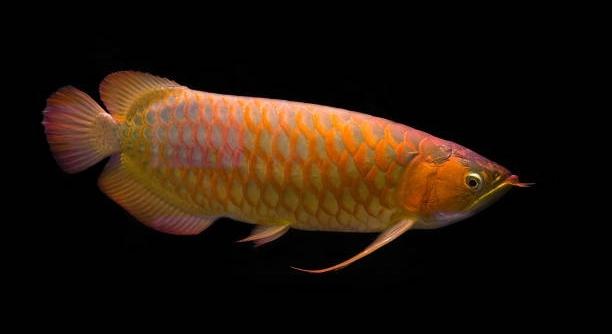
Keeping your Arowana healthy and happy often starts with understanding what affects its appetite. Many fish owners notice that even a well-fed Arowana can suddenly eat less for no obvious reason. Environmental factors play a big role in this.
Arowana appetite is strongly influenced by seven key environmental factors including water temperature, lighting, tank size, water quality, background noise, hiding spots, and feeding schedule. Properly optimizing these elements encourages regular feeding behavior and overall fish health.
Recognizing and adjusting these factors can make a noticeable difference in your Arowana’s eating habits and overall well-being.
Water Temperature
Maintaining the right water temperature is crucial for your Arowana’s appetite. These fish are tropical and prefer a stable range between 78°F and 86°F. Sudden fluctuations can stress them, causing reduced feeding or even illness. Using a reliable heater and thermometer helps keep conditions consistent. Seasonal changes or drafts near the tank can affect water warmth, so it’s important to monitor regularly. Even a few degrees above or below their comfort range can make them hesitant to eat. Additionally, a stable temperature supports digestion and metabolism, allowing your Arowana to process food efficiently. Cold water slows metabolism, while water that is too warm can lead to overactivity and stress. Regular checks and minor adjustments are far more effective than large sudden changes, which can shock the fish. Observing behavior, such as lethargy or sudden darting, can indicate that temperature adjustments are needed. Consistency is key to encouraging a healthy, regular appetite.
Temperature directly influences feeding patterns and ensures your Arowana digests food effectively, keeping it active and healthy.
Even small shifts in water temperature can noticeably impact your fish. Adjusting gradually and monitoring closely helps maintain their comfort. A heater with a built-in thermostat can prevent sudden changes, while placing the tank away from windows or vents reduces external temperature effects. Combining stable temperature with good water quality ensures your Arowana remains confident during feeding, improving appetite naturally over time.
Lighting Conditions
Proper lighting encourages natural activity and feeding in Arowanas. They are used to daylight patterns, so keeping a consistent day-night cycle helps regulate appetite.
Too bright or too dim lighting can stress the fish. Use moderate lighting for about 10–12 hours daily to mimic natural conditions, and avoid sudden changes in brightness that might startle your Arowana.
Lighting affects not only behavior but also internal rhythms. A well-lit tank during the day encourages exploration and feeding, while dim or irregular lighting can reduce activity and make the fish less willing to eat. Using a timer can maintain a consistent cycle without requiring daily adjustments. Avoid exposing the tank to direct sunlight, as this can cause temperature swings and algae growth, which may indirectly affect appetite. Observing your Arowana’s response to lighting adjustments can guide optimal setup. Some owners notice increased feeding activity when lighting is gentle and natural, while overly harsh lights can lead to hiding or refusal to feed. Integrating proper lighting with other factors like temperature and hiding spots creates a stable environment that supports appetite and overall health.
Tank Size
Arowanas need plenty of space to swim comfortably. A cramped tank can make them stressed and less likely to eat, so providing a spacious environment encourages natural feeding behavior and growth.
A small tank restricts movement and can lead to stress, which often suppresses appetite. Arowanas are active fish and require at least a 250-gallon tank for adults. Limited space can also increase aggression, making them more defensive and hesitant to approach food. By offering a larger tank, you allow the fish to explore freely and establish its territory, which improves confidence and encourages regular feeding. Additional decorations or hiding spots should be arranged to avoid overcrowding, ensuring swimming space remains ample. Observing how your Arowana moves and reacts can indicate if the current tank size is sufficient or if expansion is needed.
Providing the right tank size also affects water quality and oxygen levels. A larger volume dilutes waste more effectively, reduces ammonia spikes, and stabilizes temperature. Better water quality supports digestion and appetite. A well-sized tank combined with proper filtration gives your Arowana a healthier environment, encouraging consistent feeding and overall vitality. Proper tank planning benefits not just growth, but behavior and long-term health.
Water Quality
Clean water is essential for a healthy appetite. Poor water conditions stress Arowanas, causing them to refuse food or become sick.
Regular water changes, proper filtration, and monitoring parameters like pH, ammonia, nitrites, and nitrates keep the tank safe. Stable conditions reduce stress and support digestion.
Arowanas are sensitive to pollutants and sudden changes in water chemistry. Ammonia or nitrite spikes can damage gills and reduce oxygen availability, directly affecting feeding behavior. Maintaining pH between 6.5 and 7.5, along with consistent temperature, helps digestion and encourages regular feeding. Weekly partial water changes and careful addition of conditioned water keep the environment stable. Proper filtration removes debris and prevents buildup of harmful substances. Testing water frequently allows early detection of potential issues. Arowanas may stop eating if water becomes cloudy or starts to smell, signaling that action is needed. Clean, well-maintained water promotes energy, health, and a strong appetite, supporting the fish’s growth and overall vitality.
Background Noise
Excessive noise near the tank can stress Arowanas, making them hesitant to eat. Keep the environment calm and avoid loud vibrations or frequent tapping on the glass to encourage natural feeding behavior.
Quiet surroundings allow the fish to focus on feeding. Sudden sounds can startle them, reducing appetite. Creating a peaceful environment supports consistent eating habits.
Hiding Spots
Arowanas feel safer with places to retreat. Adding plants, driftwood, or decorations provides security, which encourages more confident feeding.
When fish feel exposed, they may stay hidden and avoid food. Proper hiding spots reduce stress and create a balanced tank environment.
Feeding Schedule
Establishing a consistent feeding schedule improves appetite. Feeding at the same times daily helps Arowanas anticipate meals and develop regular eating habits.
FAQ
How often should I feed my Arowana?
Adult Arowanas should be fed once or twice a day, while juveniles may need two to three meals. Overfeeding can lead to obesity and poor water quality. It’s best to give only what they can finish in a few minutes to maintain health and appetite.
What types of food are best for Arowanas?
A balanced diet includes live or frozen foods like shrimp, fish, and insects, supplemented with pellets for vitamins. Variety is important to prevent nutritional deficiencies. Rotating food types also keeps your Arowana interested and encourages consistent eating habits.
Can tank mates affect my Arowana’s appetite?
Yes, aggressive or overly active tank mates can stress Arowanas. Stress often reduces feeding behavior. Choosing compatible, calm species and giving enough space for all fish reduces competition and helps your Arowana eat confidently.
How do I know if water quality is affecting feeding?
Signs include reduced appetite, lethargy, or gasping at the surface. Testing for ammonia, nitrite, nitrate, and pH levels regularly is essential. Consistently clean water with proper filtration encourages healthy feeding and digestion.
Does lighting influence feeding times?
Lighting affects their internal rhythms. A consistent day-night cycle with 10–12 hours of moderate light encourages natural activity and makes your Arowana more likely to feed reliably. Avoid sudden changes in brightness that can startle or stress the fish.
What is the impact of temperature on feeding?
Water temperature directly affects metabolism. Too low slows digestion and reduces appetite, while too high can stress the fish. Maintaining a stable range between 78°F and 86°F helps your Arowana feed regularly and process food efficiently.
Can stress from handling affect appetite?
Frequent handling or netting can stress your Arowana, causing it to hide or refuse food. Minimize direct interaction, perform careful maintenance, and allow the fish to adjust naturally to changes in the tank environment.
How long should I wait if my Arowana refuses food?
If your Arowana skips a meal, it’s usually not critical. A day or two without food is often safe, but prolonged refusal may indicate illness, stress, or poor water conditions. Observing behavior and checking environmental factors helps identify the cause.
Do hiding spots really make a difference in feeding?
Yes, Arowanas feel secure with places to retreat. Adding plants, driftwood, or decorations reduces stress and allows them to eat confidently without feeling exposed, improving regular feeding behavior.
Can feeding schedule adjustments improve appetite?
Feeding at consistent times daily helps establish routine and expectation. Sudden changes can confuse the fish and reduce appetite. Observing their preferred feeding times and sticking to a schedule supports regular consumption and long-term health.
What role does tank size play in feeding?
Arowanas require a spacious tank to swim freely. Limited space can stress them and suppress appetite. A larger tank improves comfort, reduces aggression, and encourages confident feeding behavior, contributing to overall well-being.
How does water movement affect eating?
Moderate water flow is ideal. Too strong a current can stress the fish and make feeding difficult, while stagnant water can lead to poor oxygenation and reduced activity. Adjust filtration and flow to match the fish’s comfort.
Are live foods better than pellets for appetite?
Live foods can stimulate natural hunting behavior and encourage feeding. Pellets provide essential vitamins and minerals, ensuring a balanced diet. Combining both types supports appetite and nutritional needs.
What are common signs my Arowana is not eating enough?
Signs include weight loss, lethargy, hiding, or decreased activity. Monitoring these indicators and adjusting feeding, water quality, or environmental conditions promptly helps prevent long-term health issues.
How can I encourage picky eaters to feed?
Offer a variety of foods, adjust water temperature to optimal range, and ensure a stress-free environment. Sometimes slightly warming frozen food or presenting it at different tank locations encourages reluctant feeders.
Does background noise really affect appetite?
Yes, constant loud noise or vibrations can stress Arowanas. A quiet, calm environment helps them feel secure and more willing to eat. Placing the tank away from high-traffic areas is often enough to reduce stress-related appetite loss.
Can changes in tank decor impact feeding?
Adding or rearranging decorations can initially stress fish. Introduce changes gradually to allow adjustment. Once comfortable, proper hiding spots encourage confident feeding while maintaining a visually appealing tank.
How long does it take for environmental changes to improve appetite?
Improvements can be noticeable within days if water quality, temperature, or stress factors are adjusted. Patience is key, as Arowanas may take time to regain regular feeding habits after prolonged stress or poor conditions.
What precautions should I take when introducing new fish?
Quarantine new fish to prevent disease. Introduce them slowly to minimize stress and competition. A calm integration supports consistent feeding and maintains the appetite of existing Arowanas.
How do I balance feeding with water quality maintenance?
Feed only what can be consumed quickly to reduce waste. Combine with regular water changes and efficient filtration. This balance prevents water deterioration while ensuring your Arowana receives proper nutrition.
Can seasonal changes affect feeding?
Seasonal temperature fluctuations or changes in natural daylight can alter metabolism and appetite. Monitoring water temperature, light exposure, and maintaining a stable environment helps your Arowana eat consistently year-round.
Is fasting ever beneficial?
Occasional short fasting for one day can help digestion, especially after overfeeding. Extended fasting is not recommended, as it may stress the fish. Observing behavior and adjusting feeding accordingly ensures appetite and health remain stable.
How do I know if my Arowana is stressed?
Stress signs include hiding, erratic swimming, clamped fins, or reduced feeding. Identifying stressors like poor water quality, aggressive tank mates, or sudden environmental changes allows corrective action to restore appetite.
What is the best approach if appetite does not return?
Persistent refusal to eat may indicate illness. Consult a vet familiar with Arowanas, check water quality, and review feeding routines. Early intervention increases chances of recovery and restores normal feeding habits.
How important is consistency in all environmental factors?
Consistency in temperature, lighting, water quality, and feeding schedule reduces stress and encourages predictable appetite. Sudden or frequent changes can confuse the fish, while a stable environment promotes confidence and healthy feeding behavior.
Can overfeeding affect appetite?
Yes, overfeeding can lead to lethargy, poor water quality, and reduced interest in food. Measuring portions carefully and sticking to a schedule ensures appetite remains healthy and consistent.
Does tank placement in the room affect feeding?
Placing the tank in a low-traffic, calm area minimizes stress. Excessive movement, vibration, or sudden noises can reduce appetite. A peaceful location supports regular feeding and overall well-being.
How long does it take to notice appetite improvement after changes?
Some improvements appear within a day, while others may take a week. Observing behavior, adjusting gradually, and maintaining consistent conditions accelerates recovery of normal feeding habits.
Are there signs of hunger in Arowanas?
Active swimming near the surface or food area, increased movement, and alertness indicate hunger. Recognizing these signs helps adjust feeding schedules appropriately.
Is feeding live prey safe?
Yes, if sourced carefully. Avoid wild-caught prey to prevent disease. Properly handled live foods stimulate natural hunting behavior, improving appetite and engagement.
How can I reduce stress during tank maintenance?
Perform partial water changes, avoid sudden light or temperature changes, and minimize handling. Calm, steady maintenance preserves appetite and keeps the fish comfortable.
Do Arowanas need different feeding strategies at different life stages?
Yes, juveniles require more frequent feeding, while adults can thrive on fewer meals. Adjust portion size and frequency to match age and growth needs to support appetite and health.
How can I tell if a change in environment is effective?
Increased activity, consistent feeding, and normal behavior indicate positive results. Track responses carefully after adjustments to determine the most effective strategies for appetite improvement.
What role does tank cover play in feeding?
A secure tank cover reduces external disturbances, prevents jumping, and contributes to a safe environment. Feeling secure encourages consistent feeding and lowers stress levels.
Can temperature swings during the day affect appetite?
Yes, sudden temperature drops or rises stress fish. Maintaining a stable range ensures consistent feeding and digestion. Gradual adjustments are safer than sudden changes.
How do I introduce new foods?
Offer small amounts at first, observe reactions, and rotate items gradually. This helps the Arowana adapt without overwhelming it, maintaining appetite and nutritional balance.
Is fasting before introducing new food necessary?
A short fast can help your fish recognize new food. Skipping a meal or two makes them more likely to accept changes, stimulating appetite while avoiding digestive stress.
Can feeding location in the tank affect appetite?
Yes, fish may prefer feeding in a quieter, safe corner. Placing food consistently in a comfortable spot encourages confident, regular eating.
How important is observation for appetite management?
Watching your Arowana’s behavior daily helps detect changes early. Promptly addressing environmental, social, or dietary issues maintains appetite and overall health.
Do water additives influence feeding?
Some additives stabilize pH, promote health, or reduce stress, indirectly supporting appetite. Use carefully, following recommended dosages, to avoid adverse effects on feeding.
Can sudden tank rearrangement cause appetite loss?
Yes, moving decorations or plants abruptly can stress Arowanas. Gradual rearrangement allows adjustment, minimizing disruption to feeding patterns.
Does the season affect light intensity?
Natural light changes can influence activity. Using artificial lighting to maintain consistent brightness supports appetite and regular feeding, especially during short or cloudy days.
How long should feeding sessions last?
A few minutes is sufficient. Fish should consume all food quickly to prevent waste, maintain water quality, and encourage regular, consistent feeding behavior.
What is the best approach for picky eaters?
Offer varied food types, ensure optimal water conditions, and provide a calm, safe environment. Small adjustments often restore appetite and make feeding more predictable.
Are there signs of overfeeding?
Uneaten food, poor water quality, lethargy, and bloating indicate overfeeding. Adjust portions and feeding frequency to maintain appetite and health.
Can temperature drops at night affect appetite?
Minor drops are normal, but significant fluctuations reduce feeding. Keeping nighttime temperature stable supports digestion and encourages consistent eating habits.
How do I balance live and pellet foods?
Use live foods for stimulation and pellets for nutrition. Rotate types to maintain interest and ensure balanced vitamins and minerals, supporting appetite and health.
Can stress from tank lights affect appetite?
Sudden bright lights can startle Arowanas. Gradual lighting changes and consistent day-night cycles reduce stress and encourage confident feeding behavior.
Do water flow changes influence feeding behavior?
Yes, moderate flow is ideal. Strong currents can stress the fish and make food delivery difficult, while stagnant water reduces oxygen and activity. Adjust flow for comfort and consistent feeding.
What is the role of consistency in feeding behavior?
Regular schedules, stable water conditions, and predictable surroundings support appetite. Inconsistent routines create stress and reduce willingness to feed.
How do I monitor if my Arowana is healthy?
Observe activity, color, swimming patterns, and appetite. Healthy fish feed regularly, swim confidently, and show alertness, indicating proper environmental balance and care.
Can tank mates influence feeding speed?
Yes, competitive or aggressive fish can intimidate Arowanas, causing them to eat slowly or avoid food. Providing sufficient space and calm companions improves feeding confidence.
What precautions should I take with live feeders?
Ensure they are disease-free and properly sized. Avoid introducing wild-caught prey, which can carry pathogens. Properly handled live food encourages appetite safely.
How important is partial fasting for digestion?
Occasional short fasting can improve digestion, particularly after a period of frequent feeding. Long fasting should be avoided, as it may stress the fish.
Can temperature swings affect digestion?
Yes, unstable water temperature slows metabolism and digestion, reducing appetite. Maintaining consistent warmth supports efficient feeding and nutrient absorption.
How long does it take to establish a feeding routine?
Consistency usually brings results within days to a week. Observing behavior and adjusting gradually ensures the Arowana adapts to regular feeding times confidently.
Are hiding spots more important than tank size?
Both matter. Adequate space supports activity and comfort, while hiding spots reduce stress. Together, they encourage natural feeding patterns and improve appetite.
Do external vibrations affect feeding?
Yes, constant vibrations or tapping can stress fish. Minimizing disturbances creates a calm environment, allowing confident and regular feeding behavior.
Can supplements improve appetite?
Vitamins or nutrients added to diet can support overall health and encourage feeding. Ensure proper dosing and avoid overuse, which may upset digestion or water quality.
How can I tell if the environment is ideal for feeding?
Signs include regular, confident feeding, active swimming, and healthy appearance. Stable conditions, calm surroundings, and proper diet indicate an environment that supports appetite and growth.
Is fasting before introducing new food necessary?
A short fast can help your Arowana notice new food. It stimulates interest without stressing digestion, supporting smooth adaptation to diet changes.
What should I do if appetite does not improve after changes?
Persistent loss may indicate illness. Check water quality, review diet, reduce stressors, and consult an experienced vet. Early intervention increases chances of restoring normal feeding behavior.
Does water hardness affect appetite?
Moderate hardness is preferred. Extreme soft or hard water can stress the fish, reducing appetite. Maintaining stable, balanced water chemistry supports consistent feeding.
How often should I monitor water parameters?
Frequent checks, at least weekly, ensure stable conditions. Monitoring pH, ammonia, nitrites, and nitrates helps maintain appetite and overall health.
Can seasonal daylight variations impact appetite?
Yes, inconsistent light exposure may confuse internal rhythms. Using timers to maintain a steady day-night cycle supports regular feeding and activity.
Do live plants help feeding behavior?
Yes, they provide hiding spots and a natural feel, reducing stress. Comfortable fish feed more confidently and consistently.
How can I reduce stress from tank maintenance?
Partial water changes, careful handling, and minimal disruption to environment help maintain appetite. Gentle routines keep fish calm and feeding habits stable.
Are there behavioral signs of hunger?
Swimming near food areas, alertness, and active movement indicate hunger. Recognizing these signs allows you to feed at the right time and maintain appetite.
Can frequent tank rearrangement reduce feeding?
Yes, frequent changes stress the fish. Gradual adjustments preserve comfort, confidence, and feeding habits.
What is the best approach to picky feeding?
Offer varied foods, maintain stable conditions, and minimize stress. Small, consistent adjustments usually restore appetite without overwhelming the fish.
How do I prevent overeating?
Feed measured portions, observe consumption, and avoid frequent snacks. Maintaining proper diet quantity keeps appetite regulated and supports overall health.
Can night-time disturbances reduce appetite?
Yes, sudden movements or lights at night may stress Arowanas. Ensuring calm periods supports digestion and consistent feeding patterns.
Does feeding location matter?
Fish prefer consistent, safe feeding spots. Placing food in a calm area encourages confident consumption and regular appetite.
Are there signs of digestive problems?
Constipation, bloating, or uneaten food may indicate digestion issues. Monitoring diet and water quality ensures appetite and health remain stable.
Can stress from other fish reduce feeding?
Yes, aggressive or fast-moving tank mates may intimidate Arowanas. Ensuring calm companions and adequate space supports confident feeding.
How do I balance nutrition and stimulation?
Live food stimulates hunting instincts, while pellets provide essential nutrients. Rotating both types encourages appetite and ensures balanced nutrition.
Do environmental factors interact to affect appetite?
Yes, temperature, lighting, tank size, water quality, and stress collectively influence feeding. Optimizing all factors supports consistent eating and overall health.
How long can an adult Arowana go without food?
Adults may survive a few days without eating, but prolonged fasting can stress metabolism. Maintaining routine feeding is important for health.
Can supplements or vitamins be added to water?
Some vitamins are beneficial if properly dosed. Excessive or improper use can harm digestion or water quality, affecting appetite.
How can I tell if water flow is ideal?
Observe swimming behavior. Moderate flow encourages activity without stressing the fish. Too strong or stagnant flow can reduce feeding and comfort.
Are temperature fluctuations more harmful than diet changes?
Sudden temperature swings stress fish quickly, directly affecting metabolism and appetite. Diet changes are easier to adjust if the environment is stable.
How do I know if a feeding schedule is effective?
Regular consumption, active swimming, and healthy appearance indicate a successful routine. Observing fish response ensures the schedule supports appetite and well-being.
Can I use feeding rings or designated spots?
Yes, they help contain food, reduce waste, and encourage routine. Fish learn where to expect meals, improving feeding behavior.
What should I do if my Arowana refuses new food?
Offer it gradually, mix with familiar foods, or present in smaller amounts. Patience and observation help acceptance without stress.
Do tank covers influence appetite?
Secure covers prevent jumping and reduce disturbances, creating a sense of safety. Comfortable fish feed more confidently and regularly.
How long should feeding adjustments take to show results?
Some behavior changes appear within days, others over a week. Consistency and patience are key to restoring appetite.
Are there signs of overfeeding despite regular meals?
Uneaten food, bloating, lethargy, or cloudy water indicate too much food. Adjust portions carefully to maintain appetite and water quality.
Can Arowanas adapt to feeding routines quickly?
Yes, they respond well to consistent schedules, calm environments, and regular portion sizes, which supports appetite and growth.
Does tank location affect feeding confidence?
Yes, low-traffic, calm areas minimize stress and help fish eat more confidently.
How do I balance feeding with water maintenance?
Feed only what the fish can consume quickly and combine with regular water changes. This prevents water issues while maintaining appetite.
Can temperature drops affect juvenile Arowanas more than adults?
Yes, juveniles are more sensitive to temperature changes. Keeping stable warmth ensures proper metabolism and consistent feeding.
What role does consistent lighting play in feeding?
Stable lighting supports natural activity cycles. Predictable day-night patterns make fish more confident and willing to eat regularly.
Are there benefits to rotating live and frozen foods?
Yes, variety stimulates interest, prevents nutritional gaps, and encourages natural hunting, supporting appetite and overall health.
**How do I know
Maintaining a healthy appetite in your Arowana depends largely on the environment you provide. Water temperature, lighting, tank size, water quality, background noise, hiding spots, and a consistent feeding schedule all play important roles. Each factor interacts with the others, and small adjustments can make a noticeable difference in how your fish behaves during feeding. Understanding these elements and observing your Arowana’s responses helps create a stable environment where it feels secure and confident enough to eat regularly. Consistency is key, and frequent monitoring ensures that any problems are caught early before they affect health or appetite.
Water quality is one of the most crucial factors affecting feeding behavior. Clean, well-oxygenated water with stable pH, ammonia, nitrite, and nitrate levels supports digestion and overall metabolism. Poor water conditions cause stress, which can lead to hiding, lethargy, or complete refusal to feed. Regular partial water changes, a reliable filtration system, and monitoring parameters help maintain a safe environment. In addition, appropriate tank size and proper placement of decorations provide enough space for movement and areas to retreat, both of which reduce stress and encourage confidence during feeding. Observing how your Arowana interacts with the tank and its environment offers insight into how adjustments can improve appetite.
Feeding habits are also influenced by how and when food is offered. A consistent schedule helps fish anticipate meals and reduces anxiety around feeding. Offering a balanced diet that includes live or frozen food along with high-quality pellets ensures both nutrition and stimulation. Overfeeding or inconsistent feeding can create problems with digestion and water quality, both of which indirectly affect appetite. By combining proper feeding routines with attention to environmental factors, you create a supportive space for your Arowana to thrive. Small, consistent actions over time, such as checking water temperature, adjusting lighting, or arranging hiding spots, have a significant impact on regular feeding behavior and overall well-being. These measures promote not just appetite, but also long-term health and vitality for your fish.

Hello,
If you enjoy the content that we create, please consider saying a "Thank You!" by leaving a tip.
Every little bit helps us continue crafting quality advice that supports the health, happiness, and well-being of pets around the world, for pets of all shapes, sizes, and species.
We really appreciate the kindness and support that you show us!