
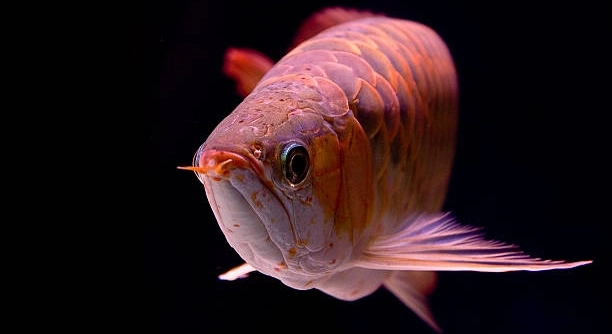
Have you ever struggled to keep your Arowana comfortable in its tank? Temperature plays a bigger role than many realize. Even small changes can stress your fish and affect its health over time.
The most common temperature mistakes with Arowanas include keeping water too cold or too warm, sudden fluctuations, using uncalibrated heaters, and neglecting monitoring tools. Avoiding these errors ensures stable conditions for proper growth, immunity, and overall well-being of the fish.
Knowing which mistakes to avoid can make caring for your Arowana much easier. Simple adjustments often prevent serious health problems and keep your fish thriving in its environment.
Keeping Water Too Cold
Arowanas are tropical fish and thrive in warmer water. Keeping the tank temperature too low can slow their metabolism, weaken their immune system, and make them more prone to illness. Many owners think cooler water is safer, but this can lead to lethargy, reduced appetite, and slower growth. Juvenile Arowanas are especially sensitive, and prolonged exposure to cold water can stunt their development. Even small temperature drops at night or during seasonal changes can affect them. Using a reliable heater and monitoring the tank consistently helps maintain the proper temperature range. Avoiding drafts, cold windows, and sudden water changes is equally important. Water below 75°F (24°C) can begin to stress most Arowanas. Regular testing with a thermometer ensures consistency, and investing in a backup heater prevents sudden drops during power outages. A stable environment promotes strong immunity, vibrant colors, and active behavior in your fish.
Maintaining proper warmth prevents slowed metabolism, poor growth, and susceptibility to disease, ensuring your Arowana stays active and healthy throughout its life.
Even minor cold spells can make Arowanas hide more often and refuse food. By understanding their preferred range, you can reduce stress and support natural behaviors like swimming actively and exploring the tank. Consistent warmth encourages better feeding, stronger bones, and overall vitality, making temperature management a top priority for anyone keeping these fish.
Avoiding Sudden Temperature Fluctuations
Rapid changes in tank temperature can shock your Arowana, causing immediate stress. Even if the water is within the acceptable range, a sudden rise or drop can trigger health issues, including weakened immunity and increased susceptibility to infections.
Temperature swings often happen during water changes, heater malfunctions, or seasonal shifts. Arowanas experience stress when their body cannot adjust quickly, which may result in loss of appetite, erratic swimming, or hiding. Gradually adjusting water temperature during changes reduces shock. Installing a thermometer and monitoring daily helps you spot fluctuations early. Some owners use heaters with thermostats to maintain stability. Also, avoid adding large amounts of cold or hot water at once. Over time, consistent fluctuations can lead to chronic stress, making the fish vulnerable to bacterial or fungal infections. Properly managing gradual transitions in temperature keeps the Arowana active, promotes healthy growth, and supports long-term well-being. Creating a stable environment is simpler than it seems and provides immediate benefits for your fish’s behavior and color.
Ignoring Heater Calibration
An uncalibrated heater can misread the water temperature, causing the tank to be too hot or too cold. Relying solely on the device without verification risks stress and health problems for your Arowana.
Even high-quality heaters can drift over time, giving false readings. A heater showing 80°F might actually be 75°F, which is enough to slow metabolism and reduce appetite. Using a separate, reliable thermometer helps ensure accuracy. Regularly checking your equipment prevents unnoticed errors that could affect your fish daily. Some owners test heaters weekly and adjust settings as needed to maintain a steady environment. Calibration is especially important in larger tanks, where uneven heating can create hotspots or cooler zones. By monitoring carefully, you can maintain stable conditions that support activity, growth, and immunity. Consistency is key, and a small effort checking your heater prevents big problems.
Proper calibration ensures your Arowana experiences consistent temperatures. Even small deviations can stress the fish, affect feeding patterns, and make them more susceptible to illness. Regular checks provide peace of mind and support healthy behavior and color in the tank.
Skipping Temperature Monitoring
Not checking tank temperature regularly leaves room for unnoticed problems. Fluctuations or device malfunctions can go unseen, putting your Arowana at risk.
Daily or frequent monitoring allows you to catch changes before they harm your fish. A simple thermometer helps identify drops, rises, or uneven spots. Many owners place thermometers at different areas of the tank to ensure consistency. Relying on memory or visual cues is unreliable; fish behavior alone may not indicate a problem until it’s severe. Logging readings over time shows trends and alerts you to slow heater drift or seasonal variations. Automated alarms or smart devices can provide extra security. Monitoring also helps during maintenance, water changes, or when adjusting heaters. Over time, consistent checks build confidence that your tank remains stable and your Arowana stays healthy, active, and vibrant.
Overheating the Tank
Excessively warm water can stress Arowanas, making them restless and reducing appetite. Temperatures above 86°F (30°C) can cause fatigue, weaken immunity, and increase vulnerability to disease.
Overheating often happens in tanks placed near sunlight or heaters left unchecked. Fans, proper insulation, and careful monitoring help maintain safe conditions and keep your fish healthy.
Using Inconsistent Heating Devices
Heaters with uneven performance create hot and cold spots. A single faulty device can cause temperature swings, stressing your Arowana and affecting behavior and growth.
Consistent, reliable equipment prevents fluctuations. Using multiple calibrated heaters or adjustable thermostats spreads warmth evenly. Regular testing ensures all devices perform correctly, avoiding hidden temperature problems.
Rapid Water Changes
Changing large amounts of water at once can cause sudden temperature drops. Even if new water is preheated, slight differences can shock Arowanas and trigger stress responses.
Gradual water changes using smaller volumes and matching temperatures prevent sudden shifts. Consistency supports stable conditions, encourages feeding, and maintains overall fish health.
FAQ
How do I know the ideal temperature for my Arowana?
The preferred temperature range for most Arowanas is 78–86°F (25–30°C). Monitoring daily with a reliable thermometer ensures the water stays within this range. Small fluctuations are normal, but sudden shifts can stress your fish, affecting appetite and activity.
Can I use multiple heaters in a single tank?
Yes, using more than one heater helps maintain even temperatures, especially in large tanks. Place heaters at opposite ends for balanced heat distribution. Ensure both are calibrated and monitored, so neither overheats the tank or creates cold spots.
How often should I check the tank temperature?
Checking at least once a day is recommended, more often if weather conditions change or the tank is near windows. Frequent monitoring prevents unnoticed fluctuations and helps maintain stable, healthy conditions for your Arowana.
Is it okay if the water drops a few degrees at night?
Slight nighttime drops are usually fine, but rapid or large decreases can stress the fish. Keeping heaters on a consistent setting and avoiding drafts reduces temperature swings. Gradual changes are better than sudden drops.
What are the signs my Arowana is too cold or too hot?
Cold water can make Arowanas sluggish, hiding more, or refusing food. Overheated tanks cause restlessness, heavy breathing near the surface, and sometimes pale colors. Observing behavior alongside thermometer readings helps detect problems early.
Should I adjust water temperature during water changes?
Yes, new water should match the tank’s temperature closely. Large differences during water changes can shock the fish, causing stress or illness. Using a thermometer and gradually adding water prevents sudden shifts.
Can Arowanas adapt to slightly lower or higher temperatures?
They have some tolerance, but prolonged exposure outside the ideal range weakens immunity and slows growth. Consistently maintaining recommended temperatures is the best way to avoid long-term health issues.
Are aquarium thermostats reliable for controlling temperature?
Modern thermostats are accurate, but they can fail or drift over time. Always cross-check with a separate thermometer and perform regular maintenance to ensure stable conditions. Backup heaters or alarms add extra security.
Does tank size affect temperature management?
Yes, larger tanks are harder to heat evenly. Cold or hot spots can form, stressing your fish. Multiple heaters, proper placement, and circulation help distribute heat evenly across the tank.
What happens if I ignore temperature mistakes?
Ignoring errors can lead to chronic stress, poor feeding, stunted growth, weakened immunity, and susceptibility to disease. Even small mistakes add up over time, making consistent temperature care essential for a healthy Arowana.
Can seasonal changes impact tank temperature?
Yes, room temperature changes affect the tank. During colder months, heaters may need adjustment, while summer heat may require fans or shading. Monitoring daily ensures the fish remains comfortable year-round.
Is it safe to leave heaters unattended for long periods?
Heaters can malfunction, so it’s risky to leave them unchecked for long periods. Regular inspection, calibration, and backup systems minimize the chance of dangerous temperature swings and keep your fish safe.
How can I prevent sudden temperature changes?
Avoid placing tanks near windows, doors, or heating vents. Gradually adjust water during changes, and maintain consistent heater settings. Slow, steady adjustments protect your Arowana from stress and promote healthy behavior.
Do I need different temperatures for juvenile and adult Arowanas?
Juveniles are slightly more sensitive to cold and stress. Maintaining the standard range is crucial, but be extra vigilant with young fish. Adults tolerate minor fluctuations better but still need consistent care for optimal health.
How do I recover my Arowana from temperature stress?
Gradually restore water to the ideal range, avoid sudden changes, and monitor behavior. Ensure proper feeding and maintain stable conditions. Recovery takes time, and consistent care supports immunity and normal activity.
Can I rely on visual behavior alone to check temperature?
Behavior gives clues, but it’s not enough. Fish may hide or eat less for reasons unrelated to temperature. A thermometer provides accurate, consistent measurements to prevent unnoticed problems.
Are automatic alerts helpful for tank temperature?
Yes, alarms or smart monitors notify you of sudden changes, preventing prolonged stress. They add peace of mind, especially during vacations or when using multiple heaters.
What is the best long-term strategy for temperature management?
Use a combination of calibrated heaters, daily thermometer checks, gradual water changes, and monitoring behavior. Consistency, redundancy, and vigilance are key to keeping your Arowana healthy and thriving.
Can temperature mistakes affect coloration?
Yes, unstable or inappropriate temperatures can dull an Arowana’s colors. Maintaining stable warmth encourages vibrant coloration, reflecting better overall health and reducing stress.
How important is it to act immediately when a mistake occurs?
Immediate correction minimizes stress and prevents complications. Gradual adjustments and monitoring help the fish recover safely while reducing long-term health risks.
What tools are recommended for temperature management?
Reliable thermometers, calibrated heaters, thermostats, fans, and optional smart alarms provide comprehensive control. Using multiple tools ensures accuracy and stability across the tank environment.
Are there any common misconceptions about Arowana temperature care?
Many assume small fluctuations are harmless or that heaters never fail. Even minor inconsistencies can accumulate, causing stress and health problems. Regular monitoring and careful management are essential for a thriving Arowana.
How can I make temperature management part of routine care?
Incorporate daily checks into feeding or maintenance routines. Log readings, adjust heaters as needed, and inspect equipment weekly. Consistent attention prevents mistakes from becoming serious issues.
Do all Arowana species have the same temperature needs?
Most tropical Arowanas share similar ranges, but some species may have slight variations. Research your specific type to ensure optimal conditions, as small differences can impact health and behavior.
Can temperature mistakes affect breeding success?
Yes, unstable or incorrect temperatures can prevent spawning or stress breeding pairs. Maintaining ideal conditions increases the likelihood of successful reproduction and healthy fry.
What’s the simplest way to avoid temperature mistakes?
Combine consistent monitoring, calibrated equipment, gradual adjustments, and awareness of seasonal changes. Vigilance and small efforts make a big difference in preventing stress and maintaining a healthy, thriving Arowana.
Maintaining the right temperature for your Arowana is one of the most important steps in keeping it healthy. Even small mistakes can cause stress, affect feeding, and slow growth. Many owners overlook how sensitive these fish are to temperature changes, assuming a heater alone is enough. In reality, careful monitoring and consistent management make a big difference. Using a reliable thermometer, checking readings daily, and making gradual adjustments during water changes all help create a stable environment. Stability in temperature not only improves your fish’s health but also encourages natural behavior, active swimming, and vibrant coloration, which makes your tank more enjoyable to watch.
Temperature mistakes can happen in many ways, from uncalibrated heaters and uneven heat distribution to sudden drops during water changes or seasonal fluctuations in room temperature. Each of these errors can impact your Arowana differently, but the common factor is stress. Stress weakens the immune system and can lead to illness, reduced appetite, and slower growth. By taking small, consistent actions, like using multiple heaters for larger tanks, placing thermometers at different spots, and avoiding direct sunlight or cold drafts, you reduce these risks. Even experienced owners sometimes underestimate the impact of temperature changes, but paying attention to details and maintaining a regular routine prevents most problems before they become serious.
Long-term care requires planning and patience. Your Arowana will respond positively to a stable environment, showing strong colors, active swimming, and a consistent appetite. Avoid rushing adjustments or ignoring small fluctuations, as they can add up over time. Using alarms or smart devices can give extra peace of mind, but hands-on monitoring remains essential. Remember that juvenile fish are more sensitive, so extra care is needed for younger Arowanas. By creating a consistent, controlled environment and addressing temperature issues promptly, you ensure your fish thrives, grows well, and stays healthy. Over time, maintaining proper temperature becomes a routine part of care that pays off with a stronger, more active, and visually stunning Arowana.

Hello,
If you enjoy the content that we create, please consider saying a "Thank You!" by leaving a tip.
Every little bit helps us continue crafting quality advice that supports the health, happiness, and well-being of pets around the world, for pets of all shapes, sizes, and species.
We really appreciate the kindness and support that you show us!