
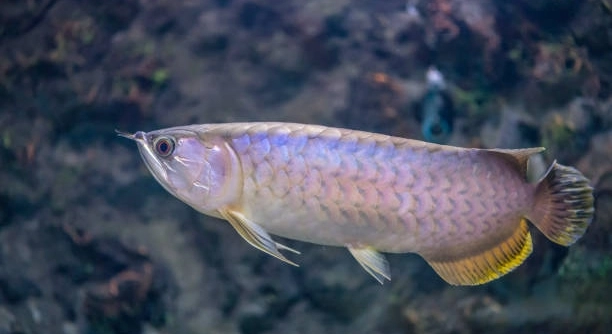
Keeping an arowana can be a rewarding experience, but many fish owners find themselves thinking about the best tank shape for their prized pet. The choice between tall or wide tanks often affects their comfort and swimming space.
Arowanas prefer tanks that are wider rather than taller. A wide tank allows them ample horizontal space to swim and exercise naturally. Taller tanks do not accommodate their long, sleek bodies efficiently and may restrict movement.
Choosing the right tank shape is important for the health and happiness of your arowana, influencing both behavior and long-term growth potential.
Why Tank Width Matters for Arowanas
Arowanas are active swimmers that cover long distances in their tanks every day. I’ve noticed that in taller tanks, they often bump into the glass or seem hesitant to explore fully. Wide tanks give them more room to move horizontally, which feels more natural for their body structure. Unlike some other fish, arowanas need uninterrupted swimming space to maintain their muscle tone and reduce stress. Providing decorations or hiding spots is fine, but too many obstacles in a narrow tank can limit movement. Over time, a restricted environment may affect their growth and overall behavior. When I first upgraded my tank to a wider design, the difference in how my arowana moved was obvious. They explored more, swam confidently, and seemed more comfortable. A wide tank also makes feeding easier because there’s more surface area, which helps prevent territorial disputes if multiple fish share the space. Width creates freedom that arowanas truly need.
Tank width directly affects swimming comfort and stress levels for arowanas. Wider tanks are always better than tall, narrow setups.
Choosing a wider tank also impacts water circulation and filtration. Long, horizontal tanks allow the filter to distribute water more evenly, reducing dead spots and maintaining consistent oxygen levels. Arowanas produce a lot of waste due to their size and appetite, so having a tank with good water movement helps keep the environment cleaner. Wide tanks also make it easier to place accessories like driftwood or plants without overcrowding, giving the fish space to glide past. Lighting reaches the fish more uniformly in a wide tank, which can influence behavior and feeding patterns. I’ve learned that when the tank is too tall, arowanas tend to swim in tight circles near the surface, avoiding the bottom. They also appear more stressed when water currents are uneven. Ultimately, width creates a balanced environment where the fish can thrive, stay healthy, and display natural swimming habits, which is exactly what every arowana needs.
Height Considerations for Arowanas
Tall tanks are not ideal for arowanas. Their long bodies are designed for horizontal movement, making height less relevant.
While height may seem important, it only benefits certain species that swim vertically or hide among plants. For arowanas, a tall tank can feel confining because it reduces the distance they can travel side to side. I’ve observed that in tall, narrow tanks, my fish would linger near the surface, rarely exploring the lower areas. They seem cautious and less active. This behavior can affect feeding and exercise, leading to slower growth or lethargy. Some owners invest in very tall tanks thinking it will impress visually, but this often compromises the fish’s well-being. If your space is limited vertically, prioritize creating a wider tank rather than a taller one. The ideal setup allows arowanas to swim comfortably along the length of the tank while maintaining stable water conditions and sufficient surface area. This approach ensures that the fish remain healthy, active, and display their natural elegance.
Tank Dimensions and Arowana Growth
Tank size directly impacts how an arowana grows. Small tanks can stunt growth, while wide, spacious tanks allow their bodies to develop naturally. I’ve noticed that when I upgraded to a larger tank, my arowana’s movements became more confident, and growth seemed steady.
Arowanas need tanks that support their full length and swimming habits. Narrow tanks may cause stress and limited exercise, affecting muscle tone and overall health. A tank with sufficient width allows them to swim freely, explore their environment, and maintain proper posture. Even small differences in tank length can influence behavior and growth rates. Observing my fish in a cramped tank, I could see signs of unease and sluggishness. Once moved to a larger setup, they started swimming actively and more naturally. This shows how critical dimensions are for both comfort and physical development.
Providing a wide tank also helps maintain water quality. Longer tanks support better filtration and circulation, reducing ammonia buildup. Arowanas produce significant waste, so having room for effective cleaning systems prevents health problems. I also realized that wide tanks allow me to arrange decorations without restricting swimming paths. Driftwood, plants, and rocks can be placed along the sides, leaving a clear central area for swimming. The fish seem less stressed and more exploratory in this setup. Overall, tank dimensions play a vital role in supporting growth, health, and the natural behavior of arowanas, which is essential for long-term care.
Choosing Between Tall or Wide Tanks
Wide tanks provide space for horizontal swimming and reduce stress, which is more beneficial than adding vertical height. Taller tanks do not support the natural movement of arowanas effectively.
Tall tanks often limit horizontal swimming, making arowanas less active and more cautious. Wide tanks allow them to swim the length of the tank, maintaining exercise routines and natural behavior. I noticed that in taller tanks, my arowana avoided the bottom, sticking near the surface, which seemed like stress. In contrast, a wide tank let them explore fully, swim actively, and interact with decorations comfortably. Proper tank width ensures healthy movement, better feeding behavior, and overall well-being, which tall tanks fail to provide consistently.
Optimal Tank Shape
Arowanas thrive in tanks that are long and wide rather than tall. I’ve seen my fish become more active and confident once given enough horizontal space to move freely.
Narrow or overly tall tanks often restrict movement and cause stress. Wide tanks support natural swimming patterns and allow arowanas to maintain proper posture.
Swimming Behavior and Space
Arowanas are surface swimmers that need clear paths to glide. In a wide tank, they can move without hesitation, explore corners, and interact with decorations safely. Tall tanks force them to swim in tight patterns, which limits exercise and affects overall behavior, often making them appear more cautious.
Tank Placement Tips
Place the tank where it won’t be bumped or exposed to constant activity. A stable environment reduces stress and keeps arowanas comfortable and healthy.
FAQ
What size tank is best for an arowana?
The best tank for an arowana depends on its size and age, but generally, a minimum of 250 gallons is recommended for a fully grown fish. I started with a smaller tank when my arowana was young, but as it grew, it became clear that more horizontal space was essential. Wide tanks allow them to swim freely, reducing stress and supporting muscle development. Avoid tall, narrow tanks, which can make the fish feel confined. A long, wide tank also makes feeding easier and gives room for decorations without interfering with movement.
Can arowanas live in tall tanks?
Arowanas can survive in tall tanks, but their behavior may be affected. I noticed that in a tall setup, my fish often stayed near the surface, rarely exploring the lower levels. Tall tanks do not support the horizontal swimming arowanas naturally prefer. This can lead to reduced exercise and slower growth over time. While they might survive, their comfort and health are better supported in a tank with more width.
How many arowanas can I keep in one tank?
Keeping multiple arowanas in a single tank is possible if the tank is very large and wide. I learned that territorial behavior can be strong, so having enough horizontal space is key to reducing fights. Overcrowding in narrow tanks can stress fish, trigger aggression, and affect health. Generally, one arowana per 250 gallons works well, but spacing and hiding areas help if you plan for more than one.
Do decorations affect arowana swimming?
Decorations are fine if they don’t block swimming paths. I’ve used driftwood and large rocks along the tank edges, leaving plenty of central space for my arowana to glide. Avoid overcrowding, especially in narrow tanks. The fish needs room to exercise and maintain its natural behavior. Properly placed decorations can also reduce stress by offering visual boundaries without restricting movement.
Is tank height or width more important?
Width is more important than height for arowanas. I observed that arowanas in wide tanks swim more naturally and actively, while tall tanks make them hesitant to explore. Height does not compensate for limited horizontal space. Wide tanks improve overall health, allow proper feeding behavior, and support normal exercise. Height is only secondary, useful for ensuring water volume, but width drives comfort and natural swimming.
How does tank size affect water quality?
Larger tanks are easier to manage in terms of water quality because they dilute waste and maintain stable conditions. I realized that moving my arowana to a wide tank made filtration more effective, reducing ammonia spikes. Small or narrow tanks can become polluted quickly, stressing the fish. Proper water circulation is essential, and wide tanks improve flow, making maintenance simpler and keeping the fish healthier over time.
Can arowanas jump out of the tank?
Yes, arowanas can jump, especially in tanks without secure covers. I’ve learned to use a tight-fitting lid to prevent accidents. Wide tanks do not stop jumping, but they reduce stress that sometimes triggers it. A secure, well-covered tank is crucial for safety, particularly since arowanas are large and powerful swimmers.
How often should I upgrade the tank?
Upgrading depends on the fish’s growth. I first upgraded when my arowana outgrew its smaller tank, then again as it approached full size. A good rule is to ensure the tank always offers at least double the length of the fish and enough width for swimming. Regularly assess movement, stress levels, and size to decide when an upgrade is needed. Staying ahead ensures comfort and healthy development.
What filtration is needed for a wide arowana tank?
Strong filtration is essential because arowanas produce a lot of waste. I use a canister filter capable of handling the full volume of the tank, along with water circulation pumps to prevent stagnant areas. Wide tanks benefit from multiple points of filtration to ensure even water quality. Routine cleaning and monitoring water parameters are key to keeping arowanas healthy.
Are wide tanks harder to maintain?
Wide tanks can be slightly more challenging initially because they require more water and space, but the benefits outweigh the effort. I found that once set up, maintenance is easier because water parameters are more stable, and my arowana is healthier and more active. Planning the layout and filtration carefully makes a wide tank manageable while supporting the fish’s natural behavior.
Final Thoughts
Choosing the right tank for an arowana is one of the most important steps in ensuring the fish’s health and comfort. I’ve spent years observing how my own arowana behaves in different setups, and the difference between wide and tall tanks is clear. Wide tanks allow them to swim naturally, explore their environment, and maintain proper posture. When the tank is too narrow or overly tall, arowanas may appear stressed, stay near the surface, or avoid moving freely. Over time, this can affect their growth and overall well-being. By prioritizing width, fish owners give arowanas the freedom to exercise and stay active, which is crucial for large, muscular fish that are built to glide through open water.
Tank size is closely linked to water quality and maintenance. I’ve noticed that wide tanks allow for better water circulation, making filtration more effective and keeping waste from accumulating in corners. In smaller or narrow tanks, ammonia levels can rise quickly, which stresses the fish and increases the risk of illness. With a wide tank, it’s easier to arrange decorations without blocking swimming paths, which helps the fish feel secure while moving naturally. The right tank dimensions not only support exercise and comfort but also make caring for the fish simpler. Feeding is easier, cleaning is more effective, and the fish’s behavior can be observed clearly. From my experience, giving the fish more horizontal space makes all aspects of care more manageable and ensures a healthier environment overall.
Upgrading to a wide tank may require more space and planning, but the benefits are worth it. I’ve seen how arowanas respond when they have enough room to move: they become more active, confident, and alert. Wide tanks help reduce stress, encourage exploration, and allow for better long-term growth. Even small improvements in tank width can make a noticeable difference in swimming patterns and overall behavior. For anyone keeping an arowana, it’s important to focus on providing horizontal space, secure placement, and strong filtration. These factors together create an environment that supports the fish’s natural instincts and overall well-being. Arowanas are impressive, elegant creatures, and giving them the proper tank setup ensures they thrive, not just survive. Over time, I’ve learned that tank choice is more than just aesthetics—it directly influences health, behavior, and happiness.

Hello,
If you enjoy the content that we create, please consider saying a "Thank You!" by leaving a tip.
Every little bit helps us continue crafting quality advice that supports the health, happiness, and well-being of pets around the world, for pets of all shapes, sizes, and species.
We really appreciate the kindness and support that you show us!