
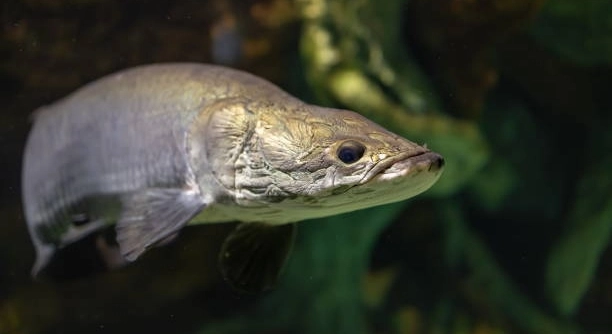
Have you ever noticed your arowana spending most of its time hiding in dark corners of the tank? It can feel worrying when such a beautiful fish seems withdrawn or unusually quiet for long periods.
Arowanas often stay in dark corners due to stress, poor water quality, or improper tank conditions. Low oxygen, strong currents, or sudden changes in the environment can cause them to seek calmer, safer areas in their habitat.
Understanding why your arowana prefers hiding spots can improve its well-being. Small adjustments in care and environment often make a noticeable difference in its behavior and comfort.
Tank Environment and Lighting
Arowanas are sensitive to their surroundings, and tank setup plays a huge role in their comfort. Bright lights or constant exposure can make them retreat to darker corners where they feel secure. Overcrowded tanks can also stress them, causing them to avoid the center of the aquarium. Providing enough hiding spaces like driftwood or large plants can help them feel safer. The water flow matters too; strong currents can make swimming tiring, so they often stay in calmer areas. Temperature and water chemistry are equally important, as arowanas are prone to stress if the water fluctuates or contains high ammonia or nitrate levels. Keeping the tank consistent and stable gives your arowana confidence to explore and reduces their need to hide in corners. Regular maintenance and thoughtful decoration choices can significantly improve your fish’s comfort and activity.
Arowanas prefer low-stress environments with stable lighting, moderate water flow, and secure hiding spots. These adjustments encourage them to swim more freely.
Watching your arowana slowly move from corner to corner can feel reassuring. Observing how small changes in lighting, tank décor, or water flow affect its behavior shows how responsive these fish are to their environment. Simple improvements often lead to calmer, more active fish, making tank care more rewarding.
Diet and Feeding Habits
Arowanas’ diet affects their energy levels and behavior. Feeding too little or too much can make them lethargic and encourage hiding.
Providing a balanced diet that includes high-quality pellets, live foods, or frozen options ensures your fish gets proper nutrition. Overfeeding can pollute the water, which in turn increases stress. Feeding at consistent times helps them feel secure and can reduce hiding behavior. Watching how they respond to different foods can give insight into their preferences and overall health. Rotating protein sources and including occasional treats like insects or shrimp can stimulate their activity. Additionally, spacing feeding areas in different parts of the tank can encourage them to explore instead of staying in corners. Consistent observation, combined with careful diet management, keeps arowanas healthier and more confident, reducing stress-induced hiding.
Stress and Health Issues
Stress is a common reason arowanas hide in dark corners. Changes in water quality, temperature, or tankmates can quickly make them feel unsafe and withdrawn.
Arowanas are prone to stress from sudden changes in their environment. Even small fluctuations in temperature or pH can make them seek shelter. Illnesses like infections, parasites, or injuries also cause them to isolate themselves. Signs of stress include clamped fins, lack of appetite, and erratic swimming. Regular monitoring of water parameters and observing your fish’s behavior helps detect problems early. Stress can weaken their immune system, making them more susceptible to disease, so maintaining a calm environment is essential.
Sometimes the hiding behavior is linked to long-term discomfort or health issues. If an arowana consistently avoids open areas despite stable tank conditions, a closer look at diet, water quality, and potential illnesses is needed. A proactive approach can prevent more serious complications and restore their confidence to explore the tank.
Tank Size and Space
Arowanas need ample space to swim comfortably. Small or overcrowded tanks often make them retreat to corners where they feel less exposed.
Providing a tank that matches your arowana’s size is crucial. These fish grow large and require plenty of horizontal space to move. Limited swimming room can lead to stress, poor health, and stunted growth. Overcrowding with other fish can create territorial disputes, forcing them into hiding spots. Arranging the tank to include open swimming areas while keeping some shaded regions balances activity and security. Observing how your arowana navigates the space can indicate whether adjustments are necessary. Adequate space encourages natural behavior and reduces anxiety.
When setting up a tank, consider both the adult size of your arowana and its swimming needs. A long, wide tank with stable water conditions provides comfort and freedom. Incorporating gentle water flow, proper filtration, and strategically placed décor supports both physical health and psychological well-being. By prioritizing space and layout, your arowana is more likely to explore the tank confidently rather than hiding constantly.
Lighting and Hiding Spots
Too much light can make arowanas feel exposed, pushing them toward shaded areas or dark corners. Adjusting brightness and adding natural hiding spots helps them feel secure.
Providing areas with moderate shade allows your arowana to rest without feeling threatened. Plants, driftwood, or rock formations create safe zones while keeping the tank visually open.
Water Quality and Filtration
Maintaining clean water is essential for arowana health. Poor water quality can stress them, leading to hiding and reduced activity. Regular testing for ammonia, nitrite, and nitrate ensures safe conditions. Proper filtration keeps water clear, prevents toxins from building up, and supports overall health.
Temperature Stability
Arowanas are sensitive to temperature changes. Sudden drops or spikes can make them seek shelter in darker corners of the tank to avoid stress. Maintaining a steady temperature within their ideal range promotes comfort and encourages more active swimming.
FAQ
Why does my arowana hide even when the tank seems fine?
Even in a seemingly perfect tank, small stressors can make arowanas retreat to corners. Minor changes in water temperature, light intensity, or tank noise can trigger hiding. They are naturally cautious fish and often prefer dark, secure areas to feel safe.
Can arowanas get used to bright lights?
Yes, gradual exposure helps. Slowly increasing light intensity over several days allows them to adjust without stress. Including shaded areas gives them a choice, which reduces anxiety and encourages them to explore rather than staying hidden.
Does tank size affect hiding behavior?
Absolutely. Arowanas need wide, spacious tanks for comfortable swimming. Small tanks or overcrowded spaces increase stress and territorial behavior, causing them to retreat to corners. Ensuring ample horizontal space promotes activity and reduces constant hiding.
Could diet influence my arowana’s hiding habits?
Yes, diet impacts energy levels and overall behavior. Poor nutrition or overfeeding can cause lethargy, leading to frequent hiding. A balanced diet with high-quality pellets, live foods, and occasional treats encourages activity and reduces stress.
Is water quality a common reason for hiding?
Definitely. Arowanas are sensitive to ammonia, nitrites, and nitrates. Even slight imbalances make them retreat to safer areas. Regular water testing, partial water changes, and proper filtration keep them healthy and more willing to explore the tank.
Can tankmates cause stress?
Yes. Aggressive or overly active fish can intimidate arowanas, pushing them into corners. Choosing compatible species and providing enough space and hiding spots can reduce conflict and help your arowana feel more secure.
Do arowanas hide when they are sick?
Often. Illness, parasites, or injuries cause withdrawal. Signs include clamped fins, loss of appetite, or unusual swimming patterns. Observing behavior alongside water parameters and diet helps detect problems early, ensuring timely care.
How can I encourage my arowana to come out?
Provide a calm, stable environment with gentle lighting, secure hiding spots, and consistent water quality. Gradually interacting through feeding routines or changing tank décor can increase confidence and reduce hiding.
Is hiding behavior normal?
Yes, to an extent. Arowanas naturally seek shelter in certain conditions. Persistent hiding, however, signals stress, poor tank setup, or health concerns. Monitoring behavior and making small environmental adjustments often improves activity and comfort.
Does temperature affect hiding?
Absolutely. Arowanas prefer stable temperatures within a specific range. Sudden drops or spikes make them seek darker, safer corners. Using heaters, thermometers, and consistent monitoring keeps the water within a comfortable range, promoting more normal behavior.
Can decorations impact hiding?
Yes. Overcrowded or sharp decorations can make arowanas feel trapped or threatened. Providing open swimming areas with selective shaded regions balances comfort and freedom, reducing excessive hiding.
How long does it take for an arowana to feel safe?
It varies depending on the fish and tank conditions. With consistent care, proper diet, stable water, and gentle lighting, many arowanas begin exploring openly within a few days to weeks. Patience and observation are key to helping them adjust.
Are there signs my arowana is adapting?
Yes. Increased swimming in the open, active feeding, and exploration of new areas indicate comfort. Reduced time in dark corners and interaction with the environment show the fish is adjusting positively.
Can stress from handling make hiding worse?
Yes. Frequent netting or sudden disturbances can heighten anxiety, causing your arowana to hide more. Minimizing handling and maintaining a calm environment encourages trust and reduces stress-induced retreating.
Do arowanas prefer any specific corner?
Not always, but many select spots with less light or gentle current. Observing patterns can help you adjust décor or lighting to make other areas inviting, encouraging more movement throughout the tank.
Will hiding affect growth?
If prolonged, yes. Stress, poor diet, and lack of exercise from constant hiding can impact growth and overall health. Ensuring optimal tank conditions and nutrition supports proper development.
Are younger arowanas more prone to hiding?
Yes. Juveniles are often more cautious and sensitive to changes. Providing safe corners, gentle lighting, and stable water conditions helps them feel secure as they grow.
Can noise or vibrations cause hiding?
Absolutely. Arowanas respond to sudden sounds or tank vibrations. Minimizing external disturbances, using quiet pumps, and placing the tank in a calm area reduces stress and encourages them to swim more openly.
How often should I monitor my arowana?
Daily observation is recommended. Watching swimming patterns, feeding behavior, and interaction with tankmates helps detect stress, illness, or environmental issues early, preventing long-term hiding and ensuring a healthy, active fish.
Do hiding spots need to change over time?
Sometimes. As arowanas grow, they may require larger or different spaces. Adjusting decorations, plants, or shelters can keep them comfortable while promoting exploration and preventing constant retreat.
Can multiple small hiding areas be better than one large one?
Yes. Offering several options gives your arowana choice, reduces territorial stress, and encourages movement throughout the tank rather than confining them to a single corner.
Will adding more fish help reduce hiding?
Not necessarily. New tankmates can either increase stress or encourage activity, depending on compatibility. Always research species behavior and tank dynamics before introducing new fish to avoid exacerbating hiding behavior.
Does hiding indicate happiness?
Not usually. While occasional hiding is normal, persistent retreat often signals stress, discomfort, or environmental issues. Active swimming, regular feeding, and interaction with surroundings better indicate arowana well-being.
How long can an arowana safely stay in a corner?
Short periods are fine, but prolonged hiding can lead to stress, weakened immunity, and poor growth. Consistent care, proper tank setup, and observation are crucial to prevent negative impacts.
Can feeding in corners encourage exploration?
Yes. Placing food in different areas gradually encourages your arowana to leave its usual hiding spot, promoting exercise and confidence within the tank environment.
Are some arowanas naturally shy?
Yes. Individual temperament plays a role. Some remain cautious even in ideal conditions. Understanding your fish’s personality helps tailor tank setup and care for reduced stress and more activity.
Does water current influence hiding?
Yes. Strong currents can tire or stress arowanas, making calmer corners more appealing. Adjusting pumps and flow direction allows them to swim comfortably without retreating constantly.
Can changing tank location affect hiding?
Yes. Moving a tank or changing surroundings can increase anxiety, leading to hiding. Gradual adjustments and consistent environmental cues help them adapt more easily.
How can I reduce stress in arowanas?
Stable water, proper diet, adequate space, gentle lighting, compatible tankmates, and minimal handling all contribute. Observing behavior and making small adjustments fosters a calmer, more confident fish.
Do arowanas prefer soft or hard substrates?
Soft substrates reduce impact if they bump against the bottom, while hard substrates are easier to clean. Substrate choice should balance safety and tank maintenance without causing stress.
Are sudden tank cleanings stressful?
Yes. Drastic changes can make them hide more. Partial water changes, gradual cleaning, and minimizing disturbances reduce stress and maintain normal activity levels.
Can arowanas recognize owners?
To some extent. They may associate feeding routines with people and show interest. Gentle, consistent interaction can build trust, encouraging them to explore more rather than hiding constantly.
Does tank shape affect hiding?
Yes. Long, wide tanks encourage swimming, while tall or narrow tanks can limit movement and increase hiding. Choosing a shape that allows horizontal space supports natural behavior and reduces retreating.
Can hiding indicate social hierarchy?
Yes. In tanks with multiple fish, shy or subordinate individuals may retreat to corners to avoid conflict, while dominant fish occupy central areas. Observing interactions helps manage tank dynamics.
How do I know if hiding is serious?
Persistent hiding, loss of appetite, clamped fins, unusual swimming, or visible illness signals serious stress or health issues. Prompt evaluation of water, diet, and environment is needed to prevent worsening conditions.
Is hiding always negative?
Not always. Short periods of hiding can be normal rest or adjustment behavior. Persistent or extreme retreat usually signals stress, poor tank conditions, or health concerns that need attention.
Can enrichment reduce hiding?
Yes. Adding floating plants, hiding spots, and changing décor encourages exploration and activity. Enrichment reduces stress and promotes a more dynamic, healthier tank environment for your arowana.
Does temperature fluctuation cause temporary hiding?
Yes. Even minor fluctuations can trigger temporary retreat. Keeping heaters stable and monitoring water temperature ensures comfort and reduces hiding behavior.
Can sudden lights at night disturb arowana?
Yes. Abrupt light changes can startle them, causing retreat. Using dim lighting or gradual transitions minimizes stress and promotes normal activity.
Do arowanas need visual barriers to feel safe?
Often. Partial barriers like plants or driftwood allow them to see the tank without feeling exposed. These areas help reduce stress and encourage more confident movement.
Is hiding more common in new tanks?
Yes. New environments are unfamiliar, so arowanas may retreat frequently. Over time, as they adjust to conditions, they usually become more active and explore open areas.
Can tank vibrations from pumps cause hiding?
Yes. Strong or uneven vibrations can stress them. Ensuring pumps are stable and gentle reduces hiding tendencies and encourages natural swimming behavior.
Are nighttime hiding habits normal?
Yes. Arowanas often seek darker corners at night for rest. Nighttime hiding is generally not a concern unless combined with daytime withdrawal or other stress signs.
Does hiding increase with age?
Sometimes. Older arowanas may prefer calm, shaded areas more, especially if they have experienced stress or injury. Observing individual behavior helps balance care and comfort.
Can water movement encourage exploration?
Yes. Gentle currents simulate natural conditions and motivate swimming. Proper flow management reduces reliance on corners while maintaining comfort and security.
Is hiding linked to breeding behavior?
Occasionally. During breeding or pre-spawning periods, arowanas may seek secluded spots for safety. This behavior is temporary and generally resolves once conditions stabilize.
How can I tell if my arowana is adapting?
Signs include more frequent open swimming, active feeding, exploring new areas, and reduced time in dark corners. Patience and gradual adjustments support this positive behavior change.
Do arowanas need a routine to feel secure?
Yes. Consistent feeding times, regular maintenance, and stable lighting create predictability. Routines reduce stress and encourage them to spend less time hiding.
Can water temperature drops at night cause hiding?
Yes. Even small nighttime drops can make them retreat to warmer, shaded areas. Maintaining stable temperatures around the clock helps reduce corner-seeking behavior.
Does tank depth influence hiding?
Yes. Deep tanks may make them feel confined, while shallower tanks with horizontal space allow more comfortable swimming and reduce the need to hide.
Are sudden noises from outside the room stressful?
Yes. Loud or abrupt sounds can startle arowanas, prompting retreat. Keeping the tank in a quiet location minimizes stress and encourages normal activity.
Do arowanas hide more when molting or shedding?
Not exactly, but during periods of growth or minor scale injuries, they may seek shelter to protect themselves. Providing calm, safe areas supports recovery and comfort.
Is constant hiding a sign of poor tank setup?
Often. Consistent retreat usually indicates issues with space, lighting, water quality, or décor. Adjusting these factors improves comfort and encourages exploration.
Can hiding behavior ever be permanent?
If stress, illness, or unsuitable conditions persist, hiding may become habitual. Correcting environmental factors and health issues is essential to restore normal behavior.
Does hiding affect feeding habits?
Yes. Fish that hide frequently may eat less or miss meals. Placing food near preferred hiding spots can encourage feeding and maintain nutrition.
Are certain arowana species more prone to hiding?
Yes. Some species are naturally more cautious and sensitive to environmental changes. Understanding species-specific behavior helps tailor tank care and reduce stress.
How can I make the tank less intimidating?
Reduce bright lights, provide shaded areas, maintain stable water, avoid overcrowding, and add gentle décor. These steps create a more comfortable environment and reduce hiding.
Does hiding increase during water changes?
Yes. Sudden water changes or disturbances can trigger retreat. Performing partial, gradual changes minimizes stress and maintains consistent behavior.
Can observing other fish reduce hiding?
Sometimes. Watching compatible species move confidently can encourage exploration, but aggressive or dominant fish may increase hiding. Careful selection of tankmates is key.
Is hiding linked to nighttime lighting?
Yes. Bright or abrupt lights at night can startle arowanas. Soft, gradual lighting helps them rest without feeling threatened.
Do arowanas hide more when sick with parasites?
Yes. Parasite infections often cause discomfort and stress, prompting them to seek secluded areas. Early detection and treatment improve recovery and reduce hiding.
How often should I adjust hiding spots?
Occasionally, as the fish grows or becomes more confident. Small changes keep the environment stimulating and encourage movement throughout the tank.
Can arowanas recognize safe areas in the tank?
Yes. They learn which spots provide security, comfort, and calm water. Observing these preferences helps in arranging decorations to support healthy behavior.
Do arowanas hide more in smaller tanks with tall water?
Yes. Vertical confinement limits horizontal movement, making them seek corners. Wider, spacious tanks allow natural swimming and reduce stress-induced hiding.
Are sudden changes in feeding location stressful?
Yes. Abruptly changing where food is offered can confuse or stress them. Gradually varying feeding spots encourages exploration without inducing fear.
Can water clarity affect hiding?
Yes. Murky or dirty water makes them feel vulnerable. Clear, well-filtered water supports confidence and reduces corner-seeking behavior.
Do arowanas hide more after transport?
Yes. Moving tanks or transporting them stresses them significantly. Providing quiet, familiar environments post-transport helps them adjust and resume normal activity.
Does hiding affect interaction with owners?
Yes. Frequent hiding reduces visual contact and responsiveness. Consistent routines, gentle interaction, and patience improve trust and visibility.
Can adding plants reduce hiding?
Yes. Plants provide shade, security, and gentle barriers. They encourage exploration and make the tank feel safer without restricting movement.
Do arowanas hide more during illness recovery?
Yes. Hiding helps them conserve energy and feel secure while healing. Supporting water quality, diet, and calm conditions aids recovery.
Is hiding linked to social stress in community tanks?
Yes. Aggression or dominance from other fish causes retreat. Proper spacing, hiding spots, and compatible species reduce stress and hiding.
Can hiding reduce aggression?
Yes. By retreating to safe areas, arowanas avoid confrontations, lowering stress and potential injury in the tank.
Do juveniles hide more than adults?
Yes. Younger fish are more cautious and sensitive. Safe spaces, gentle lighting, and stable conditions help them adapt and feel secure.
Can overfeeding encourage hiding?
Yes. Excess food can foul water and stress the fish, prompting them to seek corners. Balanced feeding supports activity and reduces withdrawal.
Does tank décor influence hiding patterns?
Absolutely. Overcrowded or sharp décor increases stress, while well-placed hiding spots and open swimming areas balance comfort and freedom.
Are shy personalities permanent?
Not always. With stable care and proper environment, even naturally shy arowanas can become more confident and explore open areas.
Do water vibrations affect hiding?
Yes. Strong or irregular vibrations stress arowanas, leading to retreat. Smooth filtration and pump adjustments reduce hiding tendencies.
Can hiding indicate hunger?
Sometimes. If food is offered in open areas and ignored, hiding may coincide with caution or stress rather than lack of appetite. Adjusting feeding locations helps.
Does hiding vary by time of day?
Yes. Many arowanas are more active during daylight and retreat at night. Observing patterns helps optimize lighting and feeding schedules.
Is hiding behavior linked to reproduction?
Occasionally. Pre-spawning or breeding periods can prompt temporary retreat to secluded areas for security. Behavior usually normalizes afterward.
Can consistent care reduce hiding?
Yes. Stable water, proper diet, tank setup, and gentle interaction foster confidence, reducing prolonged hiding.
Does hiding affect tank cleanliness?
Indirectly. Less active fish may stir up debris less, but hiding in corners can lead to localized waste accumulation, emphasizing the need for regular cleaning.
Are some arowanas more territorial?
Yes. Territorial fish may claim corners or shaded areas, influencing hiding patterns of other tankmates.
Does hiding indicate temperature discomfort?
Yes. Retreating to calmer, shaded areas often signals too cold, too warm, or fluctuating water temperatures.
Can hiding signal early illness?
Yes. Sudden or persistent hiding is often one of the first indicators of health problems, prompting closer observation and intervention.
Do decorations need to be rearranged regularly?
Occasionally. Small changes stimulate exploration, encourage activity, and prevent habitual hiding in a single spot.
Does hiding impact exercise?
Yes. Limited movement can reduce swimming activity, which may affect growth, muscle development, and overall health.
Can hiding indicate water flow issues?
Yes. Too strong or uneven currents can push arowanas into calmer corners. Adjusting flow promotes comfort and reduces hiding.
Do arowanas hide more when new to a tank?
Yes. Unfamiliar environments increase caution. Gradual acclimation and secure hiding spots support adaptation and confidence.
Are there ways to track hiding behavior?
Yes. Monitoring time spent in corners, swimming activity, and response to stimuli helps identify stressors and track improvement over time.
Does hiding reduce social interaction?
Yes. Fish that hide frequently interact less with tankmates, affecting social behavior and hierarchy.
Can changing tank lighting gradually reduce hiding?
Yes. Slowly adjusting brightness allows them to explore without feeling threatened, encouraging more open swimming.
Does hiding behavior differ between individual fish?
Yes. Personality, past experiences, and temperament influence how much and where they hide in the tank.
Can hiding affect appetite?
Yes. Persistent retreat may reduce feeding opportunities. Offering food near preferred hiding spots ensures nutrition while maintaining comfort.
Do sudden environmental changes trigger hiding?
Yes. Rapid temperature shifts, new tankmates, or relocation often prompt retreat until the arowana adjusts.
Are all hiding behaviors linked to stress?
No. Some hiding is normal rest
Arowanas are beautiful and fascinating fish, but their behavior can sometimes be puzzling. One common habit many owners notice is their tendency to stay in dark corners of the tank. While this can feel worrying, it is often a normal response to their environment or temporary stress. Arowanas are naturally cautious and use hiding spots to feel safe, especially when something in their surroundings feels uncertain or unfamiliar. Understanding this behavior is the first step in making adjustments that help them feel secure and more comfortable in the aquarium.
The key factors influencing hiding behavior usually relate to tank conditions, water quality, and overall health. Bright lights, strong currents, or limited space can push them toward shaded areas. Unstable water conditions, such as fluctuations in temperature or poor filtration, also contribute to stress. In addition, diet and feeding schedules can affect energy levels and willingness to explore. Observing their behavior closely and making small adjustments often produces noticeable results. Simple changes, like adding driftwood, plants, or calm swimming areas, can create a more comfortable environment and encourage your arowana to spend more time exploring rather than staying hidden.
Patience is important when addressing hiding behavior. Every arowana has a unique personality, and some are naturally more cautious than others. By consistently monitoring water parameters, maintaining proper tank size, providing a balanced diet, and creating secure hiding spaces, you can reduce stress and support their well-being. Over time, your arowana is likely to become more confident and active, showing more natural behavior in the tank. Understanding and responding to these needs helps ensure a healthier, happier fish and allows you to enjoy their beauty and presence more fully.

Hello,
If you enjoy the content that we create, please consider saying a "Thank You!" by leaving a tip.
Every little bit helps us continue crafting quality advice that supports the health, happiness, and well-being of pets around the world, for pets of all shapes, sizes, and species.
We really appreciate the kindness and support that you show us!