
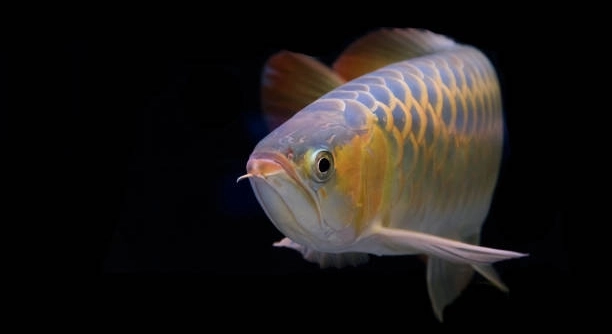
Arowanas are stunning fish that require careful attention, especially when they are not feeling well. Their health can change quickly, and understanding the best way to care for them during illness is important for every owner.
The most effective approach to handling an arowana during illness involves isolating the fish in a clean, temperature-controlled quarantine tank, monitoring water quality closely, and providing a balanced diet while avoiding unnecessary stress to support recovery.
Proper care during illness ensures your arowana has the best chance to regain strength, making a closer look at daily maintenance and monitoring essential.
Identifying Illness in Your Arowana
When an arowana becomes sick, signs are often subtle at first. Loss of appetite, sluggish swimming, clamped fins, or unusual spots on the scales can indicate a problem. Observing your fish daily helps detect changes early. Water quality is crucial, so testing for ammonia, nitrite, and nitrate levels regularly is important. Temperature fluctuations or poor filtration can weaken an arowana’s immune system, making it more prone to disease. Behavioral changes, such as hiding or reduced interaction, often appear before physical symptoms. Stress from overcrowding, sudden water changes, or incompatible tankmates can also trigger illness. Keeping a detailed log of feeding, activity, and water parameters allows for faster identification of issues. Immediate intervention, such as moving the arowana to a quarantine tank and adjusting water conditions, can prevent complications. Using proper medications under guidance helps treat common bacterial or parasitic infections effectively. Early recognition ensures the fish has a better chance to recover fully.
Regular observation and testing can prevent minor issues from escalating into serious health problems.
Monitoring water quality, temperature, and behavior consistently creates a stable environment that reduces stress and supports healing. Taking notes on feeding patterns and movement allows for quicker response to any abnormalities. Addressing small signs early often means less aggressive treatment is needed, making recovery smoother and faster for your arowana. A calm, clean tank reduces the risk of secondary infections and ensures the fish remains strong while fighting illness. Combining careful monitoring with timely medical intervention improves survival rates and overall well-being.
Quarantine and Tank Setup
Quarantining a sick arowana prevents spreading illness to other fish.
A properly set-up quarantine tank is essential for recovery. Choose a tank with enough space for swimming, and maintain stable temperature and clean water. Using a gentle filtration system avoids stressing the fish further, while regular partial water changes keep ammonia and nitrite levels low. Minimal decoration reduces hiding spots where waste can accumulate and makes observation easier. Soft lighting helps reduce stress, and avoid sudden disturbances near the tank. Feeding should focus on easily digestible, high-quality food in small amounts to encourage appetite without overloading the system. If medication is required, adding it in a controlled environment ensures the proper dosage reaches the arowana effectively. Monitoring behavior and physical signs daily is key, as adjustments to water parameters or treatment may be necessary. Quarantine also allows observation of interactions with food and exercise, which are important for recovery. Proper tank setup and consistent care can make the difference between slow improvement and full recovery.
Feeding and Nutrition During Illness
Offering small, frequent meals helps a sick arowana maintain energy. Focus on high-quality, easily digestible foods to support recovery without overloading the digestive system. Avoid overfeeding, as uneaten food can quickly pollute the tank.
Proper nutrition strengthens the immune system, helping the arowana fight off infection. Soft, protein-rich foods such as finely chopped fish or shrimp are ideal, and soaking pellets in vitamin-enriched water can encourage eating. During illness, the appetite may fluctuate, so patience is necessary. Some arowanas may prefer live or frozen foods, but these should be carefully sourced to avoid introducing pathogens. Removing uneaten food promptly prevents water quality issues, which could worsen the fish’s condition. Regularly monitoring feeding habits helps detect improvements or declines in health, giving clues about recovery progress.
Hydration and digestion play key roles in healing. Providing a variety of nutritious foods ensures balanced vitamin and mineral intake. Avoid sudden changes in diet, as stress from new food can disrupt the digestive system. Small, consistent feedings allow the arowana to absorb nutrients efficiently. Monitoring waste output can indicate digestive health, while adjusting food type or texture may encourage reluctant eaters. Nutritional support complements treatment, making recovery smoother and faster while maintaining overall vitality in a sensitive period.
Monitoring Behavior and Physical Health
Frequent observation of behavior and physical condition helps identify subtle changes that indicate recovery or worsening illness.
Swimming patterns, activity levels, and interactions with the environment reveal a lot about an arowana’s health. A healthy fish will explore its tank calmly and respond to feeding signals. Lethargy, erratic swimming, or floating near the surface may indicate stress or illness progression. Physical signs like faded color, frayed fins, or unusual spots should be documented. Measuring water parameters alongside observations ensures that any changes are due to health rather than environmental issues. Recording daily behavior helps track trends, making it easier to adjust care, feeding, or treatment as needed. Understanding these patterns allows for proactive intervention, reducing the risk of complications and supporting the fish’s gradual recovery.
Behavior and physical monitoring also prevents unnoticed setbacks during treatment. Changes in appetite, posture, or social interactions with other fish can signal lingering issues or secondary infections. Checking for swelling, discoloration, or gill movement irregularities provides insight into internal health. Combining visual observation with water testing ensures environmental stability while assessing recovery. Consistent logging of these signs allows you to compare progress over time and modify care routines accordingly. This careful, ongoing attention is crucial to helping an arowana regain strength fully and maintain long-term well-being.
Water Quality Maintenance
Keeping water clean is critical for a sick arowana. Frequent testing for ammonia, nitrite, nitrate, and pH ensures the environment remains safe and stress-free.
Partial water changes help maintain stability. Avoid sudden temperature shifts, and use dechlorinated water to prevent irritation or further weakening of the fish’s immune system.
Using Medications Safely
Only use medications recommended for arowanas, and follow dosage instructions carefully. Overuse can harm the fish and disrupt the tank’s balance. Ensure the quarantine tank is properly prepared, and remove any carbon from filters before treatment.
Stress Reduction
Minimizing external disturbances improves recovery. Reduce bright lights, loud noises, and sudden movements around the tank to keep your arowana calm and supported during treatment.
FAQ
What are the most common signs of illness in an arowana?
Loss of appetite, lethargy, clamped fins, and unusual spots or discoloration on the scales are common indicators. Erratic swimming, floating near the surface, or hiding more than usual also signal potential health issues. Monitoring daily helps catch problems early.
How often should I check water quality during illness?
Daily testing is ideal. Monitor ammonia, nitrite, nitrate, and pH levels closely. Small fluctuations can stress a sick arowana, so maintaining stable conditions is essential. Regular partial water changes also help reduce toxins and keep the fish comfortable.
Can diet alone help an arowana recover?
Nutrition supports recovery but is rarely enough on its own. Feeding high-quality, easily digestible foods strengthens the immune system, but clean water, quarantine, and proper treatment are equally important for healing. Small, frequent meals are best.
Should I use a separate tank for sick arowanas?
Yes, a quarantine tank prevents disease spread and allows controlled care. The tank should have gentle filtration, stable temperature, minimal decoration, and soft lighting. Monitoring food intake and behavior is easier in a separate environment.
How do I prevent stress during treatment?
Minimize disturbances around the tank, including sudden movements, loud noises, or strong lighting. Avoid overcrowding and sudden water changes. Maintaining calm surroundings helps the arowana conserve energy and focus on recovery.
What medications are safe for arowanas?
Use medications specifically designed for arowanas or freshwater fish. Follow dosage instructions exactly. Remove carbon filters during treatment, as they can absorb medication. Overuse or incorrect dosing can worsen the condition or damage water quality.
How long does it take for a sick arowana to recover?
Recovery time varies depending on the illness and the fish’s overall health. Minor issues may improve in a few days, while more serious infections can take weeks. Consistent monitoring, proper care, and patience are essential.
Can environmental changes cause illness?
Yes, sudden temperature shifts, poor filtration, or overcrowding can weaken the immune system and trigger illness. Maintaining stable, clean, and properly sized habitats is key to preventing health problems.
Is it normal for a sick arowana to refuse food?
Partial or complete loss of appetite is common during illness. Offer soft, easily digestible foods in small amounts. Avoid overfeeding, as uneaten food can worsen water quality and further stress the fish.
How do I know if my treatment is working?
Improvement is seen through increased appetite, normal swimming behavior, restored coloration, and reduced physical symptoms like spots or frayed fins. Regular observation and logging of behavior and feeding help track progress accurately.
Should I combine medications and diet changes?
Yes, medications treat the illness, while proper diet supports recovery. Combining both under careful observation ensures the arowana receives all necessary care without overloading its system. Gradual improvements indicate the treatment is effective.
When should I consult a professional?
If symptoms persist beyond a week, worsen, or involve severe infections, consulting an aquatic veterinarian is recommended. Professional advice ensures correct diagnosis and treatment, increasing the chance of full recovery.
Can I return the arowana to the main tank immediately after recovery?
No, only return the fish once it fully recovers and water parameters match the main tank. Gradual acclimation prevents shock and ensures the arowana remains healthy.
Are there long-term care tips after recovery?
Maintain stable water quality, a balanced diet, and routine observation. Prevent overcrowding and avoid sudden environmental changes. Regular checks reduce the risk of relapse and help keep your arowana healthy for years.
Is isolation stressful for arowanas?
While quarantine is necessary, it can cause mild stress initially. Proper tank setup, gentle filtration, and minimal disturbances reduce stress and make recovery more efficient. Observing behavior daily helps ensure the fish remains comfortable.
How can I support the immune system naturally?
Provide a consistent diet rich in vitamins and proteins, maintain clean water, and minimize stress. Avoid overcrowding and sudden changes. A stable environment combined with proper nutrition strengthens the fish’s natural defenses.
Can I use live foods during illness?
Live foods can encourage appetite but must be carefully sourced to avoid introducing pathogens. Frozen or prepared high-quality options are safer and still provide nutrition without extra risk.
Should I change water temperature during illness?
Keep temperature stable within the recommended range for your arowana. Sudden increases or decreases can worsen stress and slow recovery. Small, gradual adjustments may be necessary for certain treatments but must be done carefully.
How do I prevent future illnesses?
Regular observation, consistent water testing, stable tank conditions, a balanced diet, and proper quarantine for new fish reduce the risk of future health issues. Early detection and preventive care are key to long-term well-being.
Is it normal for arowanas to hide more when sick?
Yes, hiding is a natural response to stress and illness. Provide calm surroundings, minimal disturbances, and proper tank setup to support recovery while allowing the fish to feel secure.
How important is tank size during recovery?
Sufficient space allows the arowana to swim freely and reduces stress. Crowded tanks can increase aggression, water contamination, and stress, which may prolong illness and complicate recovery.
Can stress cause relapse after treatment?
Yes, sudden environmental changes, poor water quality, or aggressive tankmates can trigger relapse. Maintaining stable conditions and monitoring behavior post-treatment helps prevent setbacks.
What role does observation play in recovery?
Daily observation allows detection of subtle changes in appetite, swimming, or appearance. Tracking these signs helps adjust care, feeding, or medication promptly, supporting a smoother and faster recovery process.
Is it safe to mix different types of treatments?
Only combine treatments under professional guidance or clear instructions. Mixing incompatible medications or overdosing can harm the fish or water quality, making careful planning essential.
How do I know when the arowana is fully healed?
Signs of full recovery include normal swimming, regained appetite, bright coloration, healthy fins, and consistent behavior. Water quality stability and absence of visible symptoms confirm the fish is ready to return to the main tank.
Are there common mistakes to avoid during recovery?
Overfeeding, poor water management, incorrect medication, or sudden environmental changes can slow recovery. Patience, careful monitoring, and following guidelines ensure the fish heals safely and efficiently.
Can multiple illnesses occur at the same time?
Yes, stress and weakened immunity can lead to secondary infections. Careful observation, water maintenance, and proper treatment reduce the risk and help address all issues promptly.
How often should I check on a quarantined arowana?
Multiple times daily if possible, especially during feeding and treatment. Consistent checks ensure early detection of changes, proper feeding, and timely adjustments to care.
Is it normal for coloration to fade during illness?
Yes, fading color often occurs due to stress or infection. Recovery is indicated by gradual restoration of natural colors as health improves and the environment stabilizes.
Can arowanas recover without medication?
Mild issues may improve with proper care, quarantine, and nutrition, but bacterial or parasitic infections typically require medication for full recovery. Observing progress determines if additional treatment is needed.
How long should quarantine last after recovery?
Keep the arowana isolated until it shows stable appetite, behavior, and coloration, usually at least one to two weeks. Gradual reintegration ensures no relapse or disease spread.
What are signs of secondary infections?
Swollen fins, new spots, lethargy, or abnormal swimming can indicate secondary infections. Prompt action, including adjusting medication or consulting a professional, helps prevent further complications.
Can environmental enrichment help during illness?
Minimal enrichment like gentle hiding spots can reduce stress, but avoid overcrowding the quarantine tank. Calm surroundings allow the fish to rest and focus energy on recovery.
Are temperature fluctuations more dangerous during illness?
Yes, sudden changes can worsen stress, slow metabolism, and impair immunity. Maintaining consistent temperature supports healing and reduces the risk of complications.
How do I safely reintroduce a recovered arowana?
Acclimate slowly, matching temperature, pH, and water parameters. Observe interactions with other fish carefully to prevent stress, aggression, or transmission of remaining pathogens.
Can arowanas develop chronic conditions after illness?
Yes, repeated stress or infections can lead to long-term issues. Consistent care, proper diet, and careful monitoring reduce the risk and help maintain overall health.
Is observation of waste output important?
Yes, it indicates digestion and overall health. Changes in consistency, color, or frequency may signal digestive problems or ongoing illness, guiding adjustments in diet or treatment.
Should I continue monitoring after full recovery?
Yes, ongoing observation ensures early detection of new issues. Maintaining stable conditions and noting behavior supports long-term health and prevents relapse.
Can stress from tankmates trigger relapse?
Yes, aggressive or competitive tankmates can cause stress, weaken immunity, and trigger relapse. Maintaining a peaceful environment is critical for ongoing recovery.
Are certain arowana species more prone to illness?
Some species may be more sensitive to water quality or diet. Understanding the specific needs of your species helps prevent stress and reduces the likelihood of illness.
Is it safe to adjust feeding frequency during illness?
Yes, small, frequent meals encourage appetite and reduce digestive strain. Avoid overfeeding, as uneaten food can pollute water and increase stress.
How do I know if my quarantine tank is effective?
An effective tank maintains stable water parameters, reduces stress, allows easy observation, and prevents disease transmission to other fish. Daily checks confirm it supports recovery properly.
Can overmedication harm an arowana?
Yes, excessive or inappropriate medication can damage gills, disrupt gut flora, or poison the fish. Always follow instructions and monitor for adverse reactions carefully.
How do I manage multiple sick arowanas?
Quarantine each individually if possible to prevent cross-contamination. Monitor each fish separately, adjusting care, diet, and treatment according to individual needs. Clean tanks and tools thoroughly to prevent spreading disease.
Is it normal for recovery to be slow?
Yes, recovery can take days to weeks depending on illness severity. Patience, consistent care, and minimizing stress are key to full recovery.
Should I isolate new fish before adding to the main tank?
Yes, quarantining new arrivals prevents introducing pathogens to healthy fish and allows observation for early signs of illness.
Can water supplements help during illness?
Some vitamin or mineral supplements support immunity, but they should complement, not replace, proper diet and medication. Use carefully to avoid overloading the system.
Is it necessary to remove decorations during quarantine?
Minimal decorations reduce hiding spots, allow easier observation, and prevent waste buildup. Soft or simple structures can remain, but avoid overcrowding the tank.
How do I know if the fish is eating enough?
Track the amount consumed and behavior during feeding. Gradual increase in appetite and consistent consumption indicate improving health.
Can poor filtration contribute to illness?
Yes, inefficient filtration leads to toxic buildup, stressing the fish and weakening its immune system. Proper filtration is critical, especially during recovery.
How often should I change water in quarantine?
Frequent partial water changes, every one to two days, help maintain clean conditions without shocking the fish. Always match temperature and parameters to avoid stress.
Is isolation stressful long-term?
Short-term isolation is necessary, and careful setup reduces stress. Long-term isolation is unnecessary once the arowana is healthy and can safely rejoin the main tank.
Can physical therapy or exercise help?
Gentle swimming space supports natural movement and muscle tone. Avoid forcing activity; the fish will move as it feels comfortable.
What should I do if symptoms return after treatment?
Reassess water quality, diet, and medication. Consulting an aquatic veterinarian ensures correct diagnosis and prevents further complications.
Is it safe to use aquarium salts?
Yes, in recommended amounts, salts can reduce stress and support healing. Avoid excessive use, which can harm gills or disrupt water balance.
How do I track recovery progress?
Keep daily logs of feeding, behavior, color, and water quality. Comparing notes over time helps determine improvement and adjust care as needed.
Are there early warning signs of relapse?
Decreased appetite, faded coloration, clamped fins, or lethargy can signal relapse. Immediate adjustments to care prevent worsening and support recovery.
How do I balance medication with water changes?
Remove carbon filters and perform partial water changes carefully to maintain medication levels. Follow treatment instructions to avoid reducing effectiveness or harming the fish.
Can stress from handling affect recovery?
Yes, minimize handling and only intervene when necessary for feeding or treatment. Stress slows healing and increases vulnerability to infections.
Is it normal for fins to look damaged after illness?
Yes, fins may appear frayed or faded. Proper care, clean water, and time usually allow full regrowth.
How do I prevent recurring illnesses?
Maintain consistent water quality, stable temperature, balanced diet, quarantine new fish, and monitor behavior regularly. Prevention is easier than repeated treatment.
Are certain times of year riskier for illness?
Temperature fluctuations or seasonal changes in room temperature can stress fish. Maintaining stable tank conditions helps reduce risks year-round.
Can stress from lighting affect recovery?
Bright or sudden light changes can stress a sick arowana. Use soft lighting and consistent cycles to support calm and healing.
How important is patience during recovery?
Very important. Healing may take weeks, and rushing reintegration or care changes can cause setbacks. Steady observation and consistent care yield the best outcomes.
Is it normal for arowanas to be less active during illness?
Yes, reduced activity conserves energy for healing. Providing space and calm surroundings supports recovery without forcing movement.
How do I avoid cross-contamination between tanks?
Use separate equipment for each tank, clean hands thoroughly, and disinfect tools. Proper hygiene prevents the spread of pathogens.
Can water hardness impact recovery?
Extreme hardness or softness can stress a sick arowana. Maintaining stable, appropriate parameters supports healing and overall health.
Should I limit social interaction during recovery?
Yes, reduce tankmates or interactions that could cause stress or aggression. Peaceful conditions help the arowana focus on regaining strength.
Is it normal for arowanas to breathe heavily when sick?
Yes, labored breathing may occur due to stress, infection, or poor water quality. Ensuring oxygenation and proper parameters is critical.
Can I use probiotics for sick arowanas?
Probiotics can support digestive health, especially after medication, but should complement proper diet and care, not replace treatment.
How do I handle sudden relapses?
Reassess water conditions, diet, and previous treatments. Quarantine immediately and consult a professional if symptoms persist or worsen.
Are there visual cues for internal illness?
Bloating, color changes, or unusual swimming can indicate internal issues. Observation and monitoring are key for early detection.
Can seasonal water changes affect sick fish?
Yes, sudden shifts in temperature or chemistry during seasonal water changes can stress a sick arowana. Gradual adjustments are safer.
How do I balance stress reduction with necessary care?
Perform treatments, feeding, and observation calmly and consistently. Minimize sudden movements or loud noises to maintain a low-stress environment.
Is it safe to mix quarantine and main tank water?
No, avoid introducing water from the main tank during illness. It may carry pathogens that could worsen the condition.
Can recovered arowanas develop immunity to illness?
Some immunity may develop, but environmental stress, diet changes, or new pathogens can still cause health problems. Prevention and monitoring remain necessary.
Are some medications more stressful than others?
Yes, certain treatments can affect gills or appetite. Follow dosage instructions and observe behavior closely during medication periods.
How can I encourage eating if appetite is low?
Offer soft, protein-rich foods, soak pellets in vitamins, or try small amounts of frozen food. Patience is key while avoiding overfeeding.
Should I adjust lighting cycles during illness?
Maintain consistent, soft lighting to reduce stress. Avoid sudden changes, as they can impact appetite and behavior.
Is it normal for arowanas to show personality changes during illness?
Yes, sick fish may hide, act withdrawn, or react differently to surroundings. This is usually temporary and resolves with recovery.
Can illness affect growth?
Yes, prolonged illness may slow growth. Proper recovery, nutrition, and stable environment help the fish regain strength and continue developing normally.
How do I know if water treatment is effective?
Observe improvement in behavior, appetite, color, and physical condition. Stable water parameters indicate the environment supports recovery properly.
Should I continue monitoring after reintegration?
Yes, continued observation ensures no relapse, allows early intervention, and maintains long-term health. Regular checks prevent future complications.
Can multiple treatments be spaced out to reduce stress?
Yes, spreading treatments and observing responses allows careful management without overwhelming the fish. Always follow professional guidance or instructions.
How do I handle aggression during recovery?
Remove aggressive tankmates, provide hiding spaces, and minimize disturbances. Peaceful conditions reduce stress and support proper healing.
Are there signs of internal parasites?
Bloating, sudden weight loss, stringy or discolored waste, and lethargy may indicate internal parasites. Proper diagnosis and treatment are needed.
Can water supplements interfere with medications?
Yes, certain supplements may react with medications. Follow instructions carefully and avoid simultaneous additions unless recommended.
How important is tank location during recovery?
Place the tank in a quiet, stable area away from direct sunlight, drafts, or heavy traffic to reduce stress and support healing.
Is it normal for arowanas to be shy after illness?
Yes, temporary withdrawal is common. Providing calm surroundings and proper care encourages confidence and normal activity over time.
Should I reduce feeding frequency after recovery?
Return gradually to regular feeding routines, observing appetite and digestion. Avoid sudden increases that could stress the digestive system or pollute water.
Can stress from water vibration impact recovery?
Yes, strong vibrations can startle or stress the fish. Keep the tank stable and avoid placing it near heavy machinery or high-traffic areas.
How do I safely measure improvement in physical health?
Track color, fin condition, swimming patterns, and weight. Consistent logging helps identify progress and informs adjustments in care.
Are certain tankmates safer than others post-recovery?
Peaceful species that do not compete for food or territory reduce stress. Avoid aggressive or highly active fish during reintegration.
Is it normal for arowanas to reduce activity at night when sick?
Yes, conserving energy during illness may reduce nighttime activity. Recovery will gradually restore normal patterns.
**
Final Thoughts
Caring for a sick arowana requires patience and attention to detail. Illnesses often show subtle signs, like reduced appetite, clamped fins, or unusual spots. Observing daily behavior and physical changes is essential, as early detection allows for quicker intervention. Maintaining clean, stable water is equally important. Regularly checking ammonia, nitrite, nitrate, and pH levels helps ensure the environment does not add stress to an already weakened fish. Temperature fluctuations, poor filtration, or overcrowding can all make recovery more difficult. A calm and consistent habitat supports the arowana’s immune system and provides a safe space for healing. Even small steps, like gentle lighting or limiting disturbances near the tank, can make a noticeable difference in the fish’s comfort and recovery progress.
Using a quarantine tank for sick arowanas is a practical and effective approach. Isolating the fish prevents the spread of disease and allows focused care. The quarantine tank should have enough space for swimming, gentle filtration, and minimal decoration to reduce stress and make observation easier. Partial water changes help maintain water quality without causing sudden shifts. Feeding small, frequent meals of soft, high-quality food supports nutrition while avoiding digestive strain. Tracking appetite, activity, and physical condition helps gauge recovery and detect any setbacks quickly. If medications are required, following dosage instructions carefully is crucial to avoid harming the fish or the water system. Patience is important, as recovery may take several days or even weeks, depending on the illness and the fish’s overall health.
Recovery is more than treating the illness—it’s about creating a supportive environment. Reducing stress by minimizing sudden movements, loud noises, or bright lighting allows the fish to focus energy on healing. Once the arowana shows improvement, careful reintegration into the main tank is necessary to prevent shock or aggression from other fish. Continued monitoring even after full recovery is important to prevent relapse. Maintaining stable water conditions, balanced nutrition, and observing behavior ensures long-term health and well-being. With consistent care, a sick arowana can regain strength, restore its coloration, and return to normal activity. Thoughtful management of illness not only treats current problems but also builds a strong foundation for the fish’s future health, creating an environment where it can thrive safely.

Hello,
If you enjoy the content that we create, please consider saying a "Thank You!" by leaving a tip.
Every little bit helps us continue crafting quality advice that supports the health, happiness, and well-being of pets around the world, for pets of all shapes, sizes, and species.
We really appreciate the kindness and support that you show us!