
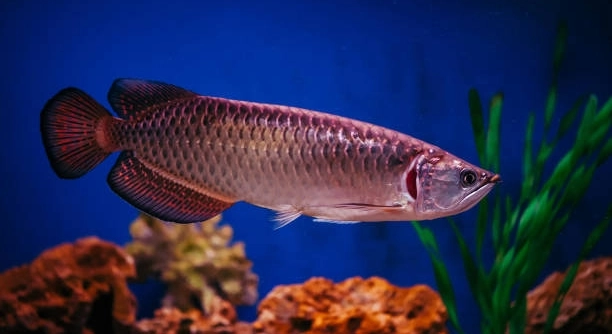
Arowanas are admired for their striking colors and elegant presence in aquariums. Many hobbyists strive to maintain vibrant hues, but natural variation and diet often influence how brightly these fish display their colors over time.
The most effective way to enhance an Arowana’s coloration is through a carefully balanced diet rich in natural pigments. Foods high in carotenoids, such as krill, shrimp, and certain insects, support vibrant reds and golds, while maintaining overall health and vitality.
Choosing the right foods can significantly impact your Arowana’s appearance, making it easier to enjoy the full spectrum of colors these fish naturally possess.
Krill
Krill are a staple for boosting the natural red and orange tones in Arowanas. These tiny crustaceans are rich in carotenoids, which the fish absorb to deepen their coloration over time. Feeding krill regularly can gradually enhance the vibrancy of scales, especially when combined with other pigment-rich foods. They are easy to digest and offer essential proteins and fatty acids that support growth and immunity. Many aquarists notice a visible improvement in overall color after consistent krill supplementation. Frozen or dried krill options are widely available, making it simple to integrate into daily feeding routines. While live krill can be more stimulating for the fish, dried varieties still provide significant benefits without the need for constant maintenance. Rotating krill with other high-pigment foods ensures a balanced diet, preventing nutrient gaps and promoting a healthy, luminous appearance that highlights the Arowana’s natural beauty over months of careful feeding.
Krill can be offered multiple times a week, enhancing color without overwhelming the fish’s digestive system.
Using krill alone will improve coloration, but combining them with shrimp and carotenoid-rich vegetables creates a more balanced approach. Over time, these additions amplify red and orange tones while maintaining a healthy body. Krill also provide essential proteins, supporting muscle development and overall vitality. Feeding schedules should alternate krill with other high-quality foods to prevent monotony and nutrient imbalance. Observing the fish for preference and reaction ensures they accept the diet and benefit fully from the nutrients. Regular monitoring of water quality during feeding is important, as excess food can affect the tank environment. The long-term effect of krill is a brighter, more striking fish that displays a stronger, richer color, enhancing both appearance and health simultaneously. This method is practical, sustainable, and simple for anyone looking to improve their Arowana’s natural color gradually and safely.
Shrimp
Shrimp are excellent for improving red and pink shades in Arowanas. Their carotenoid content directly enhances scale coloration.
Including shrimp in the diet not only increases pigment but also provides essential proteins and healthy fats. Fresh or frozen shrimp can be offered several times a week, alternating with krill or other high-pigment foods. Small portions prevent digestive issues and maintain water quality. Shrimp also stimulate feeding activity, making fish more active and visible. Incorporating them consistently helps achieve a noticeable shift in vibrancy over weeks. For variety, mix with chopped vegetables or pellets to balance nutrients. Observing the Arowana’s response ensures it accepts shrimp without hesitation, making the diet more effective. Regular inclusion of shrimp alongside other pigment-rich foods results in a well-rounded, colorful appearance, supporting both aesthetic and health improvements in a practical, manageable way.
Insects
Insects such as crickets and mealworms are high in protein and naturally enhance an Arowana’s golden and reddish tones. They also stimulate active feeding behavior, keeping the fish lively while supporting muscle development.
Regular feeding of insects promotes healthy growth and vibrant coloration. Crickets and mealworms contain essential nutrients that Arowanas need for strong scales and fins. Their chitin content supports digestion while delivering natural pigments. Alternating insects with krill or shrimp ensures a balanced diet that maximizes color enhancement without overloading the fish with any single nutrient source. Feeding in moderation prevents water quality issues and keeps the tank environment stable. Live insects can also provide mental stimulation, encouraging hunting behavior and improving overall activity levels. Incorporating a variety of insects gradually strengthens the fish’s natural color, making the red and gold hues more pronounced over time, especially when combined with other carotenoid-rich foods.
Insects are versatile and can be mixed with other foods to provide consistent pigment intake. Proper portioning avoids digestive stress and maintains water quality, ensuring the fish remain healthy and colorful.
Vegetables
Vegetables like spinach, carrots, and kale provide essential vitamins and carotenoids that subtly enhance an Arowana’s color over time. They also support overall health and digestion.
Regularly offering finely chopped vegetables adds necessary nutrients and pigments to the diet. Carotenoids from carrots boost red and orange tones, while leafy greens like spinach and kale support immune function. Mixing vegetables with staple foods, such as shrimp or krill, ensures the fish receives both pigment and balanced nutrition. Blanching or lightly steaming vegetables makes them easier to digest and increases nutrient absorption. Providing variety prevents nutrient gaps and encourages consistent feeding, supporting both coloration and vitality. Over several weeks, vegetables contribute to richer, more uniform coloration across scales and fins, complementing the effects of protein-rich foods while maintaining digestive health. Observing acceptance helps determine the most effective vegetables for each fish, ensuring diet consistency without waste.
Vegetables should be fed in small portions alongside high-protein foods to maximize pigment absorption and maintain water quality. Combining these with insects or shrimp creates a well-rounded, color-enhancing diet for long-term results.
Krill Pellets
Krill pellets are convenient and retain most of the carotenoids found in fresh krill. They support both color enhancement and overall nutrition.
These pellets are easy to portion and reduce the risk of water contamination compared to live or frozen krill. Consistent feeding maintains vibrant red and gold tones while providing essential proteins and fats.
Spirulina
Spirulina is a natural source of pigments that intensify Arowana coloration. Its rich nutrient profile supports immune health and digestive function, making it an effective supplement.
Fish Eggs
Fish eggs are high in proteins and carotenoids, which directly influence scale brightness. Regular inclusion helps maintain vibrant reds and golds while supporting growth and vitality.
FAQ
How often should I feed my Arowana these color-enhancing foods?
Feeding frequency depends on the type of food. High-protein items like shrimp, insects, and fish eggs should be given two to three times per week to prevent overfeeding. Vegetables and spirulina can be offered more frequently, around three to five times per week, in small portions. Maintaining a varied feeding schedule ensures the fish receive essential nutrients without straining their digestive system. Alternating foods also prevents nutrient gaps and promotes more even coloration across scales and fins. Observing how the Arowana responds helps adjust portion sizes for optimal health and color development over time.
Can overfeeding affect my Arowana’s color?
Yes, overfeeding can negatively impact both health and coloration. Excess food can lead to water quality issues, increasing ammonia and nitrate levels, which stress the fish and dull colors. It may also cause digestive problems, affecting nutrient absorption and pigment utilization. Feeding measured portions and monitoring leftovers helps maintain water quality and ensures nutrients are effectively used for vibrant coloration. A consistent, moderate diet combined with varied high-pigment foods provides the best results for bright, even scales without compromising health.
Are frozen or dried foods as effective as live foods?
Frozen and dried foods retain most essential nutrients and pigments when stored and handled properly. Live foods can stimulate natural hunting behavior and provide minor behavioral enrichment, but frozen or dried options are more convenient and reduce the risk of disease introduction. Krill, shrimp, and insects in frozen or dried form still deliver carotenoids necessary for color enhancement. Rotating live and preserved foods offers both nutritional and behavioral benefits, creating a balanced approach to maintaining bright, healthy scales while minimizing potential risks associated with live feeding.
Do vegetables really improve coloration?
Vegetables contribute mainly through carotenoids and essential vitamins, which support scale brightness over time. Carrots, spinach, and kale provide pigments that complement high-protein foods, enhancing red, orange, and gold tones subtly but consistently. Regular inclusion supports digestion and overall health, which indirectly benefits coloration. Blanching or lightly steaming vegetables improves nutrient absorption and prevents digestive strain. While vegetables alone are not sufficient to dramatically change colors, combining them with shrimp, krill, or spirulina ensures a balanced, color-enhancing diet that promotes healthy, vibrant scales.
Can spirulina alone make my Arowana brighter?
Spirulina can intensify color because it contains natural pigments, but it is most effective when used alongside protein-rich foods. Relying solely on spirulina may provide limited results, as carotenoids work best in combination with fats and proteins for absorption. Regular supplementation, even in small amounts, supports subtle enhancement in reds and golds while improving immunity. Integrating spirulina with shrimp, krill, or fish eggs ensures a more pronounced color improvement over time, balancing pigment intake with essential nutrients for overall vitality and long-term health.
How long will it take to see color changes?
Noticeable improvements usually appear over several weeks to a few months, depending on the Arowana’s age, health, and baseline coloration. Younger fish often respond faster, while older fish may require longer periods of consistent feeding. Maintaining a balanced diet, rotating pigment-rich foods, and monitoring water quality accelerates results. Gradual changes are healthier and more sustainable than sudden or artificial treatments. Patience and consistency in feeding routines are key, ensuring that the Arowana develops richer, more uniform coloration naturally without compromising growth or wellbeing.
Are there any risks with high-carotenoid diets?
High-carotenoid diets are generally safe when balanced with other nutrients, but over-supplementation can lead to digestive upset or nutrient imbalance. Providing a variety of foods ensures pigments are absorbed effectively without overwhelming the fish. Excessive reliance on a single pigment source may not improve color and could affect overall health. Monitoring portions, alternating foods, and maintaining water quality reduces any potential risks. A carefully structured feeding plan supports both vibrant coloration and long-term health, ensuring that carotenoids enhance the fish’s appearance without negative consequences.
Can these foods replace commercial pellets?
Pigment-rich foods complement rather than replace commercial pellets. High-quality pellets provide essential vitamins, minerals, and proteins necessary for overall health. Combining natural foods like shrimp, krill, vegetables, and spirulina with pellets creates a well-rounded diet. This approach ensures optimal growth, immunity, and coloration. Using only natural foods without supplementation may lead to nutrient gaps. Feeding a mix allows for color enhancement while maintaining balanced nutrition, making the Arowana healthier, more vibrant, and less prone to deficiencies.
Should I monitor water quality when feeding these foods?
Yes, careful monitoring is essential. High-protein foods and fresh vegetables can leave residues that increase ammonia and nitrate levels. Poor water quality stresses the fish, dulling colors and reducing appetite. Frequent water changes, proper filtration, and controlled portion sizes help maintain a stable environment. Monitoring water ensures the benefits of a pigment-rich diet are realized without compromising health or coloration. Regular observation and testing prevent problems while supporting consistent, vibrant scale development.
Is it necessary to vary the foods regularly?
Variety is key to maximizing coloration and preventing nutrient deficiencies. Rotating between shrimp, krill, insects, vegetables, and spirulina ensures a balance of carotenoids, proteins, and vitamins. It also keeps the Arowana interested in feeding and stimulates natural foraging behavior. Consistent rotation over weeks enhances color gradually and maintains health, avoiding reliance on a single food type that may not meet all nutritional needs. A varied diet produces brighter, more even colors and supports long-term vitality.
Maintaining an Arowana’s vibrant color is achievable with a carefully balanced diet. Foods rich in carotenoids, such as krill, shrimp, and certain insects, are highly effective at enhancing red, gold, and orange tones. Regular inclusion of these items in the diet supports not only coloration but also overall health, providing essential proteins, fats, and nutrients necessary for growth and vitality. It is important to feed in measured portions to avoid overfeeding, which can lead to water quality issues and digestive problems. Observing the fish’s response to different foods helps determine the best combinations and feeding schedule. Over time, consistent supplementation with these high-pigment foods produces noticeable improvements in scale brightness and fin coloration, contributing to a healthier, more striking appearance.
Vegetables and spirulina also play a supportive role in maintaining an Arowana’s vibrant appearance. Carotenoid-rich vegetables such as carrots, spinach, and kale provide subtle enhancements to the overall coloration while supplying important vitamins and minerals that support digestion and immune health. Spirulina, with its concentrated pigments, can intensify color when used alongside protein-rich foods. Including these items ensures a more balanced diet and maximizes pigment absorption. Alternating between protein sources, vegetables, and supplements prevents nutrient gaps and helps maintain long-term vitality. Proper preparation, such as blanching vegetables or using high-quality spirulina, ensures the Arowana can digest and absorb nutrients efficiently. Combined with primary foods like krill and shrimp, these additions create a comprehensive feeding plan that consistently supports brighter, healthier scales.
A varied, consistent approach to diet is essential for sustaining vibrant coloration. Rotating foods reduces monotony and encourages natural feeding behaviors while ensuring the fish receives all necessary nutrients. Monitoring water quality, portion sizes, and feeding frequency further enhances the effectiveness of a pigment-focused diet. Gradual changes are preferable, as they allow the Arowana’s body to process nutrients efficiently and display color improvements naturally. Patience and consistency are key; sudden or excessive feeding of pigment-rich foods may not yield better results and can harm health. By combining high-pigment proteins, supportive vegetables, and supplements in a structured feeding plan, the Arowana will develop richer, more uniform coloration while remaining healthy and active. A disciplined, well-rounded approach ensures long-term color enhancement and overall wellbeing.

Hello,
If you enjoy the content that we create, please consider saying a "Thank You!" by leaving a tip.
Every little bit helps us continue crafting quality advice that supports the health, happiness, and well-being of pets around the world, for pets of all shapes, sizes, and species.
We really appreciate the kindness and support that you show us!