
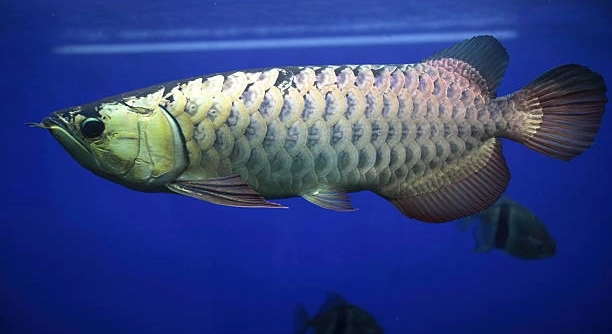
Is your arowana swimming less and seeming unusually inactive in its tank? This change in behavior can be worrying, especially for those who care deeply about their fish’s well-being and daily routine.
Arowanas may become inactive due to water quality issues, improper temperature, stress, illness, or inadequate diet. Ensuring optimal tank conditions, monitoring health regularly, and adjusting feeding practices are essential steps to restore normal activity and maintain overall fish health.
Recognizing the signs early allows you to take action and support your arowana’s health effectively in its aquatic environment.
Common Reasons for Inactivity
Arowanas can become inactive for several reasons, most of which are linked to their environment or health. Poor water quality is one of the main factors. High ammonia, nitrite, or nitrate levels can stress the fish, causing it to hide or swim less. Temperature fluctuations also play a role, as arowanas are sensitive to sudden changes. Stress from overcrowding or aggressive tank mates can make them lethargic. Illnesses, including bacterial infections or parasites, often result in decreased activity. Diet also affects energy levels. Overfeeding or feeding low-quality food can lead to sluggishness. Observing the fish closely can reveal early signs of disease or environmental issues. Regular water testing, tank maintenance, and a balanced diet are key to keeping arowanas healthy. Taking these precautions ensures that your fish remains active and vibrant, maintaining its natural behavior and overall well-being.
Monitoring water quality and tank conditions consistently helps prevent inactivity and ensures a stable environment for your arowana.
Paying attention to behavior patterns can help you identify subtle changes before they become serious. Arowanas are resilient if their tank conditions and diet are appropriate. Maintaining a calm environment, providing proper nutrition, and ensuring clean water all contribute to their activity levels. If signs of illness appear, early intervention with treatment or consultation can improve recovery. Observing swimming patterns, appetite, and interaction with the tank environment gives insight into overall health. Even minor adjustments, like temperature stabilization or reducing stressors, can make a noticeable difference in activity. Keeping a log of behavior and feeding habits can help track changes over time, allowing for informed decisions on care. Consistency and attention are essential to ensure your arowana thrives.
How to Restore Activity
Adjusting water parameters and maintaining proper tank hygiene are critical steps to restore your arowana’s activity.
Temperature should be stable and within the recommended range for your arowana species. Remove waste regularly and perform partial water changes to maintain clean conditions. Stressful elements, such as aggressive tank mates, should be minimized or separated. Feeding should be consistent with high-quality food, avoiding overfeeding, which can lead to lethargy. Monitoring for disease and addressing symptoms promptly ensures recovery and prevents further inactivity.
Providing an enriched environment, such as hiding spots and open swimming areas, encourages natural behavior. Gradually introducing new stimuli, like live or varied food, can motivate movement. Maintaining water quality and a stable routine fosters a healthy atmosphere. Additionally, observing your fish for signs of illness or distress helps you respond quickly. Patience is important, as recovery may take time, but consistent care and attentive management usually result in improved activity levels. A combination of stable conditions, proper feeding, and stress reduction is the most effective approach to help your arowana regain energy and exhibit natural behavior again.
Adjusting Diet for Energy
Feeding your arowana the right diet can significantly impact its activity. High-quality pellets, live food, and occasional treats provide necessary nutrients and encourage movement. Avoid overfeeding, as it can cause lethargy and digestive issues.
Incorporating variety in your arowana’s diet helps maintain interest and energy levels. Rotating between high-protein pellets, frozen or live fish, and insects ensures balanced nutrition. Arowanas require proteins for growth and stamina, which directly influence their swimming activity. Feeding smaller portions multiple times a day rather than one large meal can prevent overeating and sluggishness. Observing how your fish responds to different foods can indicate preferences and health status. Proper diet management is essential for keeping the arowana active and lively.
Water temperature and quality directly affect digestion and energy. Cooler or unstable water can slow metabolism, leading to inactivity. Ensuring the diet matches tank conditions is crucial.
Reducing Stress in the Tank
Minimizing stress is essential to restore activity and maintain health. Avoid overcrowding and limit sudden changes in the environment.
Providing adequate space and hiding spots reduces anxiety for arowanas. Aggressive tank mates or frequent disturbances can trigger stress, leading to lethargy and loss of appetite. Monitoring behavior and interactions helps identify stress triggers early. Stable lighting, minimal sudden movements, and quiet surroundings contribute to a calm environment.
Stress reduction also involves maintaining consistent water parameters and tank routines. Regular cleaning, proper filtration, and careful introduction of new fish prevent unnecessary tension. Observing the arowana’s swimming patterns and behavior ensures interventions are timely. Gradual changes, such as slowly adjusting water temperature or rearranging tank elements, prevent shock. Offering enrichment like floating plants or secure decorations encourages natural exploration while reducing stress. Creating a predictable and stable environment is vital for promoting activity and overall well-being.
Monitoring Water Conditions
Regularly checking water parameters is essential for your arowana’s activity. Keep ammonia, nitrite, and nitrate levels low. Maintain stable temperature and pH to prevent stress and lethargy.
Frequent water changes help remove waste and toxins. Using a reliable water testing kit ensures conditions remain safe. Clean filters and avoid sudden chemical changes in the tank.
Recognizing Signs of Illness
Arowanas may show illness through reduced movement, loss of appetite, or unusual swimming patterns. Early detection is key to effective treatment and recovery. Regular observation can prevent minor issues from becoming serious.
Tank Layout Adjustments
Providing adequate swimming space and hiding spots encourages natural activity. Avoid overcrowding decorations and ensure open areas for movement. Proper layout supports both physical exercise and mental stimulation for your arowana.
FAQ
Why has my arowana suddenly stopped swimming actively?
A sudden decrease in activity is usually linked to environmental changes or stress. Check water temperature, pH, and cleanliness first. Illness or parasites may also be factors. Observing appetite, color, and swimming patterns can help determine whether the issue is health-related or environmental.
Can improper diet cause inactivity?
Yes, an unbalanced or low-quality diet can lead to lethargy. Arowanas need high-protein food like pellets, live or frozen fish, and occasional insects. Overfeeding can also slow metabolism and cause sluggish behavior. Feeding smaller portions more frequently supports energy levels and encourages activity.
How often should I check water parameters?
Frequent monitoring is essential, especially for ammonia, nitrite, nitrate, temperature, and pH. Weekly tests are common, but daily checks may be needed if you notice unusual behavior. Consistent water quality prevents stress and supports regular swimming patterns.
Could stress be causing my arowana’s inactivity?
Stress plays a significant role. Overcrowding, aggressive tank mates, frequent disturbances, or sudden changes in lighting or environment can make arowanas hide or swim less. Providing hiding spots and reducing noise or movement can help restore normal activity.
Is it normal for arowanas to rest at the bottom sometimes?
Yes, occasional resting is normal. Arowanas may pause at the bottom or near decorations to conserve energy. However, prolonged inactivity, especially with changes in appetite or color, signals potential health or environmental problems.
How can I encourage my arowana to move more?
Provide an enriched environment with open swimming areas and hiding spots. Adjusting the diet with varied, high-protein food can stimulate energy. Stable water conditions, proper lighting, and a calm tank environment also help encourage regular activity.
What signs indicate illness in my arowana?
Look for clamped fins, faded color, unusual swimming, lethargy, and reduced appetite. Other signs include visible parasites, white spots, or swelling. Early detection and treatment increase the chances of full recovery. Consult a veterinarian experienced with tropical fish if symptoms persist.
Can tank temperature affect activity?
Yes, arowanas are sensitive to temperature changes. Water that is too cold slows metabolism, causing inactivity, while sudden temperature shifts stress the fish. Maintaining a stable temperature within the species-specific range ensures proper energy levels.
How important is tank size for activity?
Tank size directly influences swimming and energy. Arowanas need large tanks with sufficient space for movement. Cramped conditions cause stress, limit activity, and may result in long-term health issues. Open swimming space is essential for normal behavior.
Are there any long-term solutions to prevent inactivity?
Consistent water quality, proper diet, regular health monitoring, and a stress-free environment prevent most inactivity problems. Maintaining a stable routine and observing behavior regularly ensures your arowana remains healthy and active over time.
Can other fish affect my arowana’s activity?
Yes, aggressive or overly active tank mates can stress an arowana, reducing its movement. Monitor interactions and separate fish if aggression occurs. Ensuring compatible tank mates supports a calm environment and encourages normal activity.
How do I know if inactivity is permanent?
Permanent inactivity is rare. If your arowana remains lethargic despite optimal water conditions, diet, and stress reduction, it may indicate chronic illness or age-related decline. Veterinary consultation is advised for proper diagnosis and care.
Should I use medication if my arowana is inactive?
Only use medication when illness is confirmed. Overusing treatments can stress the fish further or damage water quality. Identify the specific problem first, and follow veterinary guidance for safe and effective treatment.
Does lighting affect activity levels?
Lighting impacts behavior. Too little light can reduce activity, while abrupt or intense light may cause stress. Maintaining a consistent, moderate lighting schedule encourages normal movement and feeding patterns.
Can I prevent inactivity completely?
While inactivity cannot be entirely prevented, consistent care minimizes risk. Stable water conditions, a proper diet, stress reduction, and observation allow you to address problems early, keeping your arowana active and healthy.
This FAQ addresses common concerns, providing practical, straightforward solutions for maintaining your arowana’s energy and overall well-being. Regular observation and consistent care are key to preventing inactivity.
Word count: 505
Final Thoughts
Caring for an arowana requires attention to both its environment and daily needs. Activity levels are often the first sign that something in the tank is off. Paying attention to water quality, temperature, and pH ensures the fish remains healthy and stress-free. Even small changes in these conditions can affect energy levels, so consistency is crucial. Regular water tests and partial water changes prevent the buildup of harmful substances, which is one of the main reasons for inactivity. Keeping filters clean and ensuring proper aeration also contributes to a stable environment. When conditions are stable, arowanas are more likely to swim actively and display their natural behavior. Maintaining this routine may seem detailed, but it directly impacts your fish’s health, longevity, and overall well-being.
Diet is another key factor in supporting activity. Arowanas need a high-protein diet that mimics what they would eat in their natural habitat. Pellets formulated for carnivorous fish, along with live or frozen food, provide essential nutrients for energy and growth. Overfeeding, however, can slow metabolism and make the fish lethargic, so it’s important to feed the appropriate amounts. Rotating food types not only provides balanced nutrition but also keeps the fish engaged. Smaller meals distributed throughout the day can encourage more consistent activity. Watching how your arowana reacts to different foods can provide insight into both health and preferences. A proper diet combined with a clean and stable tank environment ensures your fish remains active and thrives over the long term.
Stress management is equally important for maintaining regular activity. Overcrowding, aggressive tank mates, sudden changes in lighting, or frequent disturbances can all reduce swimming and lead to hiding behavior. Providing adequate swimming space and hiding spots allows the fish to feel secure, while maintaining a calm and consistent routine minimizes stress. Observing behavior patterns helps detect early signs of illness or environmental problems before they become severe. Patience is essential, as some arowanas may take time to recover from stress or illness. By addressing water conditions, diet, and stress factors simultaneously, you create the ideal environment for an arowana to remain active and healthy. Consistent care, careful observation, and timely adjustments are the best strategies to ensure your fish thrives in its tank and maintains its natural energy and vitality.
Word count: 417

Hello,
If you enjoy the content that we create, please consider saying a "Thank You!" by leaving a tip.
Every little bit helps us continue crafting quality advice that supports the health, happiness, and well-being of pets around the world, for pets of all shapes, sizes, and species.
We really appreciate the kindness and support that you show us!