
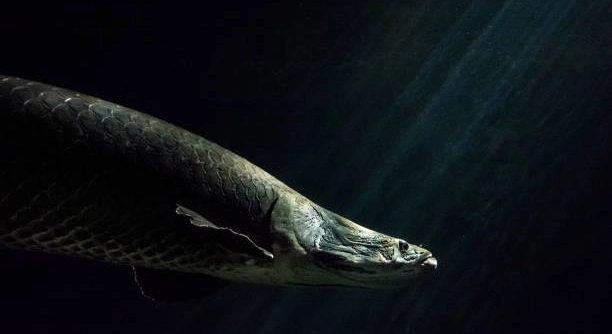
Do you ever notice your arowana swimming straight into the glass or decorations in its tank? This behavior can be puzzling and concerning for many aquarium enthusiasts who want their fish to thrive and stay safe.
Arowanas may swim into objects due to poor vision, reflections, or stress. Environmental factors, such as tank size, water quality, and inadequate lighting, can also contribute to disorientation, making collisions more frequent in their daily activity.
Understanding these behaviors can help you create a safer and more comfortable environment for your arowana, ensuring it remains healthy and active in its aquarium.
Common Causes of Arowana Collisions
Many arowanas swim into objects because of visual limitations or reflections in the tank. Glass tanks can create confusing reflections, making the fish think an object is open space. Poor water clarity or lighting can also affect their depth perception, causing accidental collisions. Tank size plays a role too; smaller tanks restrict movement and increase the chance of bumping into surfaces. Stress from sudden changes, such as water temperature shifts or new decorations, may heighten their restlessness, leading to more frequent impacts. Illnesses affecting their balance or vision can also be a factor, so observing any unusual swimming patterns is important. Regular maintenance of water quality, consistent temperature, and clear tank walls can minimize these incidents. Choosing decorations that are smooth or rounded reduces the risk of injury. Understanding these factors gives you the tools to make practical adjustments to your arowana’s environment.
Adjusting the tank environment can often prevent accidents and keep your fish safer and calmer.
Providing the right combination of water quality, lighting, and tank decorations ensures that your arowana can navigate confidently. Monitoring for signs of illness, stress, or environmental imbalance helps identify problems early. Even small changes, like repositioning objects or reducing reflections, can significantly improve their movement. Regular observation and subtle adjustments allow your fish to swim naturally without frequent collisions, promoting overall health and comfort.
Improving Tank Conditions
Creating an optimal tank setup supports your arowana’s vision and movement. Clear water and adequate space reduce stress and accidental collisions.
To enhance your tank, ensure it is large enough for the arowana to swim freely. Use smooth decorations and avoid overcrowding with ornaments that can block their path. Proper lighting should mimic natural conditions while avoiding harsh reflections. Maintain stable water temperature and monitor parameters such as pH, ammonia, and nitrate levels. Frequent partial water changes keep the environment healthy and reduce disorientation caused by poor visibility. Providing hiding spots or shaded areas gives the fish places to retreat, lowering stress levels. Observing their behavior regularly allows you to detect early signs of illness or discomfort. Implementing these adjustments ensures safer movement and reduces injuries. Over time, the fish will become more confident navigating the tank, allowing you to enjoy a calm, healthy, and visually striking arowana.
Monitoring Health and Behavior
Regular observation of your arowana is essential to detect issues early. Changes in swimming patterns, appetite, or coloration can signal stress, vision problems, or illness that may contribute to collisions.
Keeping a close eye on your fish allows you to spot subtle signs of distress. Illnesses affecting balance, like swim bladder disorders, can make your arowana bump into objects more often. Sudden changes in water quality or temperature can also trigger erratic behavior. Recording behaviors and tank conditions helps identify patterns and possible triggers. Addressing health and environmental factors promptly prevents accidents and ensures the fish remains active and comfortable.
Behavior monitoring also helps track recovery after adjustments. Noticing improvement or persistent issues allows you to refine tank conditions, diet, or care routines. Early detection and intervention reduce risks of injury and long-term stress. Over time, consistent observation promotes a healthier, more confident arowana.
Adjusting Feeding Practices
Feeding your arowana on a consistent schedule supports its energy levels and reduces erratic swimming. Avoid overfeeding, which can cause bloating and impact movement.
A balanced diet improves overall health, aiding vision and mobility. Overfeeding can lead to obesity, digestive issues, or water pollution, all affecting behavior. Offering live, frozen, or high-quality pellet food in measured amounts keeps the fish engaged without overwhelming the tank environment. Feeding smaller portions multiple times a day rather than one large meal can reduce stress and prevent sudden bursts of activity that may lead to collisions. Consistency in feeding also creates a predictable routine, helping the fish feel secure.
Observing how your arowana responds to different food types and schedules provides insight into its preferences and health. Adjusting feeding practices gradually ensures the fish remains energetic but controlled, reducing the risk of accidental impacts. Maintaining clean water and removing uneaten food supports both tank hygiene and proper swimming behavior. Proper nutrition directly influences activity levels, allowing the arowana to swim smoothly and confidently in its environment.
Reducing Reflections
Reflections in the tank can confuse your arowana, making it think there is open space. Using a background or adjusting lighting can minimize these visual disturbances and prevent collisions.
Positioning the tank away from direct sunlight or bright indoor lights reduces glare. Matte surfaces on decorations also help limit confusing reflections that trigger erratic swimming.
Checking Water Quality
Maintaining clean and stable water is critical for arowana health. Poor water quality can disorient the fish and affect swimming behavior. Monitoring ammonia, nitrite, nitrate, and pH levels regularly ensures a stable environment. Frequent partial water changes keep the tank safe and reduce stress.
Choosing Safe Decorations
Smooth and rounded decorations prevent injury when the arowana accidentally bumps into objects. Avoid sharp or jagged ornaments that can harm fins or scales.
Why does my arowana keep swimming into the glass?
Reflections on the tank glass can confuse arowanas, making them think there is open space. Bright lighting, direct sunlight, or highly polished glass can amplify reflections. Using a tank background, adjusting lighting, or applying a non-reflective film can reduce collisions. Over time, your arowana will adapt to the corrected environment.
Could poor water quality cause this behavior?
Yes. High ammonia, nitrite, or nitrate levels can stress arowanas and affect their swimming patterns. Unstable pH or temperature fluctuations can also disorient them. Regular water testing and partial water changes help maintain stability. Clean, consistent water supports normal movement and reduces collisions in the tank.
Is my arowana’s vision impaired?
Arowanas rely heavily on vision for navigation. Cloudy eyes, infections, or parasites can limit sight, causing them to bump into objects. Observing signs like cloudy pupils, unusual swimming angles, or hesitation near obstacles can indicate visual problems. Veterinary intervention may be needed if impairment is severe.
Can stress make my arowana swim erratically?
Stress is a major factor. Sudden changes in environment, loud noises, overcrowding, or aggressive tank mates can increase restlessness. A stressed arowana often swims quickly or erratically, leading to collisions. Reducing stressors, providing hiding spaces, and maintaining a stable routine helps calm the fish.
Does tank size matter?
Tank size directly impacts movement. A small or overcrowded tank restricts swimming space, increasing collisions with decorations or glass. Providing ample room for your arowana to move freely allows natural swimming patterns. A larger tank also reduces stress and improves overall health.
How does diet affect swimming behavior?
Overfeeding can lead to bloating or sudden bursts of energy, making your arowana swim into objects. A balanced diet of measured portions helps maintain steady energy levels. Feeding smaller amounts multiple times a day is preferable to one large meal, ensuring controlled movement and reducing accidents.
Are decorations contributing to collisions?
Sharp or jagged ornaments can injure your arowana, and crowded tanks increase collision risk. Smooth, rounded decorations and open swimming areas minimize accidents. Even small adjustments, like repositioning objects or removing reflective surfaces, can improve navigation and reduce stress.
Could illness be a factor?
Swim bladder issues, infections, or neurological conditions can disrupt balance. Affected arowanas may swim sideways, upside down, or collide with objects. Watching for irregular swimming, lethargy, or loss of appetite can help detect health problems early. Prompt treatment supports recovery and safer swimming.
What steps can prevent future collisions?
Regular observation, maintaining water quality, adjusting lighting, and removing reflections are key. Choosing appropriate decorations and ensuring proper nutrition also help. Consistency in care reduces stress, improves vision, and promotes confident swimming behavior. A combination of these measures ensures your arowana navigates safely.
How do I know if my adjustments are working?
Monitor swimming patterns over several days. Reduced collisions, calmer movement, and normal feeding behavior indicate improvements. Documenting changes in water quality, tank layout, or feeding routines can help identify what works best for your arowana. Gradual adaptation ensures long-term safety and comfort.
Can multiple factors be responsible at once?
Yes, swimming into objects is usually caused by a combination of stress, poor water quality, reflections, and health issues. Addressing each factor systematically produces the best results. Regular monitoring and small, consistent adjustments prevent future accidents and support overall well-being.
How long does it take for arowanas to adjust?
Adjustment time varies by individual. Some adapt within a few days after environmental changes, while others may take weeks. Patience is important. Consistently maintaining a stable, safe, and stress-free environment accelerates recovery and reduces repetitive collisions over time.
Is professional help sometimes necessary?
If health issues, visual impairment, or persistent erratic behavior are observed, consulting a veterinarian specializing in fish is recommended. Professional guidance ensures accurate diagnosis and treatment, improving swimming ability and long-term health. Early intervention prevents worsening of problems and minimizes injuries.
Can lighting alone make a difference?
Proper lighting reduces glare and reflections, improving navigation. Natural or diffused lighting is preferable. Avoid strong direct lights on the tank, which create confusing reflections. Adjusting light duration and intensity supports regular behavior and minimizes collisions.
What is the most important factor overall?
Consistency in water quality, tank setup, nutrition, and observation is key. Addressing all environmental, dietary, and health-related factors collectively creates a safe and stable environment. Arowanas thrive when multiple aspects of care are considered simultaneously, reducing stress and accidental collisions.
How often should I check the tank and my fish?
Daily observation of swimming behavior, feeding response, and water clarity is ideal. Weekly checks of water parameters, decorations, and lighting help maintain a safe environment. Regular monitoring prevents problems from escalating and supports the long-term health of your arowana.
Can older arowanas experience more collisions?
Aging may affect vision or balance, increasing the likelihood of bumping into objects. Older arowanas may require extra care, smoother decorations, and consistent tank conditions. Adjustments that support mobility and reduce stress can help maintain safe swimming even as the fish ages.
Are reflections more problematic for certain tank types?
Yes. Glass tanks are more reflective than acrylic, especially under bright lighting. Matte or frosted surfaces, background posters, or non-reflective coatings can help reduce visual confusion. Reducing reflections ensures the arowana can navigate confidently without repeated collisions.
How do I know if my arowana is stressed?
Signs include rapid or erratic swimming, hiding excessively, loss of appetite, and unusual color changes. Stress increases collision risk. Maintaining stable water, minimal disturbances, appropriate tank mates, and regular feeding routines reduces stress and improves swimming behavior.
Can adding plants or hiding spots help?
Yes. Properly placed plants or shaded areas give the arowana places to retreat, reducing stress-induced erratic swimming. Ensure plants or decorations are smooth and positioned to allow open swimming space, balancing safety with environmental enrichment.
Does temperature affect swimming behavior?
Water that is too cold or too warm can reduce energy or trigger hyperactivity. Maintaining a stable temperature suited to arowanas ensures controlled movement and reduces accidents. Sudden temperature changes should be avoided to prevent disorientation.
Are there specific arowana breeds more prone to collisions?
Some breeds with larger eyes or more active swimming patterns may be slightly more prone to bumping into objects. Adjusting tank setup and environmental factors accordingly helps accommodate breed-specific behavior while minimizing collisions.
Is it normal for arowanas to bump occasionally?
Yes, occasional contact with decorations or glass is normal. Frequent collisions, however, indicate environmental, dietary, or health issues. Monitoring patterns and making adjustments ensures occasional bumps do not lead to injury or stress.
How do I combine all these strategies effectively?
Observe behavior, maintain water quality, provide safe decorations, regulate feeding, control lighting, and monitor health consistently. Addressing all factors together promotes confident swimming, reduces collisions, and supports long-term well-being for your arowana.
When caring for an arowana, preventing it from swimming into objects requires attention to multiple factors. Visual disturbances, such as reflections on the glass or overly bright lighting, can confuse your fish, making it difficult to navigate its tank safely. Adjusting the lighting, using a tank background, and minimizing glare are simple steps that make a noticeable difference. The tank’s size and layout also play a role in safe swimming. Smaller tanks restrict movement, while crowded decorations increase the chance of accidental collisions. Smooth, rounded ornaments reduce injury risk if contact occurs. By creating an environment that is clear, open, and visually manageable, your arowana can move with more confidence and fewer accidents.
Maintaining water quality and monitoring your fish’s health are equally important. Unstable water parameters, such as high ammonia, nitrite, or nitrate levels, can stress your arowana and cause erratic swimming. Sudden changes in temperature or pH can also affect its behavior, increasing collisions. Regular observation helps identify signs of stress or illness, including swim bladder problems, vision issues, or infections. Balanced feeding supports consistent energy levels, reducing bursts of movement that may lead to bumping into objects. A combination of proper diet, clean water, and attentive observation ensures your arowana remains active, healthy, and able to navigate its tank safely.
Consistency in care is key for long-term success. Small adjustments, such as repositioning decorations, controlling lighting, and establishing feeding routines, can collectively improve swimming behavior. Reducing stress through proper tank conditions, hiding spots, and minimal disturbances allows your arowana to feel secure. Even older fish or breeds prone to active swimming can benefit from a careful setup and consistent maintenance. Over time, these efforts lead to a calmer, more confident fish that navigates the tank efficiently and safely. Paying attention to environment, diet, and health not only prevents accidents but also promotes the overall well-being and longevity of your arowana.

Hello,
If you enjoy the content that we create, please consider saying a "Thank You!" by leaving a tip.
Every little bit helps us continue crafting quality advice that supports the health, happiness, and well-being of pets around the world, for pets of all shapes, sizes, and species.
We really appreciate the kindness and support that you show us!