
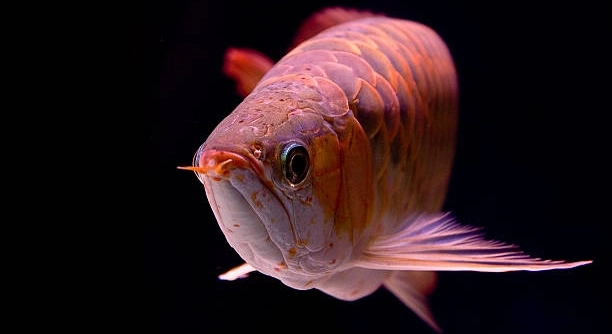
Do you ever find yourself staring at your Arowana tank, wondering how to make it more engaging for your fish? Choosing the right decorations can impact both the tank’s appearance and your fish’s well-being.
Arowanas respond positively to tank decorations that mimic their natural habitat. Common choices include driftwood, rocks, aquatic plants, floating logs, substrate variations, caves, and background elements. These items provide shelter, reduce stress, and encourage natural swimming behaviors in Arowanas.
Selecting the appropriate decorations ensures your fish feel secure and promotes a healthier, more visually appealing aquarium environment for both you and your Arowana.
Driftwood
Driftwood is one of the most popular decorations for Arowana tanks. It provides natural hiding spaces and creates shaded areas where fish can rest. Its texture also allows algae growth, which some Arowanas nibble on. Over time, driftwood can slightly tint the water, giving the tank a soft, natural appearance. Selecting the right type of driftwood is important. Hardwood varieties, like Malaysian or Mopani wood, are ideal because they sink easily and resist decomposition. Softwoods may decay quickly and alter water quality. Before adding any driftwood, soak it for several days to remove tannins and ensure it sinks properly. Proper preparation helps maintain stable water parameters, which is crucial for Arowana health. Positioning driftwood strategically can also encourage territorial behavior, giving your fish defined spaces within the tank.
Driftwood benefits Arowanas by creating hiding spots, encouraging natural behaviors, and enhancing the tank’s visual appeal without harming water quality.
Adding driftwood to a tank requires thoughtful placement. Large pieces should not overcrowd swimming areas, and smaller branches can complement hiding spots. Regular cleaning is necessary to prevent excess algae and debris accumulation. Driftwood pairs well with rocks and plants, forming a balanced environment. Over time, the wood may release tannins, slightly lowering pH, which is safe for most Arowanas. Combining driftwood with open swimming areas encourages exercise and reduces stress, helping maintain overall health. Observing how your Arowana interacts with the wood can guide adjustments to placement, ensuring comfort and natural activity patterns.
Rocks
Rocks can add structure and stability to an Arowana tank. They create visual interest and provide hiding spots.
Using rocks in Arowana tanks requires careful selection to avoid altering water chemistry. Some rocks release minerals that increase hardness and pH, potentially stressing sensitive fish. Popular safe choices include slate, lava rock, and quartz. Avoid limestone and marble, as these can significantly raise pH. When placing rocks, ensure they are stable and won’t topple, preventing injury. Arranging them in layers or small clusters provides both shelter and open swimming areas. Rocks can also anchor plants or mosses, combining aesthetics with functionality. Cleaning rocks before introduction removes dust and potential contaminants. Their surfaces encourage algae growth, which some Arowanas may nibble on, offering supplementary activity. The overall design should balance open space for swimming and structured areas for exploration, supporting healthy behavior patterns. Selecting the right combination of rocks enhances the tank’s natural look while promoting Arowana comfort, safety, and activity.
Aquatic Plants
Aquatic plants provide shelter and hiding spots for Arowanas. They improve water quality by absorbing nitrates and create a natural environment that encourages exploration and reduces stress.
Live plants like Java fern, Anubias, and Amazon sword thrive in Arowana tanks. They anchor easily to driftwood or rocks and withstand moderate water currents. Plants also help diffuse light, preventing overly bright conditions that can stress fish. Floating plants create shade while enhancing the tank’s aesthetics. It is important to monitor plant growth, trimming as needed to prevent overcrowding. Strong root systems or secure attachments prevent plants from being uprooted during tank maintenance or by active fish movements. Plants also foster microhabitats for beneficial microorganisms, supporting a balanced ecosystem.
Artificial plants can also be used when live plants are difficult to maintain. They offer visual appeal and hiding spaces but do not contribute to water quality. Combining both live and artificial plants allows flexibility in tank design while providing Arowanas with varied textures and surfaces to explore, promoting natural behavior and reducing boredom in the aquarium environment.
Floating Logs
Floating logs create shaded areas that Arowanas enjoy and offer surfaces for minor grazing or resting.
Selecting the right floating logs requires attention to size and material. Natural logs must be pre-soaked to prevent tannin release and water discoloration. They should float without tipping over, ensuring fish can safely swim beneath or around them. Floating logs encourage vertical movement and exploration, giving the tank a more dynamic environment. Logs can be paired with plants or rocks to create layered structures, combining shaded regions with open swimming space. Observing your Arowana’s interaction with logs helps determine ideal placement and spacing. Logs can also act as a visual barrier, reducing territorial aggression in larger tanks. Regular inspection prevents rot or mold growth, maintaining a safe and clean environment. Using floating logs thoughtfully enhances tank aesthetics while supporting fish health and natural behavior.
Substrate Variations
Different substrates provide both visual appeal and functional benefits in an Arowana tank. Gravel, sand, or fine pebbles allow natural foraging behavior and help anchor plants, creating a balanced environment.
Using a mix of substrates can create zones for exploration and resting. Sand is gentle on delicate fins, while gravel offers stability for plant roots. Substrate depth should be adequate for plants but not hinder cleaning. Smooth textures prevent injuries, and layering different types adds natural aesthetics. Substrates also influence water chemistry, so it’s important to choose types compatible with Arowana needs. Maintaining clean substrate supports overall tank health and reduces stress for the fish.
Caves
Caves offer essential hiding spots that make Arowanas feel secure. They reduce stress and encourage natural behavior, providing a sense of territory.
Caves can be made from rocks, ceramic decorations, or driftwood arrangements. Placement should ensure stability and allow easy swimming access. Multiple caves in larger tanks give fish options for privacy or retreat. Observing how your Arowana uses these spaces can help adjust positioning, ensuring the tank feels safe. Caves also support breeding behavior in some Arowanas, offering secluded areas for laying eggs. Choosing appropriately sized caves prevents overcrowding and allows fish to move comfortably. Combining caves with open areas creates a balanced environment that promotes both activity and rest.
Background Elements
Background decorations enhance the visual depth of the tank while giving fish a sense of enclosure.
FAQ
What type of decorations do Arowanas prefer most?
Arowanas tend to prefer decorations that mimic their natural habitats. Driftwood, rocks, and aquatic plants are highly favored because they provide shelter, shade, and surfaces for exploring. Floating logs and caves also give them private spaces, reducing stress and encouraging natural swimming patterns.
Can artificial decorations replace live plants in an Arowana tank?
Yes, artificial decorations can be used to provide hiding spots and visual interest, but they do not contribute to water quality. Combining artificial and live plants is often the best approach, as it ensures both functionality and aesthetics while supporting fish well-being.
Are there decorations that should be avoided?
Avoid decorations that alter water chemistry, such as limestone or marble, which can raise pH levels. Sharp-edged items should also be avoided, as they can injure the fish’s delicate fins and scales. Always inspect new decorations for stability and smoothness before adding them to the tank.
How important is decoration placement in an Arowana tank?
Placement is very important. Decorations should balance open swimming space with shaded or sheltered areas. Large items like driftwood or rocks should not block the tank’s center, and caves or logs should be placed to create safe zones that reduce aggression and territorial stress.
Do Arowanas interact with decorations?
Yes, Arowanas explore and interact with decorations. They may swim around driftwood, nibble on algae growing on rocks, or rest under floating logs. Observing these behaviors helps determine if adjustments are needed to enhance their comfort and activity within the tank.
Can decorations affect water quality?
Certain decorations, like untreated driftwood, can release tannins that slightly lower pH. Substrate type can also impact water chemistry. Regular monitoring of water parameters ensures that decorations do not create an unhealthy environment, maintaining stable conditions for the Arowana.
How often should decorations be cleaned?
Decorations should be cleaned regularly to remove algae, debris, and accumulated detritus. Gentle scrubbing with water is sufficient for most items. Avoid harsh chemicals, which can harm fish. Maintaining clean decorations helps prevent water quality issues and keeps the tank visually appealing.
Are there decorations that support Arowana health directly?
Live plants, smooth substrates, and stable hiding spots support health by reducing stress, providing natural grazing opportunities, and encouraging exercise. These elements help maintain natural behaviors, improve immunity, and foster a balanced, stimulating environment.
Can Arowanas damage decorations?
Active and large Arowanas may move lightweight decorations or uproot plants. Using stable, properly anchored items minimizes this risk. Observing interactions over time allows for adjustments to prevent injury or damage, ensuring a safe environment for both fish and tank decor.
Do decorations influence Arowana breeding?
Yes, caves and secluded spaces can encourage breeding behavior. Providing quiet, hidden areas gives Arowanas a secure space for spawning and egg care, replicating conditions similar to their natural habitat. Properly placed decorations improve comfort and create suitable microenvironments for reproductive activity.
Is variety in decorations necessary?
Variety helps maintain mental stimulation for Arowanas. Combining driftwood, rocks, plants, caves, and floating logs creates a dynamic tank that supports exploration, reduces boredom, and encourages natural swimming and resting behaviors. Too little variety can lead to stress and inactivity, affecting overall health.
Can decorations be added gradually?
Yes, gradually introducing decorations allows the Arowana to adjust to new items without stress. Sudden changes can cause anxiety, especially in larger or more territorial fish. Observing their behavior during additions helps ensure comfort and reduces risk of aggressive reactions.
Do decorations need to match the tank size?
Decorations should be proportionate to the tank. Oversized items can limit swimming space, while too-small items may not provide adequate shelter. A balanced approach ensures open swimming areas and structured zones, supporting both exercise and privacy for the Arowana.
Are natural and artificial decorations interchangeable in functionality?
Not entirely. Natural items like driftwood and live plants offer water quality benefits and microhabitats, while artificial decorations mainly provide visual appeal and shelter. A combination approach ensures both aesthetic and functional advantages, creating a healthier, more engaging environment for the fish.
How do I choose decorations for an Arowana tank?
Select decorations based on size, stability, water chemistry compatibility, and functionality. Include items that provide shelter, open swimming space, and surfaces for exploration. Observing your fish’s interactions with new decorations helps fine-tune placement and selection, ensuring comfort, activity, and tank aesthetics.
Can decorations reduce aggression in Arowanas?
Yes, strategic placement of caves, driftwood, and plants can create visual barriers and safe zones, helping to minimize territorial disputes. Providing multiple hiding spots in larger tanks ensures fish can retreat if needed, reducing stress and aggression.
Do decorations require special preparation before adding to the tank?
Yes, natural decorations like driftwood, rocks, and some substrates should be soaked, scrubbed, or boiled to remove impurities and tannins. Proper preparation prevents water contamination, stabilizes chemical conditions, and ensures a safe environment for the Arowana.
How long do decorations last in an Arowana tank?
Durability varies. Driftwood and rocks can last years with minimal maintenance, while live plants may require replacement over time. Artificial decorations last longer but should be monitored for wear or algae buildup. Regular inspection maintains safety and aesthetic appeal.
Can tank background elements impact fish behavior?
Background elements provide a sense of enclosure, reducing stress. They create visual depth and help Arowanas feel secure by limiting reflections and open spaces that may cause anxiety. Selecting backgrounds that complement other decorations enhances both tank aesthetics and fish comfort.
What is the safest way to test new decorations?
Introduce new items gradually in a quarantined or isolated area if possible. Observe interactions for signs of stress, fin damage, or behavioral changes. Ensuring stability and smooth surfaces before placement in the main tank prevents injury and maintains water quality.
Are there seasonal considerations for tank decorations?
Some live plants may grow differently depending on temperature and light cycles. Seasonal changes in growth rates or algae development may require trimming or repositioning. Adjusting decorations according to seasonal conditions helps maintain a healthy and visually balanced environment.
Do decorations influence feeding behavior?
Yes, hiding spots and textured surfaces encourage natural foraging and exploration. Substrates and plants can allow fish to hunt small prey or interact with supplemental food, promoting activity and preventing boredom. Balanced decoration placement ensures feeding is safe and stress-free.
Can decorations help with stress during water changes?
Decorations like caves and floating logs provide secure retreat zones while performing maintenance. They give Arowanas a sense of stability during disturbances, reducing stress and preventing erratic behavior during water changes or cleaning.
Are there decorations specifically suited for juvenile Arowanas?
Juveniles benefit from smaller, smooth decorations that offer shelter without restricting movement. Lightweight logs, small plants, and pebble substrates allow exploration while protecting delicate fins. As fish grow, decorations can be adjusted to maintain safety and stimulate natural behavior.
Can I use themed decorations for Arowanas?
Themed decorations are acceptable if they are safe and do not have sharp edges or alter water chemistry. They can enhance visual appeal, but functionality and fish safety should always be the priority over aesthetics.
Do decorations impact tank maintenance?
Yes, dense or numerous decorations can trap debris and make cleaning more challenging. Regular inspection, strategic placement, and easy-to-clean items help maintain hygiene and reduce water quality issues while preserving the tank’s appearance and functionality.
How do I balance aesthetics with fish needs?
Prioritize decorations that support hiding, resting, and swimming while selecting visually appealing items. Layering plants, rocks, and driftwood thoughtfully creates a natural look without sacrificing open space. Observation ensures the tank remains functional, safe, and attractive simultaneously.
Can decorations support social behavior in multiple Arowanas?
Yes, creating multiple shelters and visual barriers helps reduce aggression and territorial disputes. Properly arranged caves, logs, and plants allow fish to establish their own zones, promoting harmony in multi-Arowana tanks and encouraging natural interactions.
Are there low-maintenance decoration options?
Artificial plants, pre-treated rocks, and synthetic logs require minimal upkeep. They offer hiding spaces and aesthetic appeal without frequent trimming or cleaning, providing a practical solution for Arowana owners who prefer low-maintenance tanks.
Do Arowanas need enrichment in their tanks?
Yes, enrichment reduces stress and encourages natural behavior. A combination of varied substrates, plants, rocks, and floating objects provides stimulation, exercise, and mental engagement, supporting overall health and longevity.
How often should I rearrange decorations?
Rearrangement can be beneficial if done gradually. Frequent changes may stress Arowanas, but occasional adjustments prevent boredom and allow for better use of space. Monitoring fish behavior ensures changes are safe and effective.
Can decorations prevent Arowanas from jumping?
Indirectly. Stable floating logs and plants provide visual and physical boundaries, reducing startling reflections and sudden movements that trigger jumping. Ensuring the tank is covered also remains essential for safety.
Do decorations affect light distribution?
Yes, plants, driftwood, and floating objects diffuse light, creating shaded areas. Balanced light distribution prevents stress from overly bright areas and simulates natural conditions, encouraging healthier activity patterns and reducing aggressive behavior.
Are there budget-friendly decoration options?
Natural stones, driftwood, and hardy live plants are cost-effective choices. DIY caves or using safe household items like ceramic pots can also work. Choosing durable, multi-purpose items reduces long-term costs while maintaining aesthetics and functionality.
Can decorations be used for breeding support?
Yes, providing secluded areas, caves, and shaded zones encourages spawning. Structured environments replicate natural breeding conditions and give Arowanas a sense of security, promoting reproductive behavior and protecting eggs or fry.
Do decorations need to be fish-specific?
Not necessarily, but materials must be non-toxic, smooth, and water-safe. Items intended for other aquarium species may be used if they meet these criteria, ensuring safety and durability while supporting fish comfort.
Can decorations reduce boredom in Arowanas?
Yes, a mix of textures, hiding spots, and open areas encourages exploration and exercise. Variety in decorations stimulates natural behaviors and prevents lethargy, supporting mental and physical health.
Do decorations affect tank temperature?
Mostly indirectly. Dark-colored items may absorb heat slightly, but decorations generally have minimal effect on temperature. Monitoring water temperature ensures it remains within the optimal range for Arowanas.
Are there eco-friendly decoration options?
Yes, sustainably sourced driftwood, natural stones, and hardy live plants are environmentally responsible choices. Avoid items treated with chemicals or dyes, and prioritize materials that support both fish health and ecological impact.
Can decorations be layered for a natural look?
Yes, combining driftwood, rocks, plants, and substrate in layers creates depth and simulates natural habitats. Layering also provides multiple hiding spots, encourages exploration, and enhances the visual appeal of the aquarium.
Do decorations influence stress during transport?
Temporary decorations or secure hiding areas can reduce stress when moving tanks. Providing familiar objects or shelters helps Arowanas feel safe and reduces panic during transportation or relocation.
Can I customize decorations for my Arowana’s size?
Yes, items should match the fish’s size to provide adequate space for swimming and hiding. Juveniles need smaller decorations, while adults require larger, stable items to maintain safety and comfort.
Are there seasonal cleaning considerations for decorations?
Yes, algae growth and plant maintenance may vary with temperature and light cycles. Seasonal adjustments in cleaning frequency prevent buildup and maintain both aesthetics and water quality.
How do I know if decorations are safe after long use?
Regular inspection for sharp edges, cracks, or decay ensures continued safety. Driftwood, rocks, and artificial items should be checked periodically and replaced if deterioration occurs, protecting the fish and maintaining tank aesthetics.
Do Arowanas have preferences for certain textures?
Yes, smooth surfaces are preferred to prevent injury, while textured areas encourage natural exploration and grazing. Combining varied textures supports mental stimulation and physical activity, enhancing overall health.
How can decorations help reduce reflections?
Background elements, plants, and large driftwood pieces minimize reflections and glare, preventing stress or aggressive behavior triggered by seeing their own reflection repeatedly.
Can decorations impact filtration efficiency?
Dense arrangements may restrict water flow if placed improperly. Ensuring decorations do not block intake or disrupt circulation maintains filtration efficiency and supports stable water quality.
Are floating plants better than anchored plants?
Both have advantages. Floating plants provide shade and soft cover, while anchored plants offer rooted zones for exploration and attachment. Combining both types creates a balanced environment for Arowanas.
Do decorations affect aquarium cleaning routines?
Yes, decorations can trap debris or make vacuuming substrates harder. Arranging items thoughtfully and performing regular maintenance prevents waste buildup and ensures a clean, healthy tank.
Can I rotate decorations to maintain interest?
Yes, occasional rotation introduces novelty, stimulating exploration. Changes should be gradual to avoid stress and ensure fish adapt comfortably to new layouts.
Do decorations help with territorial disputes?
Strategically placed caves, plants, and driftwood create visual barriers and private zones, reducing aggressive encounters in multi-fish tanks and allowing Arowanas to establish distinct territories.
How do I know if decorations are too dense?
If swimming space feels restricted or fish appear stressed, decorations may be overcrowding the tank. Open areas should balance hiding spots, ensuring comfort, exercise, and natural behavior.
Are there decorations that improve tank oxygenation?
While decorations do not produce oxygen, live plants contribute by photosynthesis. Strategically placed plants and open water areas support aeration and natural oxygen exchange.
Can decorations affect feeding routines?
Yes, hiding spots and textured surfaces influence where and how fish search for food. Proper arrangement ensures feeding is accessible, safe, and encourages natural foraging behavior.
Do decorations have long-term benefits for Arowanas?
Yes, they reduce stress, encourage natural behavior, provide enrichment, and create a visually stimulating, balanced environment that supports health, comfort, and longevity.
Is there a maximum number of decorations recommended?
There is no strict maximum, but too many can limit swimming space. A balanced mix ensures open areas and structured zones, supporting activity, comfort, and safety for Arowanas.
Can decorations influence tank aesthetics over time?
Yes, natural aging of driftwood, algae growth on rocks, and plant growth can alter the tank’s appearance. Regular maintenance keeps aesthetics pleasing while preserving functional benefits for the fish.
Are DIY decorations safe for Arowanas?
Yes, if made from non-toxic, smooth, and water-safe materials. Avoid painted or chemically treated items. Properly prepared DIY decorations can provide both functionality and a unique visual appeal.
Do decorations impact the lifespan of Arowanas?
Indirectly, yes. Stress reduction, environmental enrichment, and proper shelter provided by decorations contribute to overall health, which can positively influence lifespan by preventing injuries and promoting natural behaviors.
How do I integrate new decorations without stressing my Arowana?
Introduce new items gradually, observe behavior, and ensure they are stable and safe. Gradual integration helps fish adjust without panic or territorial aggression.
Can decorations help in multi-species tanks?
Yes, providing distinct zones and hiding areas reduces conflict between species, giving each fish a safe space while maintaining a visually cohesive environment.
Do decorations need to match tank themes?
Themes are optional. Functionality and safety should always take priority, but aesthetically coordinated decorations can enhance the overall appeal without compromising fish welfare.
Are there decorations that require minimal maintenance?
Artificial logs, stones, and hardy plants are low-maintenance options. They provide shelter and structure without frequent cleaning or replacement, ideal for owners seeking convenience.
How do I know if my Arowana is using decorations properly?
Observation of swimming, resting, and hiding behaviors indicates whether decorations are effectively supporting comfort and natural activity patterns. Adjust placement if fish avoid or seem stressed around certain items.
Do decorations affect tank water clarity?
Yes, items like driftwood may release tannins, slightly tinting water. Proper soaking and cleaning maintain clarity, while still providing natural benefits like shelter and enrichment.
Can decorations be moved frequently?
Frequent movement can stress Arowanas. Only adjust decorations when necessary, and do so gradually to allow fish to adapt without anxiety or aggression.
Are there decorations suitable for both small and large tanks?
Yes, scaled appropriately. Large driftwood and rocks work in spacious tanks, while smaller pieces and plants suit compact setups. Proper proportioning ensures swimming space and shelter are balanced.
Can decorations reduce fin damage in Arowanas?
Yes, smooth surfaces and careful placement prevent injury. Avoid sharp edges and overcrowding, as these can tear fins or cause stress-related behavior. Proper decoration design supports safe movement.
Do decorations help with Arowana exercise?
Yes, varied obstacles, open swimming space, and textured surfaces encourage movement, natural swimming patterns, and exploration, promoting physical fitness and reducing sedentary behavior.
How long should I leave decorations in place before assessing effectiveness?
Observe interactions for at least a few weeks. This period allows fish to acclimate and provides insight into whether decorations support comfort, natural behavior, and tank balance.
Can decorations improve Arowana mental health?
Yes, they provide stimulation, hiding spots, and environmental enrichment, reducing boredom and stress. A dynamic tank with well-placed decorations supports cognitive engagement and overall well-being.
Are there signs that decorations need adjustment?
Signs include avoidance, increased aggression, or limited swimming activity. Repositioning or replacing decorations can restore comfort and encourage natural behavior.
Do decorations influence water flow patterns?
Yes, large driftwood or rock arrangements can alter circulation. Proper placement ensures consistent flow, aiding filtration and preventing dead zones in the tank.
Can decorations help acclimate new Arowanas?
Providing shelter and shaded areas reduces stress for new arrivals, giving them time to adapt to the environment before exploring open areas.
Are there decorations that mimic river habitats?
Yes, driftwood, rocks, sand, and broad-leaf plants replicate riverbeds and flooded forests, supporting natural swimming, resting, and foraging behaviors.
Do decorations impact light reflection in the tank?
Yes, objects like driftwood, rocks, and plants reduce glare and reflections, preventing stress caused by repeated visual stimuli or seeing their own reflection.
Can decorations affect tank temperature consistency?
Indirectly. Large structures may slightly impact local temperature zones but generally do not cause significant fluctuations. Proper monitoring ensures stable conditions.
Are there decorations that encourage territorial behavior in multi-fish setups?
Caves, plants, and visual barriers help define individual zones, reducing conflict and allowing fish to establish personal territories safely.
Do Arowanas use decorations for resting?
Yes, shaded areas under logs, caves, and dense plant clusters provide secure resting spots that reduce stress and simulate natural habitats.
Can decorations reduce algae overgrowth?
While they provide surfaces for algae growth,
Final Thoughts
Arowanas thrive in tanks that provide both visual appeal and functional enrichment. The right decorations create a comfortable environment where fish feel secure and can exhibit natural behaviors. Driftwood, rocks, caves, plants, and floating logs are all valuable for promoting shelter, reducing stress, and encouraging activity. Carefully chosen decorations offer shaded areas, resting spots, and exploration zones that simulate the fish’s natural habitat. This setup helps maintain their health and prevents boredom or aggression that may arise in a bare tank. Substrate choice also contributes, as it supports plant growth, encourages natural foraging, and adds texture to the environment. Together, these elements create a balanced aquarium that meets both aesthetic and behavioral needs.
Proper placement and variety of decorations are just as important as selection. Open swimming areas should be balanced with hiding spots, and items should be stable to prevent accidents. Observing how Arowanas interact with their surroundings allows adjustments to improve comfort and reduce stress. For example, driftwood or rocks can define territories and provide visual barriers, while plants soften light and diffuse reflections, creating a calm environment. Floating logs offer shaded swimming zones, while caves allow privacy and resting areas. These details may seem minor, but they significantly affect how the fish behave, their activity levels, and overall well-being. Combining natural and artificial decorations can be practical, providing both enrichment and low-maintenance options. Attention to water quality, regular cleaning, and monitoring decorations for wear or algae buildup ensures that the tank remains safe and functional over time.
Maintaining an Arowana tank with appropriate decorations is not just about appearance. It directly impacts the fish’s mental and physical health, stress levels, and natural behaviors. Well-placed decorations can reduce aggression in multi-fish setups, encourage exploration, and provide secure zones during stressful events like water changes or tank maintenance. Over time, a thoughtful mix of driftwood, rocks, caves, plants, and logs fosters a stimulating and comfortable environment, supporting long-term health and longevity. Observing your Arowana’s interactions with its surroundings helps refine the tank layout to suit its personality and activity patterns. By combining functionality, safety, and visual appeal, decorations become an essential component of responsible Arowana care.

Hello,
If you enjoy the content that we create, please consider saying a "Thank You!" by leaving a tip.
Every little bit helps us continue crafting quality advice that supports the health, happiness, and well-being of pets around the world, for pets of all shapes, sizes, and species.
We really appreciate the kindness and support that you show us!