
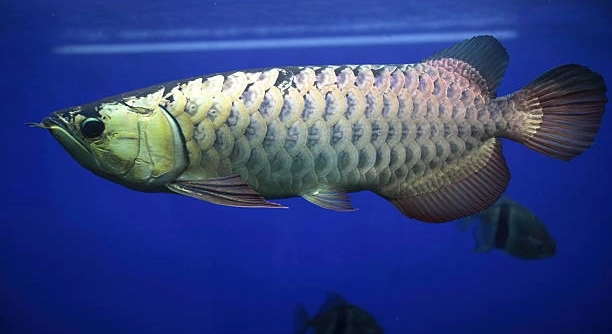
Owning an arowana can be exciting, yet challenging for beginners. Many new owners quickly realize there is more to caring for these fish than simply feeding and maintaining their tank environment properly.
Arowna care requires careful attention to water quality, diet, tank size, and behavior patterns. Understanding these elements early prevents stress, illness, and stunted growth, ensuring a healthy environment and supporting the long-term wellbeing of the fish.
Learning these key aspects can make ownership more rewarding. Each consideration plays a crucial role in creating a balanced and thriving aquatic habitat.
Understanding Tank Size and Space
Arowanas are large, active fish that need ample space to thrive. Many new owners underestimate the size of tank required for their growth. A small tank can lead to stress, stunted growth, and aggressive behavior. The minimum recommended size for a single arowana is around 250 gallons. It’s important to consider both length and width, as these fish swim horizontally and need room to maneuver. Adding decorations or plants should not restrict swimming space. Filtration and water circulation must match the tank’s size to maintain water quality. Regular monitoring of water parameters is essential, as arowanas are sensitive to sudden changes. Proper planning before purchase saves time, effort, and the wellbeing of the fish. Ensuring sufficient space from the start allows them to grow healthily, reducing the risk of injury and long-term health issues.
Adequate tank space prevents stress and aggressive behavior, allowing arowanas to develop naturally without physical or behavioral problems.
Choosing the right tank involves more than just volume. The shape of the tank matters too; long and wide tanks are better than tall, narrow ones. Filtration systems must handle large volumes of water efficiently. Overcrowding can cause health issues and increase waste buildup. Arowanas are powerful swimmers, so the tank should allow free movement. Lighting and temperature control also play a role in maintaining a stable environment. Regular water changes and cleaning reduce toxins that can harm the fish. Considering future growth is key, as these fish can exceed two feet in length. Even if the fish starts small, its potential size demands long-term planning. Providing the correct environment ensures that your arowana stays healthy, active, and visually stunning, making ownership more satisfying and less stressful.
Feeding and Nutrition
Arowanas require a varied and high-protein diet to grow properly.
Feeding only one type of food can lead to nutritional deficiencies and health problems, affecting their longevity and coloration.
Balanced feeding includes live food, frozen options, and pellets to cover all essential nutrients. Feeding too much or too often can cause obesity and water quality issues. Observing their eating habits helps adjust portions appropriately. Occasionally rotating food types encourages natural hunting behavior, keeping the fish engaged and healthy. Supplements like vitamins or calcium can support bone and scale development, especially for young or growing arowanas. Clean, fresh food reduces the risk of disease from spoiled or contaminated sources. Establishing a consistent feeding schedule maintains digestion and reduces waste buildup in the tank. By understanding their dietary needs, you can prevent illness and ensure your arowana grows strong, vibrant, and resilient over time.
Water Quality and Maintenance
Consistent water quality is essential for arowanas. Poor water conditions lead to stress, disease, and reduced growth. Regular monitoring of ammonia, nitrite, nitrate, and pH levels is crucial to prevent health problems and maintain a stable environment.
Filtration is key to maintaining clean water. Arowanas produce a significant amount of waste, so a strong filter suited to the tank’s size is necessary. Weekly partial water changes help remove toxins and replenish essential minerals. Temperature should remain stable between 75–82°F, and water hardness should be monitored to match their natural habitat. Sudden changes in water chemistry can shock the fish, affecting appetite and behavior. Investing in a quality test kit and following a consistent maintenance schedule ensures the tank stays safe and healthy for long-term arowana growth.
Neglecting water maintenance often results in stress-related diseases. Routine cleaning and monitoring prevent illness and support arowanas in thriving within their environment.
Understanding Behavior and Temperament
Arowanas are territorial and can be aggressive, especially in small tanks. Recognizing natural behaviors reduces risks of injury and stress.
These fish are highly intelligent and display clear signs of mood and health. They may jump out of the tank if startled, so a secure lid is important. Aggression toward other fish is common, particularly during feeding or when the tank is overcrowded. Observing swimming patterns, appetite, and interactions helps detect early signs of illness or stress. Arowanas often prefer solitary living, though some can coexist with large, non-aggressive species. Understanding behavior ensures proper tank setup and prevents conflicts that could harm the fish.
Providing an environment that mimics natural habitats reduces stress and encourages natural behavior. Recognizing social cues allows for better management of tank mates and helps maintain a peaceful setting. Feeding routines, tank enrichment, and consistent observation all contribute to arowanas feeling secure. Stress reduction directly affects their growth and coloration. Owners who understand temperament can prevent injuries from aggression and avoid costly mistakes. Learning these patterns improves both fish wellbeing and overall tank harmony. Behavioral awareness is key for long-term health and a satisfying ownership experience.
Tank Decoration and Hiding Spots
Minimal decorations are best for arowanas to allow free swimming. Avoid sharp or small objects that could injure their large, powerful bodies. Proper placement of hiding spots reduces stress and gives a sense of security.
Floating plants and smooth rocks provide shelter without restricting movement. Avoid overcrowding the tank with decorations that limit swimming space or interfere with filtration.
Health Monitoring and Disease Prevention
Regular observation is essential to detect early signs of disease in arowanas. Look for changes in appetite, swimming patterns, or physical appearance, such as discoloration or fin damage. Quarantining new fish prevents the introduction of pathogens. Preventative care, including water quality maintenance, proper diet, and minimal stress, is critical. Medications or treatments should only be applied when necessary and according to instructions to avoid harming the fish or the tank ecosystem. Early intervention improves recovery rates and reduces the risk of widespread illness, ensuring the arowana remains healthy and active over time.
Breeding Considerations
Breeding arowanas requires specific tank conditions, proper pairing, and careful observation to ensure both parents and fry are safe and healthy.
FAQ
How often should I feed my arowana?
Feeding frequency depends on age and size. Juvenile arowanas require feeding 2–3 times daily, while adults do well with once-a-day or every-other-day feeding. Portion control is important to prevent overfeeding and maintain water quality. Observe appetite and adjust portions as needed.
What is the ideal water temperature for arowanas?
Arowanas thrive in water between 75–82°F. Sudden temperature changes can stress the fish and affect appetite and immune response. Using a reliable heater and thermometer ensures a stable environment. Regular monitoring prevents fluctuations that can lead to illness.
Can arowanas live with other fish?
Arowanas are territorial and aggressive, especially in smaller tanks. They may coexist with large, non-aggressive species if the tank is spacious. Overcrowding or improper tank mates often leads to injury. Careful observation and separation when necessary are key.
How do I prevent arowana diseases?
Maintaining clean water, proper diet, and minimal stress reduces disease risk. Quarantining new fish, monitoring for behavioral changes, and avoiding sudden environment changes also help. Early intervention at the first signs of illness is crucial to ensure recovery.
What tank size is required for arowanas?
Arowanas grow large and need at least a 250-gallon tank for a single adult. Tank length and width matter more than height, providing ample swimming space. Proper filtration, circulation, and room for decorations without crowding are essential.
How can I improve arowana coloration?
Diet plays a major role in coloration. High-quality, protein-rich foods and occasional supplements can enhance colors. Exposure to consistent lighting, stable water parameters, and reduced stress also contribute to vibrant scales and overall health.
Do arowanas need hiding spots?
While they are strong swimmers, hiding spots reduce stress and provide security. Floating plants or smooth rocks are ideal. Avoid overcrowding, which limits swimming space and can lead to aggressive behavior. Proper tank design balances safety and mobility.
Why does my arowana jump out of the tank?
Arowanas may jump due to stress, sudden movements, or inadequate space. A secure lid is necessary to prevent injury. Ensuring a calm environment, stable water parameters, and sufficient swimming room reduces jumping incidents.
What should I do if my arowana stops eating?
Loss of appetite can signal illness, stress, or poor water quality. Check water parameters, temperature, and tank conditions. Adjust diet, remove potential stressors, and monitor behavior. Persistent refusal to eat may require consultation with an aquatic veterinarian.
How can I safely handle arowana maintenance?
Large, strong arowanas can injure themselves if handled improperly. Use nets carefully, avoid sudden movements, and perform water changes slowly. Minimizing stress during maintenance preserves health and ensures a smooth experience for both fish and owner.
What is the lifespan of an arowana?
With proper care, arowanas can live 15–20 years or longer. Consistent water quality, diet, and observation of behavior significantly influence lifespan. Long-term planning and regular maintenance support a healthy, active, and vibrant fish.
Can arowanas recognize their owners?
Arowanas can become familiar with regular feeding routines and may respond to human presence. This recognition is a form of conditioning rather than affection, but consistent interaction helps monitor health and behavior effectively.
How do I prevent aggression in arowanas?
Providing adequate tank space, minimizing overcrowding, and ensuring proper feeding reduces aggression. Observing social cues and separating aggressive individuals when necessary helps maintain peace and prevents injuries among tank inhabitants.
Are live foods necessary for arowanas?
Live foods are not strictly necessary but offer enrichment and stimulate natural hunting behavior. Frozen or high-quality pellets can provide balanced nutrition safely. A combination of both supports health, growth, and mental engagement.
How often should I change the water?
Partial water changes of 20–30% weekly help maintain clean water and stable parameters. More frequent changes may be needed in heavily stocked tanks. Regular monitoring ensures that water conditions remain optimal for growth and wellbeing.
Can arowanas recognize tank mates?
Arowanas notice other fish and may display aggression or territorial behavior. Recognition is based on movement and presence, not social bonding. Proper tank selection and observation prevent stress and injury from incompatible tank mates.
What are common signs of illness?
Changes in appetite, swimming behavior, coloration, or fin condition indicate potential illness. Early detection allows prompt treatment. Maintaining clean water and stable conditions reduces disease risk, supporting long-term health and growth.
Is it necessary to supplement arowanas with vitamins?
Supplements may be beneficial, particularly for young or growing fish, to support scale and bone development. Use sparingly and follow instructions to avoid over-supplementation, which can harm the fish or affect water quality.
How do I choose a healthy arowana?
Select fish with clear eyes, intact fins, smooth scales, and active swimming. Avoid fish with visible injuries, discoloration, or lethargy. Observing behavior in the store or breeder setting helps ensure a strong, healthy selection for long-term care.
Can arowanas recognize feeding times?
Arowanas often anticipate feeding and become active when food is offered. Consistent schedules support appetite, reduce stress, and help monitor behavior and health effectively over time.
How do I prevent scale damage?
Avoid rough decorations, overcrowding, or sudden movements during maintenance. Smooth surfaces and careful handling reduce the risk of scratches or injuries that could lead to infections. Proper care supports healthy, shiny scales throughout their life.
What is the best lighting setup?
Moderate, consistent lighting enhances coloration and supports overall health. Avoid intense or flickering lights, which can stress the fish. Natural light cycles or timers help maintain a stable day-night rhythm in the tank.
How long can arowanas go without food?
Adult arowanas can survive a few days without food, but extended fasting weakens their immune system. Consistent feeding supports health, growth, and energy levels. Occasional fasting may be acceptable under observation.
How do I acclimate a new arowana?
Introduce new fish gradually, adjusting them to water temperature and chemistry slowly. Floating the bag in the tank and adding small amounts of tank water over time reduces stress and increases survival chances.
Is it necessary to quarantine new fish?
Quarantine is highly recommended to prevent introducing diseases. Isolate new arrivals for 2–4 weeks, monitor for illness, and treat if necessary before introducing them to the main tank. This protects existing fish and maintains a stable environment.
How can I encourage natural hunting behavior?
Occasional live or moving foods stimulate instincts. Using feeding tools or varying food presentation keeps the fish engaged. Encouraging natural behaviors improves mental stimulation and overall wellbeing in a controlled tank environment.
What are common behavioral mistakes owners make?
Overcrowding, overfeeding, improper tank setup, and ignoring water quality are frequent errors. Observing fish carefully and providing adequate space, diet, and stable conditions reduces stress and prevents long-term health issues.
How do I handle arowanas during illness?
Minimize stress by isolating affected fish, maintaining optimal water quality, and following treatment instructions carefully. Gentle observation and consistent care support recovery without causing additional harm.
Are arowanas sensitive to noise or vibrations?
Arowanas can react to loud noises or sudden vibrations, which may trigger jumping or stress. Maintaining a calm environment and avoiding sudden disturbances helps the fish feel secure and reduces risky behavior.
Can arowanas live in smaller tanks temporarily?
While short-term confinement may be tolerated, small tanks increase stress and limit growth. Extended periods in undersized tanks lead to health issues, so adequate space is essential for long-term wellbeing.
How do I manage aggressive behavior during feeding?
Feed in separate zones, provide enough food, and avoid overcrowding. Observing behavior and adjusting feeding strategies reduces fighting and stress, ensuring all fish receive proper nutrition.
What is the best diet for young arowanas?
Juveniles benefit from high-protein foods, small live or frozen items, and quality pellets. Balanced nutrition supports growth, scale development, and immune health. Rotate foods to prevent deficiencies and encourage natural feeding behavior.
How often should I test water parameters?
Frequent testing, at least weekly, ensures safe ammonia, nitrite, nitrate, and pH levels. More frequent checks may be needed during water changes or after introducing new fish. Early detection of imbalances prevents stress and illness.
What are the risks of overfeeding?
Overfeeding leads to poor water quality, obesity, and digestive issues. Uneaten food decomposes, increasing toxins and stressing the fish. Monitoring portions and adjusting according to appetite prevents these problems and supports long-term health.
Can arowanas adapt to pellet-only diets?
Yes, high-quality pellets can meet nutritional needs, though occasional variety improves enrichment. Gradual transition helps the fish accept pellets without stress or refusal. Proper storage ensures freshness and nutrient retention.
How do I prevent jumping injuries?
A secure lid, stable environment, and minimizing sudden movements reduce jumping risk. Observing behavior and providing adequate swimming space keeps the fish safe and prevents stress-related accidents.
What are the signs of stress in arowanas?
Erratic swimming, hiding, loss of appetite, color fading, or fin damage indicate stress. Identifying and correcting water quality, tank setup, and feeding routines can help the fish recover and prevent long-term harm.
How can I support growth in arowanas?
Proper tank size, balanced diet, clean water, and minimal stress promote healthy growth. Regular observation ensures adjustments can be made if growth appears stunted or if behavioral issues arise.
Can arowanas live outdoors?
Outdoor tanks are risky due to temperature fluctuations, predators, and exposure to contaminants. Controlled indoor environments are safer for long-term health, growth, and survival.
What are the common mistakes in pairing arowanas for breeding?
Pairing incompatible sizes, ignoring temperament, and inadequate tank setup often lead to aggression or injury. Proper observation, adequate space, and careful selection increase breeding success while minimizing risks to both fish.
Is it necessary to provide enrichment in the tank?
Yes, enrichment stimulates natural behaviors and reduces boredom. Using floating objects, varied feeding, or subtle tank changes encourages activity and supports mental wellbeing.
How do I manage tank cleaning without stressing my arowana?
Perform water changes slowly, avoid sudden movements, and maintain a calm environment. Proper preparation and gentle handling reduce stress and prevent injury while ensuring clean, safe water.
What is the impact of poor water circulation?
Insufficient circulation causes oxygen depletion, waste accumulation, and uneven temperature, stressing the fish. Proper pumps, filters, and flow management maintain a stable, healthy environment.
Can arowanas recognize feeding tools or routines?
Yes, they often anticipate feeding by observing tools, sounds, or routines. Consistency helps maintain appetite and allows owners to monitor health effectively.
How do I ensure long-term health for my arowana?
Stable water quality, balanced diet, proper tank setup, regular observation, and stress reduction are key. Understanding behavior, preventing illness, and planning for growth ensures a healthy, vibrant fish throughout its life.
Arowanas are fascinating and impressive fish that require careful attention and proper care. Many new owners underestimate the responsibilities involved, from providing a suitable tank to monitoring water quality and behavior. These fish grow large, are highly active, and need space to swim freely. Understanding the basic requirements early helps prevent common problems such as stress, illness, or aggression. A balanced diet, consistent feeding schedule, and clean, stable water are essential elements that support their long-term health. Regular observation of your arowana’s behavior, appetite, and appearance allows for early detection of issues, helping to address them before they become serious. Taking these steps ensures your fish can thrive and display its full potential in terms of size, strength, and coloration.
Tank setup plays a crucial role in the wellbeing of arowanas. Choosing the right size and shape is not just about the volume of water but also about providing enough horizontal space for swimming and room for safe decorations or hiding spots. Overcrowding, sharp objects, or poor filtration can lead to injuries, stress, and behavioral problems. Water temperature, pH levels, and chemical balance must be maintained consistently, as sudden changes can impact the fish’s health. Adequate filtration and circulation prevent waste buildup and maintain oxygen levels, supporting growth and vitality. Regular partial water changes and careful cleaning routines reduce the risk of disease while allowing the owner to monitor the environment closely. Proper tank design and ongoing maintenance are as important as diet when it comes to keeping arowanas healthy.
Behavior and temperament are additional factors that require attention. Arowanas are intelligent and territorial, and they may show aggression toward other fish or react strongly to disturbances. Understanding their natural instincts, such as jumping, hunting, and territoriality, helps in managing tank conditions and interactions effectively. Providing mental stimulation through varied food and occasional enrichment can reduce boredom and stress. Observing social cues and knowing when to separate fish ensures safety for both the arowana and potential tank mates. Over time, owners often become familiar with their fish’s habits and can adjust care routines accordingly. By combining proper tank setup, water maintenance, diet, and behavior management, arowana owners can create an environment where their fish can live a long, healthy, and active life, making ownership a rewarding experience.

Hello,
If you enjoy the content that we create, please consider saying a "Thank You!" by leaving a tip.
Every little bit helps us continue crafting quality advice that supports the health, happiness, and well-being of pets around the world, for pets of all shapes, sizes, and species.
We really appreciate the kindness and support that you show us!