
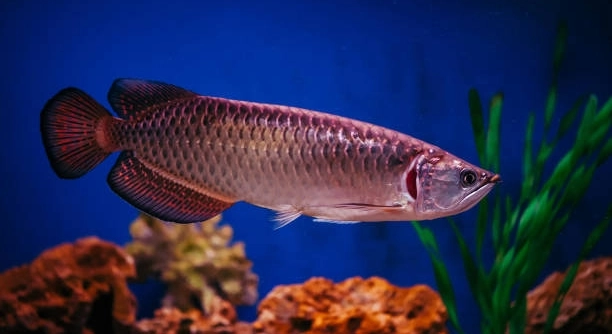
Do you ever find yourself admiring the elegance of Arowanas but feel unsure about what you’ve heard about them? These fish have long been surrounded by myths that can confuse both new and experienced owners.
Arowanas are often misunderstood due to widespread myths about their behavior, care, and compatibility. Many assumptions, such as their need for constant feeding or their inherent aggression, are not fully accurate and require careful clarification.
Understanding the truth behind these common misconceptions will help you provide better care for your Arowana and enjoy a more rewarding experience as an owner.
Arowanas Are Always Aggressive
Many people assume that Arowanas are naturally aggressive and will attack other fish without warning. While they can display territorial behavior, aggression is often overstated. Proper tank size, careful selection of tank mates, and environmental enrichment can significantly reduce conflicts. Stress, overcrowding, or poor water quality can trigger defensive behavior, but these factors are manageable with consistent care. Understanding their social needs is essential for a balanced aquarium. Not all Arowanas behave the same, and observing individual temperaments helps determine compatibility with other species.
Aggression is not a fixed trait and can be managed with the right conditions and awareness of their needs.
Providing an enriched environment with adequate swimming space and hiding spots allows Arowanas to feel secure. Regular monitoring of interactions and adjusting the tank layout as needed can prevent most disputes. Choosing compatible species and avoiding sudden introductions also keeps the tank peaceful. Overfeeding or lack of stimulation may increase aggression, so a consistent routine and proper diet are important. These steps make Arowanas calmer and more interactive, reducing stress for both the fish and the owner.
Arowanas Require Constant Feeding
It is commonly believed that Arowanas must be fed multiple times a day to thrive. This is not true, as overfeeding can lead to obesity and poor water quality.
Arowanas are large fish, but they only need a balanced diet provided once or twice daily.
Feeding should focus on high-quality pellets, live or frozen foods, and occasional treats like insects or small fish. Portion control is critical to avoid uneaten food decaying in the tank. Arowanas have a slow metabolism compared to smaller species, and excessive feeding can stress their organs. Observing their natural eating patterns and adjusting quantities prevents health issues. Maintaining a feeding schedule also helps monitor their appetite and detect illness early. Supplementing their diet with vitamins and minerals supports growth, coloration, and immune function. With proper feeding management, Arowanas remain healthy and active without constant attention, and their behavior remains stable in the tank environment.
Arowanas Only Live in Large Tanks
Arowanas can adapt to medium-sized tanks if their needs are met. While larger tanks are ideal, proper filtration, regular water changes, and careful monitoring allow them to thrive in smaller spaces without compromising health.
Providing a well-maintained tank is more important than simply increasing its size. Water quality, temperature, and oxygenation must be consistent, and hiding spots or floating plants help reduce stress. Even in moderate tanks, Arowanas need sufficient swimming space and a stable environment. Tank shape matters too—longer tanks allow better movement than tall, narrow setups. Regular maintenance and attention to water parameters ensure Arowanas remain healthy, active, and display natural behaviors regardless of tank size.
It is a misconception that only massive tanks can support these fish. Many owners successfully maintain Arowanas in smaller setups by focusing on quality over quantity. Attention to diet, cleanliness, and enrichment keeps them vibrant and minimizes aggression. Consistent monitoring for early signs of illness or stress allows adjustments before serious problems develop. Smaller tanks also make it easier to manage water changes and observe behavior closely. By prioritizing tank conditions and care routines, Arowanas remain healthy, adaptable, and show strong coloration without the need for an oversized aquarium.
Arowanas Can Eat Anything
Arowanas require a balanced diet and cannot thrive on random foods. Feeding them inappropriate items can cause digestive problems and nutritional deficiencies.
Arowanas need high-protein foods such as pellets, insects, small fish, or shrimp. Variety is important to provide vitamins and minerals, but sudden diet changes can lead to stress or refusal to eat. Proper feeding portions prevent overfeeding and maintain water quality, which is essential for long-term health.
Feeding live prey can stimulate natural hunting instincts, but it must be free from parasites or toxins. Frozen or pellet options provide controlled nutrition and reduce health risks. Overreliance on a single food type leads to deficiencies or obesity. Balanced feeding routines, combined with observation of appetite and behavior, help maintain vitality and growth. Supplements may support immune function and coloration, but should not replace a varied diet. Attention to feeding habits ensures Arowanas remain strong, active, and visually impressive, without compromising their well-being in the tank environment.
Arowanas Are Hard to Train
Arowanas can learn simple routines with patience and consistency. They recognize feeding times and may respond to hand signals or presence, showing they are capable of basic conditioning with gentle repetition.
Training is not complicated. Short, consistent sessions with positive reinforcement allow them to adapt to routines.
Arowanas Are Fragile Fish
Arowanas are resilient if kept in stable conditions. Sudden changes in water temperature, pH, or quality can stress them, but careful monitoring prevents most health issues. Proper care makes them strong and long-lived, capable of thriving in a home aquarium for many years.
Arowanas Need Constant Companionship
Arowanas do not require other fish to feel secure. They can live alone without stress, as long as their environment is enriched and feeding needs are met.
FAQ
How often should I feed my Arowana?
Feeding once or twice a day is sufficient for adult Arowanas. Overfeeding can lead to obesity and poor water quality. Juveniles may require slightly more frequent feedings, but the portions should remain controlled. Observing appetite and adjusting accordingly ensures they stay healthy.
Can Arowanas live with other fish?
Yes, but careful selection is required. Arowanas are territorial, and aggressive or small fish may be at risk. Choosing similarly sized, peaceful species reduces conflicts. Providing hiding spots and monitoring behavior regularly helps maintain a stable tank environment.
What is the ideal tank size for an Arowana?
While larger tanks are recommended, medium-sized tanks can work with proper care. Arowanas need swimming space, stable water parameters, and enrichment. Long tanks are preferable to tall, narrow ones, as they allow better movement and reduce stress.
Do Arowanas need special water conditions?
Arowanas prefer slightly acidic to neutral pH, consistent temperature between 75–82°F, and excellent filtration. Regular water changes and monitoring of ammonia, nitrite, and nitrate levels are essential. Clean, stable water reduces stress and prevents disease.
How can I manage aggression in Arowanas?
Aggression can be minimized by providing ample space, enrichment, and compatible tank mates. Avoid overcrowding and sudden introductions. Observing interactions and adjusting tank layout as needed helps maintain peace. Stress and overfeeding can increase aggression, so careful routine management is key.
What should I feed my Arowana?
A balanced diet of high-quality pellets, live or frozen insects, shrimp, and small fish is recommended. Variety is important for vitamins and minerals. Avoid overreliance on a single food type. Supplements can support coloration and immunity but should not replace a varied diet.
Can Arowanas be trained?
Yes, Arowanas can learn simple routines. They may recognize feeding times and respond to hand signals. Short, consistent training sessions with positive reinforcement help them adapt to routines, improving interaction and making care more manageable.
How do I prevent disease in my Arowana?
Maintaining clean water, a stable environment, and a balanced diet is crucial. Quarantine new fish, avoid overfeeding, and monitor for unusual behavior. Early detection of illness allows prompt treatment, increasing survival rates and long-term health.
How long do Arowanas live?
With proper care, Arowanas can live 10–20 years or longer. Consistent feeding, clean water, stable tank conditions, and regular health monitoring contribute to their longevity and overall well-being.
Are Arowanas sensitive to tank changes?
Yes, sudden changes in temperature, pH, or water quality can stress them. Gradual adjustments and careful observation prevent shock. Maintaining a consistent environment supports health, reduces stress, and ensures they remain active and vibrant.
Do Arowanas need companions?
Arowanas can live alone without stress. Proper tank enrichment, feeding, and care fulfill their needs. While they may coexist with other species, companionship is not required for their well-being or happiness.
What are common mistakes Arowana owners make?
Overfeeding, inadequate tank size, poor water quality, and improper diet are frequent mistakes. Aggression is often misunderstood, leading to unnecessary stress. Regular monitoring, careful feeding, and observing behavior prevent most issues.
Can Arowanas jump out of the tank?
Yes, Arowanas are powerful jumpers. A secure lid or cover is necessary to prevent accidents. High water levels and open spaces increase the risk, so precautions are essential for safety.
How do I know if my Arowana is healthy?
Healthy Arowanas have clear eyes, smooth scales, vibrant color, and consistent swimming patterns. Appetite is steady, and they show curiosity without excessive aggression. Changes in behavior, coloration, or appetite may indicate health issues.
Is it expensive to maintain an Arowana?
Arowanas require investment in a proper tank, filtration, diet, and maintenance. Costs vary with tank size, food quality, and accessories. Consistent care ensures long-term savings by preventing health problems and reducing stress-related issues.
What enrichment can I provide for Arowanas?
Floating plants, hiding spots, and open swimming areas create a stimulating environment. Rotating decorations occasionally prevents boredom. Feeding enrichment, like live prey or varied foods, encourages natural behavior and keeps the fish active.
Can Arowanas tolerate different climates?
Arowanas are tropical fish and require warm water. Room temperature outside their ideal range can stress them, so heaters or climate control are necessary in cooler regions. Consistency in temperature supports immune function and activity.
How do I introduce a new Arowana to my tank?
Quarantine the new fish first to prevent disease. Introduce slowly, observing behavior closely. Rearrange decorations to minimize territorial disputes and monitor water quality. Gradual acclimation reduces stress and increases compatibility with existing fish.
What signs indicate an Arowana is stressed?
Signs include rapid gill movement, hiding, loss of appetite, color fading, or erratic swimming. Stress often results from poor water quality, overcrowding, sudden changes, or incompatible tank mates. Prompt intervention helps prevent illness and behavioral issues.
Can Arowanas survive without a heater?
Only in regions with consistently warm water. Temperature fluctuations outside 75–82°F can weaken their immune system and increase disease risk. Heaters or controlled environments are necessary for stable, healthy living conditions.
Are Arowanas compatible with small fish?
No, small fish are often seen as prey. Compatibility requires careful selection of similarly sized, peaceful species. Providing adequate space and monitoring interactions is essential to prevent predation or stress.
Do Arowanas need special lighting?
Lighting enhances color and supports natural behavior but is not essential for survival. A consistent day-night cycle, with moderate intensity, helps maintain normal activity and reduces stress. Excessive lighting can cause algae growth and stress the fish.
Can I keep multiple Arowanas together?
Yes, but it requires a very large tank and careful selection based on size and temperament. Aggression may occur, so monitoring interactions, providing enrichment, and ensuring ample space is crucial for coexistence.
How often should I change the water?
Regular water changes, typically 20–30% weekly, maintain cleanliness and water quality. Overlooking this can lead to ammonia or nitrite buildup, causing stress and health issues. Consistency is key to a stable environment.
What is the best substrate for an Arowana tank?
Sand or smooth gravel works well. Sharp or rough substrates can injure the fish, especially bottom-contact areas. Substrate choice should prioritize safety, ease of cleaning, and maintaining water quality.
Can Arowanas jump during feeding?
Yes, they may jump when excited or chasing food. Feeding over open water increases this risk. A secure lid and careful feeding techniques prevent accidents and keep them safe.
How do I prevent color fading in Arowanas?
A balanced diet, proper lighting, clean water, and minimal stress help maintain vibrant coloration. Supplements can enhance color, but a healthy environment and diet are more important for long-term vibrancy.
Are Arowanas prone to diseases?
They are susceptible to common freshwater diseases if water quality, diet, or tank conditions are poor. Maintaining a stable environment, monitoring health, and quarantining new fish prevent most illnesses.
Can Arowanas live in community tanks?
Community tanks are possible with careful planning. Avoid small or aggressive species, provide adequate space, and monitor interactions. Some Arowanas remain calm, but individual temperament determines success.
Do Arowanas need decorations in the tank?
Yes, decorations provide enrichment and reduce stress. Hiding spots, floating plants, and open swimming areas create a balanced environment. Rotating decor occasionally keeps the tank stimulating and encourages natural behavior.
How can I tell the gender of an Arowana?
Gender is difficult to distinguish visually. Subtle differences in body shape or head size may appear in mature fish, but definitive identification often requires professional observation or breeding behavior analysis.
What should I do if my Arowana refuses to eat?
Check water quality, temperature, and stress factors first. Offer a variety of foods, reduce feeding frequency temporarily, and observe for illness. Persistent refusal may require veterinary advice or quarantine procedures.
Are Arowanas suitable for beginners?
They can be kept by beginners with proper research and preparation. Understanding tank size, diet, aggression, and water quality is essential. Commitment to consistent care is key for a healthy, long-lived Arowana.
Can Arowanas jump out during water changes?
Yes, they may react to sudden movements. Always cover the tank during changes and handle water carefully to prevent accidents. Careful planning minimizes risk.
Do Arowanas recognize their owners?
They can learn feeding routines and respond to presence, showing recognition and conditioned behavior. Interaction strengthens their adaptation to the tank environment.
How fast do Arowanas grow?
Growth depends on species, diet, tank size, and water quality. Proper care promotes steady growth, while poor conditions slow development or cause deformities. Observation and adjustments help maintain healthy growth rates.
Can Arowanas survive on pellets alone?
High-quality pellets provide basic nutrition, but variety with live or frozen foods ensures vitamins, minerals, and enrichment. Sole reliance on pellets may lead to deficiencies or reduced activity.
What is the best temperature range for Arowanas?
Maintain 75–82°F consistently. Temperatures outside this range stress the fish, weaken immunity, and reduce activity. Heaters or controlled environments are recommended for stability.
Are Arowanas sensitive to pH changes?
Yes, sudden pH shifts can stress them. Keep pH slightly acidic to neutral (6.5–7.5) and monitor regularly to maintain health. Consistency reduces disease risk.
Can Arowanas jump out during feeding with live prey?
Yes, excitement increases jumping risk. Feed over open water cautiously and ensure the tank is securely covered to prevent accidents.
How do I reduce Arowana stress?
Maintain stable water, proper diet, enrichment, and a calm environment. Avoid overcrowding, sudden changes, and incompatible tank mates. Observation helps detect stress early.
Do Arowanas need a strong filter?
Yes, effective filtration maintains water quality, removes debris, and supports oxygenation. Arowanas produce significant waste, so a strong, reliable filter is necessary for a healthy tank.
How often should I monitor water parameters?
Check ammonia, nitrite, nitrate, pH, and temperature at least weekly. Frequent monitoring prevents health issues and ensures a stable environment for long-term well-being.
Are Arowanas nocturnal?
No, they are primarily active during the day but may show activity at night if disturbed or stressed. Proper lighting supports their natural rhythm.
Can Arowanas coexist with catfish?
Some species may coexist if size-compatible and non-aggressive. Monitor behavior closely, as territorial disputes or predation can occur. Tank size and hiding spots help reduce conflicts.
What is the ideal water hardness for Arowanas?
Soft to moderately hard water is preferred. Extreme hardness can stress the fish and affect growth or coloration. Regular testing ensures parameters remain within safe ranges.
Do Arowanas need aeration?
Yes, sufficient oxygen is necessary, especially in larger tanks. Air pumps, surface agitation, or proper filtration maintain oxygen levels and overall health.
How long can Arowanas go without food?
Adult Arowanas can survive several days without feeding, but prolonged fasting may weaken immunity. Juveniles require more frequent meals for growth.
Are Arowanas suitable for planted tanks?
Yes, but care is needed. They may uproot delicate plants, so hardy species or anchored plants work best. Plants provide enrichment and shelter without compromising space.
Can Arowanas live in cold climates?
Only with temperature control. Cold water stresses them and reduces immunity. Heaters or controlled environments are necessary for survival and health.
Do Arowanas need a quarantine period?
Yes, new fish should be quarantined to prevent disease transmission. A minimum of two weeks helps ensure health before introducing them to the main tank.
Are Arowanas sensitive to noise?
They may be startled by loud or sudden noises, causing stress or jumping. A calm environment supports normal behavior and reduces risk.
Can Arowanas survive in brackish water?
Some species tolerate slightly brackish conditions, but most prefer freshwater. Maintaining optimal water parameters is critical for long-term health.
How do I prevent fin damage in Arowanas?
Avoid sharp decorations and aggressive tank mates. Regular water changes and monitoring prevent fungal or bacterial infections that can affect fins.
Can Arowanas breed in captivity?
Breeding is possible but challenging. Large tanks, proper diet, and monitoring are required. Mating behavior and care of fry demand experience and patience.
Are Arowanas sensitive to light changes?
Yes, sudden bright or dim lighting can stress them. Gradual adjustments and a consistent day-night cycle maintain normal behavior and reduce anxiety.
What is the best diet for juvenile Arowanas?
Juveniles need high-protein foods such as small insects, pellets, or shrimp. Frequent feeding with controlled portions supports healthy growth and strong immune development.
Can Arowanas coexist with turtles?
Coexistence is risky. Turtles may harm or outcompete Arowanas for food. Tank size, monitoring, and careful introductions are necessary but still unpredictable.
Do Arowanas need hiding spots?
Yes, hiding spots reduce stress, provide security, and encourage natural behavior. Even dominant individuals benefit from occasional shelter in the tank.
How fast do Arowanas grow in captivity?
Growth rates depend on diet, water quality, and tank size. Healthy conditions promote steady development, while poor care slows growth or causes deformities.
What supplements are beneficial for Arowanas?
Vitamins and minerals can enhance color and immunity. Supplements should complement a varied diet, not replace it. Overuse can cause health issues.
Can Arowanas recognize feeding signals?
Yes, they learn routines and may associate hand movements or presence with food. Consistent signals improve feeding efficiency and interaction.
Are Arowanas compatible with goldfish?
No, goldfish are too small and may be seen as prey. Aggression or predation is likely, making them unsuitable tank mates.
Do Arowanas require specific tank shapes?
Longer tanks are preferred to allow swimming. Tall, narrow tanks limit movement and can increase stress. Shape affects exercise and overall well-being.
Can Arowanas tolerate low oxygen levels?
No, low oxygen stresses them and may lead to health issues. Proper filtration, surface agitation, and aeration maintain safe oxygen levels.
What is the best way to acclimate an Arowana?
Float the bag in the tank, gradually mix tank water over 30–60 minutes, then release carefully. Slow acclimation prevents stress and shock.
Do Arowanas need water conditioners?
Yes, conditioners remove chlorine, chloramine, and heavy metals, making tap water safe for fish. Regular use ensures consistent water quality.
How can I tell if my Arowana is growing properly?
Consistent growth, bright coloration, smooth scales, and active swimming indicate healthy development. Stunted growth or lethargy may signal health issues or poor nutrition.
Can Arowanas survive sudden water changes?
No, abrupt changes in temperature or chemistry can cause stress or shock. Gradual adjustments and careful monitoring prevent problems.
Are Arowanas prone to jumping at night?
Yes, sudden disturbances or reflections can cause nighttime jumps. Secure lids and stable lighting reduce accidents.
How do I clean an Arowana tank safely?
Use siphons, remove debris, and perform partial water changes. Avoid harsh chemicals and handle the fish minimally. Consistency keeps water parameters stable.
What is the best way to monitor Arowana health?
Observe appetite, swimming patterns, color, and behavior. Regular water tests and visual inspections detect early signs of illness. Prompt attention ensures long-term well-being.
Can Arowanas tolerate different water hardness?
Moderate water hardness is best. Extreme softness or hardness can stress them and affect growth, coloration, and immunity. Monitoring helps maintain suitable conditions.
Do Arowanas require tank mates for mental stimulation?
No, enrichment, proper diet, and environmental features suffice. Tank mates may be added carefully but are not necessary for mental well-being.
Can Arowanas live in outdoor ponds?
Only in warm climates with protection from predators, temperature fluctuations, and poor water quality. Controlled conditions are essential for survival.
Are Arowanas sensitive to chemicals?
Yes, cleaning agents, pesticides, and medications can harm them. Always use fish-safe products and avoid contamination of the tank environment.
How do I prevent algae buildup in an Arowana tank?
Control lighting, maintain water quality, and avoid overfeeding. Algae-eating species can help, but regular cleaning is the most effective method.
Can Arowanas survive without a filter?
They may survive briefly, but long-term health requires filtration to remove waste, maintain water quality, and provide oxygenation.
Do Arowanas require temperature stability at night?
Yes, fluctuations can stress them. Heaters or controlled environments ensure consistent nighttime temperatures, supporting immune function and reducing stress.
Can Arowanas coexist with plecos?
Yes, generally peaceful plecos can live with Arowanas if tank size is adequate and hiding spots are provided. Monitor behavior for occasional disputes.
What is the most common health issue in Arowanas?
Poor water quality and overfeeding lead to diseases such as fin rot, swim bladder issues, or bacterial infections. Preventive care reduces risk.
Do Arowanas need supplemental UV lighting?
Not necessary for survival. Moderate lighting supports color and activity. UV can help prevent algae or pathogens but is not required for health.
How do I know when my Arowana is ready to breed?
Mature size, paired behavior, and readiness to court indicate potential breeding. Successful breeding requires experience, proper tank setup, and monitoring.
Can Arowanas survive on frozen food alone?
Frozen foods provide nutrition but may lack variety. Combining pellets, frozen, and live foods ensures balanced diet and enrichment.
Are Arowanas sensitive to vibrations?
Yes, constant vibrations can stress them. Keep tanks on stable surfaces and away from heavy machinery or foot traffic.
How can I maintain consistent water parameters for Arowanas?
Regular testing, water changes, stable temperature, proper filtration, and avoiding sudden additions or chemical changes keep parameters steady. Consistency supports health and longevity.
Do Arowanas need weekly health checks?
Frequent observation
Arowanas are often surrounded by myths that can make caring for them seem more complicated than it actually is. Many common beliefs about their behavior, diet, and tank requirements are exaggerated or entirely incorrect. Understanding the truth about Arowanas allows owners to provide a proper environment, maintain their health, and enjoy their natural beauty without unnecessary stress. While these fish are large and striking, they are not impossible to care for. By following consistent care routines, monitoring water quality, and offering a balanced diet, Arowanas can thrive in home aquariums. Owners should focus on providing stable conditions rather than worrying about myths that suggest extreme measures or unrealistic expectations.
It is important to remember that each Arowana has its own personality and temperament. Some may display more territorial behavior, while others are calmer and more tolerant of tank mates. Observing their habits and adjusting tank conditions accordingly ensures that they remain healthy and stress-free. Providing an enriched environment with adequate swimming space, hiding spots, and appropriate decorations reduces aggression and encourages natural behaviors. Feeding should be consistent, with high-quality pellets, live or frozen foods, and occasional supplements for color and immune support. Overfeeding or relying on a single food type can harm their health, so moderation and variety are essential.
Overall, successful Arowana care comes down to knowledge, attention, and patience. They do not require constant companionship or excessive handling, but they do need stable water conditions, appropriate nutrition, and space to move freely. Ignoring myths and focusing on factual care practices will help these fish thrive for many years, providing beauty and interest in the home aquarium. By respecting their needs, monitoring their health, and maintaining a clean, consistent environment, owners can enjoy the elegance of Arowanas while avoiding common pitfalls. These fish are resilient, intelligent, and rewarding to care for when approached with understanding rather than fear or misinformation.

Hello,
If you enjoy the content that we create, please consider saying a "Thank You!" by leaving a tip.
Every little bit helps us continue crafting quality advice that supports the health, happiness, and well-being of pets around the world, for pets of all shapes, sizes, and species.
We really appreciate the kindness and support that you show us!