
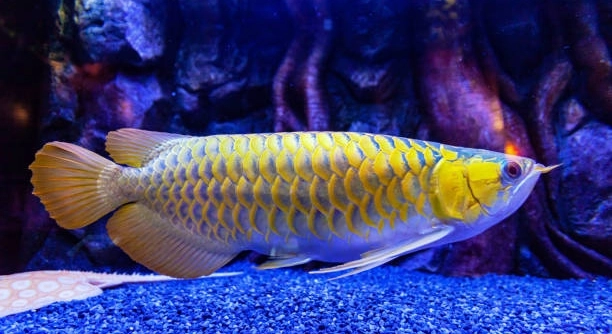
Arowanas are admired for their elegance and striking appearance, often seen gliding gracefully in aquariums. Many enthusiasts find themselves fascinated by their shimmering scales and dynamic behavior, yet common misconceptions often surround these captivating fish.
Several myths about arowanas persist, including beliefs about their care, feeding habits, and temperament. Scientific observations and practical experience show that many assumptions are inaccurate, and correcting them is essential for responsible ownership and the fish’s well-being.
Knowing the truth behind these misconceptions can improve your care approach and help arowanas thrive in home environments. Proper understanding ensures both the fish and owner benefit fully from this beautiful species.
Myth 1: Arowanas Can Live in Small Tanks
Many people assume that arowanas can adapt to small tanks, thinking they are easy to accommodate. In reality, these fish grow quite large and need significant swimming space. A tank that is too small can stress the fish, stunt growth, and make them more prone to illness. Proper tank size is essential not only for physical health but also for behavior. Arowanas are active swimmers and need long, open areas to move freely. Crowding leads to increased aggression and can affect feeding habits. Water quality is also harder to maintain in smaller tanks, causing harmful fluctuations in ammonia and nitrate levels. Investing in a tank that matches their adult size is a key step in ensuring arowanas live healthy, longer lives. Choosing the right filtration system and regular maintenance routines complements the proper space, supporting their natural activity and overall well-being.
Small tanks can limit an arowana’s growth and lead to stress-related health issues. Proper space is necessary for long-term care.
Giving arowanas enough space enhances their movement and reduces territorial behavior. A large tank also allows for better water circulation and easier filtration, maintaining stable water parameters. This ensures the fish remain active and display natural behaviors. Planning ahead for tank size saves complications later and supports a healthier environment.
Myth 2: Arowanas Are Aggressive by Nature
Arowanas are often labeled as aggressive fish, leading many to avoid keeping them with other species. While they can show territorial behavior, aggression largely depends on the tank environment and social setup. Proper tank size and hiding areas reduce confrontations. Aggression is often exaggerated in small or poorly arranged tanks, making it appear that arowanas are naturally hostile. Feeding schedules and tank companions also influence their behavior, and careful planning helps maintain a calmer atmosphere. Observing the fish over time provides a more accurate understanding of their temperament, rather than relying solely on reputation.
With the right environment, arowanas can coexist peacefully and display balanced behavior. Aggression is not inevitable.
Arowanas may exhibit dominant tendencies, but they can adapt to a community setting under controlled conditions. Providing adequate space, visual barriers, and compatible tank mates minimizes stress and territorial disputes. Consistent feeding routines and environmental enrichment, like floating plants or driftwood, help maintain a stable routine, reducing the likelihood of aggressive outbursts. Proper care allows the fish to show their natural curiosity and intelligence rather than constant hostility, making them more manageable and enjoyable to observe.
Myth 3: Arowanas Only Eat Live Food
Arowanas can eat prepared foods and pellets, not just live prey. While they enjoy live fish or insects, high-quality pellets provide balanced nutrition and are safer for long-term health.
Switching to pellets gradually helps prevent stress and ensures they receive necessary vitamins and minerals. Many arowanas adapt well to non-live diets when introduced properly. Live food can carry parasites or diseases, making pellets a safer alternative. Offering variety, including frozen or freeze-dried options, keeps feeding interesting while reducing health risks. Proper feeding routines maintain their energy levels and support growth without relying exclusively on live food.
Including prepared foods does not reduce their activity or natural hunting instincts. Offering occasional live treats is fine, but pellets and frozen options are sufficient for a balanced diet. Regular feeding schedules with diverse food types help maintain optimal health and prevent dietary deficiencies.
Myth 4: Arowanas Are Low-Maintenance Fish
Arowanas require consistent care, including large tanks, proper filtration, and water monitoring. They are not simple fish to keep.
Regular water changes, careful temperature management, and tank cleaning are essential for their health. Neglecting these can lead to stress, disease, and poor growth. Arowanas thrive with routine attention and stable conditions. Monitoring ammonia, nitrite, and nitrate levels is critical. Adequate space and environmental enrichment reduce boredom and aggression. Tank setup should match adult size to avoid long-term complications.
Maintaining a healthy environment involves more than feeding. Investing time in tank upkeep, observing behavior, and adjusting care based on individual needs ensures longevity. Arowanas are sensitive to changes in water parameters, and their immune systems respond to stress. Proper filtration, aeration, and occasional testing are non-negotiable for their survival. While they are striking and impressive fish, they demand attention to water quality, diet, and social conditions. Understanding these requirements allows them to thrive and display natural behaviors consistently.
Myth 5: Arowanas Can Live Without Proper Lighting
Arowanas need consistent lighting to regulate their day-night cycle. Natural or artificial light helps maintain activity and feeding patterns.
Proper lighting also highlights their colors and scales. Without it, they can become lethargic, stressed, or lose vibrancy, affecting overall health.
Myth 6: Arowanas Don’t Require Regular Health Checks
Monitoring arowanas for signs of disease or injury is essential. Routine observation helps detect issues early, preventing serious complications.
Regular checks for scale condition, swimming behavior, and appetite provide insight into their health. Prompt action when abnormalities appear keeps the fish healthy and supports long-term care.
Myth 7: Arowanas Are Resistant to Water Quality Issues
Arowanas are sensitive to changes in pH, ammonia, and nitrate levels. Poor water conditions quickly impact health and growth.
FAQ
How often should I feed my arowana?
Arowanas should be fed once or twice a day depending on age and size. Younger fish need smaller, more frequent meals, while adults can handle larger portions less often. Overfeeding can lead to obesity and water quality issues, so stick to measured amounts.
Can arowanas eat frozen or pellet food exclusively?
Yes, high-quality pellets and frozen foods can meet nutritional needs. Gradual introduction helps them adjust, and variety prevents boredom. Occasional live treats are fine, but a balanced diet does not require constant live food.
What is the minimum tank size for an arowana?
Arowanas need long, wide tanks to swim freely. A juvenile may start in a 100-gallon tank, but adults require 250 gallons or more. Depth is important, but length allows natural swimming patterns and reduces stress and aggression.
Do arowanas get along with other fish?
Compatibility depends on tank size and species. Larger tanks with visual barriers help reduce territorial disputes. Avoid small or slow-moving fish that can be mistaken for prey. Careful observation is needed when introducing new tank mates.
How important is water quality for arowanas?
Water quality is critical. Arowanas are sensitive to pH, ammonia, and nitrate levels. Regular testing, proper filtration, and consistent water changes prevent illness and support growth. Even small fluctuations can cause stress or disease.
Can arowanas jump out of the tank?
Yes, they are known to jump when startled or during feeding. A secure, covered tank is essential to prevent injuries. Even with calm conditions, an uncovered tank can be risky due to their strength and agility.
How long do arowanas typically live?
With proper care, arowanas can live 15 to 20 years, sometimes longer. Lifespan depends on diet, tank size, water quality, and consistent monitoring for health issues. Proper environment significantly extends their life expectancy.
What are signs of illness in arowanas?
Common signs include lethargy, loss of appetite, clamped fins, unusual swimming patterns, or discoloration. Early detection and prompt care are essential. Regular checks help catch issues before they become serious.
Do arowanas require special lighting?
Yes, consistent day-night lighting supports their circadian rhythm and promotes color vibrancy. Natural or artificial light should be controlled to avoid stress, and darkness is also needed to mimic night cycles.
Can arowanas grow in small tanks if water is changed frequently?
Frequent water changes help, but tank size cannot fully compensate. Limited space restricts movement and leads to stunted growth. Large tanks remain necessary for long-term health and proper development.
Are arowanas aggressive toward humans?
No, they are not naturally aggressive to people. Aggression is mainly toward other fish in confined spaces. Handling should be minimal, and interactions should focus on feeding and maintenance to avoid stress.
How often should I check water parameters?
Daily or at least several times a week is ideal. Monitoring pH, ammonia, nitrite, and nitrate levels prevents sudden changes. Maintaining stable water conditions is crucial for health and behavior.
Is tank decoration necessary for arowanas?
Yes, decorations like driftwood or floating plants provide visual barriers and reduce stress. They also help break lines of sight, minimizing territorial disputes and making the environment more comfortable for the fish.
Can arowanas tolerate temperature changes?
Arowanas prefer stable water temperatures, usually between 75–82°F. Sudden changes cause stress and weaken immunity. Heaters or chillers may be needed to maintain a constant environment.
Do arowanas need supplements or vitamins?
High-quality pellet diets typically cover nutritional needs. Occasional vitamin supplements can help, especially if the diet is limited or during recovery from illness. Balanced feeding usually eliminates the need for daily supplementation.
What is the best way to introduce a new arowana to a tank?
Acclimate slowly by floating the bag or using drip methods. Sudden changes in water temperature, pH, or environment can shock the fish. Proper acclimation reduces stress and ensures a smooth transition.
Can arowanas recognize their owners?
They can become familiar with routines and feeding patterns. Recognition is not like pets, but they often respond to regular care and approach during feeding times. Consistent interaction encourages trust and comfort.
How much maintenance does an arowana tank require?
Frequent water testing, partial water changes, and filter maintenance are essential. Large tanks take more effort but prevent health issues. Observing behavior and adjusting care based on individual fish needs ensures longevity.
Are arowanas sensitive to diseases?
Yes, they are prone to bacterial, fungal, and parasitic infections if care is inadequate. Prevention through stable water conditions, proper diet, and regular observation is the most effective approach.
Can arowanas breed in home aquariums?
Breeding is possible but challenging due to tank size, water conditions, and aggression. Specialized setups and careful monitoring are necessary, making it more suitable for experienced keepers.
What is the best diet for a growing arowana?
A mix of high-quality pellets, frozen or freeze-dried foods, and occasional live treats supports growth. Balanced nutrition ensures strong scales, proper size development, and overall health. Regular feeding schedules prevent overfeeding or malnutrition.
How often should I clean the tank?
Partial water changes weekly and cleaning decorations or substrate periodically is ideal. Complete cleaning is not necessary unless there is an issue. Routine maintenance supports water quality and fish health.
Can arowanas survive in tap water?
Tap water is usable if treated properly to remove chlorine and chloramine. Testing pH and hardness ensures a suitable environment. Untreated tap water can harm the fish quickly, so conditioning is essential.
Is it okay to keep multiple arowanas together?
It depends on tank size and fish size. Adequate space, hiding spots, and careful observation are needed. Overcrowding leads to aggression, stress, and potential injury. Selecting compatible individuals reduces conflict and improves overall well-being.
Do arowanas need constant supervision?
Daily observation is sufficient. Watching behavior, feeding, and water parameters helps detect early problems. They do not require continuous attention, but regular care prevents long-term issues.
Can arowanas jump over barriers if the tank is high?
Yes, even high tanks are not immune to jumping. A secure lid is necessary to prevent escape and injury. They are powerful swimmers and can leap unexpectedly, especially during feeding or when startled.
What are common mistakes new owners make?
Mistakes include small tanks, overfeeding, poor water maintenance, and improper diet. Ignoring growth and behavior needs causes health problems. Understanding species requirements before acquisition prevents these errors. Proper planning ensures arowanas thrive.
How do I reduce stress in arowanas?
Stable water, appropriate tank size, hiding areas, and consistent routines reduce stress. Avoid sudden changes, overcrowding, and aggressive tank mates. Calm handling during maintenance helps maintain a secure environment.
Are arowanas compatible with other large fish?
Yes, with careful selection and large tanks, some large, non-aggressive species can coexist. Observation is necessary to prevent disputes. Proper planning ensures harmonious cohabitation without risking injury.
Can arowanas survive on live insects alone?
They can eat insects, but relying exclusively on live insects leads to nutrient imbalance. A varied diet is necessary for optimal health and growth. Balancing live, frozen, and pellet foods ensures complete nutrition.
Do arowanas require regular exercise?
Swimming space in the tank provides natural exercise. Large, open areas encourage movement, reduce stress, and support growth. Artificial exercise is unnecessary if the tank allows natural activity.
How can I tell if my arowana is happy?
Active swimming, vibrant colors, regular feeding, and interaction with the environment are signs of a healthy, comfortable fish. Lethargy, dull color, or abnormal behavior indicate stress or illness. Observation is key to understanding well-being.
Is arowana care expensive?
Costs include tank setup, filtration, diet, and regular maintenance. While initial investment is significant, careful planning reduces long-term expenses. Proper care prevents costly health issues. Budgeting ahead ensures sustainability without compromising quality.
Can arowanas recognize different types of food?
They quickly learn to distinguish between preferred foods and avoid others. Over time, they respond to feeding routines and recognize familiar options. This makes diet management easier and helps maintain balanced nutrition.
Do arowanas need supplemental oxygen?
In well-maintained, large tanks with proper filtration, supplemental oxygen is usually unnecessary. Strong water circulation and surface agitation maintain adequate oxygen levels naturally. Only in extreme cases or overcrowded tanks is additional aeration needed.
Are arowanas suitable for beginners?
They require experience in tank management, diet, and health monitoring. While rewarding, they are better suited for those prepared for long-term, attentive care. Beginners must understand the commitment to ensure success.
Can arowanas adapt to different water hardness levels?
They tolerate a moderate range but thrive best in stable conditions matching their natural habitat. Sudden changes in hardness can stress them. Testing and gradual adjustments prevent health issues.
How long can an arowana go without food?
Healthy adults can survive a few days without food, but regular feeding is necessary. Juveniles require more frequent meals. Prolonged fasting leads to stress and malnutrition.
What is the best filtration system for arowanas?
Strong mechanical and biological filtration is essential. Canister filters, sump systems, or powerful internal filters help maintain water quality. Proper filtration supports oxygenation and reduces harmful waste buildup.
Are arowanas nocturnal?
No, they are diurnal, active during daylight and resting at night. Maintaining a consistent light-dark cycle supports their natural activity patterns and overall health.
Can arowanas recognize tank boundaries?
They may learn the edges and navigate without constant collisions, but sudden movements or reflections can cause jumping or stress. Safe tank design prevents accidents.
Do arowanas need specific substrates?
Substrate choice is flexible, but smooth gravel or sand is preferred. Sharp objects can injure them during bottom contact or resting. Substrate also aids in waste management and water quality.
Can arowanas survive with minimal filtration?
Minimal filtration is insufficient. Large, active fish produce significant waste. Adequate filtration is crucial for maintaining clean, healthy water and preventing ammonia buildup.
Do arowanas recognize changes in water?
They sense shifts in temperature, pH, and cleanliness. Gradual changes are tolerable, but sudden fluctuations cause stress and health problems. Monitoring parameters ensures stability.
Can arowanas live in outdoor ponds?
Yes, if climate and water conditions are suitable. Protection from predators, stable temperature, and proper filtration are essential. Ponds must be deep enough to allow free swimming and prevent jumping.
How do I handle arowanas safely?
Use nets or containers designed for large fish. Avoid direct handling, as they are strong and can injure themselves or the handler. Minimal, careful interaction during maintenance is safest.
Do arowanas show social behavior?
They display limited social interaction, mainly with other arowanas in spacious tanks. Territoriality dominates, so observing individual behavior helps manage cohabitation and prevent aggression.
Can arowanas tolerate tap water variations?
They need treated and tested water. Tap water with chlorine, chloramine, or extreme hardness requires adjustment. Proper conditioning prevents stress and supports health.
Are arowanas good for display tanks?
Yes, their size, scales, and movement make them visually striking. A well-maintained tank enhances their appearance and highlights natural beauty. Proper lighting and décor add to display quality.
Do arowanas require temperature monitoring?
Yes, maintaining stable temperature is vital. Fluctuations cause stress and weaken immunity. Heaters, chillers, and consistent checks ensure suitable conditions.
Can arowanas adapt to different diets over time?
Gradual changes allow adaptation. Introducing new foods slowly helps prevent rejection and ensures a balanced diet. Consistency with high-quality options maintains health and vitality.
Are arowanas sensitive to noise or vibrations?
Excessive noise or vibrations can startle them, causing stress or jumping. Calm surroundings and secure tank placement reduce risk. Stable conditions support natural behavior and reduce anxiety.
Can arowanas survive short periods without filtration?
Short interruptions are manageable if water is already clean, but prolonged lack of filtration leads to toxic buildup. Continuous filtration is key for long-term survival.
Do arowanas need seasonal care adjustments?
Temperature, lighting, and feeding may need slight adjustments depending on climate. Stable indoor conditions minimize seasonal stress. Monitoring behavior ensures proper care year-round.
Are arowanas prone to parasites?
Yes, especially if new food or tank items are introduced without quarantine. Preventive measures, proper feeding, and clean water reduce risk. Observation allows early intervention.
Can arowanas thrive in community tanks?
Large, carefully planned tanks allow limited community setups. Tank mates must be chosen for size and temperament to avoid conflict. Observation and preparation are critical for compatibility.
Do arowanas respond to tank enrichment?
Yes, floating plants, driftwood, and open swimming space provide stimulation. Enrichment reduces stress, encourages natural behavior, and improves overall health.
Can arowanas survive alone?
Yes, they do not require companions. Solitary living is suitable if the environment is spacious and enriched. Social interaction is not essential for survival.
How do I prevent jumping injuries?
A secure lid and calm environment reduce risks. Avoid sudden movements, reflections, or disturbances. Proper tank setup ensures safety for both fish and owner.
Do arowanas recognize feeding times?
They can anticipate regular feeding schedules. Consistency helps reduce stress and encourages natural foraging behavior.
Are arowanas sensitive to lighting intensity?
Yes, overly bright lights can stress them. Balanced lighting enhances colors while maintaining comfort. Natural or adjustable artificial lighting is best.
Can arowanas coexist with smaller fish safely?
Small fish may be seen as prey. Only large, robust fish are suitable companions to prevent predation and stress. Proper planning ensures safe cohabitation.
Do arowanas need routine check-ups with a vet?
While not mandatory, occasional health checks by a fish specialist help catch issues early. Preventive care reduces long-term risks and ensures well-being.
Can arowanas adapt to different tank shapes?
Long, rectangular tanks are ideal for swimming. Tall, narrow tanks limit movement and increase stress. Proper dimensions support natural behavior and health.
Are arowanas sensitive to pH changes?
Yes, they thrive in stable pH levels. Sudden shifts cause stress and weaken immunity. Regular testing prevents complications.
Do arowanas need quarantine when introduced to a tank?
Yes, quarantining new fish prevents disease transmission and allows monitoring for illness before introducing them to the main tank.
Can arowanas show signs of aging visibly?
Yes, older fish may slow down, show duller colors, or develop minor scale issues. Proper care can prolong vitality and maintain appearance.
Is overfeeding a common problem with arowanas?
Yes, overfeeding leads to obesity, poor water quality, and health problems. Controlled, measured feeding ensures balanced growth and overall well-being.
Do arowanas require water softening?
They tolerate a range of hardness but prefer moderate conditions. Extreme hardness may require adjustment for optimal health.
Can arowanas live in colder climates indoors?
Yes, with heaters to maintain stable temperatures. They cannot tolerate sudden drops, so consistent monitoring is essential.
Are arowanas sensitive to tank overcrowding?
Yes, crowding increases stress, aggression, and disease risk. Large tanks reduce these issues and allow natural movement.
Can arowanas thrive without hiding spots?
While not mandatory, hiding areas reduce stress and aggression. Providing barriers supports mental health and territorial management.
Do arowanas require constant observation for health?
Regular checks are sufficient. Daily or frequent observation helps catch early signs of illness, but continuous monitoring is unnecessary.
Can arowanas survive if water parameters fluctuate slightly?
Minor fluctuations are tolerable, but consistent changes stress the fish. Maintaining stable parameters ensures long-term health and behavior.
Are arowanas prone to jumping when stressed?
Yes, stress triggers sudden jumping. Calm, secure tank environments prevent injuries and promote well-being.
Do arowanas recognize their reflections?
They may react to reflections as rivals. Using tank backgrounds or adjusting lighting minimizes stress from reflections.
Can arowanas adapt to changes in diet?
Yes, gradual introduction of new foods ensures acceptance. Sudden changes may cause refusal or stress, so a slow transition is best.
Do arowanas need high-protein diets?
Yes, protein supports growth, energy, and scale development. Balanced diets with appropriate protein levels maintain health and prevent deficiencies.
Are arowanas sensitive to vibrations or tank movement?
Yes, sudden vibrations cause stress or jumping. Stable placement and minimal disturbances reduce risks.
Can arowanas live with goldfish or other common pets?
Small or slow fish are at risk of being eaten. Only large, non-aggressive fish are suitable tank mates to ensure safety.
Do arowanas require special feeding equipment?
No special tools are required, but tongs or feeding sticks help deliver food safely and prevent injuries during feeding.
Can arowanas adapt to seasonal temperature shifts indoors?
They tolerate minor indoor seasonal changes but benefit from heaters or chillers to maintain consistent water temperatures.
Are arowanas sensitive to chemical cleaners nearby?
Yes, fumes or residue from cleaning products can harm them. Keep chemicals away and ensure proper ventilation.
Do arowanas need floating plants?
Floating plants are optional but provide comfort, shade, and mental stimulation, reducing stress and encouraging natural behavior.
Can arowanas live with turtles or amphibians?
Compatibility is risky. Aggression, predation, or disease transmission may occur. Careful planning and observation are needed if housed together.
Do arowanas require high oxygenation?
They need well-oxygenated water, achieved through proper filtration and surface agitation. Supplemental aeration is rarely necessary if the tank is properly maintained.
Are arowanas sensitive to sudden loud noises?
Yes, loud noises can startle and stress them, sometimes causing jumping. Calm environments support stable behavior.
Can arowanas survive short periods of neglect?
Brief lapses may be tolerated, but consistent care is critical. Neglect affects water quality, feeding, and overall health rapidly.
Do arowanas show personality differences?
Yes, each fish has unique activity levels, feeding behavior, and temperament. Observing individuals helps tailor care
Arowanas are remarkable fish that demand careful attention and proper care. Misunderstandings about their behavior, diet, and tank requirements often lead to mistakes in keeping them healthy. Many common myths exaggerate their aggressiveness, suggest they can live in small tanks, or claim that live food is the only option. Understanding the truth behind these misconceptions is essential for anyone who owns or plans to own an arowana. These fish require adequate space, balanced nutrition, stable water conditions, and regular observation to thrive. Ignoring these factors can lead to stress, disease, and stunted growth. By approaching their care with accurate knowledge, owners can provide a supportive environment that allows arowanas to live long, healthy lives and display their natural beauty fully. Careful planning and attention to detail are not optional but essential parts of responsible ownership.
Providing arowanas with the proper environment means investing in a large tank with suitable filtration, consistent lighting, and proper water parameters. Their need for open swimming space cannot be understated, as restricted movement affects both physical health and behavior. While live food can be offered occasionally, high-quality pellets and frozen options can provide sufficient nutrition, reducing the risk of disease from live prey. Routine monitoring for signs of illness, such as changes in appetite, swimming behavior, or scale condition, helps detect problems early and allows for prompt action. Creating a stable, enriching environment also supports mental well-being, reducing stress and aggression. Arowanas are not inherently aggressive or difficult, but they do require a commitment to maintenance and observation. Meeting these needs ensures the fish remain active, vibrant, and capable of living for many years.
Overall, keeping an arowana can be a rewarding experience if approached with realistic expectations and proper preparation. Dispelling myths about these fish helps prevent unnecessary mistakes and promotes responsible care. Each decision, from tank size to diet to water management, has a direct impact on their health and happiness. Understanding their unique needs allows owners to provide consistent, high-quality care and creates an environment where arowanas can flourish. These fish are sensitive, intelligent, and visually striking, and they respond positively to careful attention and stable conditions. By prioritizing accurate knowledge and practical care, owners can ensure that their arowanas thrive in a safe, comfortable, and supportive home, showcasing their elegance while remaining healthy and active for years to come.

Hello,
If you enjoy the content that we create, please consider saying a "Thank You!" by leaving a tip.
Every little bit helps us continue crafting quality advice that supports the health, happiness, and well-being of pets around the world, for pets of all shapes, sizes, and species.
We really appreciate the kindness and support that you show us!