
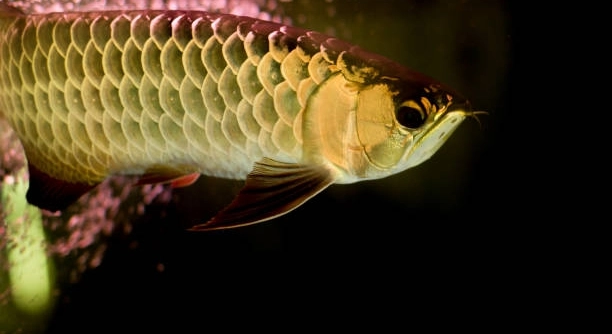
Is your arowana swimming in a frantic, unpredictable manner that seems unusual compared to its normal calm movements? Watching your fish dart or circle rapidly can be worrying, especially when you are committed to maintaining a healthy tank environment.
Erratic swimming in arowanas is commonly caused by stress, poor water quality, sudden temperature changes, or illness. Ensuring stable water parameters, proper diet, and monitoring for disease symptoms are crucial to restore regular swimming behavior and overall health.
Observing your arowana’s behavior closely can help identify subtle warning signs before they develop into serious problems. Proper care and attention will ensure your fish remains active and healthy in its environment.
Common Causes of Erratic Swimming
Arowanas may swim erratically for several reasons. Water quality is often the most significant factor. High ammonia, nitrite, or nitrate levels can irritate their gills and disrupt normal movement. Sudden temperature changes can also cause stress, leading to frantic swimming. Overcrowding in the tank can make your arowana feel threatened, prompting it to dart around. Infections or parasites, such as ich or internal worms, are another possible cause. Even improper diet can affect behavior, as a lack of nutrients can reduce energy levels or trigger restlessness. Observing your arowana closely helps you identify the exact reason. Regular testing of water parameters, consistent feeding schedules, and maintaining a calm tank environment reduce the risk of erratic swimming. Stress from external disturbances, such as tapping on the glass or sudden movements near the tank, can also influence behavior. Preventive care is key to keeping your fish healthy.
Keeping your tank clean and monitoring water parameters can prevent most swimming issues.
Ensuring your arowana’s environment is stable, clean, and stress-free helps maintain natural swimming patterns. Feeding a balanced diet, avoiding sudden changes, and monitoring for illness supports long-term health. Regular water changes and tank maintenance are simple steps that prevent many behavioral problems. Observing your fish daily allows you to detect minor changes early and act before conditions worsen.
Water Temperature and Its Effects
Temperature fluctuations affect arowana activity levels.
Arowanas are sensitive to temperature changes. Water that is too cold or too warm can disturb their metabolism and nervous system, causing erratic swimming. Using a reliable heater and thermometer keeps temperature stable. Gradual adjustments are safer than sudden changes, which can shock the fish. Consistent temperature helps arowanas digest food properly and maintain energy levels. Seasonal variations or poorly regulated heaters often cause stress that shows as frantic swimming. Keeping the water within the species-specific range minimizes discomfort and promotes calm movement. Observing behavior after temperature adjustments provides insight into your fish’s comfort.
Temperature management is essential for maintaining arowana health. Stable water prevents stress-related swimming problems and supports normal metabolic functions. Arowanas exposed to fluctuating temperatures may show sudden bursts of activity, circling, or staying at the water surface. Long-term exposure to improper temperatures can weaken the immune system, making the fish more prone to infections. Using insulated tanks, consistent heating equipment, and monitoring systems ensures a suitable environment. Gradual acclimation after any water change or relocation reduces shock and supports recovery. By maintaining a constant temperature range and observing your arowana, you can prevent erratic swimming caused by stress, promoting overall well-being.
Stress and Overcrowding
Stress in arowanas often comes from overcrowded tanks or aggressive tank mates. They may dart or bump into objects, showing discomfort. Limiting disturbances and ensuring enough space allows them to swim naturally and calmly, reducing erratic behavior and improving overall health.
Overcrowding can trigger constant movement as arowanas try to avoid other fish. They require ample space relative to their size, and too many companions can overwhelm them. Hiding spots or visual barriers help reduce stress by giving your fish secure areas. Even small disturbances outside the tank, like vibrations or loud noises, can amplify stress responses. Maintaining proper tank size, limiting aggressive tank mates, and reducing environmental stressors helps your arowana feel secure, minimizing erratic swimming.
Chronic stress not only affects swimming but also weakens immunity, making the fish prone to disease. Observing your arowana’s interactions and adjusting the tank setup accordingly supports natural behavior. A calm, spacious environment encourages regular swimming and healthier routines. Feeding schedules, gentle handling, and avoiding sudden changes contribute to reducing stress levels, helping your arowana maintain a stable, peaceful demeanor.
Illness and Parasites
Illnesses and parasites can cause sudden, frantic swimming patterns. Infections irritate gills and skin, making movement uncomfortable and uneven.
Parasites like ich or flukes attach to the skin or gills, causing irritation and restlessness. Internal infections may also impact energy levels, making arowanas swim unpredictably. Early detection through observation and testing is crucial. Treatments vary depending on the disease, from medicated food to water treatments, and timely intervention prevents long-term damage. Maintaining proper hygiene, quarantining new fish, and monitoring behavior helps reduce the risk of infection.
Symptoms such as clamped fins, rubbing against surfaces, or unusual lethargy indicate underlying health issues. Promptly addressing these signs with proper treatment restores normal swimming behavior. Water quality, diet, and tank conditions influence recovery, so maintaining consistent care is essential. Regular observation ensures infections are detected early, preventing further complications. Combining preventive measures with attentive monitoring provides the best chance for arowanas to regain their calm, natural swimming patterns, supporting overall vitality and longevity.
Diet and Nutrition
An improper diet can lead to erratic swimming. Arowanas need a balanced mix of protein, vitamins, and minerals to maintain energy and stability. Feeding too little or relying on one type of food may make them restless or lethargic.
Supplements and occasional live or frozen food can improve health. Variety supports growth, energy, and overall activity. Proper feeding routines reduce stress and help maintain calm, predictable swimming patterns.
Water Quality Maintenance
Keeping water clean is essential for stable behavior. Ammonia, nitrite, or nitrate spikes irritate gills and affect movement. Regular water changes, proper filtration, and testing help maintain safe levels. Clean, stable water prevents stress and keeps arowanas swimming normally.
Tank Environment
Arowanas require enough space and structure to swim comfortably. Decorations, plants, and hiding spots should be placed strategically to prevent injury while allowing freedom of movement.
Observation and Monitoring
Consistent observation helps catch early signs of illness, stress, or discomfort. Daily checks of behavior, appetite, and swimming patterns allow timely adjustments to care and environment.
FAQ
Why is my arowana swimming erratically all of a sudden?
Sudden erratic swimming often results from changes in water quality, temperature, or stress levels. Even minor shifts in the environment can trigger frantic behavior. Observing the tank conditions and recent changes, such as new fish, cleaning, or temperature adjustments, can help identify the cause.
Can poor water quality make arowanas swim oddly?
Yes, high ammonia, nitrite, or nitrate levels irritate gills and disturb normal swimming. Dirty water also increases stress, which can make your arowana dart around the tank or stay near the surface. Regular testing, filtration, and water changes prevent these issues.
Could temperature changes affect my arowana’s swimming?
Arowanas are sensitive to water temperature. Rapid drops or increases can shock their system, causing erratic movement. Using a reliable heater and thermometer ensures stable temperatures. Gradual adjustments are safer than sudden changes and reduce stress.
Is stress from tank mates a factor?
Yes, aggressive or overcrowded tank mates can stress arowanas. Stress may cause sudden dashing, circling, or hiding. Providing enough space, visual barriers, or separating aggressive fish helps restore calm behavior.
Do illnesses or parasites make arowanas swim erratically?
Infections like ich, flukes, or internal parasites irritate gills, skin, and the digestive system. This discomfort leads to unpredictable swimming. Signs include rubbing against surfaces, clamped fins, and lethargy. Prompt treatment with appropriate medication is necessary.
Can diet influence swimming behavior?
Improper nutrition can affect energy and activity levels. Lack of protein or vitamins may lead to restlessness or lethargy. Offering a balanced diet with live or frozen food, supplements, and variety supports consistent swimming patterns and overall health.
How can I prevent erratic swimming in my arowana?
Maintaining clean water, stable temperature, proper diet, and enough space reduces erratic behavior. Observing your fish daily helps detect early stress or illness. Quarantining new fish and minimizing disturbances also supports a calm environment.
When should I seek professional help?
If erratic swimming persists despite correcting water, diet, and environmental issues, consult a veterinarian or aquatic specialist. Persistent erratic behavior can indicate serious illness or underlying health problems that require professional treatment.
Are there behavioral signs to watch for besides swimming patterns?
Yes, changes in appetite, fin clamping, rubbing against objects, or hiding more than usual are warning signs. Monitoring these alongside swimming behavior provides a clearer picture of your arowana’s health and comfort.
How often should I monitor water and behavior?
Daily observation of swimming, feeding, and activity helps detect early problems. Weekly water testing for ammonia, nitrite, nitrate, and pH keeps conditions stable. Prompt attention to deviations prevents stress and maintains healthy behavior.
Does tank size really matter for swimming patterns?
Yes, arowanas require ample space relative to their size. Limited space restricts movement, increases stress, and encourages erratic swimming. Larger tanks with unobstructed swimming areas help maintain calm, natural movement.
Can sudden noises or vibrations affect swimming?
Yes, loud sounds or vibrations from outside the tank can startle arowanas. They may dart, jump, or swim irregularly. Minimizing disturbances near the tank helps maintain a stable environment and reduces stress-related swimming issues.
Is it normal for arowanas to swim near the surface frequently?
Frequent surface swimming can indicate oxygen deficiency, stress, or discomfort. Ensure proper aeration and water circulation. Monitoring behavior over time helps determine if it’s a temporary reaction or a sign of an underlying problem.
What role does lighting play in swimming behavior?
Sudden changes in lighting or overly bright lights can startle arowanas, causing erratic swimming. Consistent, moderate lighting and gradual transitions help the fish feel secure and maintain steady swimming patterns.
Can combining all these factors cause swimming issues?
Yes, multiple stressors like poor water, overcrowding, temperature fluctuations, and diet can compound, resulting in erratic swimming. Addressing each factor systematically ensures a healthier, calmer environment for your arowana.
Monitoring your arowana’s behavior is key to maintaining its health. Erratic swimming often signals an underlying problem, whether it is stress, poor water quality, illness, or diet. Observing how your fish moves, where it spends most of its time, and any changes in appetite or interaction with the tank environment provides valuable insight into its well-being. Small changes, such as a shift in swimming patterns or frequent surface visits, can indicate the need for adjustments in care. Consistent observation allows you to identify issues early and take appropriate action before they become serious. Keeping a daily routine of checking water parameters, feeding schedules, and overall activity ensures that your arowana remains in a stable and comfortable environment.
Water quality remains one of the most crucial factors in preventing erratic swimming. Ammonia, nitrite, and nitrate levels, as well as pH balance, must be maintained within safe ranges. Regular testing and timely water changes reduce the likelihood of stress-induced behavior. Temperature also plays an essential role, as sudden shifts can disrupt metabolism and provoke frantic swimming. Providing a stable environment, including appropriate tank size, clean water, and a secure layout, allows your arowana to move naturally and reduces anxiety. Overcrowding or aggressive tank mates can further increase stress, so careful planning of the tank setup is necessary. Introducing plants, hiding spots, or visual barriers gives your fish a sense of security and space to explore without feeling threatened. Arowanas thrive in calm, predictable environments, and even minor improvements in tank conditions can make a noticeable difference in swimming patterns.
Diet and preventive care are equally important for long-term stability. Feeding a balanced diet with sufficient protein, vitamins, and occasional live or frozen food supports energy levels and overall health. Avoid overfeeding, as this can affect water quality and digestion, contributing to restless swimming. Regular observation for signs of illness, parasites, or behavioral changes allows prompt intervention. Treatments, if necessary, are more effective when problems are detected early. Maintaining a consistent routine, minimizing stressors, and providing adequate space and nutrition all contribute to natural swimming behavior. Taking the time to understand and respond to your arowana’s needs ensures it remains active, healthy, and comfortable in its environment, creating a sustainable and rewarding care experience.

Hello,
If you enjoy the content that we create, please consider saying a "Thank You!" by leaving a tip.
Every little bit helps us continue crafting quality advice that supports the health, happiness, and well-being of pets around the world, for pets of all shapes, sizes, and species.
We really appreciate the kindness and support that you show us!