
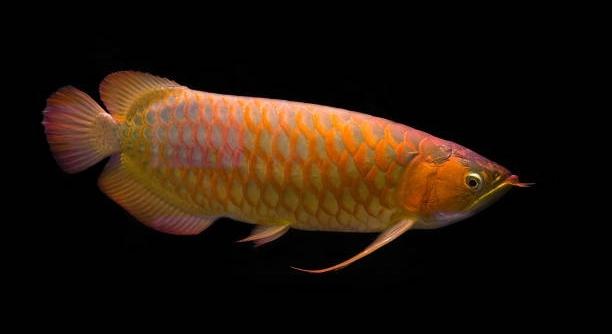
Have you ever cared for an arowana and wondered how the lighting around its tank shapes its comfort and behavior, helping you create a calm environment that supports movement and steady routines for this fish.
Arowanas prefer dim environments because subdued lighting reduces stress and supports their natural behavior patterns. Low light conditions help regulate activity levels, improve feeding responses, and prevent sensory disruptions, allowing these fish to maintain stability within their habitat each day.
This topic offers details that shape how your arowana experiences its surroundings, providing guidance that helps support its comfort daily.
Understanding Arowana Lighting Needs
Arowanas respond strongly to the lighting around their tank, so creating balanced conditions supports their comfort at all times. Dim lighting helps these fish feel secure since bright light can cause tension that affects movement, feeding habits, and daily patterns. When the tank is softly lit, the fish can swim more naturally and settle into routines without sudden flashes that disrupt their focus. Many keepers choose adjustable fixtures that allow gradual changes through the day, giving the arowana a gentle rhythm it can follow with ease. Consistent lighting also supports stable color development since the fish is not forced to adapt to sharp contrasts. When I adjust my setup, I rely on slow transitions that avoid startle responses. This simple approach keeps the environment steady and predictable, which is important for long term care. Paying attention to how light shapes your fish’s reactions helps you maintain conditions that stay supportive.
Light plays a direct role in how your arowana behaves, so watching its movements during brightness changes helps you understand comfort levels clearly. Subtle adjustments create a calmer environment that supports steady routines and reduces unnecessary stress for your fish while giving you what lighting balance works best daily overall.
Creating steady lighting patterns helps your arowana settle into predictable behavior that supports calm activity throughout the day. Soft illumination keeps the fish from feeling overwhelmed, and it encourages smoother swimming and healthier feeding habits. I like using timers so transitions remain consistent without sudden brightness shifts that may interrupt normal routines. This also helps maintain stable colors since the fish is not pushed to adapt to frequent contrasts. Adjusting the placement of the lights can refine comfort even further, guiding you toward a setup that feels natural for your fish. These small choices keep daily care simple and effective.
Signs Your Arowana Reacts to Light
Arowanas show clear reactions when lighting feels too strong, so paying attention to subtle shifts in swimming patterns helps you understand their comfort. Dimmer settings often reduce tense movements and encourage smoother behavior, giving you a better idea of how they respond to controlled illumination around the tank each day.
Recognizing how your arowana reacts to lighting helps you maintain a habitat that supports calm behavior and stable health. When light is too bright, these fish may hide more often, swim erratically, or show hesitation during feeding. Dim environments usually create smoother routines by reducing visual stress that interferes with their movement. I keep my own setups organized with gradual adjustments that help my fish settle without sudden changes that might interrupt their sense of safety. Observing these patterns over time gives you a reliable understanding of what your arowana prefers, and this makes lighting choices much easier to manage. Watching for signs like steady swimming, clear posture, and consistent activity helps you evaluate whether your lighting setup fits their needs. If the fish appears restless, reducing brightness often brings quick improvement and restores calmer movement in the tank. Stable lighting also supports long term comfort because the fish does not have to adapt to repeated disruptions. Using timers, diffusers, and shaded areas can help shape a balanced environment that remains gentle throughout the day. These adjustments guide you toward a routine that suits both your preferences and the natural tendencies of your arowana in the most comfortable way possible.
Adjusting Light for Better Behavior
Soft lighting reduces unnecessary tension, helping your arowana settle into smoother routines. Bright light can interrupt natural movement, so keeping the tank gently illuminated supports calmer swimming and clearer feeding behavior. Small changes to brightness levels can noticeably improve comfort throughout the day.
Setting the right lighting level depends on watching how your arowana responds during different times. I rely on gradual transitions since sudden brightness shifts can cause quick movements that show discomfort. Using diffused lights helps reduce harsh reflections that may startle the fish. This simple adjustment keeps the environment predictable while supporting stable activity. When your fish moves with ease, you know the lighting fits its needs well. Keeping things steady allows your tank to feel more natural, especially during early mornings and evenings when the arowana prefers subtle changes around its habitat.
Balancing light intensity prevents stress signs that often appear when the tank is too bright. A calm arowana typically swims smoothly and maintains consistent patterns without hiding. If I notice skittish behavior or hesitation during feeding, I reduce the brightness to encourage comfort again. These small adjustments usually help the fish settle quickly. Using lights with adjustable settings gives better control over daily changes. By maintaining a soft glow, you create an environment that supports long term health and steady routines while keeping your arowana relaxed.
Creating a Comfortable Lighting Routine
A structured lighting schedule helps your arowana understand daily rhythms, allowing it to settle into predictable patterns. Timers prevent sudden changes by introducing consistent light cycles that feel natural. This makes care easier since the fish adapts to regular transitions without unnecessary stress.
Consistency is important when shaping a routine that supports your fish’s comfort. I rely on timers because they maintain the same pattern each day, reducing the chance of abrupt brightness shifts that could disturb the arowana. Gradual warm up and cool down periods help mimic natural light changes, creating a more calming environment. Soft illumination in the morning allows the fish to begin activity slowly, while dimmer light in the evening helps it wind down without agitation. Keeping this rhythm steady improves feeding behavior and encourages relaxed swimming. These small lighting habits help maintain a stable environment that keeps your arowana comfortable and responsive to gentle daily patterns.
Choosing the Right Lighting Fixtures
Choosing proper lighting fixtures supports a balanced environment for your arowana by giving you control over brightness and direction. I prefer fixtures with adjustable intensity because they make it easier to create softer illumination that keeps the fish calm. Simple designs also help reduce glare that might disturb movement daily.
Positioning the lights correctly prevents harsh reflections that can unsettle your arowana. I keep mine slightly angled to reduce direct exposure and create a gentler glow across the tank. This setup supports smoother swimming patterns and helps the fish feel more secure during regular activity without sudden visual disruptions daily.
Fine Tuning Placement and Intensity
Maintaining consistent placement and intensity helps your arowana adapt without stress, so refining these details makes a noticeable difference in its comfort. I often test small adjustments to see how the fish responds, watching for smoother movements that indicate the lighting feels right. Using diffusers or adjustable mounts can soften strong beams that might disturb natural swimming patterns. When the setup stays steady, the fish settles into predictable routines that support healthy feeding and calm behavior. These careful choices guide you toward a lighting arrangement that remains reliable, gentle, and easy to manage each day, keeping your arowana relaxed overall.
Using Soft Surrounding Light
Soft surrounding light helps your arowana stay calm by reducing sharp contrasts that can interrupt its movements. I like using shaded areas in the tank to give the fish a break from stronger brightness. This small adjustment supports smoother activity and steadier behavior throughout the day in a gentle way.
FAQ
How bright should the lighting be for an arowana?
The lighting should be soft and not overly intense. Bright light can stress your arowana, making it hide or swim erratically. I use dimmable fixtures that allow gradual changes in intensity. This helps the fish feel secure while still giving enough light to see colors and activity clearly.
Can arowanas tolerate natural sunlight?
Direct sunlight is not recommended because it can overheat the tank and create harsh reflections that make your arowana anxious. Indirect sunlight or shaded natural light works better. I position my tank away from windows or use curtains to control sunlight exposure and maintain a stable temperature.
Should lights be on all day?
No, arowanas need a light-dark cycle to stay healthy. I use a timer to keep lights on for about 10-12 hours, mimicking natural day and night. This schedule helps regulate feeding and resting patterns, making the fish calmer and more predictable in behavior.
Does lighting affect color development?
Yes, but too much bright light can be harmful. Soft, consistent lighting supports natural coloration without causing stress. I notice that my arowana maintains vibrant colors when the lighting is steady and gentle, showing that a calm environment supports both comfort and appearance.
What type of bulbs should I use?
LED or fluorescent bulbs with adjustable intensity work best. They provide even lighting and generate less heat than incandescent options. I prefer LEDs because they allow for smooth dimming and are energy-efficient, which helps maintain a consistent environment without sudden temperature changes.
Is tank placement important for lighting?
Yes, placement matters a lot. Avoid areas with glare or direct light that can startle the fish. I position my fixtures slightly angled or use diffusers to spread the light evenly. This setup keeps the environment predictable and reduces sudden shadows that might disturb swimming patterns.
How do I know if the lighting is too bright?
Signs include hiding, fast or erratic swimming, and reduced feeding activity. I watch my arowana daily to see how it reacts to changes. If the fish seems stressed, lowering the intensity or adding shaded areas usually helps it feel secure again.
Can arowanas adapt to brighter light over time?
They can adjust somewhat, but it’s better to maintain softer lighting. Sudden bright lights can cause ongoing stress even if the fish seems to tolerate it. I gradually adjust any brightness changes to help the arowana adapt without causing discomfort.
Do arowanas need nighttime lighting?
No, they should experience darkness at night to rest properly. I turn off the lights completely or use very dim moonlight-style LEDs if I want some visibility. Darkness supports natural sleep cycles and overall health.
How often should I adjust lighting?
Adjust only when necessary, such as changing tank décor or adding plants. Frequent changes can confuse the fish. I stick to minor tweaks and use timers to keep daily patterns consistent, which helps maintain a calm, stress-free environment.
Does water clarity affect how light impacts arowanas?
Yes, murky water can diffuse light differently, sometimes causing shadows that startle the fish. I keep the tank clean and monitor water clarity to ensure the lighting remains gentle and predictable for the arowana.
Are there benefits to having shaded zones in the tank?
Absolutely. Shaded zones let the arowana escape brighter areas, reducing stress. I place decorations or floating plants strategically to create these calm spots. This setup encourages the fish to explore while having safe areas to retreat when needed.
Can I use colored lighting for aesthetics?
Colored lighting is fine if it is soft and not too intense. I use subtle tones for aesthetics but avoid anything that creates harsh contrasts. The goal is to maintain comfort while enhancing the tank visually without stressing the fish.
How do seasonal changes affect lighting needs?
Seasonal sunlight shifts can alter natural light exposure. I adjust timers or use window coverings to keep the tank lighting consistent. This ensures the arowana experiences a stable environment year-round, supporting steady activity, feeding, and rest patterns.
What is the easiest way to maintain proper lighting?
Timers and adjustable LED fixtures make it simple. I set a fixed schedule and tweak brightness slowly if needed. This approach keeps the environment predictable, supports calm behavior, and reduces daily stress for both the fish and myself while keeping tank maintenance manageable.
Can improper lighting cause health issues?
Yes, prolonged exposure to very bright light can stress the arowana, leading to poor appetite, weaker immune function, and erratic swimming. Maintaining soft, consistent lighting supports comfort and helps prevent these potential problems. Watching behavior closely is key to noticing early signs.
Do arowanas prefer gradual changes in lighting?
Yes, they respond better to slow transitions. I avoid turning lights on or off abruptly and instead use timers or dimmers to create gentle changes that feel natural, helping the fish stay relaxed and follow predictable daily activity patterns without unnecessary stress.
Does tank size influence lighting needs?
Larger tanks require more careful planning since light intensity can vary across the space. I adjust fixture placement to provide even illumination while keeping some shaded areas. This ensures every part of the tank is comfortable and that the arowana can move freely without encountering overly bright spots.
Can I observe arowana behavior to improve lighting?
Absolutely. Watching swimming patterns, feeding habits, and resting positions helps me determine if lighting is appropriate. Adjusting intensity or placement based on these observations ensures the environment stays supportive, calming, and natural for the fish’s daily routine.
How long does it take for arowanas to settle with new lighting?
It can take a few days to a week. I monitor closely during this period, making only small adjustments if needed. Gradual changes and stable routines help the arowana adapt without stress, allowing it to remain active and maintain healthy behavior patterns consistently.
Final Thoughts
Arowanas are sensitive fish that respond strongly to their surroundings, and lighting plays a crucial role in shaping their comfort. Bright or harsh lights can create stress, causing erratic swimming, hiding, or reduced feeding activity. Over time, this stress can affect both behavior and health. Dim, soft, and evenly distributed lighting helps these fish feel secure, supporting natural movement and daily routines. I have found that using adjustable fixtures with diffusers makes it easier to maintain consistent conditions while providing enough visibility to monitor activity and tank conditions. Creating a calm environment is not just about aesthetics; it directly affects the arowana’s overall well-being. Even small changes, such as adjusting the angle of a light or adding a floating plant for partial shading, can make a noticeable difference in how the fish behaves and interacts with its environment. Consistency in lighting is key, and observing your arowana’s responses allows you to refine the setup to better suit its needs.
A structured light cycle also benefits arowanas by supporting natural rhythms. Having lights on for roughly ten to twelve hours a day and ensuring darkness at night allows the fish to rest and maintain predictable activity patterns. I rely on timers to maintain this schedule, which reduces the risk of abrupt changes that could cause stress. Gradual changes in intensity during mornings and evenings mimic natural light shifts, helping the arowana adjust smoothly. Soft lighting throughout the day encourages healthier feeding behavior and more relaxed swimming. Shaded areas in the tank further enhance comfort, giving the fish spots to retreat when it needs a break from illumination. These practices do not require complicated equipment but do need attention to detail. By keeping routines steady and making small adjustments thoughtfully, it is possible to provide a stable and supportive habitat that benefits both the arowana’s physical and behavioral health.
Finally, understanding the interplay between light, behavior, and tank setup is essential for long-term care. Watching your arowana’s reactions, from subtle posture changes to feeding responses, offers valuable insight into whether the lighting is suitable. If the fish appears tense, reducing intensity or providing shaded zones can improve comfort quickly. Proper fixture placement, soft surrounding light, and a consistent schedule all contribute to an environment that feels natural and safe. These careful steps ensure the arowana remains active, calm, and vibrant, which is rewarding for both the fish and the keeper. By paying attention to these details and maintaining a steady, gentle approach, lighting becomes a tool to support the fish’s well-being rather than a source of stress. Over time, a thoughtfully arranged tank with balanced light encourages healthy behavior and helps the arowana thrive in its home environment, allowing it to display natural patterns and coloration that reflect good health.

Hello,
If you enjoy the content that we create, please consider saying a "Thank You!" by leaving a tip.
Every little bit helps us continue crafting quality advice that supports the health, happiness, and well-being of pets around the world, for pets of all shapes, sizes, and species.
We really appreciate the kindness and support that you show us!