
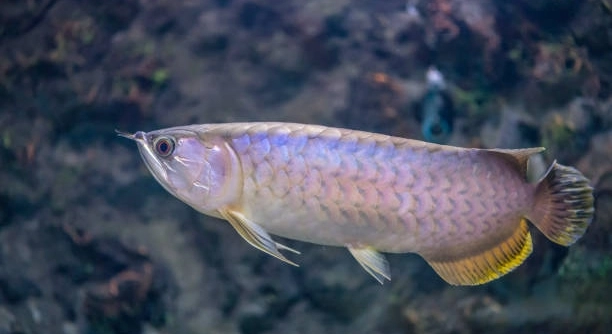
Is your arowana acting slower than usual and showing signs that something feels off during feeding time, making you wonder if its digestion is not working as smoothly as it should for its overall comfort.
Troubled digestion in arowanas often arises from inappropriate diet composition, low water temperatures, or tank related stress. These factors slow gastrointestinal function and lead to bloating, reduced appetite, and irregular waste patterns, indicating the need for prompt environmental adjustments steps.
Recognizing these early signs helps you support your arowana more effectively, guiding it back toward steady digestion and everyday comfort.
Reduced Appetite and Slower Activity
When your arowana begins eating less and moving with less energy, it is often one of the first signs that its digestion is slowing down in a noticeable way. A drop in appetite usually means the food is not breaking down comfortably, which can make each feeding feel stressful for the fish. You might see it hesitate before taking food, or it may approach with interest then pull back as if something is holding it back. Slower activity often follows because the fish is trying to conserve energy while dealing with internal discomfort. These early shifts are important to notice because they help you catch digestive issues before they become more serious. Supporting your arowana during this time can make a difference, especially when you adjust feeding habits, review tank conditions, and give it enough stability to regain balance. Paying close attention keeps the situation from affecting overall health today.
A reduced appetite combined with slower movement signals digestive strain that should be addressed quickly. These changes show the fish is working harder to process food, making timely adjustments to diet and tank conditions important for restoring comfort and preventing additional stress. Responding early supports steady recovery for your arowana.
Supporting your arowana through reduced appetite begins with reviewing its feeding routine and creating an environment that feels stable. Smaller portions offered at consistent times often help the fish process food more easily without overwhelming its system. Checking water temperature and filtration also makes a meaningful difference, since poor conditions can slow digestion further. Keeping stress low matters too, so limiting sudden changes in lighting, noise, or tank activity helps the fish regain comfort. By making these adjustments with care, you give your arowana the chance to settle, recover, and return to a more comfortable rhythm in its daily life.
Bloating and Irregular Waste
Bloating and irregular waste patterns usually indicate that food is not moving through the digestive tract as smoothly as it should. These signs appear when the system slows down, making it important to adjust feeding habits and check overall tank conditions promptly to support steady digestion once again for stability.
When bloating appears in your arowana, it often means the digestive tract is slowing down, leading to trapped gas or partially processed food that sits longer than it should. This discomfort can make the fish move less, float awkwardly, or show gentle swelling around the stomach area. Irregular waste patterns often follow, showing that the digestive system is working harder than normal. Addressing these signs begins with reviewing the food you offer. Hard to digest items, oversized portions, and abrupt diet changes can push the system beyond what it can comfortably handle. Offering softer foods or breaking meals into smaller servings can help digestion return to a smoother pace. Water temperature also plays a key role, since cooler conditions slow digestive function noticeably. Keeping the environment warm and stable supports better processing of food. Filtration matters as well, because poor water quality adds additional stress that interferes with digestion. Reducing stress around the tank, limiting loud noises, and avoiding sudden changes help the fish settle. By making steady adjustments and giving your arowana enough time to respond, you create conditions where its digestive rhythm can stabilize and return to a healthier, more comfortable pattern. This support encourages smoother recovery overall.
Floating Issues After Eating
Floating issues after meals usually indicate trapped gas or slow digestion that prevents food from moving smoothly through the system. This can cause your arowana to tilt, struggle to stay level, or rise to the surface more than usual, showing that the digestive process needs quick support and adjustment.
Floating problems often appear when the digestive tract becomes stressed from overeating, swallowing air during feeding, or consuming foods that are too dense for the fish to break down efficiently. When this happens, the arowana may look uncomfortable, tilt to one side, or seem unable to swim with its usual control. Addressing this begins with adjusting feeding routines. Offering smaller meals and avoiding floating foods that encourage air intake helps reduce strain. Checking water temperature is also important because cooler conditions slow digestion noticeably. Maintaining stable warmth gives the fish a better chance to process food at a normal pace.
Another helpful step is reviewing how the food behaves in the water. Foods that expand, sink too quickly, or remain hard can cause the digestive system to slow down. Replacing these with softer, easier to manage options supports smoother digestion. Watching your arowana closely after meals helps you catch patterns early, allowing you to adjust before the issue becomes more persistent. Reducing stress around the tank, keeping lighting predictable, and ensuring filtration runs steadily all contribute to better digestion. When these elements work together, the fish gains the stability it needs to recover from floating issues and settle back into comfortable movement.
Refusing Food Entirely
Refusing food entirely often shows a deeper level of digestive discomfort, especially when the fish begins avoiding meals it normally accepts. This shift signals that the digestive system needs attention, making it important to review feeding habits, tank stability, and water conditions to help your arowana regain comfortable eating patterns.
A complete refusal to eat often develops when the stomach or intestines are strained, inflamed, or slowed by an unsuitable diet, cold water, or ongoing stress in the tank. When the digestive system struggles, even familiar foods can feel difficult to process. Supporting your arowana during this time means focusing on gentle adjustments rather than large changes. Softer foods, fresh pieces, and smaller servings can help reduce pressure on the digestive tract. Stable water temperature is equally important, since warmth keeps digestion moving at a steady pace. Clean water, reliable filtration, and calm surroundings make the environment comfortable enough for the fish to try eating again. Bringing these elements together encourages your arowana to return to food gradually, allowing the digestive system time to settle and recover.
Lethargic Swimming Behavior
Lethargic swimming often appears when digestion slows down enough to affect your arowana’s energy levels. The fish may glide without intention, stay in one area longer, or react slowly to movement around the tank, showing that its system needs gentle support to regain balance.
This behavior usually develops when the digestive tract is strained by unsuitable foods, low temperatures, or stress that makes it harder for the fish to process meals comfortably. Keeping portions smaller, maintaining warm and stable water, and reducing sudden activity around the tank helps your arowana feel more at ease as it recovers.
Visible Abdominal Swelling
Visible abdominal swelling indicates internal discomfort that should be addressed quickly. This swelling often forms when food slows inside the digestive tract, leading to pressure, trapped waste, and reduced movement. Softer foods, steady temperatures, clean water, and smaller meals help ease this pressure and support smoother digestion. Consistent care gives your arowana the stability it needs.
Difficulty Passing Waste
Difficulty passing waste shows the digestive system is working harder than normal. You may notice smaller, irregular pieces or long delays between movements. Gentle adjustments to food type, portion size, temperature, and tank conditions help ease the strain and guide your arowana back toward steadier digestion.
FAQ
Why does my arowana stop eating when it has digestion problems?
Your arowana often stops eating when digestion slows enough to cause discomfort inside the stomach or intestines. When food sits longer than it should, pressure builds and makes eating feel unpleasant. Even familiar foods can feel difficult to handle, so the fish avoids them to protect itself. Cold water, stress, and unsuitable food textures also make digestion harder, leading to a complete pause in appetite. By offering smaller portions, softer foods, and keeping the water warm and stable, you give your arowana space to feel comfortable again. Once the digestive system settles, interest in food usually returns gradually.
What foods are easiest for an arowana to digest during recovery?
Soft, gentle foods are the best choice when your arowana is recovering from digestive strain. Small pieces of fresh fish, soaked pellets, and soft insects are easier for the digestive system to manage. Avoid hard, oversized items that require more force to break down, since these can slow digestion even more. Keeping the portions small helps prevent stress on the digestive tract. Offering food that sinks slowly also reduces the chance of air intake, which can worsen bloating. By keeping meals simple and consistent, you help your arowana process food smoothly as it regains strength.
How does water temperature affect digestion in arowanas?
Warmer water helps digestion move at a normal pace, while cooler temperatures slow the system and make food sit longer than it should. When the water becomes too cool, the stomach and intestines work less efficiently, causing bloating, floating issues, and irregular waste patterns. Keeping the temperature steady within the appropriate range supports natural digestive movement. Sudden drops can cause immediate discomfort, so maintaining warmth is one of the most important steps in helping your arowana recover from digestive issues. A stable, warm environment gives the digestive system a better chance to stay active and balanced.
Why does my arowana float after eating?
Floating after meals often happens when your arowana swallows air while feeding or eats food that creates gas inside the digestive tract. When gas builds up, the fish may tilt, rise to the surface, or struggle to stay level. Floating foods encourage gulping, increasing the chance of air intake. Oversized meals slow digestion and make gas form more easily. Offering smaller meals, softer foods, and items that sink slowly helps reduce the problem. Keeping the water warm also supports smoother digestion. When feeding becomes more controlled, floating issues often fade gradually.
What should I do if my arowana becomes constipated?
Constipation appears when food moves too slowly or becomes difficult to push through. You may see swelling, fewer waste movements, or long delays between them. Softening the diet is a helpful first step. Smaller servings given more frequently can ease pressure, and stable warm water helps the digestive system stay active. Clean water and low stress also matter, since discomfort grows when the environment feels unstable. Removing hard to digest foods and avoiding overfeeding gives your arowana a better chance to recover. With gentle adjustments and patience, constipation usually improves.
How can I prevent digestive problems in the future?
Preventing digestive issues starts with consistent care. Feeding your arowana balanced portions, avoiding sudden diet changes, and choosing foods that match its size makes digestion smoother. Keeping the water warm and clean reduces unnecessary stress on the system. Stable lighting, calm surroundings, and reliable filtration give your arowana the comfort it needs to process meals normally. Watching your fish’s behavior closely helps you catch changes early before they become more serious. With steady routines and thoughtful feeding, your arowana stays healthier and more comfortable day to day.
Final Thoughts
Caring for an arowana becomes easier when you understand how delicate its digestive system can be and how quickly small changes influence its overall comfort. Digestive issues often begin with mild signs that can be easy to overlook when life gets busy, but paying attention to those early shifts truly helps your fish stay steady. Slow swimming, bloating, floating difficulties, or a sudden refusal to eat are all meaningful signals that the digestive process needs support, not drastic changes or rushed solutions. Creating stability in the tank is often the most effective first step. Clean water, consistent temperatures, and calm surroundings give your arowana the comfort it needs to process food properly. When the environment feels predictable, the digestive system has room to recover. Gentle feeding habits matter just as much. Smaller meals, softer textures, and avoiding anything that encourages air intake all help give the digestive tract a clearer path to function normally. These simple choices guide your arowana back toward balance without overwhelming its system.
Each sign of trouble tells you something important about what your arowana needs, and when you respond with steady care, the fish often improves more smoothly than expected. Overfeeding or offering inappropriate foods can slow digestion in noticeable ways, especially when the fish becomes excited at feeding time. Taking a calmer and more controlled approach helps prevent this stress from building. Watching the way food behaves in the water also gives helpful clues. Some foods expand, sink too fast, or stay too firm, making them harder to digest. Choosing items that soften easily or float gently can reduce strain on the stomach and intestines. Water conditions remain one of the most important factors. Even small temperature drops can make digestion sluggish, so keeping the tank warm and stable prevents many common problems from developing. Clean filtration removes waste that would otherwise add stress to the environment. These steps work together to create a space where your arowana can process food comfortably, making each feeding a smoother experience.
Supporting your arowana through digestive issues is not just about fixing a problem. It is about building habits that keep the fish healthier in the long run. Observing behavior closely helps you understand how your arowana reacts to certain foods, tank conditions, and changes around the home. When you notice signs early, you can adjust gently and effectively before the issue becomes serious. Stable routines, thoughtful feeding, and a tank that feels calm and predictable all contribute to better digestion and overall well being. With patience and consistency, your arowana can return to its active, graceful movements and steady appetite. Taking the time to understand these patterns makes a meaningful difference in your care routine, helping you maintain an environment where your fish feels supported, comfortable, and able to thrive each day.

Hello,
If you enjoy the content that we create, please consider saying a "Thank You!" by leaving a tip.
Every little bit helps us continue crafting quality advice that supports the health, happiness, and well-being of pets around the world, for pets of all shapes, sizes, and species.
We really appreciate the kindness and support that you show us!