
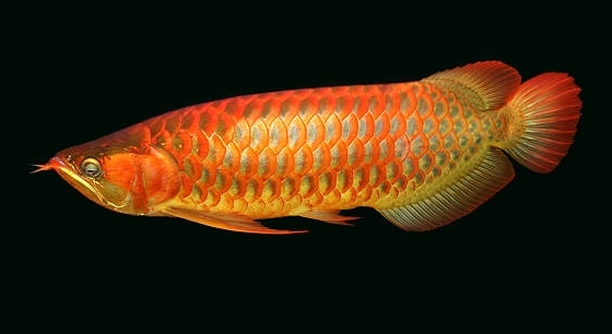
Are your Arowanas struggling to settle into their new tank? Moving to a new environment can be stressful for these fish. Even slight changes in water can make them restless and affect their overall well-being.
Helping Arowanas adjust to new water requires careful monitoring of water parameters, gradual acclimation, and stress reduction. Techniques such as slowly mixing new water, maintaining consistent temperature, and observing behavioral changes ensure a smoother transition and support the fish’s health.
Learning these methods will make your Arowanas more comfortable and reduce risks. Proper care helps them thrive and enjoy their new environment safely and calmly.
Gradual Water Mixing
When introducing your Arowana to a new tank, the safest approach is to gradually mix the old water with the new. Start by floating the fish in a bag or container for about 15 to 20 minutes. Slowly add small amounts of the tank water every 5 to 10 minutes. This method helps the fish adjust to changes in pH, hardness, and temperature without causing shock. Rushing this process can lead to stress, weakened immunity, and erratic behavior. Keep observing the fish closely for signs of distress such as rapid gill movement, hiding, or loss of appetite. Consistency and patience are key to helping your Arowana acclimate successfully. Over time, the fish will grow accustomed to the water chemistry, reducing the risk of illness and promoting a healthier, calmer environment. Gradual acclimation also allows for easier monitoring of water quality and the detection of potential issues early.
Even a slow change can prevent serious health problems. Your Arowana will adapt better with patience and care.
Taking extra care during this phase can save your fish from unnecessary stress. Regular checks of water parameters and careful observation ensure a smooth transition. Small, consistent steps can make the new environment safe and comfortable, allowing your Arowana to thrive without sudden shocks or behavioral issues.
Stable Temperature
Maintaining a consistent temperature in the tank is essential for Arowanas. Sudden drops or spikes can cause stress and increase susceptibility to disease. Aim to keep the water within the recommended range for your specific species.
A heater and thermometer are vital tools to keep the environment stable. Check daily and adjust gradually when needed.
Temperature fluctuations can negatively affect metabolism, digestion, and immune response in Arowanas. If the tank is too cold, the fish may become lethargic, refusing food and hiding excessively. Conversely, overly warm water can increase activity but also stress the fish and reduce oxygen levels. Consistent monitoring is important, particularly during seasonal changes or if the tank is near windows or vents. Using a reliable heater with adjustable settings helps prevent sudden changes. Pairing this with a thermometer allows you to quickly detect small shifts before they impact the fish. Stable temperature promotes proper feeding, growth, and immune function, making the fish more resilient to stress. Ensuring your tank environment remains steady reduces the risk of shock and improves overall comfort, encouraging natural behavior and smoother acclimation.
Frequent Water Testing
Regular water testing is critical to keep your Arowana healthy. Monitor pH, ammonia, nitrite, and nitrate levels frequently. Adjust as needed to maintain stable conditions.
Testing the water ensures you catch changes before they harm your fish. Ammonia and nitrite spikes can stress or even poison Arowanas. Using reliable test kits helps track water quality accurately. Keep a log to notice trends and prevent sudden changes. Observing the results allows you to take corrective measures quickly, such as partial water changes or chemical treatments. This attention to detail reduces stress, supports the fish’s immune system, and encourages natural behavior. Testing often also teaches you more about how your tank responds over time, which is useful for long-term maintenance.
Tracking water parameters regularly gives you control over the environment. Proper testing and adjustments ensure a safe, stable habitat, helping your Arowana thrive while minimizing health risks.
Gentle Handling
Handle your Arowana with care to avoid stress or injury. Avoid sudden movements when cleaning or feeding near them.
When transferring or acclimating your fish, use a soft net and keep movements slow. Rough handling can damage fins, scales, or gills, which may lead to infections. Observing their behavior while handling helps identify stress points, allowing you to adjust your approach. Even minor stress can reduce appetite and lower immunity, so patience is key. Make sure your hands and tools are clean, and avoid chemicals or soaps near the tank. Minimizing disturbances while performing maintenance ensures your Arowana remains calm. Over time, gentle handling builds trust with the environment, allowing the fish to feel secure and adapt more quickly to new conditions. Consistency in care routines creates a predictable environment, further reducing stress and promoting overall well-being.
Proper Filtration
A strong and reliable filtration system is essential for keeping your Arowana’s tank clean. It removes waste, toxins, and debris, maintaining water clarity and quality.
Filters also help maintain oxygen levels, which is crucial for fish health. A clean tank reduces stress and prevents illness.
Gradual Feeding Adjustments
When moving your Arowana to new water, adjust feeding slowly. Start with smaller portions and monitor appetite closely. Sudden changes in diet can add stress.
Gradually reintroducing their regular food allows the digestive system to adapt. Overfeeding during this phase may cause water contamination or digestive problems. Monitor your fish’s response and adjust portions to ensure proper nutrition while minimizing stress. Consistency in feeding times and amounts helps the fish establish a routine, promoting comfort and stability in the new environment. Using high-quality, species-appropriate food supports their health during acclimation.
Observation of Behavior
Careful observation is essential during acclimation. Watch for signs of stress, illness, or abnormal activity.
Monitoring behavior helps you intervene early and adjust conditions to support health and comfort.
FAQ
How long does it take for an Arowana to adjust to new water?
Adjustment time varies depending on water quality, tank size, and the individual fish. Generally, Arowanas may take anywhere from a few days to two weeks to fully acclimate. During this period, monitoring water parameters and observing behavior is critical. Signs of successful adjustment include regular swimming patterns, stable appetite, and calm reactions to tank changes. Gradual changes in water chemistry and temperature help shorten this acclimation period and reduce stress.
Can I change all the water at once when moving my Arowana?
No, sudden water changes can shock your fish and compromise its immune system. Always use gradual mixing of old and new water to stabilize pH, hardness, and temperature. A step-by-step approach ensures your Arowana can adapt safely without developing stress-related behaviors or health issues.
What is the ideal water temperature for Arowanas?
Arowanas thrive in a stable temperature range, usually between 75°F and 82°F (24°C to 28°C). Sudden fluctuations can stress the fish, affecting feeding and immunity. Using a heater with a thermometer helps maintain consistent conditions, especially in climates with seasonal changes or drafty rooms.
How often should I test the water during acclimation?
Testing daily during the first week is recommended, focusing on ammonia, nitrite, nitrate, and pH levels. Frequent testing allows early detection of harmful shifts and ensures the water remains safe for the fish. Maintaining a log can help identify trends and prevent future problems.
Is it normal for an Arowana to hide or be less active after moving?
Yes, it is common for Arowanas to exhibit hiding behavior or reduced activity after a move. This is usually a stress response to unfamiliar water chemistry or tank conditions. Providing hiding spots and avoiding disturbances helps the fish feel secure while acclimating.
Can diet changes help with water adjustment?
Gradually adjusting food portions or types can support the fish during water changes. Sudden dietary shifts may add stress, so it’s best to maintain a familiar feeding routine while introducing small adjustments slowly. Proper nutrition boosts immune function and aids overall health during this period.
Should I use water conditioners during acclimation?
Yes, water conditioners can neutralize harmful chemicals like chlorine and chloramine. Using a conditioner ensures safer water while gradually transitioning your Arowana to new conditions. Always follow product instructions and avoid overuse, which may alter water chemistry unnecessarily.
What are signs of stress in Arowanas during adjustment?
Common signs include rapid gill movement, erratic swimming, loss of appetite, hiding excessively, or clamped fins. Early recognition allows for corrective action such as partial water changes, temperature stabilization, or reducing tank disturbances. Addressing stress promptly minimizes the risk of disease or long-term behavioral changes.
Can Arowanas get sick from new water?
Yes, poor water quality or rapid changes can trigger illness, including bacterial or parasitic infections. Gradual acclimation, proper filtration, and consistent monitoring help prevent health issues. Maintaining cleanliness and stable parameters is key to reducing disease risk.
Is it necessary to isolate a new Arowana before adding it to an established tank?
Quarantine is recommended to monitor health and prevent introducing pathogens to existing fish. A 2–4 week isolation period allows observation for disease signs and ensures the fish adapts safely before full integration. This step is especially important for sensitive species like Arowanas.
How can I make acclimation less stressful for my fish?
Keep handling minimal, provide stable water parameters, offer hiding spots, and maintain a consistent feeding schedule. Slow changes and gentle observation support the fish’s comfort and promote a smoother adjustment. A calm environment reduces stress, supports immunity, and encourages natural behavior.
Can lighting affect Arowana adjustment?
Yes, strong or sudden lighting changes can increase stress. Use moderate lighting and maintain a consistent day-night cycle. Gradual adjustments help the fish become comfortable in its new environment without disrupting natural rhythms.
How often should I clean the tank during acclimation?
Partial water changes of 10–20% every few days help maintain water quality without causing sudden chemical shifts. Avoid deep cleaning or over-disturbing the tank, as it can increase stress and delay acclimation. Consistent maintenance ensures a safe and stable environment.
When should I seek help from a veterinarian?
If the fish shows prolonged stress, loss of appetite, visible injuries, or unusual behavior despite stable water conditions, consult an aquatic veterinarian. Early intervention improves recovery chances and prevents more serious health issues.
Can multiple Arowanas acclimate together?
Yes, but monitor interactions closely. Aggression or competition can stress the fish, so provide sufficient space, hiding spots, and observe feeding behavior. Gradual introduction and careful monitoring reduce conflict and support smoother adaptation for all fish involved.
Final Thoughts
Helping an Arowana adjust to new water takes time, patience, and careful observation. These fish are sensitive to sudden changes in temperature, pH, or water chemistry, so gradual acclimation is always the safest approach. Rushing the process can lead to stress, illness, or even long-term behavioral problems. By introducing new water slowly, monitoring temperature, and keeping water parameters stable, you create a safer and more comfortable environment for your fish. Small, consistent steps matter more than quick fixes. It is also important to pay attention to how your Arowana behaves during this transition. Signs of stress such as clamped fins, hiding, or reduced appetite indicate that the fish needs more time or adjustments in the tank. Taking time to observe and respond to these signals helps prevent serious health issues and promotes a calmer, healthier fish.
Consistent care includes more than just water changes. Proper filtration, gentle handling, and careful feeding routines all play a part in helping your Arowana feel secure. A reliable filtration system keeps water clean and oxygen levels balanced, which is essential for health. Feeding should remain gradual and measured, particularly during acclimation, to avoid upsetting the digestive system or adding toxins to the water. Handling should be minimal and gentle to prevent unnecessary stress, especially when performing maintenance tasks. Even small actions, like avoiding sudden movements near the tank or keeping lighting consistent, contribute to the fish’s comfort. Over time, these careful steps create an environment where your Arowana can adapt naturally and settle into its new surroundings without unnecessary strain.
Finally, regular observation and testing are key. Monitoring water parameters, checking for changes in behavior, and keeping the tank clean will help detect potential problems early. Water testing ensures that ammonia, nitrites, nitrates, and pH remain within safe limits. Observing your Arowana’s appetite, swimming patterns, and interactions with its environment helps you notice any stress signs before they become serious issues. Patience is essential because adjustment may take several days or even weeks, depending on the fish and tank conditions. By providing a stable, calm, and supportive environment, you are giving your Arowana the best chance to thrive in new water. Careful attention to every detail, from temperature to feeding, helps ensure long-term health and a happier, more relaxed fish.

Hello,
If you enjoy the content that we create, please consider saying a "Thank You!" by leaving a tip.
Every little bit helps us continue crafting quality advice that supports the health, happiness, and well-being of pets around the world, for pets of all shapes, sizes, and species.
We really appreciate the kindness and support that you show us!