
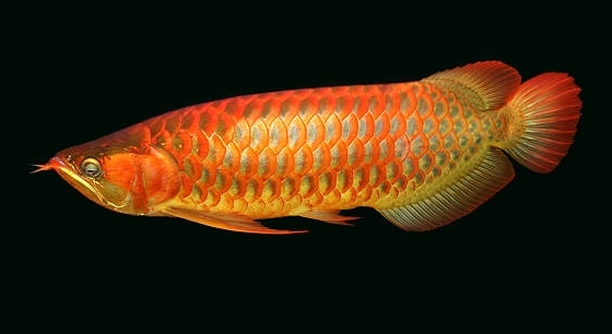
Do you ever find yourself excited to set up your Arowana tank but unsure if everything is just right? Many hobbyists face small challenges that can impact the fish’s health and the tank’s overall balance.
The most common mistakes when setting up Arowana tanks include incorrect tank size, poor water filtration, unsuitable substrate, inadequate temperature control, improper lighting, overcrowding, and neglecting regular maintenance. Each of these factors can stress the fish and harm their growth and wellbeing.
Understanding these pitfalls will make your tank safer and healthier for your Arowana. Proper care and preparation can save you from future frustration and loss.
Choosing the Wrong Tank Size
Many people get excited about keeping Arowanas but underestimate how large the tank should be. Arowanas are active, fast-growing fish that need plenty of space to swim freely. A small tank can stunt growth and stress the fish, which affects their immune system and overall health. Beginners often start with tanks that seem adequate at first, but once the fish grows, it quickly becomes overcrowded. Overcrowding also leads to poor water quality because more waste accumulates faster than the filtration system can handle. It is important to research the adult size of your specific Arowana species before buying a tank. Remember that the bigger the tank, the easier it is to maintain stable water parameters. A proper tank should have a length of at least 6 feet for a single adult Arowana, with sufficient width and height for swimming. Investing in the right tank size from the start reduces long-term stress and potential health issues.
Starting with a tank that matches the fish’s eventual size keeps them active and healthy. It also makes water maintenance simpler and more predictable.
A tank that is too small may seem fine for a juvenile Arowana, but as the fish grows, limited space affects muscle development, swimming patterns, and even appetite. Cramped conditions can also make Arowanas aggressive or cause injury from bumping into tank walls. A spacious tank allows the fish to explore, exercise, and display natural behaviors. Proper spacing also reduces territorial conflicts if you plan to keep more than one fish. Investing in a larger tank at the beginning may seem costly, but it prevents health problems and stress later on. Filtration, heating, and aeration are easier to manage in a correctly sized tank, creating a stable environment. In short, a tank that provides ample room is essential for the Arowana’s growth, activity, and overall well-being, making the hobby much more rewarding.
Ignoring Water Filtration
Without proper filtration, Arowanas face a build-up of toxins that can quickly harm them. Filtration is essential to maintain clean, stable water conditions.
A good filter helps remove waste, control ammonia levels, and maintain oxygen balance.
Choosing the right filter depends on tank size, number of fish, and the type of Arowana you keep. Overfiltering can be as harmful as underfiltering, creating strong currents that stress the fish. Regularly cleaning and monitoring the filter ensures it operates effectively. Many beginners rely on decorative elements or partial water changes alone, but these are not enough. Filters work continuously to keep water clear, reduce harmful bacteria, and support biological balance. A combination of mechanical, chemical, and biological filtration is ideal for Arowana tanks. Mechanical filtration removes solid waste, chemical filtration absorbs impurities, and biological filtration helps break down harmful substances naturally. Setting up a filter system suitable for your tank size and keeping it well-maintained ensures a healthier environment. In addition to filtration, performing routine water tests is important to track ammonia, nitrite, and nitrate levels. Maintaining a consistent cleaning schedule keeps water parameters stable, minimizing stress and promoting optimal growth for your Arowana over time.
Overheating and Temperature Fluctuations
Arowanas are sensitive to temperature changes. Water that is too warm or too cold can stress them and make them more prone to disease. Maintaining a steady temperature within the recommended range is critical for their health and activity levels.
Using a reliable heater with a thermostat helps keep the water stable. Sudden drops or spikes can weaken the fish’s immune system, leading to illness. It’s also important to monitor room temperature since external changes can affect the tank. Thermometers placed in multiple locations in the tank give a better picture of actual water conditions. Avoid placing the tank near windows, vents, or direct sunlight, as these areas cause uneven heating. Consistency is key; even a few degrees of fluctuation can disrupt metabolism, appetite, and behavior. For optimal health, the water should be maintained between 75–82°F for most Arowana species. Regular checks prevent stress and ensure long-term growth.
Temperature fluctuations can also interfere with biological filtration. Bacteria responsible for breaking down waste work best within a stable temperature range. Sudden changes can slow their activity, increasing ammonia and nitrite levels. This creates a more toxic environment for the fish, further increasing stress. Combining stable heating with consistent water testing keeps conditions safe. Avoid turning heaters off overnight or adjusting them too frequently. Gradual changes are safer if adjustments are necessary. Proper equipment, monitoring, and placement work together to maintain steady temperatures, ensuring Arowanas remain active, healthy, and less prone to illness. Consistent water conditions support both the fish and the tank ecosystem over time.
Overcrowding the Tank
Too many fish in a tank can cause stress, aggression, and poor water quality. Arowanas need space to swim and establish territory to stay healthy.
Overcrowding increases waste, which the filter may struggle to handle. Limited space can trigger aggressive behavior, especially among larger or territorial species. Fish may nip fins or fight over space, leading to injuries. Even minor injuries can become infected if the water isn’t perfectly clean. Overcrowding also limits oxygen circulation, making it harder for all fish to breathe properly. Providing ample swimming room reduces stress, encourages natural behavior, and supports growth. A larger tank with fewer fish is always better than cramming more fish into a small space. Proper stocking ratios make maintenance easier and create a stable environment.
When planning the tank, consider the adult size of each Arowana. Juveniles may seem fine together, but once they grow, space becomes limited. It’s important to measure tank length, width, and depth carefully to provide enough territory for each fish. Avoid mixing aggressive species unless the tank is extremely large. Using decorations and plants can help define territories but cannot replace proper space. Even with a strong filtration system, overcrowding increases ammonia, nitrite, and nitrate levels faster, which affects fish health. Consistent monitoring and water changes help, but proper stocking is the first line of prevention. Ensuring enough room keeps Arowanas calm, active, and less prone to disease or injury.
Poor Water Quality
Dirty water can quickly make Arowanas sick. Ammonia, nitrite, and nitrate levels rise fast without proper maintenance, stressing the fish and weakening their immune system.
Regular water changes and testing are essential. Even small amounts of waste build up over time, so keeping water clean prevents disease and promotes healthy growth.
Choosing the Wrong Substrate
The wrong substrate can harm the fish or complicate tank cleaning. Sharp or rough substrates may injure Arowanas, while some materials can release harmful chemicals into the water. It is best to choose smooth, inert gravel or sand to protect their delicate fins and scales.
Overfeeding
Overfeeding can lead to poor water quality and health problems. Arowanas need balanced meals in controlled amounts, and leftovers should be removed promptly to prevent decay and toxins.
Ignoring Lighting Needs
Proper lighting supports natural behavior and overall health. Too much or too little light can stress Arowanas and disrupt their day-night cycle, affecting appetite and activity.
FAQ
What is the best tank size for an Arowana?
Arowanas grow very large, so the tank must accommodate their full size. A minimum of 6 feet in length is recommended for a single adult. Width and height should allow free swimming without hitting walls. Larger tanks reduce stress and make maintenance easier.
How often should I change the water?
Partial water changes of 20–30% weekly are ideal. This keeps ammonia, nitrite, and nitrate levels under control. Larger changes can be stressful for the fish, so regular, moderate updates are better. Always treat tap water to remove chlorine and chloramines before adding it.
Which filter type works best for Arowanas?
A combination of mechanical, chemical, and biological filtration is recommended. Mechanical filters remove debris, chemical filters absorb impurities, and biological filters help beneficial bacteria break down waste. Ensure the filter matches the tank size and maintains moderate water flow.
What is the ideal temperature range?
Most Arowanas thrive between 75–82°F. Sudden changes or extremes can stress the fish, weaken their immune system, and reduce appetite. Use a reliable heater with a thermostat and monitor water temperature consistently. Avoid placing the tank near windows or vents.
How many Arowanas can I keep in one tank?
Overcrowding is a major issue. A single adult Arowana needs enough space to swim freely. Keeping multiple Arowanas requires a very large tank, careful monitoring, and plenty of hiding spaces to reduce aggression. Juveniles can sometimes be kept together, but space must be increased as they grow.
What do I feed Arowanas?
Arowanas need a balanced diet of high-quality pellets, live or frozen fish, insects, and occasional shrimp. Feed in small amounts 1–2 times daily to prevent overfeeding. Remove uneaten food promptly to maintain water quality. Avoid feeding wild-caught fish, as they can carry disease.
How important is tank decoration?
Decorations can provide hiding spaces and reduce stress but should not overcrowd the tank. Smooth rocks, driftwood, or plants are preferable. Avoid sharp or rough surfaces that may injure the fish. Decorations also help define territories when multiple fish are kept together.
How do I prevent diseases?
Maintain clean water, stable temperature, proper nutrition, and a balanced environment. Quarantine new fish before introducing them. Watch for unusual behavior, discoloration, or spots, and address any issues immediately. Prompt action and prevention are the best strategies.
How much lighting is needed?
Moderate lighting that mimics natural day-night cycles is ideal. Too much light can stress the fish, while too little can affect appetite and activity. Use a timer to maintain consistency and avoid sudden changes in brightness.
Can I keep Arowanas with other fish?
Arowanas are territorial and can be aggressive. Only consider tankmates of similar size and temperament in very large tanks. Avoid small or slow-moving fish, as they may be attacked. Careful observation and proper space division are essential.
How do I monitor water quality?
Test water weekly for ammonia, nitrite, nitrate, and pH. Use reliable kits to track changes. Keeping a stable, clean environment reduces stress, prevents disease, and supports healthy growth. Regular maintenance, proper filtration, and water changes work together to maintain balance.
What should I do if the fish stops eating?
Loss of appetite often signals stress, illness, or poor water quality. Check temperature, water parameters, and tank conditions. Offer a variety of foods and monitor behavior. Persistent refusal to eat requires prompt investigation and possible treatment.
How fast do Arowanas grow?
Growth varies by species and environment. With proper care, they can grow several inches each year during their first few years. Adequate tank size, nutrition, and water quality directly influence healthy, steady growth.
How often should I clean the filter?
Clean mechanical components every few weeks and rinse media in tank water only. Avoid over-cleaning biological media, as this removes beneficial bacteria. Regular maintenance ensures efficient filtration and stable water conditions.
Is a quarantine tank necessary?
Yes. Quarantining new fish prevents disease introduction. Observe new arrivals for at least two weeks before moving them to the main tank. Proper quarantine reduces stress and protects existing fish from illness.
How do I handle aggressive behavior?
Provide enough space and hiding spots. Limit tankmates, especially during feeding. If aggression persists, consider separating fish. Stress and injuries often result from overcrowding or incompatible species, so prevention is key.
Can Arowanas jump out of the tank?
Yes, they are strong jumpers. Always cover the tank with a secure lid to prevent escapes. Even a small opening can be dangerous. Jumping often happens during feeding, water changes, or if the fish feels threatened.
How long do Arowanas live?
With proper care, most Arowanas live 10–15 years, some species longer. Stable water conditions, nutrition, and attention to health all contribute to longevity. Preventing stress and injury helps them reach their full lifespan.
What signs indicate a healthy Arowana?
Bright colors, smooth scales, clear eyes, active swimming, and regular feeding are good indicators. Healthy Arowanas are alert and responsive to their environment, with no visible injuries or abnormal behavior.
How do I deal with water evaporation?
Top up the tank regularly with dechlorinated water. Evaporation changes water parameters slowly, but frequent monitoring keeps levels stable. Avoid adding untreated tap water, as chemicals can harm the fish.
What equipment is essential for beginners?
At minimum, a large tank, reliable heater, thermometer, filter system, water testing kits, and feeding tools are necessary. Decorations and lighting improve the environment but are secondary to health and stability. Proper equipment ensures long-term success and reduces stress.
How can I prevent fin damage?
Use smooth substrates and decorations. Avoid overcrowding and aggressive tankmates. Maintain excellent water quality, as poor conditions can weaken fins. Prompt attention to injuries prevents infections and supports recovery.
Is it okay to keep juvenile and adult Arowanas together?
Mixing sizes can lead to aggression and feeding competition. Juveniles may be bullied or injured. Separate tanks or careful supervision is necessary until fish reach similar sizes and temperaments. Proper planning ensures a safer environment for all.
How important is regular observation?
Daily monitoring helps catch early signs of stress, illness, or water issues. Noticing subtle changes in behavior or appetite allows for quick intervention, preventing bigger problems. Observation is as important as filtration or feeding for long-term health.
Can Arowanas tolerate changes in pH?
They prefer slightly acidic to neutral water (pH 6.5–7.5). Rapid or extreme shifts can stress the fish, weaken immunity, and affect appetite. Stable water chemistry supports overall health and long-term survival.
What is the best way to acclimate a new Arowana?
Float the bag in the tank for 15–30 minutes to equalize temperature. Gradually mix tank water into the bag over 20–30 minutes before release. Slow acclimation reduces stress and prevents shock, helping the fish adjust to its new environment.
How do I prevent algae growth?
Limit direct sunlight, control feeding, and avoid overstocking. Regular water changes and proper filtration reduce nutrients algae feed on. Introducing algae-eating species can help, but balance is necessary to avoid competition or stress.
How can I encourage natural behavior?
Provide open swimming areas and minimal but safe decorations. Feeding variety and maintaining proper day-night cycles support activity. Reducing stress through space, compatible tankmates, and stable conditions allows Arowanas to display natural movements and habits.
What should I do if water parameters spike?
Perform partial water changes and check the filter. Investigate the cause of sudden spikes, such as overfeeding or dead plant matter. Stabilizing parameters quickly reduces stress and prevents long-term health problems.
How do I reduce stress during tank maintenance?
Work slowly, avoid sudden movements, and keep lighting moderate. Remove debris gently and perform water changes gradually. Stressful handling or quick changes can lead to illness or aggression. Consistent, calm maintenance supports fish well-being.
Can Arowanas live in soft water?
Yes, but water should be slightly acidic to neutral with stable hardness. Extreme softness can affect scales, growth, and immune function. Monitor parameters and adjust gradually if needed. Proper balance ensures healthy development and long-term survival.
How can I tell if the fish is sick?
Watch for lethargy, loss of appetite, unusual swimming, discoloration, or spots. Rapid breathing or clamped fins also indicate stress or disease. Early detection allows for treatment before the condition worsens.
Is it safe to use tap water?
Only if treated to remove chlorine, chloramines, and heavy metals. Untreated water can harm fish and disrupt biological filtration. Conditioning water before adding it protects the tank environment and promotes long-term health.
How do I introduce tankmates safely?
Quarantine new fish, monitor behavior, and provide plenty of space. Introduce slowly to minimize aggression. Avoid small, slow, or territorial species that could be injured or provoke fights. Proper planning keeps the tank calm and safe.
What is the best way to feed live food?
Feed small amounts occasionally, ensuring the fish can consume it quickly. Remove leftovers immediately to prevent water contamination. Rotate with frozen or pellets to maintain a balanced diet and reduce disease risk.
How do I maintain proper oxygen levels?
Use a filter that creates gentle surface agitation. Avoid overcrowding and monitor water quality. Plants can help oxygenate the tank, but aeration devices may be necessary in densely stocked or large tanks. Stable oxygen levels prevent stress and support metabolism.
What is the recommended tank shape?
Long and wide tanks are better than tall, narrow ones. Arowanas swim horizontally, so length and width allow natural movement. Proper shape reduces collisions, stress, and territorial conflicts.
How do I handle a stressed Arowana?
Check water quality, temperature, and tank conditions first. Reduce handling, provide hiding spaces, and maintain stable lighting. Stress management is key to preventing disease and supporting recovery.
Can Arowanas tolerate brackish water?
Some species tolerate slight brackish conditions, but most thrive in freshwater. Sudden salinity changes can harm fish. Maintain consistency, and only introduce minimal salinity if the species requires it, monitoring closely.
How do I prevent fin rot?
Maintain clean water, avoid injuries, and prevent overcrowding. Monitor behavior and treat minor damage promptly. Stable conditions and good nutrition reduce susceptibility to bacterial infections.
Is it necessary to feed live plants?
No. Arowanas are carnivorous, and live plants are mainly decorative. Choose hardy plants if used to provide hiding spots or territorial markers. Plants do not replace proper diet or water care.
How do I measure fish growth?
Use a ruler or measuring tape alongside the tank wall carefully. Track size periodically without stressing the fish. Observing growth trends helps adjust feeding, tank size, and overall care.
What are signs of stress from lighting?
Fading colors, hiding, clamped fins, or erratic swimming can indicate stress. Adjust intensity or duration gradually. A consistent day-night cycle supports health and activity levels.
How often should I inspect the tank?
Daily visual checks for water clarity, fish behavior, and equipment function are ideal. Weekly testing and maintenance keep the environment stable and prevent unnoticed problems.
Can Arowanas recognize their owner?
Yes, they can learn feeding routines and respond to movement near the tank. Recognition is subtle but shows awareness and comfort in their environment.
What is the best way to prevent jumping injuries?
Use a secure lid, maintain calm surroundings, and avoid sudden disturbances. Jumping often occurs during feeding or stress, so prevention is critical for safety.
How do I handle large Arowanas during tank maintenance?
Minimize handling, work slowly, and use nets carefully. Avoid lifting by the tail or gills. Large Arowanas are strong and can be easily injured if not handled properly.
What’s the best method to acclimate to water changes?
Perform gradual changes over 15–30 minutes, mixing new water with tank water. Sudden changes shock the fish. Consistency ensures safe adjustment to new water conditions.
How do I ensure long-term health?
Stable water quality, proper diet, enough space, and regular observation are essential. Avoid overcrowding, sudden changes, or neglect. Preventive care supports longevity and reduces illness.
Can Arowanas live in community tanks?
Only with careful selection of compatible species and sufficient space. Aggressive behavior and size differences make most community setups challenging. Proper planning is necessary to avoid conflict and stress.
What is the best method to clean the substrate?
Use a gravel vacuum or siphon during water changes. Avoid disturbing the entire substrate at once to preserve beneficial bacteria. Regular cleaning prevents waste buildup and maintains water quality.
How often should I replace filter media?
Mechanical media can be replaced or rinsed monthly, chemical media as needed, and biological media sparingly to avoid removing beneficial bacteria. Proper timing maintains effective filtration without harming tank balance.
How do I introduce a new Arowana to the tank?
Quarantine first, acclimate slowly to temperature and water chemistry, then release carefully. Monitor interactions with existing fish. Gradual introduction reduces stress and risk of aggression or disease.
Can temperature fluctuations cause disease?
Yes, sudden changes weaken immunity, increase susceptibility to bacterial or parasitic infections, and affect metabolism. Stable temperature management is essential for preventing illness.
What are the most common injuries in Arowanas?
Fins and tails are vulnerable, often caused by rough substrates, tankmates, or collisions. Prompt attention, smooth decorations, and careful handling reduce the risk of injury.
How do I improve swimming space in a small tank?
Limit decorations, avoid overcrowding, and choose a longer tank if possible. Open areas allow Arowanas to move naturally, reducing stress and promoting healthy growth.
What is the impact of poor nutrition?
Weak growth, dull colors, susceptibility to disease, and fin damage can result. Balanced meals with variety support overall health. Overfeeding or underfeeding causes long-term problems.
How can I tell if the tank is too small?
The fish frequently bumps walls, shows restricted swimming, or becomes aggressive. Limited territory often causes stress and stunted growth, signaling a need for a larger tank.
What is the best way to monitor fish behavior?
Observe daily for activity, feeding habits, and interactions. Changes in swimming patterns, aggression, or lethargy indicate stress, poor water quality, or illness. Early detection allows timely intervention.
How do I prevent bacterial infections?
Maintain clean water, avoid injuries, provide balanced nutrition, and quarantine new fish. Prompt attention to early signs reduces the chance of infection spreading and supports recovery.
Can Arowanas tolerate low oxygen levels?
They are sensitive; low oxygen causes rapid gill movement, lethargy, and stress. Proper aeration, moderate stocking, and surface agitation maintain safe oxygen levels.
How do I maintain stable pH?
Avoid rapid additions of chemicals, monitor water parameters, and perform gradual changes when needed. Stable pH prevents stress and supports biological filtration.
What’s the best feeding schedule?
Feed juveniles 1–2 times daily, adults once daily or every other day. Small, controlled portions prevent overfeeding and reduce water quality issues.
How do I prevent tank accidents?
Secure lids, stable equipment, and careful handling minimize risk. Avoid placing the tank near high traffic areas, pets, or objects that could fall or disturb the water.
Can Arowanas live with bottom-dwelling fish?
It is possible if space is sufficient and fish are not aggressive. Monitor interactions, as Arowanas may become territorial or feed on smaller bottom dwellers.
How do I reduce ammonia spikes?
Perform partial water changes, avoid overfeeding, and maintain filter efficiency. Regular testing and stable stocking levels prevent toxic build-ups that stress fish.
What’s the best way to prevent fin clamping?
Maintain water quality, reduce stress, avoid aggressive tankmates, and provide enough swimming space. Clamped fins often signal discomfort or illness.
How do I encourage natural hunting behavior?
Feed live or frozen prey occasionally and provide open space to chase food. This supports mental stimulation and natural instincts without stressing the fish.
Can Arowanas adapt to tap water?
Yes, if treated to remove chlorine, chloramines, and heavy metals. Gradual acclimation ensures the fish adjusts safely without stress or illness.
How often should I inspect equipment?
Check filters, heaters, thermometers, and lights weekly. Malfunctioning equipment can quickly compromise water quality and fish health, so routine checks prevent major problems.
What are common signs of stress?
Erratic swimming, hiding, clamped fins, loss of appetite, or dull colors indicate stress. Identify the cause quickly to prevent long-term health issues.
Can Arowanas live with aggressive species?
Only with careful monitoring and plenty of space. Aggressive species increase injury risk and stress, so separation or larger tanks may be necessary.
How do I maintain a stable environment?
Regular water changes, proper filtration, consistent temperature, and monitoring of parameters create a stable environment. Avoid sudden changes in light, temperature, or tank setup to keep fish healthy.
What should I do if the fish refuses food?
Check water quality, temperature, and tank conditions first. Offer different foods and observe behavior. Persistent refusal may indicate illness and require prompt intervention.
How do I prevent water cloudiness?
Proper filtration, controlled feeding, and regular maintenance reduce suspended particles. Avoid overstocking and clean decorations periodically to maintain clear water.
Can Arowanas tolerate cold water?
No, low temperatures slow metabolism, reduce appetite, and increase susceptibility to disease. Maintain recommended temperature ranges for optimal health.
How do I minimize stress during water changes?
Perform gradual changes, keep lighting moderate, and avoid sudden movements. Slow, careful handling reduces shock and supports fish well-being.
What is the best way to acclimate new fish?
Float the bag, gradually mix tank water, and release slowly. Proper acclimation prevents shock, reduces stress, and improves survival in the new environment.
How important is tank placement?
Avoid direct sunlight, drafts, or high-traffic areas. Stable surroundings reduce temperature fluctuations, stress, and jumping incidents, supporting long-term health.
Can Arowanas adapt to low light?
They survive, but low light may reduce activity and affect color. Moderate, consistent lighting is better for natural behavior and overall health.
How do I reduce aggression in the tank?
Provide enough space, hideouts, and proper feeding. Monitor tankmates closely. Limiting triggers and maintaining stable conditions reduces aggressive behavior and stress
Setting up and maintaining an Arowana tank can feel challenging at first, but understanding the common mistakes helps simplify the process. Arowanas require large tanks, stable water conditions, proper filtration, and careful attention to diet and temperature. Overcrowding, poor water quality, and sudden changes can cause stress, illness, or stunted growth. Paying attention to these details from the start makes it easier to create a healthy environment for your fish. Investing time and effort in proper setup reduces problems later and ensures the fish can thrive. Even small adjustments, like monitoring temperature or choosing the right substrate, can have a significant impact on the overall health of your Arowana.
Regular observation and maintenance are key to long-term success. Watching your Arowana’s behavior, appetite, and appearance helps you identify potential issues before they become serious. Routine water testing and partial water changes keep ammonia, nitrite, and nitrate levels in a safe range. Proper feeding schedules and diet variety prevent nutritional deficiencies while minimizing waste in the tank. Maintaining clean and stable conditions reduces the likelihood of disease, fin damage, and stress-related behavior. Even simple practices like checking filters, heaters, and lighting daily can make a difference. Creating a predictable and stable environment ensures your Arowana grows steadily and enjoys a longer, healthier life.
It is important to remember that patience and consistency are essential in Arowana care. Growth and adjustment take time, and rushing the process or ignoring signs of stress can lead to complications. Choosing the right tank, equipment, and tankmates from the beginning sets the foundation for a balanced ecosystem. Small mistakes can accumulate quickly, but addressing them early helps prevent long-term problems. By following proper care routines, monitoring water quality, and adjusting feeding and tank conditions as needed, your Arowana will flourish. Attention to detail, combined with steady care and observation, ensures that both the fish and the tank remain healthy, reducing stress for you as the keeper and providing a safe, stable home for your Arowana.

Hello,
If you enjoy the content that we create, please consider saying a "Thank You!" by leaving a tip.
Every little bit helps us continue crafting quality advice that supports the health, happiness, and well-being of pets around the world, for pets of all shapes, sizes, and species.
We really appreciate the kindness and support that you show us!