
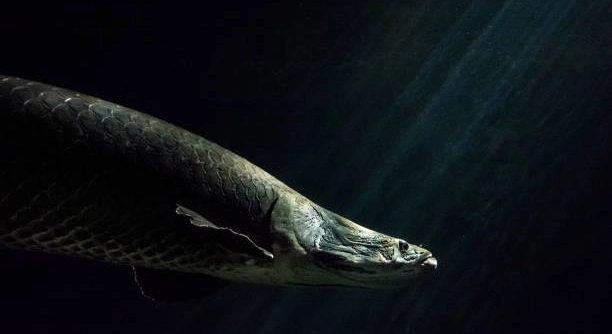
Have you ever tried keeping an arowana but felt unsure about offering enough stimulation in its tank environment, making you wonder if simple enrichment ideas could help it stay active, comfortable, and calm each day.
Providing effective enrichment for arowana relies on simple structural additions, controlled visual stimuli, and varied feeding strategies that promote steady activity, reduce stress, and align with documented behavioral needs observed in captive settings across established aquarium research and care guidelines.
These gentle methods highlight how thoughtful adjustments can shape a more engaging habitat that supports your arowanas comfort and behavior.
Floating Toys and Objects
Adding floating toys and objects can offer your arowana steady stimulation in a safe and simple way. I like using lightweight items that move gently with the water since they encourage natural tracking behavior without overwhelming the fish. These additions keep the environment lively, helping the arowana stay active as it observes and reacts to slow movements around the tank. Soft floating rings, smooth plastic balls, or pieces of aquarium-safe foam work well because they do not interrupt swimming patterns or create sharp noises. When placed thoughtfully, they also break up visual space and give the fish something new to focus on throughout the day. This small change can support calmer behavior, especially when the arowana is still growing or adjusting to its surroundings. Over time, rotating these items can maintain interest and prevent boredom, giving your tank an engaging setup that remains easy to manage for the fish comfortably.
Rotating floating objects keeps your arowana engaged by offering steady visual changes without stressing the tank environment. These small additions shift focus, support calm behavior, and create simple stimulation that works well for daily routines. I find this method practical, gentle, and easy to adjust whenever needed in my care.
Floating enrichment works best when balanced with calm surroundings, so keeping the tank free of sudden noise or harsh lighting helps your arowana stay comfortable. When I plan small changes, I introduce them slowly to avoid overwhelming the fish. This steady approach keeps behavior predictable and lets the arowana explore each new item at its own pace. The goal is to maintain interest while avoiding clutter, creating a clear swimming space with gentle visual points. With consistency, these simple tools can support better movement patterns and steady focus, giving your arowana a peaceful environment that still feels active each day.
Feeding Variety and Methods
Adding variety to feeding routines keeps your arowana mentally active and encourages steady movement during meals. Using different food types and simple delivery methods helps maintain interest without causing stress. This approach supports healthier behavior while staying easy to manage in daily care and it fits well into calm schedules.
Feeding variety can shape your arowanas activity in a gentle and effective way, especially when you introduce changes that feel natural to the fish. I like to rotate high quality pellets with frozen options that match the arowanas instincts, allowing it to follow slow movements and react with steady confidence. Using tongs or controlled drops adds safe stimulation without forcing sudden motions that might cause stress. When you adjust feeding intervals slightly, the fish learns to stay alert while still trusting the routine. This balance helps maintain steady digestion and calmer behavior throughout the day. Offering food from different spots in the tank also encourages smooth directional swimming and prevents the fish from waiting only at one location. By keeping portions consistent, you avoid chaotic feeding patterns and support healthier responses during mealtime. Over time, this method helps create a predictable rhythm that still feels interesting, giving your arowana a supportive environment that includes gentle activity and simple enrichment linked to its natural habits. These small adjustments come together to build a calmer feeding atmosphere that encourages steady confidence, making each meal a meaningful part of the daily routine while keeping the environment balanced and comfortable for your fish everywhere.
Safe Tank Rearrangements
Small layout changes can help your arowana stay alert by offering new visual points without causing stress. I like making gentle adjustments that keep the swimming path open while still giving the fish something fresh to observe during its daily movement around the tank.
Rearranging items works best when done slowly and with calm lighting, allowing the arowana to adjust without feeling overwhelmed. I avoid moving everything at once since that can create confusion or nervous swimming. Instead, I shift one or two pieces at a time, keeping the overall structure familiar. This approach encourages gentle exploration and steady behavior, giving the fish a reason to move around naturally and observe its surroundings with confidence.
Thoughtful rearrangements also help reduce pacing by breaking up predictable patterns. By spacing out decorations and keeping sharp edges away from the main path, the fish can glide smoothly without sudden stops. Over time, these small adjustments support healthier activity levels and create a calmer environment that still feels interesting. I find this method easy to maintain because it only requires small changes, helping the arowana stay engaged while preserving a steady and comfortable routine inside the tank.
Light-Based Stimulation
Soft lighting adjustments can give your arowana simple visual stimulation without interrupting its natural rhythm. I keep the brightness low and avoid abrupt shifts, letting the fish react calmly to subtle highlights that make the tank feel more dynamic while remaining gentle on its eyes.
Using timed lighting can support stable routines, helping the arowana anticipate calm periods and active periods throughout the day. I like setting a slow sunrise and sunset effect to keep transitions smooth, reducing stress and keeping behavior predictable. Introducing brief periods of slightly brighter light can also encourage gentle movement, but I make sure these moments remain short to avoid restlessness. These small lighting changes help maintain interest without overwhelming the fish, adding variation that blends easily into a stable environment.
Mirror Time in Moderation
Short mirror sessions can stimulate your arowana by sparking controlled interest without overwhelming it. I like limiting these moments to a few minutes, keeping the mirror at a slight angle so the fish stays curious but does not show signs of stress or frantic movement.
This method works best when used sparingly to avoid tension. I keep the tank calm and remove the mirror as soon as the fish begins pacing or tightening its movements. With careful timing, this simple tool can offer brief stimulation while maintaining a steady and comfortable environment.
Environmental Sounds
Gentle ambient noise can help your arowana stay calm, especially when the sounds are soft and consistent. I avoid sudden changes and keep devices at a distance, allowing the fish to experience mild stimulation without sharp vibrations that might disrupt its normal behavior or feeding rhythm.
Seasonal Adjustments
Small seasonal shifts can add natural variation that supports your arowanas comfort. I make gradual changes in light duration and temperature to keep everything smooth and stable, helping the fish adapt easily while still enjoying a gentle sense of variation in its habitat.
FAQ
How often should I change the floating objects in my arowana tank?
I usually rotate floating objects every one to two weeks. This keeps the environment stimulating without overwhelming the fish. Small, gradual changes allow the arowana to explore and stay active while still feeling secure in familiar surroundings.
Can mirrors stress my arowana?
Yes, if used too long or too close, mirrors can cause stress. I limit mirror sessions to a few minutes and monitor behavior. If the fish starts pacing or displaying aggressive movements, I remove the mirror immediately to keep it calm.
What types of food work best for enrichment?
I like offering a mix of high-quality pellets, frozen fish, and occasional live treats. Feeding from different locations in the tank encourages movement and natural hunting behavior. Keeping portion sizes consistent helps prevent overfeeding and supports steady activity.
Is rearranging the tank decorations safe?
Yes, if done carefully. I move one or two items at a time and avoid sharp or heavy objects. Gradual rearrangements promote exploration without stressing the fish, maintaining a balance between interest and comfort.
How should I manage lighting changes?
Soft, gradual shifts work best. I set timed lights for slow sunrise and sunset effects. Brief periods of slightly brighter light can stimulate gentle movement, but abrupt changes should be avoided to prevent restlessness.
Can ambient noise help or harm my arowana?
Gentle, consistent sounds can be calming. I keep devices at a distance and avoid sudden loud noises. Consistent low-level ambient noise provides mild stimulation without interrupting feeding or resting routines.
How do seasonal adjustments benefit my arowana?
Gradual changes in light duration and temperature mimic natural seasonal shifts. I make slow adjustments to avoid shocking the fish, helping it stay comfortable while adding mild variation to its daily environment.
Are floating toys necessary for all arowanas?
Not strictly necessary, but they provide visual and mental stimulation. I notice my fish engages more with its environment when toys are present, supporting calm and natural behavior without taking up much space in the tank.
Can feeding routines alone provide enough enrichment?
Feeding routines help, but combining them with structural and visual enrichment creates a more complete environment. I vary food type, delivery method, and location to encourage movement and curiosity, supporting overall well-being.
How do I know if my enrichment methods are working?
I watch for calmer, steady swimming and natural exploration without signs of stress. If the arowana remains active but not frantic, the enrichment is effective. Adjusting tools slowly ensures the fish stays comfortable and engaged over time.
Are there risks in over-stimulating my arowana?
Yes, too much activity or rapid changes can cause stress. I keep enrichment gradual and limited, observing behavior carefully. Brief sessions with controlled tools prevent over-stimulation while supporting natural activity patterns.
Can I combine multiple enrichment methods at once?
Yes, but I introduce them one at a time first. Combining floating objects, feeding variety, and gentle lighting creates a richer environment, but gradual integration avoids overwhelming the fish while keeping the tank comfortable.
How long should enrichment sessions last each day?
Short, consistent sessions work best. I provide visual or interactive stimuli in intervals, usually 10–15 minutes for mirrors or moving objects. This keeps the arowana active without causing fatigue or stress.
Is enrichment necessary for adult arowanas too?
Absolutely. Even mature arowanas benefit from mild stimulation. I continue floating objects, varied feeding, and gentle lighting throughout the year. Regular enrichment supports mental sharpness, reduces boredom, and maintains steady natural behaviors.
Can enrichment improve feeding behavior?
Yes, it encourages natural hunting instincts and movement. I place food in different locations and use slow drops or tongs to mimic prey. This makes feeding more engaging while supporting digestion and reducing repetitive behavior.
What if my arowana ignores the enrichment?
Not all fish respond immediately. I try different objects, food types, or minor tank rearrangements. Patience is key, and gradual changes often spark curiosity over time, helping the fish interact without pressure.
How do I prevent aggression during enrichment?
Avoid mirrors for long periods and introduce objects slowly. I monitor the arowana carefully, spacing food drops and keeping decorations apart to reduce territorial tension. Calm observation helps maintain steady behavior without conflict.
Are live plants a good enrichment option?
Yes, when safe and non-toxic. I add sturdy plants that don’t easily break apart. They provide hiding spots, natural visual variation, and subtle movement in water, supporting gentle exploration and comfort.
Can water currents be used for enrichment?
Mild currents encourage swimming without forcing rapid movement. I adjust filters or pumps to create gentle flow zones, letting the arowana choose when to explore or rest, supporting natural activity patterns and muscle tone.
How do I balance enrichment with tank maintenance?
I schedule enrichment sessions around cleaning and water checks. Keeping a clean, stable environment ensures the fish benefits fully from enrichment while avoiding stress from sudden disturbances or dirty water.
Is it safe to use multiple floating objects together?
Yes, but spacing is important. I place items where the arowana can swim freely between them. Too many objects can restrict movement or create hiding spaces that disrupt the fish’s natural exploration.
Do enrichment tools need to be removed at night?
I remove mirrors or interactive objects after sessions but leave floating items if they are safe. This keeps the tank predictable, letting the arowana rest calmly without constant stimulation.
How can I track the effectiveness of enrichment over time?
I observe behavior patterns, noting activity levels, resting habits, and feeding responses. Gradual improvement in calm swimming and engagement indicates enrichment is working. Adjustments are made slowly to maintain comfort while encouraging curiosity.
What should I avoid when creating enrichment for arowanas?
Sharp decorations, sudden lighting changes, and overlong mirror sessions can all cause stress. I stick to soft, safe objects, gradual light shifts, and brief interactive periods to keep the environment supportive and calm.
Can enrichment reduce pacing behavior?
Yes, providing varied visual and feeding stimuli helps break repetitive swimming patterns. I rotate toys, rearrange decorations, and use gentle currents to encourage natural movement, reducing pacing without forcing activity.
Is it necessary to keep a log of enrichment activities?
Keeping notes helps track what works best. I jot down rotations, feeding variations, and timing. This lets me refine methods, ensuring the arowana stays engaged and comfortable while avoiding overstimulation.
How often should seasonal adjustments be made?
Gradually, over weeks, not days. I slowly change light and temperature to mimic natural cycles, keeping the arowana’s routine stable. Sudden shifts can cause stress, while gentle seasonal variations add subtle interest and support overall health.
Can enrichment improve overall health?
Yes, regular stimulation supports physical activity, reduces boredom, and encourages natural behaviors. I combine structural, visual, and feeding enrichment to maintain both mental and physical well-being, helping the arowana thrive in a calm, balanced environment.
What’s the best way to introduce a new enrichment method?
Start slowly and observe the fish’s response. I add one new item or routine at a time, monitor behavior, and adjust accordingly. This prevents stress and ensures the arowana remains comfortable while gradually gaining interest in its environment.
How long until I see results from enrichment?
Changes in behavior can appear within days, but consistency matters. I notice calmer swimming, increased exploration, and more natural feeding patterns after steady use of simple, safe enrichment methods over a few weeks.
Can enrichment help during tank relocations?
Yes, gentle familiar objects can reduce stress when moving tanks. I keep some known items in place, slowly reintroduce floating toys or feeding routines, and maintain calm lighting to help the arowana adjust smoothly.
Should enrichment differ for juvenile and adult arowanas?
Yes, juveniles need smaller, lighter objects and shorter stimulation periods, while adults can handle slightly larger items and more gradual variations. I adjust based on size and activity levels to maintain safe and effective engagement.
Are there any enrichment methods to avoid completely?
Avoid anything sharp, heavy, or unpredictable. Sudden noises, large mirrors, or overly strong currents can stress the fish. I focus on small, gradual, and safe changes to keep the arowana engaged without compromising comfort.
Can enrichment support social behavior in multiple arowanas?
Yes, if monitored carefully. I space objects and feeding areas to prevent competition. Gradual, gentle stimuli encourage calm interaction while reducing aggression or territorial disputes between fish.
Is consistency important in enrichment routines?
Very much so. I keep daily activities predictable in timing and duration while rotating items slowly. This helps the arowana feel secure while still enjoying varied stimulation that promotes steady natural behavior and calm engagement.
How do I adjust enrichment for a stressed arowana?
I reduce interactive items, keep lighting soft, and focus on minimal disturbances. Gentle currents and quiet feeding routines help restore comfort, and I reintroduce other enrichment gradually once the fish shows calm, steady behavior.
Can enrichment affect tank water quality?
Indirectly, yes. I ensure all objects are safe, non-toxic, and cleaned regularly. Uneaten food and debris from enrichment can impact water quality, so maintaining regular cleaning alongside stimulation is essential for a healthy environment.
What is the easiest enrichment method for beginners?
I find floating objects, varied feeding locations, and mild lighting adjustments easiest to implement. They provide effective stimulation with minimal setup and low risk, supporting both fish activity and calm behavior without complex changes.
How do I know if my arowana is bored?
Signs include pacing, repetitive swimming, or ignoring food. I address this with gradual enrichment, gentle rearrangements, and feeding variation. Observing behavior closely ensures the fish remains active without becoming stressed or restless.
Can enrichment prevent illness?
While it doesn’t directly prevent disease, active and calm arowanas tend to maintain better overall health. I combine physical activity with low-stress environments, supporting immune function and reducing behaviors that might cause injury or fatigue.
Is it possible to overdo enrichment?
Yes, too many items, long mirror sessions, or abrupt changes can stress the fish. I balance stimulation with calm periods, keeping sessions short and incremental for steady, healthy engagement without overloading the environment.
What’s the best combination of enrichment methods?
I use a mix of floating objects, varied feeding, gentle lighting, mild currents, and occasional mirror time. Introducing these gradually creates a dynamic but calm habitat, encouraging exploration, steady movement, and natural behavior while keeping the arowana comfortable and engaged.
How can I make enrichment a routine?
I schedule short sessions daily or every other day, rotate items weekly, and vary feeding methods consistently. Keeping routines predictable while slowly introducing changes ensures long-term comfort, steady behavior, and an engaging environment for my arowana.
Do enrichment needs change over time?
Yes, as the fish grows or adapts, I adjust object size, stimulation duration, and feeding variation. Continuous observation helps maintain interest without causing stress, keeping the arowana engaged and healthy throughout its life.
Can I use household items safely for enrichment?
Only if they are non-toxic, smooth, and aquarium-safe. I avoid anything sharp or chemically treated. Simple items like clean foam, plastic rings, or safe floating objects work well for gentle stimulation without harming the fish.
How do I handle multiple enrichment ideas at once?
I introduce them gradually, watching for stress or confusion. Combining too many at once can be overwhelming. I prefer a slow buildup, observing responses carefully to find a balanced mix that encourages natural activity while maintaining calm and comfort.
Does enrichment help with tank acclimation?
Yes, familiar objects and gentle stimuli can make acclimation smoother. I use small rearrangements, mild lighting, and consistent feeding routines to support calm exploration, helping the arowana adjust without stress when introduced to a new tank environment.
Are there visual cues that enrichment is effective?
Yes, calmer, steady swimming, exploration of decorations, and attentive feeding indicate success. I look for increased interaction with safe objects, smoother movement, and reduced pacing as signs that enrichment methods are working well.
How do I maintain engagement long-term?
I rotate objects, adjust feeding locations, and vary mild lighting gradually. Keeping changes subtle and consistent encourages ongoing interest without overstimulation. Regular observation helps fine-tune routines to meet the arowana’s evolving needs while maintaining comfort and natural behavior.
Is enrichment more effective for certain arowana species?
All arowanas benefit, though behavior may differ slightly by species. I tailor object size, feeding types, and stimulation duration to match activity levels and temperaments, ensuring enrichment remains safe, engaging, and supportive for each fish individually.
Can enrichment prevent aggressive behavior?
It can help by reducing boredom and pacing, which sometimes trigger aggression. I provide varied stimuli, maintain space between items, and ensure feeding areas are spread out to lower territorial tension and encourage calm interactions.
How often should I reassess enrichment methods?
Regularly, every few weeks. I observe behavior changes, note interest levels, and make small adjustments. This ensures continued engagement, prevents overstimulation, and supports ongoing comfort and activity for the arowana over time.
Is there a difference between mental and physical enrichment?
Yes, mental enrichment includes visual stimuli, mirrors, and novel objects, while physical enrichment involves swimming, currents, and feeding challenges. I combine both types for balanced stimulation, helping the arowana remain alert, active, and comfortable in its habitat.
What’s the simplest way to start enrichment today?
I begin with a single floating object, vary feeding spots, and slightly adjust lighting. Observing the fish’s reaction lets me expand methods gradually, keeping stimulation safe, manageable, and effective without overwhelming the arowana.
Can enrichment improve overall lifespan?
Indirectly, yes. Reducing stress, encouraging movement, and supporting natural behavior promotes better health. I combine gentle stimulation with stable routines, clean water, and proper diet to help my arowana thrive for years.
How can I make enrichment feel natural for the fish?
I mimic natural conditions: slow currents, floating leaves or safe objects, varied feeding methods, and subtle lighting changes. This keeps stimulation gentle, encouraging instinctive exploration and calm behavior that fits the arowana’s natural instincts in captivity.
Is it necessary to consult a professional for enrichment ideas?
Not always, but guidance helps. I follow reputable aquarium care sources and experienced advice when introducing new methods. Professional input ensures enrichment remains safe, effective, and aligned with species-specific needs for long-term well-being.
What’s the main goal of enrichment for arowanas?
To maintain mental stimulation, physical activity, and calm behavior. I aim to balance gentle challenge with comfort, supporting natural instincts, steady swimming patterns, and overall health through simple, safe, and consistent enrichment practices.
How do I know when to stop a particular enrichment method?
If pacing, frantic swimming, refusal to eat, or stress signs appear, I pause or remove the method. Observing responses closely ensures the fish stays comfortable and engaged while avoiding negative effects from overstimulation.
Can enrichment be adapted for small tanks?
Yes, I choose compact, lightweight objects, gentle currents, and safe feeding methods. Even small tanks can provide meaningful stimulation if items are rotated carefully and space for swimming remains open.
Are there enrichment methods to avoid during breeding?
Yes, I limit mirrors, strong currents, and sudden changes. During breeding, calm, stable environments are essential, with only subtle stimulation to support natural behavior without stress or distraction from mating activities.
How do I combine feeding, visual, and structural enrichment effectively?
I introduce one element at a time, monitor response, and gradually layer methods. Floating objects, varied food locations, and gentle lighting work together without overwhelming the fish. Careful pacing ensures the arowana stays active, alert, and comfortable throughout the day.
Can enrichment improve tank harmony with multiple fish?
Yes, spacing objects, feeding spots, and gentle currents reduces competition and territorial aggression. I observe interactions closely, adjusting placement to support calm coexistence while keeping each fish engaged without stress.
How long does it take to see behavioral changes from enrichment?
Initial changes can appear within a few days, like increased exploration or calmer swimming. Consistent, gradual enrichment over weeks strengthens natural activity patterns, attentiveness, and overall comfort in the tank.
What is the most important factor in successful enrichment?
Observation. I monitor behavior constantly, adjusting items, feeding, and light based on responses. Safe, gradual, and thoughtful methods keep the arowana engaged, reduce stress, and encourage natural patterns in its habitat.
Can enrichment methods be shared between tanks?
Yes, as long as the fish are similar in size and temperament. I introduce objects slowly, ensuring familiarity and comfort before full integration, maintaining consistent safety and stimulation for each tank.
Are there risks to removing enrichment suddenly?
Yes, abrupt removal can cause confusion or stress. I gradually rotate objects, reduce mirror sessions, and slowly adjust feeding changes to maintain stability and comfort for the arowana while keeping the tank engaging.
Can enrichment replace regular tank care?
No, enrichment complements care but does not replace cleaning, water checks, or diet. I maintain proper maintenance routines alongside stimulation to ensure a healthy, comfortable, and safe environment for my arowana.
How do I know which enrichment works best for my arowana?
I observe interest levels, swimming patterns, and feeding behavior. Over time, the fish’s engagement and calm responses show which methods are most effective. Adjustments are made gradually to maintain comfort while keeping the environment stimulating.
Is it better to use one type of enrichment or multiple types?
A balanced combination works best. I start with one method, then layer additional tools gradually. Floating objects, feeding variation, gentle currents, and mild lighting together create a rich but calm environment that encourages natural behavior.
Can enrichment reduce stress during transport?
Yes, familiar objects and gentle routines help. I maintain consistent lighting and calm surroundings, keeping stimulation minimal to reduce anxiety while allowing the fish to adjust to new environments safely.
Are there seasonal considerations for enrichment?
Yes, I adjust light duration and temperature gradually to mimic natural cycles. This keeps the arowana comfortable, supports natural behavior, and adds mild variation without sudden changes that could cause stress.
Does enrichment require special equipment?
Not necessarily. Safe floating objects, gentle lighting, feeding tools, and mild currents are enough. I focus on simple, low-risk items that encourage natural activity without complex setups or high maintenance.
How do I prevent boredom long-term?
I rotate objects, vary feeding, adjust currents, and make subtle lighting changes. Consistency with gentle variation keeps the fish engaged while avoiding overstimulation. Observing behavior ensures ongoing comfort and natural interaction with the environment.
Can enrichment improve my arowana’s temperament?
Yes, gentle stimulation reduces pacing and repetitive behaviors. I notice calmer, more predictable swimming
Final Thoughts
Creating a comfortable and engaging environment for your arowana is simpler than it may seem. Even small changes, like adding floating objects, adjusting feeding routines, or introducing gentle lighting shifts, can make a noticeable difference in your fish’s daily activity and overall well-being. I have found that keeping enrichment gradual and consistent is more effective than frequent or drastic changes. Arowanas respond best to calm, predictable surroundings with small, safe variations that spark interest without causing stress. These small adjustments can support natural swimming patterns, encourage curiosity, and reduce repetitive behaviors like pacing, all while keeping the tank safe and easy to maintain. Over time, these simple methods become part of the fish’s routine, making the tank a more lively and comfortable place without overwhelming it with constant changes.
Observing your arowana closely is key to understanding what enrichment works and what might be too much. Each fish has its own personality and tolerance for stimulation, so patience is necessary when introducing new objects, feeding methods, or lighting adjustments. I usually start with one change at a time, monitor how the fish reacts, and only make further adjustments when it seems comfortable. This approach allows the arowana to explore and adapt at its own pace, preventing unnecessary stress while promoting healthy behavior. Consistent observation also helps you notice small signs of boredom or agitation, which can be addressed quickly with minor modifications. Over time, these careful efforts create an environment that balances stimulation and calm, giving your fish a daily routine that feels natural and safe.
Finally, the goal of enrichment is to support your arowana’s physical and mental health without complicating care. Gentle, simple techniques like rearranging tank decorations, rotating floating toys, varying feeding locations, and providing soft ambient sounds or currents can make a meaningful difference. These methods are low-risk, easy to implement, and effective for both young and adult arowanas. By maintaining a stable environment with occasional small changes, you can keep your fish active, curious, and comfortable. Enrichment does not replace proper tank maintenance, clean water, or a healthy diet, but it enhances these essentials by giving the fish something to interact with and explore. In my experience, consistent attention to these details builds a calm, balanced, and engaging habitat, allowing your arowana to thrive while making care routines more enjoyable for you. Over time, these practices help your arowana remain healthy, active, and content in its home.

Hello,
If you enjoy the content that we create, please consider saying a "Thank You!" by leaving a tip.
Every little bit helps us continue crafting quality advice that supports the health, happiness, and well-being of pets around the world, for pets of all shapes, sizes, and species.
We really appreciate the kindness and support that you show us!