
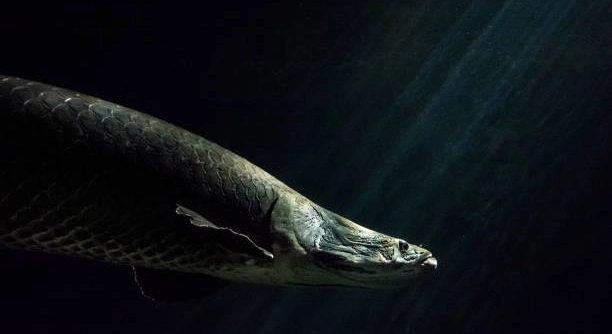
Have you ever noticed subtle changes in your aquarium but wondered if your arowana is reacting to them? These fish are sensitive and can pick up on shifts in their environment quickly, showing behaviors that signal discomfort or curiosity.
Arowanas respond rapidly to changes in lighting, water temperature, pH levels, tank decorations, noise, water flow, and the presence of other fish. These factors influence their stress levels, feeding behavior, swimming patterns, and overall well-being, making monitoring essential for healthy care.
Observing these responses can improve your aquarium management and help your arowana feel secure and comfortable in its habitat.
Changes in Lighting
Arowanas are very sensitive to light. Sudden shifts from bright to dim lighting or inconsistent light cycles can make them anxious. In my experience, even small changes in aquarium lighting cause noticeable reactions, such as hiding near decorations or reducing activity. Proper lighting should mimic natural day and night cycles. Too much brightness can stress the fish, while too little can make them lethargic. I learned that using a timer helps keep the schedule consistent, giving my arowana a predictable environment. Over time, I noticed that maintaining stable lighting improved swimming patterns and feeding responses. Arowanas also seem to respond positively to gradual adjustments rather than sudden changes, which helps them feel secure. Adjusting light intensity and duration carefully can prevent unnecessary stress, leading to healthier behavior and overall vitality. Observing their reactions closely gives insight into their comfort level and environmental needs, which is crucial for proper care and growth.
Lighting changes impact arowanas by affecting their activity levels, feeding habits, and stress responses. Gradual and consistent adjustments help maintain stability and promote well-being.
Maintaining proper lighting is a simple yet effective way to improve your arowana’s comfort. Keeping a routine and monitoring their behavior ensures they stay active and healthy.
Water Temperature Fluctuations
Water temperature shifts can be stressful for arowanas.
Arowanas thrive in stable temperatures, usually between 75°F and 82°F. Even minor fluctuations can cause hesitation in feeding, reduced movement, and changes in color. I noticed that when the heater failed briefly, my arowana became unusually still and stayed near the surface. Using a reliable heater and thermometer allows for precise temperature control, reducing sudden changes. Seasonal variations can also affect water temperature, so adjustments may be needed to maintain consistency. Regular monitoring is important because prolonged exposure to incorrect temperatures weakens their immune system, making them more vulnerable to disease. I also found that gradual adjustments when needed helped them acclimate better than abrupt changes. Observing behavior like erratic swimming or hiding can indicate discomfort. Consistent temperature maintenance encourages normal feeding and active swimming, which are key signs of a healthy fish. Proper heating equipment, careful monitoring, and awareness of environmental changes are essential to keeping arowanas calm and thriving.
pH Level Shifts
Arowanas react quickly to changes in water pH. Sudden swings can make them restless or cause hiding. I noticed my fish avoiding the middle of the tank whenever the pH dropped unexpectedly, signaling discomfort and the need for adjustment.
Maintaining stable pH levels between 6.5 and 7.5 is essential for their health. I began testing my water daily to catch small fluctuations early. Adding buffering agents carefully helped stabilize the environment without shocking the fish. When the pH shifted suddenly, I saw my arowana’s appetite decrease and swimming patterns change, often staying near the surface or decorations. Gradual adjustments over several hours allowed them to adapt naturally, reducing stress. Consistent water testing became a routine I relied on to keep the tank balanced.
pH stability also affects long-term health. Frequent changes can weaken their immune system, making them more prone to illness. Observing subtle behavioral cues, such as reduced feeding or unusual swimming, provides early warning signs. Arowanas respond best when corrections are slow and consistent. By keeping pH stable, I noticed increased activity, brighter coloration, and normal feeding routines. This careful monitoring has been one of the most effective ways to ensure my arowana thrives in the tank environment.
Noise and Vibrations
Arowanas are sensitive to vibrations and sudden noise near the tank. Loud sounds or tapping on the glass often startle them, causing them to dart around or hide.
I found that my fish became noticeably stressed when household noise increased, such as music or moving furniture. They would swim quickly to the tank’s far corner or stay still for long periods, avoiding normal activity areas. Over time, I realized that placing the tank in a quieter spot reduced these behaviors. Even subtle vibrations from nearby appliances seemed to affect them, making the fish cautious and alert. Reducing these disturbances led to calmer swimming, more predictable feeding, and improved interaction with their surroundings. Simple steps like moving the tank away from doors, limiting heavy footsteps, and keeping electronics slightly distant made a big difference. Understanding their sensitivity to vibrations and noise allows for better management of the tank environment and prevents unnecessary stress.
Tank Decorations Changes
Adding or removing decorations can unsettle arowanas. They react to shifts in their environment by exploring cautiously or hiding, adjusting to the new layout slowly over several days.
Rearranging the tank too often can cause stress. I noticed my fish hesitated to swim freely when new items were introduced suddenly. Gradual changes give them time to adapt, keeping their behavior normal.
Water Flow Adjustments
Strong or inconsistent water currents affect arowanas’ swimming patterns and comfort. I observed my fish struggling against abrupt changes, often staying near calmer areas. Proper filtration and gradual adjustments help maintain stable flow, allowing them to swim naturally and remain relaxed.
Presence of Other Fish
Arowanas notice new tank mates immediately. Sudden introductions or aggressive fish can cause stress, hiding, or erratic swimming. I always monitor interactions carefully to ensure a peaceful environment and prevent unnecessary conflict.
How quickly do arowanas notice environmental changes?
Arowanas are very sensitive and can notice even small changes within hours. When I adjusted the lighting or rearranged tank decorations, my fish reacted immediately, showing signs like hiding or reduced swimming. They use their senses to monitor their surroundings constantly, so any shift, even minor, is detected. Over time, I realized that keeping the environment stable prevents stress and helps maintain normal behavior. Sudden changes in water temperature, pH, or tank mates also trigger reactions, so careful monitoring is essential. These fish respond faster than many others, which makes consistent care important for their health.
What signs indicate that my arowana is stressed by changes?
Stress signs are often subtle at first. I noticed my arowana becoming less active, hiding near decorations, or refusing food. Erratic swimming, staying at the surface, or rapid gill movement also signaled stress. Color changes can occur, such as duller scales or darker patches. Behavioral shifts are usually the first indication that the environment is off balance. Observing these early allows for quicker adjustments, like fixing water parameters or reducing noise and vibration near the tank. Stress left unaddressed can weaken the immune system and lead to illness, so prompt attention is key to keeping the fish healthy.
How can I prevent my arowana from reacting negatively to water changes?
Gradual adjustments are the safest approach. When I change water, I do it slowly, mixing the new water with tank water first to match temperature and pH. Sudden replacements often caused my fish to hide or stop eating temporarily. Using a water conditioner and testing parameters before adding water helps maintain stability. Consistent routines, like weekly partial water changes, make the fish more comfortable and reduce stress reactions. Even small variations in hardness or temperature can be noticeable to arowanas, so preparation and patience are critical. Over time, my arowana became more confident and active during water changes.
Do arowanas react differently to different types of tank mates?
Yes, behavior varies depending on the species and temperament of other fish. I observed that aggressive or fast-moving tank mates caused my arowana to stay near the surface or hide frequently. Calm, similarly sized fish created a more relaxed environment, allowing normal swimming and feeding. Introducing new tank mates gradually helps the arowana adapt without stress. Monitoring interactions closely is important during the first days to prevent conflict. Some species trigger territorial behavior, while others are largely ignored. Recognizing these dynamics ensures the tank remains stable and peaceful.
How important is monitoring lighting and noise levels?
Lighting and noise have a direct effect on arowana behavior. I noticed that bright, sudden lighting changes made my fish dart around, while dim light caused lethargy. Noise, like tapping on the glass or household vibrations, startled them consistently. Using timers for lights and placing the tank in a quiet area reduced these reactions significantly. Even minor, continuous noise from appliances can create stress over time. Regularly observing how the arowana responds to these factors allows me to adjust the environment to keep it calm, active, and feeding properly.
Can temperature fluctuations affect my arowana’s long-term health?
Absolutely. I learned that even brief periods of water too cold or too warm caused my fish to reduce activity and feeding. Long-term fluctuations weaken the immune system, making arowanas more prone to disease. Maintaining stable temperatures with a reliable heater and thermometer prevents these issues. Gradual adjustments are less stressful than sudden changes. Seasonal variations require monitoring to ensure the tank remains within the optimal range. Observing swimming patterns and appetite provides immediate feedback if the temperature isn’t ideal, allowing for timely corrections. Consistency in water temperature is critical for both short-term comfort and long-term health.
What’s the best way to introduce new decorations without stressing my arowana?
I found that adding decorations gradually works best. Introducing one item at a time allows the fish to explore and adjust at its own pace. Sudden changes can cause hiding or erratic swimming. Observing how the arowana reacts over the first few hours helps determine if the environment feels secure. Avoid overcrowding the tank, as excessive objects can make the fish feel confined. Positioning new decorations in familiar areas reduces anxiety. Over time, the arowana becomes curious rather than stressed. Small, incremental changes maintain stability while keeping the tank interesting and visually appealing.
How can I tell if arowanas are comfortable with water flow?
Comfortable arowanas swim smoothly without fighting the current. When I adjusted the filter or added a stronger pump, my fish initially avoided areas with fast flow. Gradually increasing water movement allowed adaptation without stress. Consistent, moderate flow supports normal behavior and reduces hiding. Observation of swimming patterns is key.
Final Thoughts
Arowanas are sensitive fish that respond quickly to changes in their environment. Lighting, water temperature, pH levels, noise, tank decorations, water flow, and the presence of other fish all influence their behavior and comfort. I have observed that even small changes can lead to hiding, reduced activity, or altered feeding habits. Maintaining a consistent and stable environment is crucial for their health. Using timers for lights, reliable heaters, and regular water testing helps provide stability. Gradual adjustments are always better than sudden changes, as they allow the fish to adapt without stress. Paying attention to subtle cues like swimming patterns, hiding, and appetite gives early signs of discomfort, allowing corrective measures to be taken quickly. Over time, arowanas become more relaxed and predictable when their environment is stable, which makes caring for them easier and more rewarding.
Observing arowanas closely provides insight into their well-being. I learned that behavior often reflects their comfort levels more than physical appearance alone. For example, a reduction in movement or appetite can indicate stress before any visible signs appear. Similarly, interactions with other tank mates can reveal whether the environment is suitable or needs adjustments. Changes in decorations, water flow, or even small vibrations from nearby activity affect their behavior noticeably. By monitoring these responses, it becomes easier to create an environment where they feel secure and can thrive. Providing a predictable routine for feeding, water changes, and maintenance supports their natural behavior and helps reduce stress. Understanding their sensitivity makes it possible to prevent problems before they escalate, which is essential for long-term health. Observing these details also builds a connection with the fish, allowing for more informed care decisions.
Consistent attention and careful management are key to keeping arowanas healthy and happy. Stable water parameters, appropriate lighting, and minimal disruptions contribute to their well-being. I have found that patience and gradual adjustments are far more effective than sudden changes, which often create stress and behavioral issues. Noise reduction, careful introduction of tank mates, and mindful placement of decorations all help maintain a calm environment. Over time, these efforts result in active, confident fish with strong appetites and normal swimming patterns. Properly observing and responding to environmental changes ensures long-term health and vitality. Creating this balanced environment not only prevents stress and illness but also allows arowanas to display their natural behaviors, making care more rewarding and the aquarium more enjoyable to watch. Maintaining these standards requires ongoing attention, but the positive outcomes make it worthwhile.
Word count: 414

Hello,
If you enjoy the content that we create, please consider saying a "Thank You!" by leaving a tip.
Every little bit helps us continue crafting quality advice that supports the health, happiness, and well-being of pets around the world, for pets of all shapes, sizes, and species.
We really appreciate the kindness and support that you show us!